When a 58-year-old retired schoolteacher in Kochi found she could no longer climb a single flight of stairs without stopping to catch her breath, her family put it down to ageing. Months later, after a night of waking up gasping and propping herself against three pillows to sleep, doctors gave the real diagnosis: heart failure. Her story is far from rare. India carries one of the heaviest heart failure burdens in the world, and our patients develop it nearly a decade younger than people in the West.
The very name frightens people. "Heart failure" sounds like the heart has stopped — but it has not. It means the heart has become too weak or too stiff to pump enough blood for the body's needs. With the right tests, medicines, and daily habits, millions of Indians live full lives with heart failure. Understanding it is the first step.
What Is Heart Failure, Really?
Heart failure (also called congestive cardiac failure or CCF) is a chronic condition in which the heart cannot pump blood efficiently enough to meet the body's demands. Blood and fluid then back up into the lungs, legs, and abdomen — which is why "congestive" appears in the name.
It is not a single disease but the final common pathway of many heart problems. In India, the leading causes are:
- Coronary artery disease and previous heart attacks — the single biggest cause. A damaged heart muscle after a heart attack pumps poorly.
- Long-standing high blood pressure — years of uncontrolled hypertension thicken and tire the heart.
- Rheumatic heart disease — still common in India, where untreated childhood throat infections damage heart valves.
- Diabetic cardiomyopathy — diabetes directly weakens heart muscle, often silently.
- Dilated cardiomyopathy — the heart chamber enlarges and weakens, sometimes after a viral infection or with no clear cause.
- Thyroid disease, severe anaemia, and alcohol — reversible contributors that are common in India.
The Indian Picture: Younger and Deadlier
Heart failure in India looks different from the West. The landmark ICMR-funded Trivandrum Heart Failure Registry, the most authoritative Indian data we have, found that Indian heart failure patients have a mean age of about 61 years — roughly ten years younger than patients in Europe and North America. Most of the burden falls on people still in their working, earning years.
The outcomes are sobering. In the Trivandrum registry, nearly one in three patients died within a year of an acute heart failure admission, and the five-year mortality reached 59%, with a median survival of just over three years. Most deaths occurred in patients younger than 70. Estimates of the total number of Indians living with heart failure range widely — from a few million to as high as 8–10 million — partly because so many cases go undiagnosed. One Indian study screening people with type 2 diabetes found that nearly a third had signs of previously undetected heart failure.
This is precisely why early recognition matters so much.
Warning Signs You Should Never Ignore
Heart failure symptoms creep in slowly and are easily blamed on age, weight, or "weakness." Learn to spot them:
- Breathlessness on exertion — getting winded climbing stairs, walking to the market, or doing housework you once managed easily
- Orthopnoea — breathlessness when lying flat, relieved by sitting up or using extra pillows
- Paroxysmal nocturnal dyspnoea (PND) — waking suddenly at night gasping for air
- Swelling (oedema) — puffy ankles, feet, or legs, often worse by evening; in advanced cases, a swollen abdomen
- Sudden weight gain — 2 kg or more in a few days signals fluid retention, not fat
- Persistent fatigue and weakness — the body's tissues are starved of oxygen-rich blood
- Reduced appetite or nausea — from congestion around the gut and liver
- Dry cough or wheeze, especially at night, sometimes mistaken for asthma
Symptoms can be subtler in women, the elderly, and people with diabetes. If you or an ageing parent tick several of these boxes, see a doctor — do not wait.
The Three Types: Why Ejection Fraction Matters
Your ejection fraction (EF) — the percentage of blood the main pumping chamber squeezes out with each beat — is the single most important number in heart failure. It is measured on an echocardiogram. A normal EF is 50–70%. Doctors classify heart failure by it:
| Type | Ejection Fraction | What It Means |
|---|---|---|
| HFrEF (reduced) | 40% or below | The heart muscle is weak and pumps poorly — often after a heart attack |
| HFmrEF (mildly reduced) | 41–49% | An in-between, "borderline" group |
| HFpEF (preserved) | 50% or above | The heart pumps normally but is stiff and fills poorly — common with hypertension, diabetes, and in older women |
Knowing your "type" decides your treatment, which is why one echo report alone is not the whole story — your EF is tracked over time.
How Heart Failure Is Diagnosed
No single test confirms heart failure. Your doctor combines your symptoms with a panel of investigations:
Blood Tests: BNP and NT-proBNP
When the heart is under strain, it releases hormones called natriuretic peptides. Measuring BNP or NT-proBNP in a blood sample is the most useful screening test. A low value makes heart failure very unlikely; a raised value points strongly towards it. International guidelines use an NT-proBNP threshold around 125 pg/mL in the outpatient setting, though the cut-off rises with age and in kidney disease, and your physician will interpret it in context. The test costs roughly ₹1,500–₹3,000 at Indian labs such as Dr. Lal PathLabs, SRL, or Thyrocare.
Echocardiography
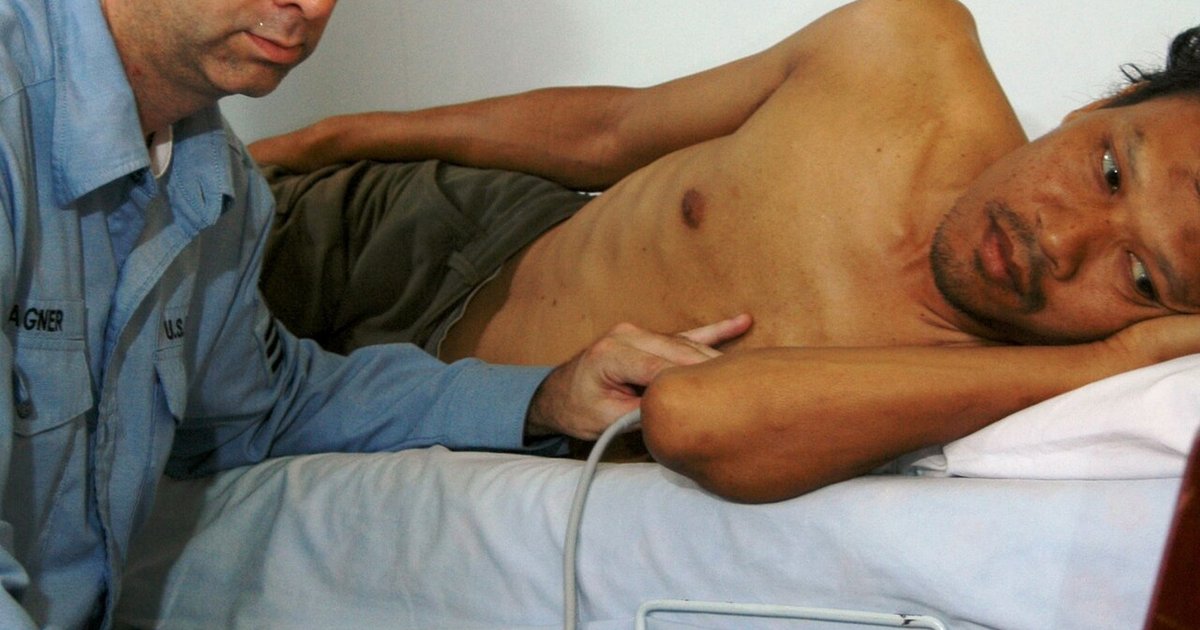
A 2D echo is the cornerstone test. This painless ultrasound of the heart measures your ejection fraction, checks the valves (vital in rheumatic heart disease), and shows which chambers are enlarged. It costs around ₹1,500–₹4,000 and should be done in everyone with suspected heart failure.
Supporting Tests
- ECG — looks for old heart attacks, rhythm problems like atrial fibrillation, and chamber enlargement
- Chest X-ray — shows an enlarged heart and fluid in the lungs
- Blood panel — a kidney function test, electrolytes, CBC (to detect anaemia), thyroid tests, and HbA1c to find reversible contributors and guide safe dosing
- Coronary angiography — if blocked arteries are suspected as the cause
Because heart failure is followed with repeated echos and NT-proBNP tests, keeping these reports organised and comparable over months matters. Uploading them to MedicalVault's trend analysis lets you and your cardiologist see whether your ejection fraction and natriuretic peptide levels are improving or slipping.
Treatment: The Four Pillars
Modern heart failure treatment for HFrEF rests on what cardiologists call the four pillars of guideline-directed medical therapy. Used together, these drug classes do not just relieve symptoms — they prolong life and prevent hospital admissions. All are available in India, mostly as affordable generics.
- ARNI / ACE inhibitors / ARBs — sacubitril-valsartan (Vymada, Azmarda), or older drugs like enalapril and telmisartan, relax blood vessels and protect the heart
- Beta-blockers — carvedilol, bisoprolol, or metoprolol succinate slow the heart and help it recover, started low and increased gradually
- MRAs (mineralocorticoid receptor antagonists) — spironolactone (Aldactone) or eplerenone reduce fluid overload and scarring
- SGLT2 inhibitors — dapagliflozin (Forxiga) or empagliflozin (Jardiance), originally diabetes drugs, now proven to help heart failure even in people without diabetes
On top of these, diuretics (water tablets) such as furosemide (Lasix) or torsemide control breathlessness and swelling by clearing excess fluid. For HFpEF, treatment focuses on controlling blood pressure, diabetes, and fluid, with SGLT2 inhibitors now playing a growing role.
Devices and Advanced Options
Some patients with very low ejection fractions benefit from an ICD (implantable defibrillator) to prevent sudden cardiac arrest, or a CRT (cardiac resynchronisation) pacemaker to coordinate the heartbeat. In end-stage disease, heart transplantation or an LVAD pump are options at select Indian centres. Many of these treatments, and the underlying hospitalisations, are partially covered under Ayushman Bharat PM-JAY for eligible families.
Never stop or adjust heart failure medicines on your own — abrupt changes can be dangerous. Always discuss any side effects with your cardiologist.
Living Well With Heart Failure
Medicines do half the job; your daily habits do the rest. Self-care dramatically reduces hospital admissions.
- Weigh yourself every morning, same time, same scale, after using the toilet and before breakfast. A gain of 2 kg over 2–3 days means fluid is building up — call your doctor.
- Limit salt to under 5 grams a day. Cut back on pickles, papad, namkeen, processed snacks, and added table salt. Beware of "hidden" salt in restaurant and packaged food.
- Watch your fluids if advised — your doctor may cap total intake to 1.5–2 litres a day in advanced cases.
- Take medicines exactly as prescribed, every single day, even when you feel well.
- Stay gently active — a supervised walking routine improves stamina. Cardiac rehabilitation, where available, is excellent.
- Stop tobacco and limit alcohol completely.
- Get vaccinated against influenza and pneumonia — chest infections can tip heart failure into crisis.
- Treat anaemia and thyroid problems, which worsen symptoms.
A simple daily log of weight, blood pressure, and symptoms is one of the most powerful tools you have. Keeping that record in one place — and being able to share it instantly with your cardiologist or with family caring for an elderly parent through MedicalVault's family sharing feature — can mean catching a flare-up days before it becomes an emergency.
When to Seek Emergency Help
Go to a hospital immediately if you or a loved one experiences:
- Severe breathlessness at rest or while lying down
- Chest pain or pressure
- Coughing up pink, frothy sputum
- Fainting, confusion, or a racing, irregular heartbeat
- Rapid swelling with very low urine output
These can signal acute decompensation, which needs urgent treatment.
Key Takeaways
- Heart failure means the heart pumps too weakly or too stiffly — it has not stopped, and it is manageable with the right care.
- Indians develop heart failure about a decade younger than Westerners, and outcomes are serious, making early diagnosis vital.
- Watch for breathlessness on exertion, waking up gasping, ankle swelling, and sudden weight gain — never dismiss these as just ageing.
- Your ejection fraction on an echo, plus NT-proBNP blood levels, define your diagnosis and guide treatment.
- The four pillars — ARNI/ACEi/ARB, beta-blockers, MRAs, and SGLT2 inhibitors — prolong life; take them faithfully and never stop without medical advice.
- Daily weight checks, salt restriction, and medication adherence prevent most hospital admissions.
- Track your echo reports, NT-proBNP trends, and daily weights in one place with MedicalVault so you and your doctor can spot trouble early — and always consult your cardiologist before changing anything.