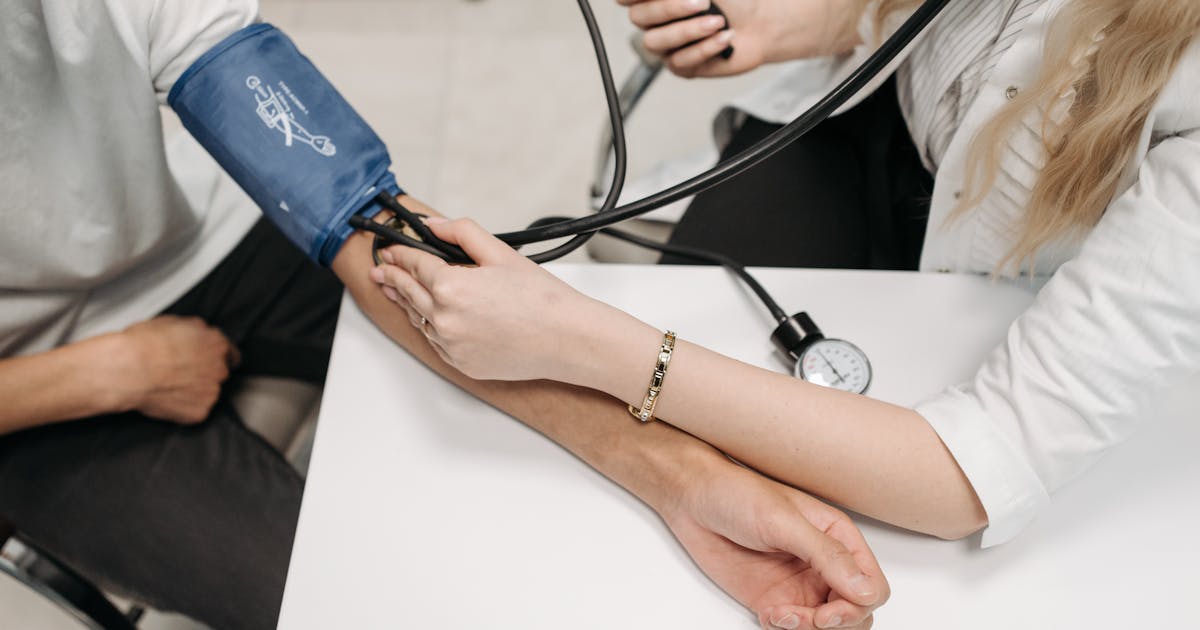
Your father insists he feels perfectly fine — no headaches, no dizziness, nothing. Then a routine check-up at the local clinic reveals his blood pressure is 160/100 mm Hg. The doctor looks concerned; your father looks confused. "But I have no symptoms," he protests. This is exactly why hypertension is called the silent killer — and why it has quietly become India's single largest cardiovascular risk factor.
The ICMR-INDIAB study estimates that over 31 crore (311 million) Indian adults have hypertension — roughly 1 in every 3 adults. More alarming, only about 1 in 4 hypertensives know they have it, and a mere 7.8% have their blood pressure under control. These are not just numbers on a research paper. They are the reason India sees over 17 lakh heart attacks and 6 lakh strokes every year, many of them preventable.
What Is Blood Pressure and How Is It Measured?
Blood pressure (BP) is the force your blood exerts against the walls of your arteries as your heart pumps it around your body. It is recorded as two numbers:
- Systolic pressure (the top number) — the pressure when your heart contracts and pushes blood out
- Diastolic pressure (the bottom number) — the pressure when your heart relaxes between beats
A reading of 120/80 mm Hg is spoken as "120 over 80." Your doctor or pharmacist measures it using a sphygmomanometer (the inflatable cuff device) or, increasingly, a digital BP monitor.
BP Categories: Know Your Numbers
| Category | Systolic (mm Hg) | Diastolic (mm Hg) | What It Means |
|---|---|---|---|
| Normal | Below 120 | Below 80 | Healthy — maintain your lifestyle |
| Elevated | 120 – 129 | Below 80 | Warning zone — lifestyle changes needed |
| Stage 1 Hypertension | 130 – 139 | 80 – 89 | Medication may be needed alongside lifestyle changes |
| Stage 2 Hypertension | 140 or higher | 90 or higher | Medication usually required — consult your doctor |
| Hypertensive Crisis | Above 180 | Above 120 | Medical emergency — seek care immediately |
Indian clinical practice guidelines define hypertension as BP ≥ 140/90 mm Hg, while international guidelines (ACC/AHA) use ≥ 130/80 mm Hg. Your doctor will decide which threshold applies based on your overall risk profile — including diabetes, kidney disease, and heart history.
Why Are Indians at Higher Risk?
India's hypertension crisis is not simply about population size. Several biological, dietary, and lifestyle factors make Indians uniquely vulnerable.
The Salt Problem
The average Indian consumes 8–12 grams of salt daily — nearly double the WHO-recommended limit of 5 grams. Papad, pickles (achar), packaged namkeen, instant noodles, and even staples like bread and biscuits are loaded with hidden sodium. South Indian diets heavy in sambar and rasam, and North Indian diets rich in papad and pickled chutneys, both contribute significantly.
The "Thin-Fat" Phenotype
Just like with diabetes, Indians tend to accumulate visceral fat (around internal organs) even at normal BMI levels. This visceral fat drives insulin resistance, inflammation, and — critically — higher blood pressure. A person who looks slim may still have dangerously high BP.
Genetic Predisposition
South Asians have a higher genetic susceptibility to cardiovascular disease. If one parent has hypertension, your risk increases by 30–40%. If both parents are hypertensive, the risk can exceed 60%.
Sedentary Lifestyles and Stress
Long IT-sector workdays, traffic-choked commutes in Bengaluru or Hyderabad, and screen-based leisure have replaced walking and physical labour. Add to this the chronic stress of urban Indian life — EMIs, job uncertainty, ageing parents — and you have a perfect recipe for sustained high blood pressure.
Tobacco and Alcohol
India has over 27 crore tobacco users (smoking and smokeless forms like gutka and khaini). Tobacco directly damages blood vessel walls, raises BP, and accelerates atherosclerosis. Alcohol consumption, especially binge drinking, causes acute BP spikes and long-term vascular damage.
Symptoms: Why Most People Miss the Warning Signs
Here is the uncomfortable truth: hypertension usually has no symptoms until it has already damaged your organs. That is why it is called the silent killer.
Some people with very high BP may experience:
- Severe headaches, especially in the morning
- Nosebleeds (epistaxis)
- Blurred or double vision
- Breathlessness on mild exertion
- Chest pain or palpitations
- Dizziness or lightheadedness
- Blood in the urine
But waiting for symptoms is dangerous. By the time these appear, damage to the heart, kidneys, brain, or eyes may already be significant. The only reliable way to detect hypertension is regular measurement.
Complications: What Uncontrolled BP Does to Your Body
Persistently high blood pressure silently damages nearly every organ system:
| Organ | Complication | Why It Matters |
|---|---|---|
| Heart | Heart attack, heart failure, enlarged heart | Indians suffer heart attacks a decade earlier than the West |
| Brain | Stroke (paralysis), TIA, vascular dementia | Stroke is India's 4th leading cause of death |
| Kidneys | Chronic kidney disease, kidney failure | Hypertension is the 2nd leading cause of CKD in India |
| Eyes | Hypertensive retinopathy, vision loss | Damage to retinal blood vessels is often irreversible |
| Blood vessels | Peripheral artery disease, aortic aneurysm | Reduced blood flow to legs, risk of rupture |
The good news? Reducing systolic BP by just 10 mm Hg cuts the risk of heart attack by 20% and stroke by 27%. Every point matters.
Getting Diagnosed: Tests Your Doctor Will Order
If your BP reading is elevated on two or more separate occasions, your doctor will likely order these tests to assess organ damage and identify secondary causes:
- Repeat BP measurement — ideally at home over 5–7 days (ambulatory monitoring)
- Blood sugar — fasting glucose and HbA1c (hypertension and diabetes frequently coexist)
- Lipid profile — cholesterol and triglycerides to assess overall cardiovascular risk
- Kidney function test (KFT) — creatinine, eGFR, and urine protein to check for kidney damage
- ECG (Electrocardiogram) — to detect heart enlargement or rhythm abnormalities
- Serum electrolytes — sodium, potassium (important if starting certain BP medications)
- Urine routine — checking for protein and albumin leakage
- Fundoscopy — eye examination to check retinal blood vessel health
These tests cost ₹1,500–₹4,000 at major Indian labs like Dr. Lal PathLabs, Thyrocare, and SRL Diagnostics. Many preventive health check-up packages include a basic hypertension workup.
Treatment: Medications Available in India
Your doctor will choose medications based on your BP level, age, other conditions (diabetes, kidney disease), and side-effect profile. Here are the main classes prescribed in India:
ACE Inhibitors — Block Angiotensin Production
| Generic Name | Popular Indian Brands | Typical Dose | Monthly Cost (approx.) |
|---|---|---|---|
| Ramipril | Cardace, Ramistar, Hopace | 2.5–10 mg/day | ₹40–₹120 |
| Enalapril | Envas, Enam | 5–20 mg/day | ₹30–₹80 |
Best for: Diabetics, post-heart attack patients, those with kidney disease. Common side effect: Persistent dry cough (affects ~15% of Indians).
ARBs (Angiotensin Receptor Blockers) — The Cough-Free Alternative
| Generic Name | Popular Indian Brands | Typical Dose | Monthly Cost (approx.) |
|---|---|---|---|
| Telmisartan | Telma, Telmikind, Sartel | 20–80 mg/day | ₹50–₹150 |
| Losartan | Losar, Covance, Losacar | 25–100 mg/day | ₹40–₹120 |
| Olmesartan | Olmy, Olmezest, Olvance | 20–40 mg/day | ₹60–₹180 |
Best for: Those who develop a cough with ACE inhibitors. Telmisartan is the most widely prescribed ARB in India, with over 50 brands available.
Calcium Channel Blockers (CCBs) — Relax Blood Vessels
| Generic Name | Popular Indian Brands | Typical Dose | Monthly Cost (approx.) |
|---|---|---|---|
| Amlodipine | Amlong, Amlip, Stamlo | 2.5–10 mg/day | ₹20–₹60 |
| Cilnidipine | Cilacar, Cilnidip | 5–20 mg/day | ₹60–₹150 |
Best for: Elderly patients, those with angina. Amlodipine is one of the cheapest and most effective BP medicines globally.
Diuretics — Remove Excess Fluid
| Generic Name | Popular Indian Brands | Typical Dose | Monthly Cost (approx.) |
|---|---|---|---|
| Chlorthalidone | Telor, Chlorthal | 6.25–25 mg/day | ₹30–₹80 |
| Hydrochlorothiazide | Aquazide, Esidrex | 12.5–25 mg/day | ₹15–₹40 |
Best for: Salt-sensitive hypertension (very common in Indians), add-on therapy.
Combination Pills — One Tablet, Two or Three Drugs
Most Indians with Stage 2 hypertension need two or more drugs. India's pharmaceutical market offers over 130 fixed-dose combinations, making it easier to take one pill instead of three:
- Telma-AM (Telmisartan + Amlodipine) — one of India's top-selling BP combinations
- Amlopres-AT (Amlodipine + Atenolol)
- Cardace-H (Ramipril + Hydrochlorothiazide)
Never start, stop, or change BP medication without your doctor's advice. These drugs need careful dose titration, and abruptly stopping beta-blockers in particular can cause dangerous rebound hypertension.
The DASH Diet — Adapted for Indian Kitchens
The DASH (Dietary Approaches to Stop Hypertension) diet is clinically proven to lower BP by 8–14 mm Hg. Here is how to adapt it for an Indian kitchen:
Foods to Increase
- Leafy greens — palak (spinach), methi (fenugreek), amaranth leaves — rich in potassium and magnesium
- Whole grains — jowar roti, bajra roti, brown rice, oats — replace maida and white rice
- Dals and legumes — moong, masoor, chana, rajma — excellent plant protein
- Low-fat dairy — buttermilk (chaas), low-fat dahi (curd), paneer in moderation
- Fruits — banana (potassium-rich), pomegranate, guava, papaya, seasonal Indian fruits
- Nuts and seeds — a handful of unsalted almonds, walnuts, flaxseeds (alsi) daily
- Spices — garlic, ginger, turmeric (haldi), jeera (cumin), ajwain — all support heart health
Foods to Reduce or Avoid
- Salt — target below 5 g/day (about 1 teaspoon). Reduce papad, pickles, packaged chips, and instant noodles
- Processed foods — packaged namkeen, biscuits, ready-to-eat meals
- Fried snacks — samosa, pakora, bhature — limit to occasional treats
- Sugary drinks — colas, packaged fruit juices, sweetened lassi
- Red meat — limit to once a week; prefer fish, chicken, or plant proteins
- Excess ghee and coconut oil — use sparingly; switch to mustard or olive oil for cooking
Practical Indian Meal Plan
| Meal | What to Eat |
|---|---|
| Breakfast | Oats upma with vegetables, or moong dal cheela with mint chutney |
| Mid-morning | A banana or handful of unsalted almonds |
| Lunch | Bajra roti + palak dal + cucumber raita + salad |
| Evening | Roasted chana or makhana (fox nuts) + green tea |
| Dinner | Brown rice pulao with mixed vegetables + masoor dal + buttermilk |
Home BP Monitoring: Your Best Investment
A home BP monitor is one of the smartest health investments an Indian family can make. It helps you:
- Track your readings over time — essential for dose adjustments
- Avoid "white coat hypertension" (BP that spikes only in a clinic due to anxiety)
- Detect "masked hypertension" (normal in clinic, high at home)
- Share accurate data with your doctor
Recommended BP Monitors in India
| Brand | Model | Price Range | Key Feature |
|---|---|---|---|
| Omron | HEM-7124 | ₹1,500–₹2,000 | Most recommended by Indian doctors |
| Omron | HEM-7156T | ₹2,500–₹3,500 | Bluetooth connectivity |
| Dr. Trust | Goldline | ₹1,000–₹1,500 | Budget-friendly, accurate |
| Dr. Morepen | BP-02 | ₹800–₹1,200 | Entry-level reliable option |
How to Measure Correctly
- Rest for 5 minutes before measuring — no talking, no phone
- Sit with feet flat on the floor, back supported, arm at heart level
- Use the upper arm cuff (wrist monitors are less accurate)
- Take 2 readings one minute apart and note the average
- Measure at the same time every day — morning before medication is ideal
- Record every reading — upload your reports to MedicalVault to track trends automatically
Keeping a digital log with MedicalVault's trend analysis helps your doctor see patterns that single clinic visits miss — morning spikes, post-meal dips, or medication timing issues.
India Hypertension Control Initiative (IHCI)
If cost is a barrier, know that the Government of India runs the India Hypertension Control Initiative (IHCI) — a programme by ICMR, the Ministry of Health, and WHO. Under IHCI:
- Free BP screening is available at Health and Wellness Centres (HWCs) across India
- Free or subsidised medications (typically Amlodipine + Telmisartan protocol) are provided
- Digital tracking via the Simple app helps community health workers follow up
- The programme is active in over 100 districts across 23 states
Ask at your nearest government primary health centre (PHC) or district hospital about IHCI services.
Lifestyle Changes That Actually Lower BP
Beyond diet, these evidence-backed changes can lower your BP by 5–15 mm Hg — sometimes enough to avoid or reduce medication:
- Walk briskly for 30 minutes at least 5 days a week — even a morning walk in your colony counts
- Lose 5–10% of body weight if overweight — every kilogram lost reduces systolic BP by about 1 mm Hg
- Limit alcohol — men should have no more than 2 standard drinks daily, women no more than 1
- Quit tobacco — both smoking and smokeless forms (gutka, khaini, paan masala). BP benefits begin within 20 minutes of your last cigarette
- Manage stress — pranayama, meditation, or even a daily 10-minute walk in a park. Chronic stress hormones directly raise BP
- Sleep 7–8 hours — poor sleep and obstructive sleep apnoea are under-recognised causes of resistant hypertension in India
- Reduce caffeine — if you drink more than 3–4 cups of chai or coffee daily, consider cutting back
When to See a Doctor Urgently
Go to the nearest hospital or call an ambulance immediately if you experience:
- BP reading above 180/120 mm Hg
- Sudden severe headache with confusion or blurred vision
- Chest pain or difficulty breathing
- Sudden weakness or numbness on one side of the body (stroke warning signs)
- Blood in the urine with high BP reading
Do not attempt to lower a hypertensive crisis at home with extra medication. This can cause a dangerous rapid drop in BP. Get emergency medical care.
Key Takeaways
- 1 in 3 Indian adults has hypertension, but only 7.8% have it under control — get your BP checked regularly
- Hypertension has no reliable symptoms — the only way to detect it is measurement. Buy a home BP monitor for your family
- Reduce salt to under 5 g/day — cut papad, pickles, packaged snacks, and hidden sodium in processed foods
- Indian-adapted DASH diet with palak, bajra, moong dal, seasonal fruits, and minimal fried foods can lower BP by 8–14 mm Hg
- Affordable medications are widely available — Amlodipine costs as little as ₹20/month, and free treatment is available under IHCI at government centres
- Track your readings digitally — upload your BP reports and lab results to MedicalVault to monitor trends, share with family through the family sharing feature, and give your doctor a complete picture at every visit
- Consult your doctor before starting or changing any medication — hypertension management is lifelong, and the right treatment depends on your complete health profile