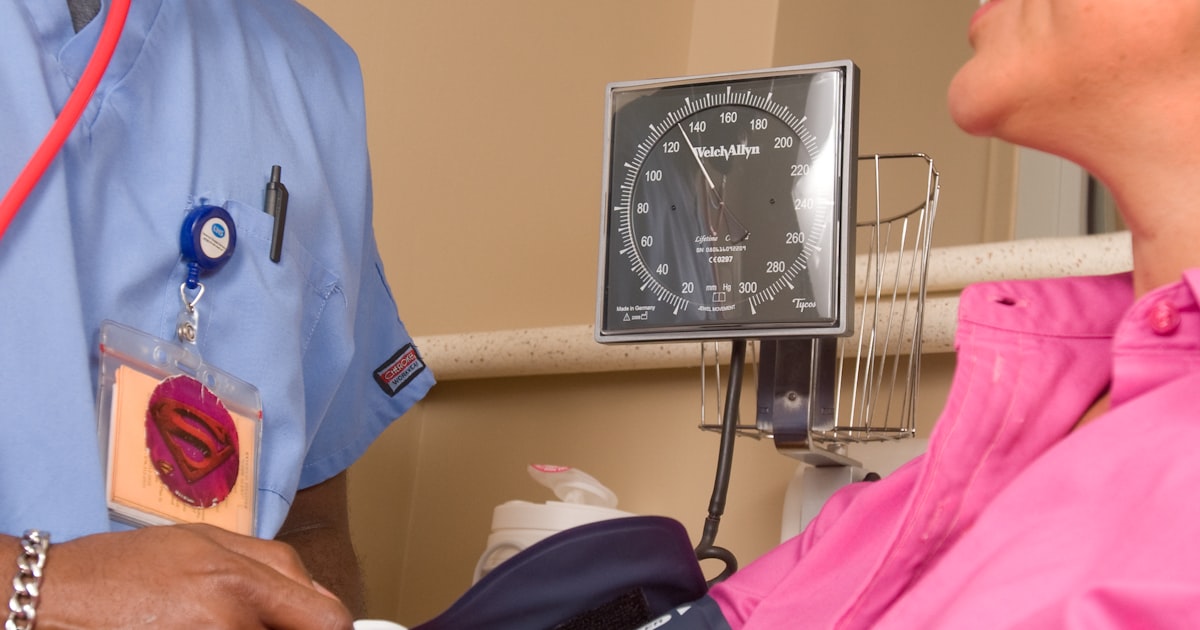
Thyroid disorders are among the most common endocrine conditions in India, yet they frequently go undiagnosed for years. An estimated 42 million Indians suffer from thyroid disease, with hypothyroidism being far more prevalent than hyperthyroidism. Women are five to eight times more likely to develop thyroid problems than men, and the prevalence increases with age.
Understanding your thyroid function tests is essential for early detection, proper treatment, and ongoing monitoring. This guide covers everything you need to know about thyroid tests, what the numbers mean, and how to manage thyroid health effectively.
What Does the Thyroid Do?
The thyroid is a small, butterfly-shaped gland located at the base of your neck, just below the Adam's apple. Despite its modest size, it plays an outsized role in your body's functioning. The thyroid produces hormones that regulate metabolism, energy production, body temperature, heart rate, and even mood.
Think of the thyroid as your body's thermostat. When it produces too little hormone (hypothyroidism), everything slows down: you gain weight, feel cold, become constipated, and experience fatigue. When it produces too much (hyperthyroidism), everything speeds up: you lose weight unexpectedly, feel anxious, experience rapid heartbeat, and may have trembling hands.
The thyroid is controlled by the pituitary gland in your brain, which releases Thyroid Stimulating Hormone (TSH) to tell the thyroid how much hormone to produce. This feedback loop is the foundation of thyroid testing.
Understanding Thyroid Function Tests
A thyroid profile typically includes several tests. Here is what each one measures and why it matters.
TSH (Thyroid Stimulating Hormone)
TSH is the single most important screening test for thyroid function. Produced by the pituitary gland, TSH acts as a messenger that tells your thyroid to produce more or less hormone. When thyroid hormone levels drop, TSH rises to stimulate the thyroid. When thyroid hormones are excessive, TSH drops.
This inverse relationship is key: high TSH usually means hypothyroidism (your thyroid is underactive, so the pituitary is shouting louder), and low TSH usually means hyperthyroidism (your thyroid is overactive, so the pituitary goes quiet).
Free T4 (Free Thyroxine)
T4 is the main hormone produced by the thyroid gland. The "free" designation refers to the portion that is unbound to proteins and therefore biologically active. Free T4 is the more accurate measure of thyroid function compared to Total T4, because it is not affected by changes in binding proteins.
Free T3 (Free Triiodothyronine)
T3 is the more potent thyroid hormone. Most T3 in your body is actually converted from T4 in peripheral tissues like the liver and kidneys. Free T3 is measured when hyperthyroidism is suspected, as T3 levels tend to rise earlier and more prominently in overactive thyroid conditions.
Total T3 and Total T4
These measure both the bound and unbound thyroid hormones. They are less reliable than free hormone measurements because binding protein levels can be affected by pregnancy, oral contraceptives, liver disease, and other conditions. Most modern thyroid assessments prefer free T3 and free T4 measurements.
Anti-TPO Antibodies (Thyroid Peroxidase Antibodies)
This test detects autoimmune thyroid disease, specifically Hashimoto's thyroiditis (the most common cause of hypothyroidism in India) and Graves' disease. Elevated Anti-TPO antibodies indicate that your immune system is attacking your thyroid gland. Even if thyroid hormone levels are currently normal, positive Anti-TPO antibodies suggest you are at higher risk of developing thyroid dysfunction in the future.
Normal Ranges
| Parameter | Normal Range | Unit |
|---|---|---|
| TSH | 0.4 – 4.0 | mIU/L |
| Free T4 | 0.8 – 1.8 | ng/dL |
| Free T3 | 2.3 – 4.2 | pg/mL |
| Total T4 | 5.0 – 12.0 | µg/dL |
| Total T3 | 80 – 200 | ng/dL |
| Anti-TPO | < 35 | IU/mL |
Important: Reference ranges vary between labs and testing methods. Always compare your results against the specific reference range printed on your lab report. Some Indian endocrinologists consider a TSH above 2.5 mIU/L as borderline in certain clinical contexts, particularly during pregnancy.
Hypothyroidism vs Hyperthyroidism
Understanding the difference between these two conditions is crucial, as they present very differently.
Hypothyroidism (Underactive Thyroid)
Hypothyroidism is far more common in India, affecting roughly 11% of the population according to various epidemiological studies. It is characterised by high TSH and low Free T4.
Common symptoms include:
- Unexplained weight gain
- Persistent fatigue and lethargy
- Feeling cold when others are comfortable
- Constipation
- Dry skin and hair loss
- Puffy face, especially around the eyes
- Heavy or irregular menstrual periods
- Brain fog and poor concentration
- Elevated cholesterol levels
- Depression
Many of these symptoms are vague and develop gradually, which is why hypothyroidism can go undiagnosed for years. In India, fatigue is often attributed to stress or lifestyle, and weight gain to dietary habits, leading to delayed diagnosis.
Hyperthyroidism (Overactive Thyroid)
Hyperthyroidism is characterised by low TSH and high Free T3/Free T4. It is less common but can be more immediately dangerous.
Common symptoms include:
- Unexpected weight loss despite good appetite
- Rapid or irregular heartbeat (palpitations)
- Anxiety, nervousness, and irritability
- Trembling hands
- Excessive sweating and heat intolerance
- Frequent bowel movements
- Bulging eyes (in Graves' disease)
- Difficulty sleeping
- Light or absent menstrual periods
Subclinical Thyroid Disease
Not all thyroid abnormalities produce obvious symptoms. Subclinical thyroid disease refers to conditions where TSH is abnormal but thyroid hormone levels (T3 and T4) remain within the normal range.
Subclinical hypothyroidism (elevated TSH, normal T4) is common and affects approximately 8-10% of Indian women over 35. Whether to treat subclinical hypothyroidism depends on the degree of TSH elevation, presence of symptoms, Anti-TPO antibody status, and cardiovascular risk factors. Your endocrinologist will weigh these factors.
Subclinical hyperthyroidism (low TSH, normal T3/T4) is less common but carries risks for heart rhythm disturbances and bone loss, particularly in older adults.
Regular monitoring is critical for subclinical conditions. With MedicalVault's trend analysis, you can track your TSH levels over time and identify whether a borderline value is stable or progressively worsening, information that helps your doctor decide when to initiate treatment.
Thyroid During Pregnancy
Thyroid health takes on special significance during pregnancy, a topic of particular importance in India where thyroid screening during pregnancy is not yet universal.
The developing baby depends entirely on the mother's thyroid hormones during the first trimester, before the fetal thyroid begins functioning around week 12. Untreated hypothyroidism during pregnancy can lead to complications including miscarriage, preeclampsia, premature delivery, low birth weight, and impaired cognitive development in the child.
Pregnancy-specific TSH targets:
- First trimester: 0.1 – 2.5 mIU/L
- Second trimester: 0.2 – 3.0 mIU/L
- Third trimester: 0.3 – 3.0 mIU/L
Indian women should ideally have their thyroid function checked before conception or as early as possible in pregnancy. Women already on thyroid medication will likely need dose adjustments, as requirements typically increase by 25-50% during pregnancy.
Gestational thyroid disorders affect a notable proportion of Indian pregnancies. Post-partum thyroiditis, where thyroid function fluctuates in the months after delivery, is also common and often overlooked.
Medications and Monitoring
Levothyroxine (Thyronorm, Eltroxin, Thyrofit)
The standard treatment for hypothyroidism is levothyroxine, a synthetic form of T4. In India, common brand names include Thyronorm, Eltroxin, and Thyrofit. Key points for medication management:
- Take it on an empty stomach, at least 30-60 minutes before breakfast, with water only.
- Avoid taking it with calcium supplements, iron tablets, or antacids, as they interfere with absorption. Maintain a gap of at least 4 hours.
- Be consistent: take the same brand at the same time daily. Switching brands without doctor guidance can cause fluctuations.
- Do not stop the medication because you feel better. Hypothyroidism usually requires lifelong treatment.
Monitoring Schedule
After starting medication or changing doses, TSH should be rechecked after 6-8 weeks. Once stable, most endocrinologists recommend testing every 6 months. Digital health tools make this monitoring easier. You can upload your thyroid reports to MedicalVault and track TSH trends over time, making it straightforward to share your history with your doctor at each visit.
Anti-thyroid Medications
For hyperthyroidism, medications such as carbimazole or methimazole are used to reduce thyroid hormone production. These require more frequent monitoring, including periodic CBC checks (as they can rarely affect white blood cell counts) and liver function tests.
Diet and Lifestyle for Thyroid Health
While medication is the cornerstone of thyroid treatment, diet and lifestyle modifications play a supporting role.
Iodine
Iodine is essential for thyroid hormone production. India introduced universal salt iodization in 1962, and the use of iodised salt has dramatically reduced iodine deficiency disorders. However, some regions and populations may still have inadequate intake. Use iodised salt in cooking, but do not over-supplement, as excessive iodine can also trigger thyroid problems.
Cruciferous Vegetables
Vegetables like cabbage, cauliflower, broccoli, and radish (mooli) contain goitrogens, substances that can interfere with thyroid function when consumed in very large quantities. However, normal cooking largely deactivates these compounds. You do not need to eliminate these nutritious vegetables; simply cook them rather than consuming large amounts raw.
Selenium
Selenium supports the conversion of T4 to T3 and may help reduce Anti-TPO antibody levels. Good dietary sources include Brazil nuts, sunflower seeds, mushrooms, and whole grains. Some Indian endocrinologists recommend selenium supplementation for patients with Hashimoto's thyroiditis.
Lifestyle Factors
- Regular exercise improves metabolism and helps manage weight, both of which are affected by thyroid dysfunction.
- Stress management is important, as chronic stress can affect thyroid function through the hypothalamic-pituitary-thyroid axis.
- Adequate sleep supports healthy hormone regulation.
- Avoid smoking, which worsens thyroid eye disease and interferes with thyroid function.
Key Takeaways
- TSH is the most important screening test for thyroid function. High TSH indicates hypothyroidism; low TSH indicates hyperthyroidism.
- Approximately 11% of the Indian population has some form of thyroid dysfunction, with women being disproportionately affected.
- Subclinical thyroid disease is common and requires regular monitoring to determine if treatment is needed.
- Thyroid screening during pregnancy is essential, as untreated thyroid conditions can affect both mother and baby.
- Take levothyroxine on an empty stomach and avoid calcium, iron, and antacids for at least 4 hours.
- Track your thyroid levels over time with digital tools like MedicalVault to identify trends and optimise treatment.
- Maintain adequate iodine intake through iodised salt, and include selenium-rich foods in your diet.
If you suspect a thyroid problem or have a family history of thyroid disease, request a thyroid profile from your doctor. Early detection and consistent monitoring are the keys to effective management. For more on managing your health records digitally, explore our features page or read our FAQ.