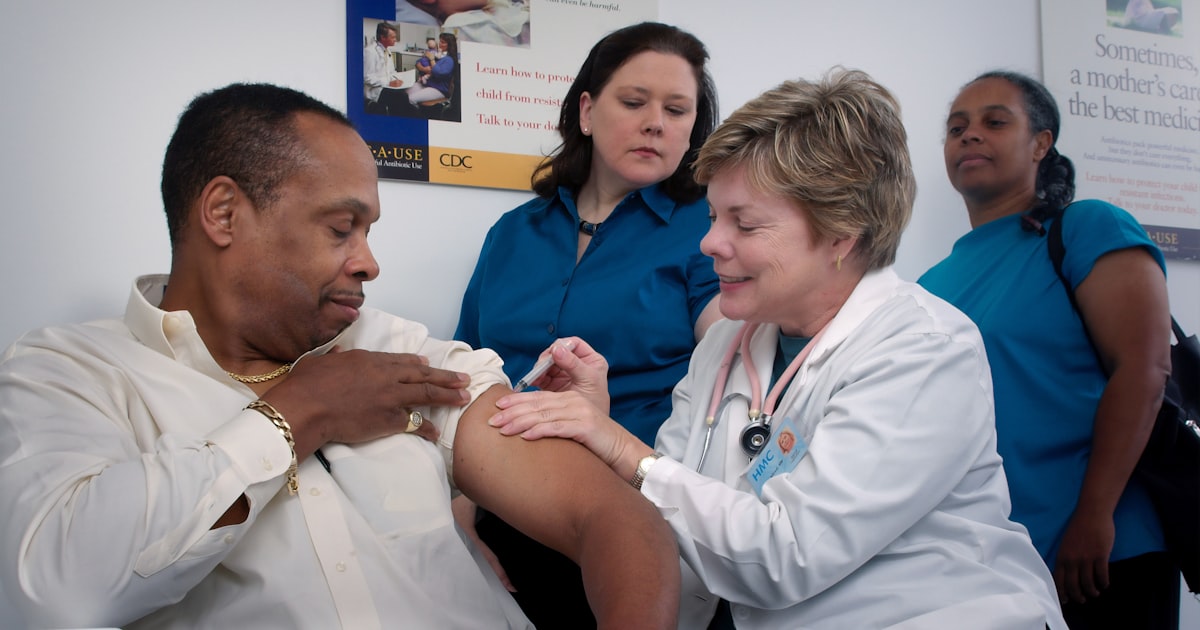
Every winter, and again during every monsoon, lakhs of Indians come down with what they call "viral fever" — a week of exhaustion, body aches, a pounding headache, and a cough that lingers for days. Most assume it is a bad cold. Many do not realise that influenza (flu) is a distinct viral illness that kills thousands of Indians every year, sends millions to hospital, and is almost entirely preventable with a single annual vaccine that most Indians have never taken.
This is everything you need to know about influenza in India — how it spreads, what it does, how to diagnose it, and why getting vaccinated this year is one of the most practical health decisions you can make.
The Flu Burden in India: Why It Matters More Than You Think
Influenza is not a trivial illness. The ICMR's National Institute of Virology (NIV), Pune — which runs India's influenza surveillance network — estimates that influenza causes 1–5 million hospitalisations in India each year. During outbreak seasons, case fatality rates for hospitalised H1N1 patients have reached 29%.
India's IDSP (Integrated Disease Surveillance Programme) tracks influenza-like illness (ILI) and severe acute respiratory illness (SARI) across 749 districts. Their data shows that influenza is consistently one of the most common respiratory pathogens identified in admitted patients.
Yet India's flu vaccination rate is staggeringly low — less than 2% of the eligible population gets vaccinated annually, compared to over 50% in countries like the UK and the US. The reasons are a mix of myths, cost barriers, and the simple fact that India's government does not include flu vaccination in its Universal Immunisation Programme (UIP).
India's Flu Seasons: Why Timing Matters Differently Here
Unlike Western countries, which have a single winter influenza peak, India has two distinct influenza peaks every year:
| Season | Peak Months | Regions Most Affected |
|---|---|---|
| Monsoon peak | July–September | Delhi, Mumbai, Pune, Lucknow, Nagpur, Kolkata, Dibrugarh |
| Winter peak | January–March | Northern temperate regions; Srinagar, parts of Himachal and Punjab |
| Post-monsoon/autumn | October–November | Southeast India (Chennai, Vellore, Hyderabad) |
This dual-peak pattern is a critical reason why standard "flu season" advice from Western sources does not apply to India. The ideal vaccination window for most Indians is April–June (before the monsoon peak) or September–October (before the winter peak in northern regions). Speak to your doctor about which timing is best for your region.
Flu vs Cold vs COVID: How to Tell the Difference
A persistent myth is that influenza is just "a bad cold." It is not. Here is how the three common respiratory illnesses compare:
| Feature | Common Cold | Influenza (Flu) | COVID-19 |
|---|---|---|---|
| Onset | Gradual (1–3 days) | Sudden — feels like being "hit by a truck" | Gradual (2–14 days) |
| Fever | Rare or mild | High (38.5–40°C), with chills | Common (often high) |
| Body aches | Mild or absent | Severe — even eye movement is painful | Mild to moderate |
| Fatigue | Mild | Profound — unable to get out of bed | Moderate to severe |
| Headache | Mild | Severe, frontal | Variable |
| Runny/stuffy nose | Prominent | Mild | Variable |
| Loss of taste/smell | No | Rare | Common |
| Cough | Mild, productive | Dry, severe | Dry, persistent |
| GI symptoms | No | Occasional vomiting in children | Possible |
Critical point for India: You cannot reliably distinguish flu from COVID by symptoms alone. Both can cause high fever, body aches, and cough. If you want to know which virus you have — and make the right treatment decision — you need a test.
Influenza Strains Currently Circulating in India (2025–2026)
For the 2025–2026 season, ICMR surveillance has identified:
- H3N2 (Influenza A) — the dominant strain; the J.2.4.1 "K variant" subclade began circulating globally from August 2025
- Influenza B Victoria lineage — saw an unusual surge in 2025, typically causing milder illness but more common in children
- H1N1 (Influenza A) — present in smaller proportions
The annual quadrivalent flu vaccine is formulated to protect against four strains simultaneously: H1N1, H3N2, and two Influenza B lineages. This is the reason vaccination must be repeated every year — the strains drift genetically, and last year's vaccine may not match this year's circulating virus.
Who Should Definitely Get the Flu Vaccine in India?
Everyone aged 6 months and older can benefit from annual flu vaccination. But the following groups face the highest risk of serious complications and should not skip it:
- Adults aged 65 and above: Elderly people have weaker immune responses and are at highest risk of flu pneumonia and death
- Children aged 6 months to 5 years: Young children — especially under 2 — are hospitalised at high rates
- Pregnant women: Flu during pregnancy raises the risk of premature birth and serious maternal illness
- People with chronic diseases: Diabetes, asthma, COPD, heart disease, chronic kidney disease, and liver disease all increase complication risk dramatically
- Immunocompromised individuals: Cancer patients on chemotherapy, transplant recipients, people on immunosuppressants, HIV patients
- Healthcare workers: Protect yourself and your patients — flu spreads rapidly in hospital settings
- Obese individuals (BMI ≥ 30): Independently associated with higher flu severity
- People caring for high-risk family members: Vaccinating caregivers ("cocooning") protects those who cannot be vaccinated themselves
Flu Vaccine Options in India: Brands, Cost, and Where to Get Them
India's flu vaccines are all inactivated (killed virus) preparations — they cannot give you the flu. All currently available vaccines are quadrivalent (QIV), protecting against four strains.
| Vaccine Brand | Manufacturer | Type | Approx. Cost (2025) |
|---|---|---|---|
| Influvac Tetra | Mylan / Viatris | Inactivated subunit QIV | ₹1,600–₹2,000 |
| Vaxigrip Tetra | Sanofi | Inactivated split virion QIV | ₹1,500–₹2,000 |
| Fluquadri | Sanofi | Inactivated QIV | ₹1,600–₹2,000 |
Where to get vaccinated:
- Private clinics and paediatricians (most common route)
- Home vaccination services like INVC (India's largest in-home vaccine network)
- Some corporate hospitals offer flu vaccination camps
- Pharmacies in select cities
Important for children:
- Children aged 6 months–8 years receiving the flu vaccine for the first time need two doses, 4 weeks apart
- After the first year, one dose annually is sufficient
Government availability: The flu vaccine is NOT part of India's Universal Immunisation Programme (UIP). It is not offered free at government health centres and must be purchased privately. This is a significant gap — advocacy groups continue to push for flu vaccine inclusion in the NIS.
How Is Flu Diagnosed in India?
Most mild flu cases are diagnosed clinically (by symptoms). But testing is important for:
- Confirming flu to guide antiviral treatment
- Ruling out COVID-19 during peak periods
- Hospitalised patients with severe respiratory illness
- High-risk patients who need prompt antiviral therapy
| Test | Purpose | Cost in India |
|---|---|---|
| Rapid Influenza Antigen Test | Quick screening; 15–30 mins | ₹250–₹1,500 |
| RT-PCR (gold standard) | Detects viral RNA; identifies H1N1, H3N2 | ₹500–₹4,000 |
| ILI Panel (Influenza A+B multiplex) | Detects and differentiates A and B simultaneously | ₹1,500–₹5,000 |
| H1N1-specific RT-PCR | For suspected H1N1/Swine flu | ₹4,000–₹17,000 |
Labs offering flu testing: ICMR-NIV Pune, Metropolis, SRL, Dr. Lal PathLabs (in major cities). Rapid antigen tests are increasingly available at clinics for quick initial assessment.
Store your flu test results and annual vaccination records on MedicalVault. It's easy to lose track of which strain year's vaccine you received — having a digital record helps your doctor plan ahead.
Antiviral Treatment for Flu: Oseltamivir in India
If you are diagnosed with influenza and are in a high-risk group, your doctor may prescribe oseltamivir (Tamiflu), an antiviral medication that reduces the duration and severity of illness.
Key facts:
- Most effective when started within 48 hours of symptom onset
- Reduces illness duration by about 1–2 days and lowers hospitalisation risk
- Cipla's Antiflu is WHO-prequalified and the most widely prescribed generic in India
- Other brands: Oseltaflu, Fluvir, Fluhalt
| Brand | Generic | Cost per 10-day course |
|---|---|---|
| Antiflu (Cipla) | Oseltamivir 75mg | ₹99–₹695 |
| Fluvir | Oseltamivir 75mg | ₹200–₹500 |
Healthy adults with mild flu do not necessarily need antivirals — rest, fluids, and paracetamol (for fever) are usually sufficient. Antivirals are most important for high-risk patients, hospitalised cases, or those with rapidly worsening symptoms.
Common Myths About the Flu Vaccine — Busted
"The flu vaccine gives you the flu." False. The vaccines used in India contain inactivated (killed) virus particles. They cannot cause flu. A sore arm or mild fatigue for 24–48 hours is your immune system responding — not an infection.
"I got the vaccine last year, so I am still protected." No. Protection from the flu vaccine wanes within months, and the circulating strains change every year. A new vaccine matched to this year's strains is needed every year.
"Influenza is not serious — it is just a cold." False. Influenza kills an estimated 3,000–5,000 people in India each year through direct pneumonia and cardiovascular complications. It hospitalises millions more. For elderly, diabetic, or immunocompromised Indians, flu can be life-threatening.
"The COVID vaccine protects me from flu." No. These are completely different viruses. COVID vaccines offer no protection against influenza.
"Healthy people do not need the vaccine." Even if you are healthy, you can spread flu to elderly parents, a newborn, or a diabetic family member. Getting vaccinated protects your household, not just yourself.
"Natural immunity from getting flu once is better." Unlike some diseases, flu immunity from natural infection does not last long and does not protect against new strains. Vaccination provides controlled, broad immunity without the risks of the disease itself.
When to Go to the Hospital
Most flu cases recover at home in 5–7 days with rest and fluids. Go to a hospital or emergency room if you or a family member develops:
- Difficulty breathing or rapid breathing
- Persistent chest pain or pressure
- Confusion, drowsiness, or inability to wake up
- Severe or persistent vomiting preventing hydration
- Fever above 104°F (40°C) that does not respond to paracetamol
- Blue lips or fingertips (sign of oxygen deprivation)
- Children: Fast breathing, ribs visible while breathing, bluish tinge, extreme lethargy
If you have diabetes, heart disease, or kidney disease, have a lower threshold for seeking care — high-risk individuals deteriorate faster with flu than healthy adults.
Practical Tips for Managing Flu at Home
- Rest completely: Flu causes real immune exhaustion; pushing through at work prolongs illness and spreads it
- Stay hydrated: Fever and sweating cause fluid loss — water, coconut water, nimbu pani, and light khichdi are all good
- Paracetamol for fever: 500–1,000mg every 6–8 hours as needed. Avoid Aspirin in children — it is associated with Reye's syndrome
- Isolate for 5–7 days: Flu is highly contagious from 1 day before symptoms until about day 5. Stay home, wear a mask around family members
- Antibiotics do not help: Flu is a viral illness. Antibiotics only work for bacterial infections. Using them unnecessarily contributes to antibiotic resistance.
Key Takeaways
- India experiences two flu peaks each year — monsoon (July–September) and winter (January–March). Vaccinate in April–June or September–October depending on your region
- Flu is NOT a cold — it causes severe body aches, high fever, and profound fatigue, and kills thousands of Indians annually
- The flu vaccine must be taken every year — strains change, and last year's vaccine does not protect against this year's virus
- Quadrivalent vaccines (Influvac Tetra, Vaxigrip Tetra) are available at private clinics for ₹1,600–₹2,000
- Flu vaccination is not in India's government schedule — access is entirely through private channels
- High-risk groups — elderly, diabetic, pregnant, immunocompromised, young children — face serious complications from flu and should prioritise vaccination
- Oseltamivir (Antiflu by Cipla) is available at ₹99–₹695 and works best if started within 48 hours
- Track your annual vaccination record and flu test results on MedicalVault's family sharing feature — especially useful when managing the health of elderly parents or young children