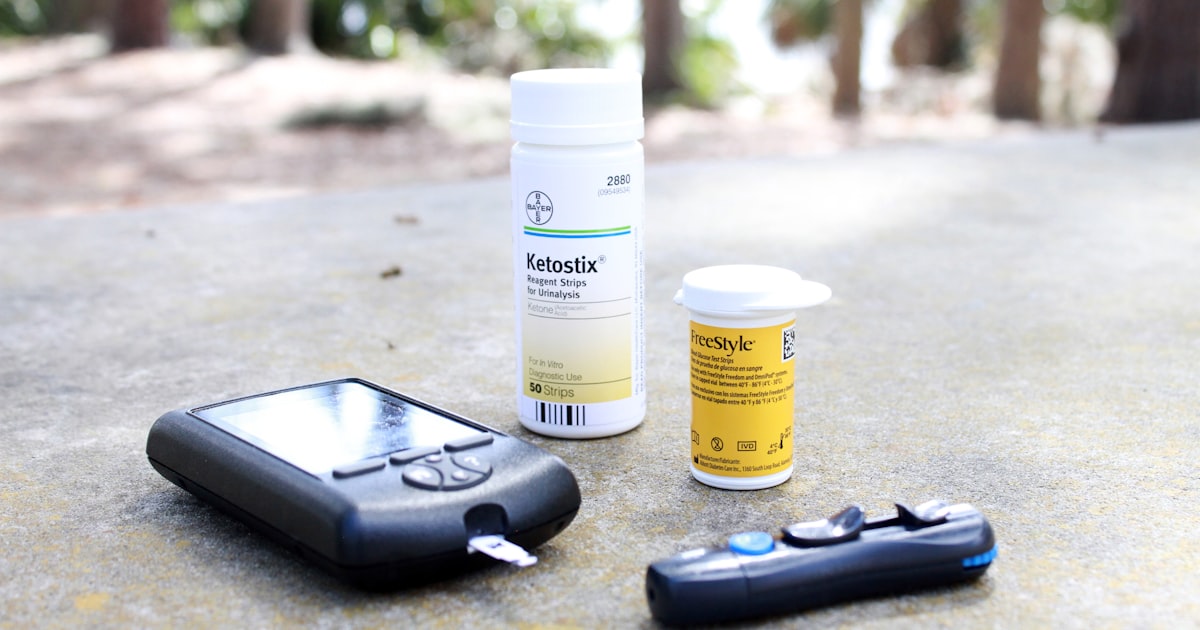
Your fasting blood sugar came back normal at 95 mg/dL. You breathe a sigh of relief — no diabetes, right? Not necessarily. Fasting glucose is a single-moment snapshot that can be influenced by what you ate last night, your stress levels that morning, or even a poor night's sleep. The HbA1c test, on the other hand, reveals your average blood sugar over the past three months, making it the gold standard for detecting diabetes and prediabetes that fasting glucose often misses.
India is in the grip of a diabetes epidemic. The ICMR-INDIAB study estimates that over 10.1 crore Indians have diabetes, while another 13.6 crore are prediabetic. Most alarmingly, nearly 47% of diabetics in India remain undiagnosed. The HbA1c test is your most reliable tool for catching this silent condition early, before it damages your kidneys, eyes, nerves, and heart.
What Is HbA1c and How Does It Work?
HbA1c (Glycated Haemoglobin) measures the percentage of haemoglobin in your red blood cells that has glucose permanently attached to it. Haemoglobin is the oxygen-carrying protein inside RBCs (for a deeper understanding of haemoglobin, read our CBC guide).
Here is the mechanism: glucose in your bloodstream naturally binds to haemoglobin through a process called glycation. The higher your average blood sugar, the more glucose attaches to haemoglobin. Since red blood cells live for approximately 90-120 days, the HbA1c value reflects your average blood glucose over that entire period.
Think of it this way: if fasting blood sugar is like checking your speedometer at one instant, HbA1c is like checking the average speed recorded by your car's trip computer over the last three months. It reveals the bigger picture that a single reading cannot.
Why HbA1c Is Superior to Fasting Glucose
| Feature | Fasting Glucose | HbA1c |
|---|---|---|
| Time window | Single moment | 2-3 months average |
| Fasting required | Yes (8-12 hours) | No |
| Affected by daily variation | High | Minimal |
| Detects post-meal spikes | No | Indirectly reflects them |
| Reliability for diagnosis | Moderate | High |
| Convenience | Must fast | Any time of day |
The American Diabetes Association (ADA), the World Health Organization (WHO), and ICMR all endorse HbA1c as a diagnostic criterion for diabetes.
HbA1c Normal Ranges and What They Mean
Understanding where your HbA1c falls is critical for knowing your diabetes risk.
| HbA1c Level | Category | What It Means |
|---|---|---|
| Below 5.7% | Normal | Blood sugar well controlled; low diabetes risk |
| 5.7% – 6.4% | Prediabetes | Elevated risk; lifestyle changes can reverse this |
| 6.5% and above | Diabetes | Diagnostic threshold for Type 2 diabetes |
The Prediabetes Window: Your Chance to Act
An HbA1c between 5.7% and 6.4% is a critical warning zone. You are not yet diabetic, but your body is already struggling to manage blood sugar efficiently. Research from the Indian Diabetes Prevention Programme shows that intensive lifestyle modification — diet, exercise, and modest weight loss — can reduce the risk of progressing to full diabetes by up to 58%.
This is the window where action has the greatest impact. Unfortunately, most Indians discover their prediabetes only accidentally, during a routine check-up or while investigating another health concern. By the time symptoms like excessive thirst, frequent urination, or blurred vision appear, diabetes is already established.
Diabetes Management Targets
If you have been diagnosed with Type 2 diabetes, your doctor will set an HbA1c target based on your individual situation:
| Patient Profile | HbA1c Target |
|---|---|
| Most adults with diabetes | Below 7.0% |
| Newly diagnosed, younger adults | Below 6.5% |
| Elderly (above 70) or those with complications | Below 8.0% |
| Pregnancy with pre-existing diabetes | Below 6.0% |
These targets are guidelines, not rigid thresholds. Your endocrinologist will personalise your target based on your age, duration of diabetes, risk of hypoglycaemia (low blood sugar episodes), kidney function, and cardiovascular health.
Why Indians Are at Higher Risk
India's diabetes burden is not merely a function of population size. Several factors make Indians uniquely susceptible.
Genetic Predisposition
South Asians have a higher genetic tendency toward insulin resistance compared to other ethnic groups. This means your body needs to produce more insulin to process the same amount of glucose. Over time, the pancreas cannot keep up, leading to elevated blood sugar and eventually diabetes.
The "Thin-Fat Indian" Phenomenon
Indians tend to accumulate visceral fat (fat around internal organs) even at relatively low body weights. A person with a BMI of 23, considered normal by Western standards, may already have significant metabolic dysfunction if their waist circumference is high. Indian-specific BMI cutoffs for overweight start at 23 (versus 25 for Western populations) and for obesity at 25 (versus 30).
Dietary Patterns
The traditional Indian diet, while rich in flavour and variety, tends to be carbohydrate-heavy. White rice consumed two to three times daily, rotis made from refined wheat flour (maida), generous helpings of potatoes, and a cultural fondness for sweets create a constant glucose load. Add to this the increasing consumption of processed foods, sugary beverages, and bakery products in urban India, and the metabolic burden becomes substantial.
Sedentary Lifestyles
Urbanisation has dramatically reduced physical activity. Long commutes by car or metro, desk-bound jobs, and screen-based leisure have replaced walking, cycling, and manual work. The ICMR-INDIAB study found that physical inactivity is an independent risk factor contributing to India's diabetes epidemic.
How Is the HbA1c Test Done?
The HbA1c test is one of the simplest blood tests you can take.
Preparation
- No fasting required: You can eat and drink normally before the test. This is a major advantage over fasting glucose tests.
- No special preparation needed: Take your regular medications as usual.
- Any time of day: The test can be done in the morning, afternoon, or evening.
The Procedure
A technician draws a small blood sample from a vein in your arm, identical to any routine blood test. The sample is sent for laboratory analysis. Results are typically available within 24-48 hours.
Cost in India
HbA1c testing is widely available across India at affordable prices:
| Lab Type | Approximate Cost |
|---|---|
| Government hospitals | Free to ₹100 |
| Local pathology labs | ₹200 – ₹400 |
| Chain labs (SRL, Thyrocare, Dr. Lal PathLabs) | ₹300 – ₹500 |
| Home collection services | ₹400 – ₹800 |
Many comprehensive diabetes panels or "diabetic profile" packages include HbA1c alongside fasting glucose, post-prandial glucose, and fasting insulin, often at a bundled price of ₹800 – ₹1,500.
How Often Should You Get Tested?
Testing frequency depends on your current diabetes status:
- No diabetes, no risk factors: Once every 3 years after age 30 (ICMR recommends screening earlier for those with family history)
- Prediabetes (HbA1c 5.7% – 6.4%): Every 6-12 months to monitor whether lifestyle changes are working
- Type 2 diabetes, well controlled: Every 3-6 months
- Type 1 diabetes or unstable control: Every 3 months
- Medication change or dose adjustment: Recheck after 3 months to assess impact
- During pregnancy: As advised by your obstetrician, typically each trimester
If you have a family history of diabetes (parent or sibling with Type 2 diabetes), start screening at age 25 rather than 30. Given India's high prevalence, erring on the side of earlier and more frequent testing is wise.
Factors That Can Affect HbA1c Accuracy
While HbA1c is highly reliable, certain conditions can give falsely high or low readings.
Conditions That May Falsely Raise HbA1c
- Iron deficiency anaemia: Very common in India, especially among women. Low iron can increase the proportion of glycated haemoglobin, giving a falsely elevated reading. Always interpret HbA1c alongside a CBC report to check haemoglobin and iron status.
- Vitamin B12 deficiency: Another widespread deficiency in India, particularly among vegetarians.
- Kidney disease (uraemia): Elevated urea levels interfere with the glycation measurement.
Conditions That May Falsely Lower HbA1c
- Recent blood loss or blood transfusion: The influx of new, non-glycated RBCs dilutes the HbA1c value.
- Haemolytic anaemia: When RBCs are destroyed faster than normal, they have less time to accumulate glucose.
- Haemoglobin variants: Conditions like sickle cell trait and thalassemia trait (relatively common in certain Indian populations) can interfere with some HbA1c testing methods.
If you have any of these conditions, inform your doctor so they can interpret your HbA1c in the proper clinical context or use alternative monitoring methods.
How to Lower Your HbA1c Naturally
Whether you are prediabetic or managing diabetes, lifestyle changes can have a profound impact on your HbA1c.
Dietary Modifications for the Indian Kitchen
The Indian diet does not need to be abandoned — it needs to be adjusted. Here are practical, India-specific changes:
Swap refined grains for whole grains and millets
- Replace white rice with brown rice, hand-pounded rice, or a 50:50 mix
- Use bajra (pearl millet), jowar (sorghum), or ragi (finger millet) rotis instead of maida or refined wheat
- Try foxtail millet (kangni) or little millet (kutki) as rice alternatives
Increase fibre with Indian staples
- Dal is your best friend — moong dal, masoor dal, chana dal, and rajma are all excellent sources of soluble fibre that slows glucose absorption
- Add methi (fenugreek) seeds or leaves to your cooking. Research shows fenugreek can modestly reduce HbA1c
- Bitter gourd (karela) has demonstrated blood sugar-lowering properties in multiple studies
Control portion sizes
- Use a smaller plate (9-inch instead of 12-inch)
- Fill half the plate with vegetables, a quarter with protein (dal, paneer, chicken, fish), and only a quarter with carbohydrates
- Avoid second helpings of rice or roti
Reduce hidden sugars
- Cut back on chai with sugar — switch to unsweetened or use a quarter teaspoon instead of two
- Limit mithai, packaged fruit juices, and biscuits
- Read labels on packaged foods for added sugars (often listed as sucrose, glucose syrup, or jaggery)
Smart cooking methods
- Prefer pressure cooking, steaming, grilling, and sautéing over deep frying
- Use measured amounts of oil (3-4 teaspoons per meal maximum)
- Choose mustard oil, rice bran oil, or sesame oil for everyday cooking
Exercise for Blood Sugar Control
Physical activity is remarkably effective at lowering HbA1c, often by 0.5% – 1.0% on its own.
- Brisk walking: 30-45 minutes daily. The easiest and most accessible exercise for Indians. Walk after dinner — post-meal walking significantly reduces blood sugar spikes.
- Resistance training: Bodyweight exercises, yoga, or light weights 2-3 times per week. Muscle mass improves insulin sensitivity.
- Yoga: Surya namaskar, pranayama, and specific asanas like dhanurasana and paschimottanasana have shown benefits for blood sugar management in Indian studies.
- Avoid prolonged sitting: Stand and walk for 5 minutes every hour if you have a desk job.
Weight Management
Losing even 5-7% of body weight (3.5-5 kg for a person weighing 70 kg) can reduce HbA1c by 0.5% or more and significantly lower the risk of progressing from prediabetes to diabetes. Focus on waist circumference rather than BMI: aim for below 90 cm (men) and 80 cm (women).
Sleep and Stress
- Poor sleep (less than 6 hours) increases insulin resistance. Aim for 7-8 hours.
- Chronic stress elevates cortisol, which directly raises blood sugar. Practice stress management through meditation, pranayama, or any activity that relaxes you.
Common Medications for Diabetes in India
If lifestyle changes alone are insufficient, your doctor may prescribe medication. Here are the commonly used drugs in India:
| Medication | Common Indian Brands | How It Works |
|---|---|---|
| Metformin | Glycomet, Glyciphage, Obimet | Reduces liver glucose production; first-line therapy |
| Glimepiride | Amaryl, Glimisave | Stimulates pancreas to produce more insulin |
| Glipizide | Glucotrol | Similar to glimepiride |
| Vildagliptin | Galvus, Zomelis | Enhances the body's own insulin response |
| Empagliflozin | Jardiance | Removes excess glucose via kidneys; also protects heart |
| Insulin | Lantus, Huminsulin, Actrapid | Directly supplies insulin when the body cannot produce enough |
Important: Never self-medicate or adjust doses without consulting your doctor. Diabetes medications must be tailored to your individual profile, kidney function, and other health conditions.
Tracking HbA1c Over Time
A single HbA1c value tells you where you stand today. But the real power comes from tracking your HbA1c over multiple tests — watching whether your values are improving, stable, or worsening over months and years.
With MedicalVault's trend analysis, you can upload your lab reports and automatically track your HbA1c alongside related parameters like fasting glucose, post-prandial glucose, and cholesterol levels. The visual trend charts make it immediately obvious whether your dietary changes, exercise routine, or medication adjustments are actually working.
This is especially valuable during doctor consultations. Instead of vaguely recalling previous readings, you can share your complete diabetes trend report with your endocrinologist, enabling more precise treatment decisions.
For families managing diabetes across generations — a common reality in Indian households — the family sharing feature lets you monitor your parents' HbA1c trends remotely, ensuring they stay on track even when you are in a different city.
HbA1c and Related Tests: The Complete Picture
HbA1c does not work in isolation. Your doctor may order it alongside other tests to build a comprehensive metabolic picture:
- Fasting Blood Sugar (FBS): Confirms the HbA1c finding; helps calibrate medication
- Post-Prandial Blood Sugar (PPBS): Measures sugar 2 hours after a meal; reveals post-meal spikes
- Fasting Insulin: Assesses insulin resistance before diabetes develops
- Lipid Profile: Diabetes significantly increases cardiovascular risk. Track cholesterol alongside blood sugar — see our lipid profile guide
- Kidney Function Tests (Creatinine, Urea): Diabetes can damage kidneys over time; regular monitoring is essential
- Urine Microalbumin: Detects early kidney damage from diabetes
- Thyroid Profile: Thyroid dysfunction and diabetes frequently coexist — see our thyroid guide
Key Takeaways
- HbA1c measures your average blood sugar over 3 months and is the gold standard for diabetes diagnosis and monitoring. Unlike fasting glucose, it requires no fasting and is less affected by daily fluctuations.
- Normal HbA1c is below 5.7%, prediabetes is 5.7% – 6.4%, and diabetes is diagnosed at 6.5% or above. Indians should be tested regularly given the high genetic and lifestyle risk.
- Nearly 47% of diabetics in India are undiagnosed. Regular HbA1c screening after age 30 (or 25 with family history) can catch the condition early when lifestyle changes are most effective.
- Indian-specific dietary changes — millets instead of refined grains, generous dal and vegetables, controlled oil use, and reducing sugar in chai and sweets — can meaningfully lower HbA1c.
- Exercise, particularly post-meal walking and resistance training, can reduce HbA1c by 0.5% – 1.0% independently.
- Iron deficiency anaemia and vitamin B12 deficiency (both common in India) can affect HbA1c accuracy. Always interpret HbA1c alongside a CBC report.
- Track your HbA1c over time using MedicalVault to visualise trends, share reports with your doctor, and manage your family's diabetes risk from a single dashboard.
Understanding your HbA1c is not just about knowing a number — it is about understanding your body's relationship with glucose over time. Whether you are preventing diabetes, catching prediabetes early, or managing an existing diagnosis, this single test gives you the clearest window into your metabolic health. Discuss your results with your physician, and visit our features page to see how MedicalVault can help you stay on top of your health journey.