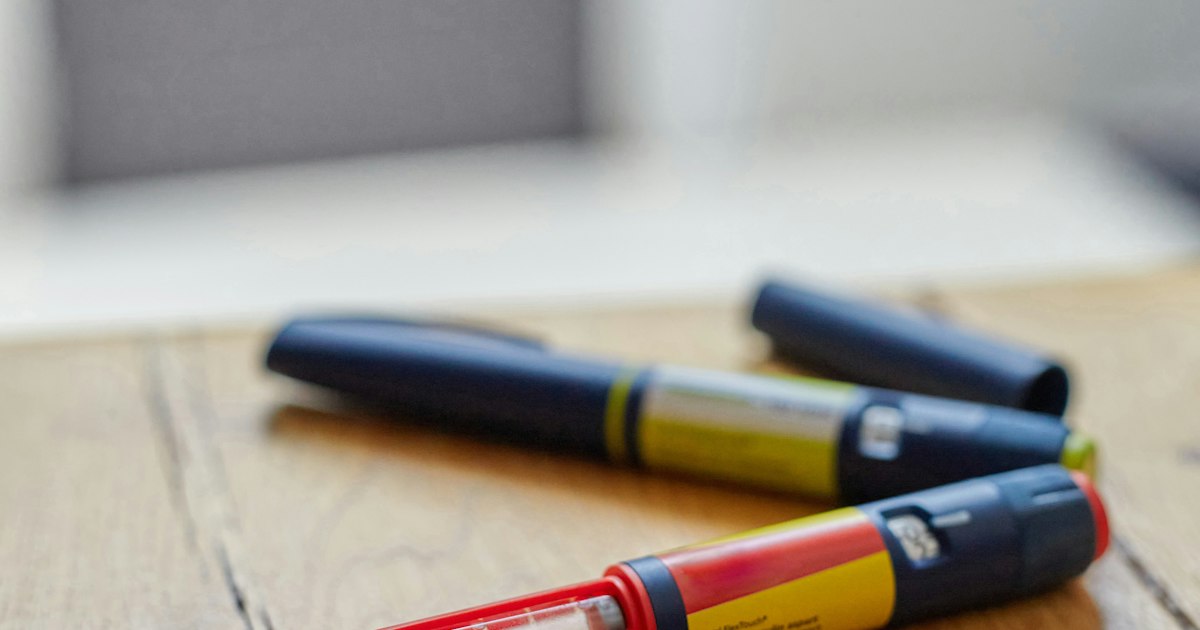
"Doctor, please give me one more tablet, but not insulin." Few sentences are heard more often in Indian diabetes clinics. For many families, insulin still carries the stigma of being the "last stage" of diabetes, something that damages kidneys or that you get "addicted" to. Yet insulin is the oldest, best-studied and often the cheapest diabetes medicine we have, and for millions of Indians it is the treatment that keeps them out of hospital.
With an estimated 10.1 crore Indians living with diabetes and another 13.6 crore with prediabetes (ICMR-INDIAB study, published in The Lancet Diabetes & Endocrinology, 2023), the number of people who will need insulin at some point is enormous. Using insulin well in India comes with its own challenges: two different insulin strengths (U-40 and U-100) on pharmacy shelves, summer temperatures above 40°C, frequent power cuts, needle reuse to save money, and a confusing mix of brands. This World Diabetes Day guide explains the types of insulin, how pens and syringes differ, how to store insulin safely in Indian heat, injection technique, costs and the myths that keep people from starting treatment on time.
Who Needs Insulin?
Insulin is a hormone made by the pancreas that lets glucose enter the body's cells. People need insulin injections when their own production is absent or not enough.
- Type 1 diabetes: Insulin is life-saving and needed from day one, as explained in our type 1 diabetes in children guide. Many young Indians are still misdiagnosed as type 2; a C-peptide test helps tell them apart.
- Type 2 diabetes: Insulin may be started when tablets no longer keep HbA1c at target, when HbA1c is very high at diagnosis (often above 10%) with symptoms such as weight loss, during severe illness, surgery or hospital stays, or when kidney or liver disease limits tablet choices.
- Gestational diabetes: When diet and exercise are not enough during pregnancy, insulin is the most commonly used treatment. See our gestational diabetes guide.
- Temporary use: Infections, steroid treatment and surgery can push sugars up, and short-term insulin is often used until things settle.
Starting insulin is not a failure and not the "end stage". Type 2 diabetes is progressive, and the insulin-producing cells gradually wear out over years. Many people who start insulin early, get their sugars controlled and lose weight are later able to reduce the dose. Your doctor will decide what is right for you; your HbA1c test results are usually the key guide.
Types of Insulin Available in India
Insulins are grouped by how fast they start working and how long they last.
| Type | Generic name | Common Indian brands | Starts working | Peak | Lasts |
|---|---|---|---|---|---|
| Rapid-acting | Insulin aspart, lispro, glulisine | NovoRapid, Humalog, Apidra | 10-20 min | 1-2 hours | 3-5 hours |
| Short-acting (regular) | Regular human insulin | Actrapid, Huminsulin R, Insugen R | 30-60 min | 2-4 hours | 6-8 hours |
| Intermediate-acting | NPH (isophane) insulin | Insulatard, Huminsulin N, Insugen N | 1-2 hours | 4-10 hours | 12-16 hours |
| Long-acting (basal) | Insulin glargine | Lantus, Basalog, Glaritus | 1-2 hours | Minimal peak | About 24 hours |
| Ultra-long-acting | Insulin degludec | Tresiba | 30-90 min | No peak | Over 42 hours |
| Premixed (human) | 30% regular + 70% NPH | Human Mixtard 30, Huminsulin 30/70, Insugen 30/70 | 30-60 min | Dual | 12-16 hours |
| Premixed (analogue) | Aspart or lispro mixes | NovoMix 30, Humalog Mix 25/50 | 10-20 min | Dual | 12-16 hours |
| Co-formulation | Degludec + aspart | Ryzodeg | 10-20 min | Dual | Over 24 hours |
Times are approximate and vary between people. Brand availability changes; some human insulin presentations are being phased out by manufacturers, so speak to your doctor early if your usual brand becomes hard to find.
A newer once-weekly basal insulin, insulin icodec (Awiqli), has also been launched in India. It is suitable only for selected adults with type 2 diabetes and needs careful supervision by your doctor.
Common insulin regimens in India
- Basal insulin plus tablets: One injection of glargine or degludec at a fixed time daily, usually the first step in type 2 diabetes.
- Premixed twice daily: Very popular in India because Indian meals are often carbohydrate-heavy (rice, roti, idli) and twice-daily premix before breakfast and dinner is simple to follow.
- Basal-bolus: One long-acting insulin plus rapid-acting insulin before each meal. This is the standard for type 1 diabetes and offers the most flexibility.
Timing matters
Regular human insulin and human premixes are usually injected about 30 minutes before a meal. Rapid-acting analogues (NovoRapid, Humalog) and analogue premixes are taken just before or within 15 minutes of starting a meal. Taking regular insulin and then delaying your meal is a classic cause of low blood sugar.
U-40 vs U-100: The Mistake That Is Unique to India
India is one of the few countries where insulin is still sold in two strengths:
| Strength | Units per mL | Typically sold as | Matching syringe |
|---|---|---|---|
| U-40 | 40 units/mL | 10 mL vials of human insulin | U-40 syringe (traditionally red cap) |
| U-100 | 100 units/mL | Pens, cartridges, and many vials | U-100 syringe (traditionally orange cap) or pen |
Using the wrong syringe is dangerous. Drawing U-100 insulin into a U-40 syringe delivers 2.5 times the intended dose, which can cause severe hypoglycaemia. Doing the opposite gives you only 40% of your dose, and your sugar stays high.
Practical safety rules:
- Always check the strength printed on the vial (40 IU/mL or 100 IU/mL) and the syringe label before every purchase
- Never draw insulin from a pen cartridge using a syringe unless your doctor has specifically taught you how
- When the chemist gives a "substitute" brand, double-check the strength
- Write your insulin name, strength and dose on a card at home, especially for elderly parents and their caregivers
Pens vs vials and syringes
| Feature | Vial and syringe | Insulin pen |
|---|---|---|
| Cost | Lowest (human insulin is price-controlled) | Higher |
| Dose accuracy | Depends on eyesight and skill | Dial-a-dose, more accurate |
| Ease for elderly | Harder with poor vision or tremor | Easier |
| Portability | Bulky | Fits in a pocket |
| Needles | Separate syringes | Pen needles (4 mm or 5 mm recommended for most adults) |
How to Store Insulin in Indian Heat
Insulin is a protein and is damaged by heat, direct sunlight and freezing. Indian summers make storage a real concern.
Standard storage rules
- Unopened insulin: Store in the refrigerator at 2-8°C, in the door or the vegetable tray. Never in the freezer, and never touching the cooling plate. Frozen insulin must be thrown away even after it thaws.
- In-use vial or pen: Can be kept at room temperature below 30°C for about 28 days (some insulins, such as degludec, allow longer; check the leaflet). Write the opening date on the vial or pen.
- Do not refrigerate an in-use pen with the needle attached; remove the needle after every injection.
- Discard insulin that looks cloudy when it should be clear (glargine, regular, rapid-acting), has clumps or crystals, or has changed colour. NPH and premixes are normally cloudy and should look uniformly milky after gentle rolling.
What if you do not have a fridge, or the power keeps going?
This is a reality for many Indian households. A real-world study from Nagpur (Pendsey and colleagues, The Lancet Diabetes & Endocrinology, 2023) stored insulin with families during summer without refrigeration. It found that keeping insulin in an earthen pot (matka) cooled by water lowered storage temperatures by an average of about 2.6°C compared with an open box, and insulin potency stayed acceptable for up to two months in the study. The researchers called it a pilot study needing larger confirmation, so do not stretch the 28-day rule without your doctor's advice, but a clay pot is a sensible option where refrigeration is unreliable.
Travel tips
- Carry insulin in your hand luggage on flights and trains; the cargo hold can get too cold or too hot
- Use an insulin cooling wallet or pouch (evaporative gel pouches are widely available online in India)
- Never leave insulin in a parked car, on a dashboard, or in a bag in direct sun
- Carry a doctor's prescription and spare supplies, plus a glucose source for low sugars
Injection Technique: Small Details, Big Difference
Good technique is as important as the right dose.
- Sites: Abdomen (at least two finger-widths away from the navel), front and outer thighs, back of the upper arms, and upper outer buttocks. The abdomen absorbs fastest.
- Rotate sites: Move around within an area in a systematic pattern. Injecting into the same spot causes lipohypertrophy, soft fatty lumps under the skin. Insulin absorbs erratically from these lumps, leading to unexplained highs and lows. Indian clinic studies report lipohypertrophy in a large share of insulin users, often linked to needle reuse and poor rotation. Ask your doctor or diabetes educator to examine your injection sites at every visit.
- Needles are single-use: Reusing pen needles or syringes to save money is common in India, but reused needles become blunt and bent, cause pain and bleeding, and increase lipohypertrophy.
- Short needles: 4 mm pen needles inserted at 90 degrees are suitable for most adults, including those who are overweight. Children and very thin adults may need a pinched skin fold.
- Hold for 10 seconds after pressing the pen plunger fully, so the full dose is delivered.
- Disposal: Put used needles in a thick plastic bottle with a lid (an empty detergent or shampoo bottle works) and hand it to your clinic or hospital for disposal, rather than throwing loose needles in household garbage.
Monitoring, Costs and Common Myths
Monitoring while on insulin
- Home glucose testing with a glucometer: frequency depends on your regimen. Basal-only users may test fasting sugar daily; basal-bolus users test before meals and at bedtime
- HbA1c every 3 months until stable, then every 3-6 months
- Continuous glucose monitors (CGMs) are increasingly affordable in India and very useful for insulin users, as covered in our CGM guide
- Kidney function, eye check and foot examination every year
Logging readings and lab results over months is where patterns emerge. When you upload your reports to MedicalVault, MedicalVault's trend analysis charts your HbA1c, fasting sugar and kidney markers over time, making dose-adjustment conversations with your doctor much easier.
What does insulin cost in India?
- Human insulin (regular, NPH and 30/70 premix) is under NPPA price control. The 2023 ceiling price for 40 IU/mL insulin was about ₹17 per mL, making a 10 mL vial one of the cheapest diabetes treatments available.
- Insulin glargine biosimilars have brought prices down sharply. A published Indian review estimated that a person using 30 units a day spends roughly ₹700-1,000 per month on biosimilar glargine versus about ₹2,500 for the originator brand.
- Analogue pens and newer insulins (degludec, icodec, analogue premixes) cost more.
- Government hospitals and NCD clinics in many states provide insulin free or at low cost, and Jan Aushadhi Kendras stock affordable options. Our generic medicines guide explains how to find them.
Ask your doctor whether a biosimilar or human insulin would work for you if cost is a concern. Do not switch brands or types on your own, as doses are not always interchangeable.
Myths vs facts
| Myth | Fact |
|---|---|
| "Insulin damages the kidneys." | Uncontrolled high sugar damages kidneys. Insulin protects them by controlling sugar. People with kidney disease are often put on insulin because it is safe for them. |
| "Once you start insulin, you can never stop." | In type 2 diabetes, insulin can sometimes be reduced or stopped if sugars improve. In type 1, it is always needed. |
| "Insulin is addictive." | Insulin is a natural hormone, not a habit-forming drug. |
| "Insulin means my diabetes is the worst kind." | It simply means your body needs more help. Early insulin often preserves your own pancreas function. |
| "Injections are very painful." | Modern 4 mm pen needles are thinner than most blood-test lancets; most people feel very little. |
| "Insulin causes weight gain, so I should skip doses." | Some weight gain can occur, but skipping doses is dangerous. Discuss diet and dose with your doctor. |
Key Takeaways
- Insulin is a safe, well-proven treatment, not a "last stage". It is essential in type 1 diabetes and frequently needed in type 2 and gestational diabetes.
- India sells insulin in U-40 and U-100 strengths; always match the syringe to the vial, as a mismatch can cause a 2.5-fold overdose.
- Know your insulin type: regular insulin is taken about 30 minutes before meals, while rapid-acting analogues are taken just before eating.
- Store unopened insulin at 2-8°C (never frozen) and in-use insulin below 30°C for about 28 days; a water-cooled clay pot helps where refrigeration is unreliable.
- Rotate injection sites, use a fresh short needle each time, and ask your doctor to check for lipohypertrophy lumps.
- Human insulin is price-controlled and biosimilar glargine costs far less than originator brands; government clinics and Jan Aushadhi Kendras can reduce costs further.
- Track HbA1c, home sugars and kidney tests over time. MedicalVault keeps every report in one place, and its family sharing lets caregivers help elderly parents manage their insulin safely.