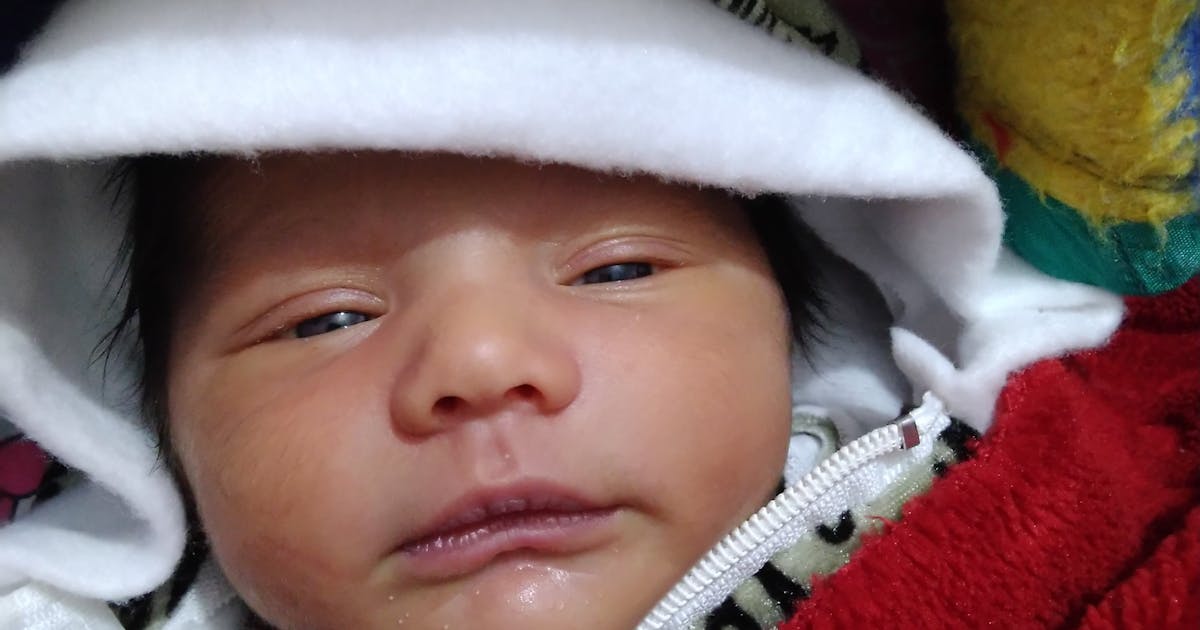
Your eight-year-old has been drinking water non-stop, wetting the bed again, and losing weight despite eating more than usual. The paediatrician orders a fasting blood sugar — it reads 320 mg/dL. By the next morning your child is admitted to a paediatric ICU with diabetic ketoacidosis, and a word you barely understood yesterday now defines the rest of their life: Type 1 Diabetes.
India today carries the largest burden of childhood Type 1 Diabetes (T1D) in South-East Asia. The Indian Council of Medical Research (ICMR) registry estimates roughly 95,600 Indian children below the age of 14 are living with T1D, and the incidence is climbing 3 to 5 percent every year. Unlike Type 2 diabetes, which is the version most Indian families know, Type 1 has nothing to do with diet or weight. It is an autoimmune condition that strikes without warning, and managing it well is a daily, lifelong commitment for the whole family.
What Type 1 Diabetes Actually Is
In Type 1 Diabetes, the body's own immune system attacks and destroys the beta cells in the pancreas — the cells whose only job is to produce insulin. Without insulin, glucose cannot enter the body's cells for energy, so it builds up in the blood while the cells starve. Children become hungry, thirsty, and exhausted as their body begins burning fat for fuel, producing acidic ketones that can be life-threatening.
This is fundamentally different from Type 2 diabetes:
| Feature | Type 1 Diabetes | Type 2 Diabetes |
|---|---|---|
| Cause | Autoimmune destruction of beta cells | Insulin resistance and beta-cell exhaustion |
| Age at onset | Usually under 20 (peaks at 5-7 and 11-14) | Usually adults, increasingly young Indians |
| Body weight | Normal or thin at diagnosis | Often overweight |
| Insulin dependency | Lifelong, from day one | May start with tablets and lifestyle change |
| Family history | Weak link, can occur out of nowhere | Strong genetic predisposition |
| Lifestyle role | None in causing the disease | Major role |
A common, painful misconception in India is that the child or family did something wrong to cause T1D. They did not. No amount of jaggery, sweets, or sedentary behaviour causes Type 1. It is no one's fault.
Why India Sees More Childhood T1D Than People Realise
For decades, T1D was thought of as a "Western" disease. The data tell a different story.
- The ICMR Young Diabetes Registry, started in 2006, has documented thousands of new T1D cases across major Indian cities.
- Karnataka alone reports an incidence of 17.93 cases per 100,000 children, while Karnal in Haryana shows 10.2 per 100,000 — figures comparable to many European countries.
- Children from families with no history of diabetes can develop T1D, and roughly 65 percent of paediatric cases in India are still diagnosed only after the child has slipped into diabetic ketoacidosis (DKA) — a medical emergency.
The reasons for this delayed diagnosis are familiar to any Indian parent: symptoms get blamed on heat, exam stress, viral fevers, or "growth phase" issues. Many smaller towns lack paediatric endocrinology services, so children are first treated for dehydration or gastric problems before someone checks a sugar level.
Warning Signs Every Indian Parent Must Know
The classic four signs of childhood T1D — sometimes called the 4 Ts — appear over weeks, not months. If you notice more than one of these in your child, please do a finger-prick blood sugar test the same day.
- Toilet — passing urine very frequently, including bedwetting in a previously dry child
- Thirsty — drinking far more water than usual, waking up at night to drink
- Tired — unusual exhaustion, sleeping during the day, irritability
- Thinner — losing weight despite eating well, clothes suddenly loose
Other red flags include fruity-smelling breath (acetone from ketones), heavy or rapid breathing, vomiting that will not stop, abdominal pain, blurred vision, and recurrent fungal or skin infections. In small children, the only sign may be a sudden change in mood and refusal to feed.
If your child shows these symptoms, do not wait for the next morning. Drive to the nearest hospital with a paediatric emergency facility and ask specifically for a blood sugar and urine ketone check.
How Type 1 Diabetes Is Diagnosed
Diagnosis is straightforward when it is considered. The Indian doctor typically orders:
- Random blood sugar — a value of 200 mg/dL or above with classical symptoms is diagnostic
- Fasting blood sugar — 126 mg/dL or above on two occasions
- HbA1c — 6.5 percent or above (read more in our HbA1c guide)
- Urine ketones and blood ketones — to rule out DKA
- C-peptide — a low value confirms the body is making little or no insulin
- GAD-65, IA-2, and ZnT8 autoantibodies — positive results confirm the autoimmune cause and distinguish T1D from rare monogenic diabetes
For a wider view of how blood sugar tests work, our blood sugar tests guide explains the differences between fasting, post-prandial, and random testing.
The 2024 ISPAD (International Society for Pediatric and Adolescent Diabetes) guidelines now recommend antibody screening even before symptoms appear in children with a strong family history, because catching T1D in the pre-symptomatic stages can prevent the dangerous DKA presentation entirely.
The Daily Reality: Insulin, Carbs, and Numbers
Type 1 Diabetes is managed with insulin replacement, period. There is no Ayurvedic, homeopathic, or dietary cure, and any clinic claiming otherwise is misleading desperate parents. Reliable management rests on four pillars.
Insulin Therapy
Most Indian children on T1D follow a basal-bolus regimen: a long-acting insulin (Lantus, Basalog, Tresiba) once a day to cover background needs, plus a rapid-acting insulin (NovoRapid, Apidra, Humalog) before each meal. Typical insulin requirements are 0.5 to 1.0 units per kilogram per day, adjusted constantly as the child grows.
Most families inject 4 to 5 times a day with insulin pens. Insulin pumps (Medtronic, Tandem) are increasingly available in metro cities at a one-time cost of ₹2.5 to 6 lakh, with monthly consumables of ₹4,000 to 8,000. Pumps deliver insulin continuously, mimic the pancreas more closely, and reduce hypoglycaemia, but they are not a cure and still need active monitoring.
Glucose Monitoring
Old-fashioned finger-prick glucometers (Accu-Chek, OneTouch, Contour) cost ₹800 to 2,500 with strips at ₹15 to 25 each. A child needs 6 to 10 checks daily, which adds up.
Continuous Glucose Monitors (CGMs) like Abbott FreeStyle Libre 2, Dexcom G7, and Medtronic Guardian are now changing T1D care in India. A 14-day FreeStyle Libre sensor costs around ₹4,500 to 5,500. CGMs reduce finger pricks dramatically, alert parents during the night when sugars drop dangerously, and produce trend data that takes the guesswork out of dose adjustments. Sharing these trends with a wider care team — paediatrician, dietician, and family — is exactly the kind of long-term tracking MedicalVault's trend analysis is built for.
Carbohydrate Counting
The Indian diet is heavily carbohydrate-driven, and dose accuracy depends on knowing roughly how many grams of carbohydrate each meal contains. A typical insulin-to-carbohydrate ratio in Indian children is 1 unit of rapid insulin per 10 to 15 grams of carbs. One medium chapati has 15 grams of carbs, one katori of dal-chawal about 30 grams, and a glass of mango lassi can hit 40 grams. Most paediatric diabetes centres offer carb-counting workshops for parents — they are essential.
Exercise and Sick Days
Sport, dance, and outdoor play are encouraged and safe with planning. Insulin doses or extra snacks need adjustment around physical activity. On sick days, when fever or infection raises sugars and ketones, the family must check ketones every 2 to 4 hours and contact the doctor early.
Hypoglycaemia: The Other Emergency
While DKA gets all the attention at diagnosis, hypoglycaemia (low blood sugar, below 70 mg/dL) is the daily threat once a child is on insulin. Symptoms include shakiness, sweating, sudden hunger, irritability, drowsiness, and — at severe levels — seizures or unconsciousness.
Every Indian household with a T1D child should keep three things accessible at all times:
- Fast sugar — glucose tablets, fruit juice, or honey for mild lows
- A glucagon kit (Eli Lilly's GlucaGen, around ₹1,500) for emergency use if the child is unconscious or vomiting
- A clear emergency plan — printed, shared with school, grandparents, and any caregiver
Schools, Stigma, and Mental Health
Indian schools are still catching up on managing children with T1D. Parents have a legal right under the Rights of Persons with Disabilities Act, 2016 — which classifies T1D as a disability — to expect reasonable accommodations: permission to check sugars and inject insulin in class, access to snacks during exams, and storage for insulin pens. The Juvenile Diabetes Foundation India and Diabetes India have model school letters that parents can share with administrators.
Psychological strain on the child, the parents, and siblings is real and often invisible. Studies from AIIMS Delhi and CMC Vellore show that 25 to 30 percent of Indian adolescents with T1D experience clinical anxiety or depression. Watch for diabetes burnout — refusing to check sugars, skipping insulin, withdrawal — and seek help early. Counselling is now available through groups like the Blue Circle Diabetes Foundation and several state-level T1D networks.
What It Costs an Indian Family
Without subsidies, the typical out-of-pocket cost of managing T1D in India runs ₹15,000 to 40,000 per month for insulin, strips, pens, and consumables — often more if a pump or CGM is involved. The good news is that meaningful financial support now exists.
- Ayushman Bharat PM-JAY covers in-patient hospitalisation including DKA admissions for eligible families. Read our Ayushman Bharat guide for eligibility.
- State T1D programmes: Gujarat's Charotar Arogya Mandal, Kerala's MITHRA, Tamil Nadu's CMCHIS, and Karnataka's free-insulin scheme provide insulin, glucometers, and strips free or heavily subsidised for children with T1D.
- Private health insurance now must cover diabetes from day one as per IRDAI 2020 guidelines, but coverage of CGM and pump consumables is still patchy — read the fine print.
- NGOs: Changing Diabetes in Children (CDiC) by Novo Nordisk, the Public Health Foundation of India's T1D programme, and local Lions and Rotary chapters provide insulin and supplies in many districts.
Keeping every prescription, lab report, hospital discharge summary, and pump downloaded log in one secure place is non-negotiable for a chronic condition like this. Many parents tell us they switched to MedicalVault precisely because endocrine consults often need years of context: HbA1c trends, growth charts, antibody panels, and DKA hospitalisation records that no folder under the bed can keep organised. Family sharing lets one parent upload reports and the other access them instantly during a clinic visit.
Living Well With T1D: What the Numbers Say
A child diagnosed with T1D in India today has a far brighter outlook than even ten years ago. With consistent care, target HbA1c below 7 percent, time-in-range above 70 percent on a CGM, and regular screening for complications (kidney function, eye exams, thyroid, coeliac), most can expect a near-normal life expectancy.
Indian role models are changing the narrative. Wasim Akram, the Pakistani cricketer, has lived with T1D since age 30. Indian endurance athletes, classical musicians, and IIT graduates living with T1D from childhood are increasingly visible. The condition does not limit ambition — it simply demands respect.
Key Takeaways
- Type 1 Diabetes is an autoimmune disease, not caused by diet, sweets, or laziness. It strikes around 95,600 Indian children today and rises 3 to 5 percent every year.
- Watch for the 4 Ts in your child — Toilet, Thirsty, Tired, Thinner. A finger-prick blood sugar can rule it in or out within minutes.
- Around 65 percent of Indian children are diagnosed only after a DKA emergency. Earlier suspicion saves lives and ICU admissions.
- Treatment is lifelong insulin, ideally with carbohydrate counting, structured education, and CGM where affordable. There is no diet, supplement, or alternative therapy that replaces insulin.
- State T1D programmes, Ayushman Bharat, and NGOs like CDiC make care affordable for many families. Ask your paediatric endocrinologist about local schemes.
- Anxiety, depression, and "diabetes burnout" affect 1 in 4 Indian adolescents with T1D. Mental health support matters as much as glucose control.
- Track every report, insulin log, and hospital admission in one place — upload your reports to MedicalVault so you, your spouse, and your child's endocrinologist see the same picture during every consult.
For broader context on diabetes in adults, read our diabetes management guide, and to understand pre-pregnancy diabetes risk, see our gestational diabetes guide. When in doubt about any symptom, the only safe answer is: see your child's paediatrician the same day.