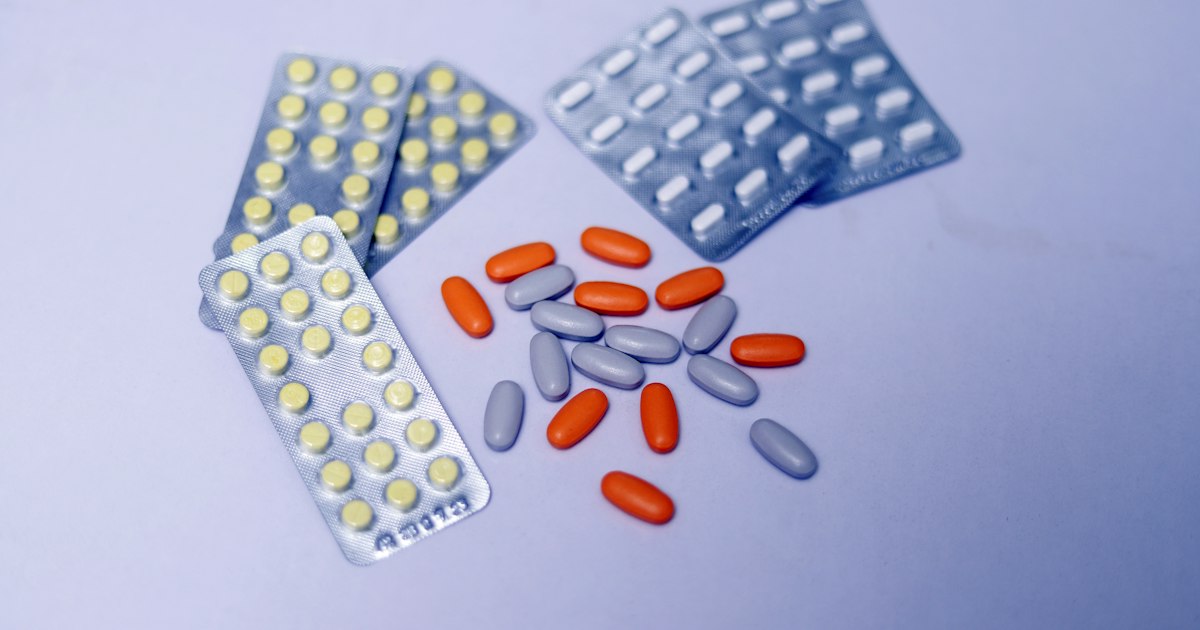
Your father's monthly medicine bill has quietly crossed ₹4,000: a tablet for blood pressure, one for sugar, a statin, a blood thinner and a stomach protector. One day a neighbour mentions that she buys the same salts at the Jan Aushadhi Kendra near the bus stand for a fraction of the price. The idea is tempting, but questions follow. Are these cheaper medicines as good? Will the doctor object? Is it safe to switch medicines that keep his heart and sugar under control?
Medicines are one of the biggest out-of-pocket health expenses for Indian families, especially those managing chronic diseases like diabetes, hypertension and thyroid disorders. India's National Health Accounts estimate that close to 40% of total health spending still comes directly from people's pockets. Yet India is called the "pharmacy of the world" because it makes and exports generic medicines on a huge scale. Generic medicines and government schemes like Pradhan Mantri Bhartiya Janaushadhi Pariyojana (PMBJP) can cut medicine bills by 50 to 80%. This guide explains what generic medicines are, how branded, branded-generic and trade-generic medicines differ, how to judge quality, how Jan Aushadhi works, and how to switch safely.
What Are Generic Medicines?
Every medicine has an active ingredient, which is called the salt or generic name in Indian pharmacies. Paracetamol, metformin, amlodipine, atorvastatin and pantoprazole are generic names. Companies sell these salts under their own brand names.
When a company invents a new drug, it holds a patent for a period, usually about 20 years from filing, during which only it can sell the drug. Once the patent expires, other manufacturers can make the same molecule. These copies are generic medicines. They must contain the same active ingredient, in the same strength and dosage form, and act the same way in the body.
Four types of medicines on Indian shelves
India's medicine market is unusual. Most medicines sold here are not patented originals but generics sold under brand names. It helps to know the categories:
| Type | What it is | Example (paracetamol) | Price |
|---|---|---|---|
| Innovator / patented brand | The original drug from the inventing company, under patent | Newer drugs for diabetes, cancer or heart failure | Highest |
| Branded generic | Off-patent molecule sold under a company's brand name and promoted to doctors | Well-known paracetamol brands like Crocin, Dolo, Calpol | Moderate |
| Trade generic | Off-patent molecule sold through distributors and pharmacies, not promoted to doctors | Lesser-known names stocked by chemists | Low cost to chemist, but MRP can be high |
| Unbranded / Jan Aushadhi generic | Sold by the generic name, such as at Jan Aushadhi Kendras | "Paracetamol Tablets IP 650 mg" | Lowest |
The same company may make a branded generic and a trade generic of the same salt from the same factory. The Competition Commission of India's market study found that retailer margins on some branded generics and trade generics are far higher than on regular brands, which is why the printed MRP on a "generic" from a regular chemist may not be as low as you expect.
Why are branded medicines more expensive?
The salt is not what makes most medicines expensive. Prices reflect marketing to doctors, distribution margins and brand value. For many common medicines, prices of brands containing the same salt vary several-fold. The National Pharmaceutical Pricing Authority (NPPA) caps the prices of medicines on the National List of Essential Medicines, and its Pharma Sahi Daam app lets you check ceiling prices, but many medicines fall outside price control.
Are Generic Medicines as Good as Branded Ones?
This is the most important question, and the honest answer is: generic medicines from reputable, quality-compliant manufacturers work as well as branded ones. The active ingredient is the same. The concern in India has historically been not "generic versus brand" but manufacturing quality, which affects both branded and generic products.
How quality is regulated in India
- Licensing: Manufacturers need licences from state drug controllers, with oversight by the Central Drugs Standard Control Organisation (CDSCO).
- Bioequivalence: Since an amendment in 2017, bioequivalence studies, which show that a generic reaches the bloodstream in the same amount and speed as the reference drug, are mandatory for certain categories of oral generic medicines.
- Revised Schedule M (GMP): Updated Good Manufacturing Practice standards, aligned closer to WHO norms, became mandatory for large manufacturers from 2025 and for all manufacturers, including small firms, from 1 January 2026.
- Drug alerts: CDSCO and state regulators publish monthly lists of samples found "Not of Standard Quality" (NSQ). These lists include both big brands and lesser-known names, a reminder that brand name alone does not guarantee quality.
Quality at Jan Aushadhi Kendras
Medicines at Jan Aushadhi Kendras are procured by the Pharmaceuticals & Medical Devices Bureau of India (PMBI) from manufacturers with WHO-GMP certification. Each batch is tested at NABL-accredited laboratories before it is sent to stores. (NABL accreditation is explained in our guide to why lab results differ.)
When to be careful about switching
For most medicines, switching between quality brands or to a quality generic is safe. But some drugs have a narrow therapeutic index, where small differences in blood levels can matter. For these, stick to one product and switch only with your doctor's advice, with monitoring:
| Medicine type | Examples | Why care is needed | What to monitor |
|---|---|---|---|
| Thyroid hormone | Levothyroxine | Small dose differences affect TSH | TSH 6 to 8 weeks after any change; see our thyroid test guide |
| Blood thinners | Warfarin, acenocoumarol | Risk of bleeding or clots | PT/INR; see our PT/INR guide |
| Anti-epileptic drugs | Phenytoin, carbamazepine, valproate | Risk of breakthrough seizures | Seizure control, drug levels if advised |
| Transplant medicines | Tacrolimus, cyclosporine | Risk of rejection | Drug levels and kidney function |
| Inhalers and insulin | Asthma inhalers, insulin pens | Device technique and dosing differ | Symptom control, sugar readings |
How Jan Aushadhi Works
The Pradhan Mantri Bhartiya Janaushadhi Pariyojana (PMBJP), run by the Department of Pharmaceuticals, sells quality generic medicines through dedicated stores called Jan Aushadhi Kendras.
Jan Aushadhi in numbers
| Indicator | Figure |
|---|---|
| Jan Aushadhi Kendras | Over 20,000 (June 2026), in 776 of India's districts |
| Target | 25,000 Kendras by March 2027 |
| Product basket | About 2,110 medicines and 315 surgical items |
| Price compared with branded medicines | Typically 50 to 80% lower |
| Estimated savings to citizens | About ₹45,000 crore over 12 years |
| Janaushadhi Suvidha sanitary pads | ₹1 per pad |
The basket covers most common needs: medicines for diabetes, blood pressure, cholesterol, thyroid, heart disease, acidity, infections, allergies, pain, vitamins and supplements, along with surgical items and some nutraceuticals. For example, government figures cite an anti-allergy medicine, levocetirizine, priced at about ₹303 for a branded pack compared with about ₹13 at a Jan Aushadhi Kendra.
How to find and use a Jan Aushadhi Kendra
- Download the Janaushadhi Sugam app, which has been downloaded by more than 38 lakh users. You can find nearby Kendras, search for medicines by generic name, and compare prices with branded options.
- Carry your prescription, since prescription medicines still need one.
- Ask by salt name and strength, for example "Telmisartan 40 mg" rather than a brand name.
- Check the pack: confirm the salt, strength, dosage form (tablet, extended-release, etc.) and expiry date.
- Plan for availability: not every Kendra stocks every item, so keep a few days' buffer for chronic medicines.
Many government hospitals also provide free medicines under state schemes, and CGHS beneficiaries get medicines through wellness centres; see our CGHS card guide.
Your Rights and the Doctor's Role
Can I ask my doctor to prescribe generics?
Yes. Since 2016, medical ethics regulations in India have asked doctors to prescribe medicines by generic name, legibly, preferably in capital letters. In August 2023, the National Medical Commission notified stricter rules requiring generic prescriptions, but these were put on hold after objections from doctors' associations, who raised concerns about variable generic quality. In practice, many doctors now write both the salt and a brand.
It is reasonable to ask:
- "Can you write the salt name so I can buy a generic?"
- "Is it safe to switch this medicine to a Jan Aushadhi or other generic version?"
- "Are there any medicines here I should not switch?"
Our guide on how to read a doctor's prescription explains salt names, abbreviations and dosing instructions.
Watch out for these mix-ups
- Same salt, different release: "Metformin 500 mg" and "Metformin SR 500 mg" are not the same. Extended or sustained-release (SR, ER, XR, CR) versions release the drug slowly.
- Fixed-dose combinations: Many Indian prescriptions use combinations such as telmisartan with amlodipine, or glimepiride with metformin. Make sure the generic has the same salts in the same strengths.
- Look-alike names: Brand names can sound similar but contain different drugs. Always check the salt on the strip.
- Very cheap unknown products: Buy from licensed pharmacies, Jan Aushadhi Kendras or reputable online pharmacies, and avoid unlabelled loose strips. Our e-pharmacy safety guide covers buying online.
How to Switch to Generic Medicines Safely
A careful switch can save thousands of rupees a year without affecting your health.
A simple 6-step plan
- Make a list of every medicine with its salt name, strength and timing.
- Discuss with your doctor, especially for thyroid, blood thinners, anti-epileptics, transplant medicines, insulin and inhalers.
- Switch one medicine at a time, so any problem can be traced.
- Stay with one manufacturer once a generic works well, rather than changing every month.
- Monitor key numbers after the switch: blood pressure readings, fasting sugar, HbA1c after 3 months, LDL cholesterol after 6 to 12 weeks, or TSH after 6 to 8 weeks.
- Report problems: new side effects, poor control or a medicine that looks or tastes different. Suspected adverse reactions can be reported under the Pharmacovigilance Programme of India (PvPI).
How much can you save?
| Chronic condition | Typical medicines | Potential saving with quality generics |
|---|---|---|
| Diabetes | Metformin, glimepiride, sitagliptin, vildagliptin | Often 50 to 80% |
| High blood pressure | Telmisartan, amlodipine, metoprolol | Often 50 to 80% |
| High cholesterol | Atorvastatin, rosuvastatin | Often 50 to 80%; see our statin guide |
| Acidity | Pantoprazole, rabeprazole | Often 50 to 80% |
| Thyroid | Levothyroxine | Switch only with monitoring |
For a family spending ₹3,000 to ₹5,000 a month on chronic medicines, this can mean savings of ₹15,000 to ₹40,000 a year. These are illustrative ranges; actual savings depend on the medicines and stores.
Other ways to cut medicine costs
- Compare prices across a Jan Aushadhi Kendra, a local chemist and reputable online pharmacies.
- Ask your chemist for discounts on trade generics, since their margins can be high.
- Use government hospital pharmacies and state free medicine schemes where available.
- Ask about deprescribing: older adults often take medicines that are no longer needed. A medicine review every 6 to 12 months can reduce both cost and side effects.
- Check your insurance: OPD medicine cover is limited in most Indian health policies, so read the terms.
Tracking Results After You Switch
The only way to know a generic is working is to check the results. If your father switches his statin, his LDL cholesterol should stay at target. If your mother switches her sugar tablets, her HbA1c should remain stable. These numbers live in lab reports spread across months and labs.
When you upload your reports to MedicalVault, test values are extracted and organised automatically. MedicalVault's trend analysis then shows whether HbA1c, LDL, TSH or INR stayed steady before and after a medicine change, so you and your doctor can decide with confidence. With the family sharing feature, siblings who share the care of elderly parents can see the same reports and the same trends, even from different cities.
Key Takeaways
- Generic medicines contain the same active ingredient, strength and dosage form as branded versions, and can cut medicine bills by 50 to 80%.
- Most Indian medicines are branded generics; trade generics may carry high MRPs because of large retailer margins, so compare prices.
- Quality depends on the manufacturer, not the label: revised Schedule M GMP rules apply to all manufacturers from January 2026, and Jan Aushadhi batches are tested in NABL-accredited labs.
- Jan Aushadhi now has over 20,000 Kendras, about 2,110 medicines and the Janaushadhi Sugam app to locate stores and compare prices.
- Switch narrow therapeutic index medicines such as levothyroxine, warfarin and anti-epileptics only with your doctor's guidance and follow-up tests.
- Check salt, strength, release type (SR/ER) and combinations carefully, and switch one medicine at a time.
- Track HbA1c, LDL, TSH and other key values in MedicalVault after any switch, so you can see that your savings are not costing your health.