You have had a burning sensation while passing urine for a week. The first antibiotic the chemist suggested did nothing, the second one your neighbour recommended helped for two days, and now the fever is back. Your doctor finally writes "Urine C/S" on the prescription, and three days later you receive a report full of bacterial names, numbers like "10^5 CFU/mL" and a long column of antibiotics marked S, I and R. That report, the culture and sensitivity test, is the single most important tool your doctor has for choosing an antibiotic that will actually work.
In India, it matters more than almost anywhere else. The ICMR Antimicrobial Resistance Research and Surveillance Network (AMRSN) analysed 99,027 culture-positive samples from hospitals across the country in its 2024 annual report, and found that common bacteria such as E. coli and Klebsiella pneumoniae are resistant to many first-line antibiotics. When guesswork fails this often, a culture report stops being optional. This guide explains what the culture and sensitivity test is, when you need one, how to give a good sample, and how to read every line of the report.
What Is a Culture and Sensitivity Test?
A culture and sensitivity test (also written as C/S, C&S or culture and antibiotic susceptibility test) answers two questions about an infection:
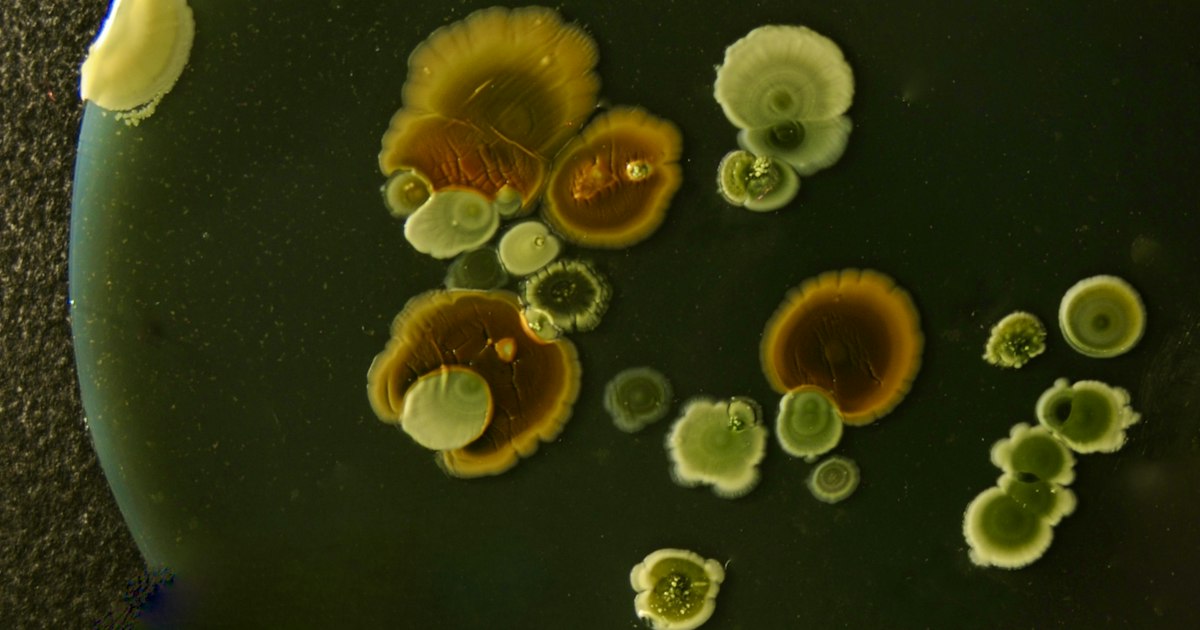
- Culture: Which germ is causing it? The lab places your sample (urine, blood, pus, sputum, stool or another body fluid) on special nutrient plates or in culture bottles and incubates it at body temperature. If bacteria or fungi are present, they multiply into visible colonies, which are then identified.
- Sensitivity: Which antibiotics can kill it? The identified germ is exposed to a panel of antibiotics. The lab records which drugs stop its growth (sensitive) and which do not (resistant). This part is also called an antibiogram or antibiotic susceptibility testing (AST).
Most large Indian labs, including NABL-accredited chains such as SRL, Metropolis, Dr. Lal PathLabs and Thyrocare, now use automated systems (such as VITEK 2 or BD Phoenix) for identification and sensitivity, and automated blood culture machines (such as BACTEC or BacT/ALERT) that flag growth as soon as it happens.
How is it different from a routine test?
A urine routine and microscopy test, explained in our urine routine test guide, can show pus cells and bacteria under the microscope within hours. It suggests an infection but cannot tell you the exact germ or which antibiotic will work. The culture and sensitivity test takes longer but gives a definitive, actionable answer.
| Feature | Routine/microscopy test | Culture and sensitivity test |
|---|---|---|
| Turnaround time | Same day | 48-72 hours (blood: up to 5 days) |
| Identifies the exact germ | No | Yes |
| Tells which antibiotic works | No | Yes |
| Typical cost (urine) | ₹100-300 | ₹500-1,300 |
| Best use | Screening, quick suspicion | Confirming infection, choosing treatment |
When Do You Need a Culture and Sensitivity Test?
Not every cough or loose motion needs a culture. Your doctor is likely to order one in these situations:
- Urinary tract infection (UTI) that is recurrent, not improving on the first antibiotic, occurs in pregnancy, in men, in children, or in someone with diabetes or kidney stones (see our UTI guide)
- High fever without an obvious cause, suspected typhoid or blood infection, where a blood culture is the gold standard (our typhoid test guide explains why blood culture beats the Widal test)
- Suspected sepsis, a life-threatening emergency covered in our sepsis guide
- Wound or surgical site infections, abscesses and diabetic foot ulcers (pus culture)
- Pneumonia in hospitalised patients (sputum culture or endotracheal aspirate culture)
- Bloody diarrhoea or dysentery that does not settle (stool culture)
- Meningitis or other serious infections of body fluids (CSF, pleural, ascitic fluid)
- Hospital-acquired infections, especially in ICU patients, where resistant organisms are common
Common types of culture tests in India
| Test | Sample | Common germs found | Approximate cost* |
|---|---|---|---|
| Urine C/S | Midstream urine | E. coli, Klebsiella, Enterococcus | ₹500-1,300 |
| Blood C/S | 2 sets of blood (8-10 mL per bottle in adults) | Salmonella Typhi, Staph aureus, Klebsiella | ₹800-2,000 per set |
| Pus/wound C/S | Swab or aspirated pus | Staph aureus (incl. MRSA), Pseudomonas | ₹600-1,300 |
| Sputum C/S | Deep-cough sputum | Streptococcus pneumoniae, Klebsiella, Pseudomonas | ₹600-1,200 |
| Stool C/S | Fresh stool | Shigella, Salmonella, Vibrio cholerae | ₹700-1,500 |
| Throat swab C/S | Throat swab | Streptococcus pyogenes | ₹500-1,000 |
*Prices vary by city, lab and whether automated identification is used. Hospital labs may charge more.
How to Give a Good Sample (and Avoid a Useless Report)
A culture report is only as good as the sample. Contaminated samples are among the most common reasons for confusing results and repeat tests.
The golden rule: sample before antibiotics
If possible, the sample should be collected before you take the first antibiotic dose. Even one or two doses can suppress bacterial growth in the lab, giving a false "no growth" report while the infection is still active. If you have already started an antibiotic, tell the lab and your doctor. Do not stop a prescribed antibiotic on your own to "clear" the test; your doctor will decide whether to wait, continue or collect the sample anyway.
Urine culture: clean-catch midstream sample
- Use the sterile container given by the lab; do not use a washed jam bottle or a container from home
- Collect the first morning urine if possible, as bacteria have had time to multiply overnight
- Wash hands, clean the genital area with water (front to back for women), and avoid antiseptic soaps that may kill bacteria
- Pass the first portion into the toilet, collect the middle portion in the container, and finish in the toilet
- Close the lid immediately without touching the inside
- Deliver to the lab within 1-2 hours, or keep it refrigerated (not frozen) if there is a delay. Many home sample collection services, which we compare in our home sample collection guide, carry cold boxes for this reason
Blood culture
- Two sets are usually drawn from two different sites (for example, both arms) to separate true infection from skin contamination
- The phlebotomist should disinfect the skin thoroughly and the bottle tops before drawing blood
- Drawing blood during a fever spike is traditional, but modern guidance says the volume of blood matters far more than timing
Other samples
- Sputum: Rinse your mouth with plain water, then cough deeply from the chest. Saliva is not sputum and is often rejected
- Stool: Collect a fresh sample in a sterile container without mixing it with urine or toilet water
- Pus: Aspirated pus (drawn with a needle) or tissue is more reliable than a surface swab, which may only pick up skin bacteria
How to Read Your Culture and Sensitivity Report
Here is a line-by-line breakdown of a typical Indian lab report.
1. Organism isolated
This names the germ that grew, for example "Escherichia coli isolated" or "Klebsiella pneumoniae isolated". If the report says "No growth after 48 hours" (urine) or "No growth after 5 days of incubation" (blood), no bacteria were detected. That usually means no bacterial infection, though prior antibiotics or a viral cause are possibilities your doctor will consider.
2. Colony count (urine culture)
Urine culture reports give a colony count in CFU/mL (colony-forming units per millilitre), which helps tell a real infection from contamination.
| Colony count | Usual interpretation |
|---|---|
| Below 10,000 CFU/mL (10^4) | Usually not significant; may be contamination |
| 10,000-1,00,000 CFU/mL | Grey zone; interpreted with symptoms, sex and collection method |
| 1,00,000 CFU/mL (10^5) or more | Significant bacteriuria; suggests a true UTI in a clean-catch sample |
Lower counts can be significant in catheter samples, in men, in people with clear symptoms, or in those already on antibiotics. Always go by your lab's reference notes and your doctor's interpretation.
3. Mixed growth
"Mixed growth of 3 or more organisms" almost always means the sample got contaminated during collection. The usual advice is to repeat the test with a fresh, carefully collected sample rather than treat it.
4. The sensitivity table: S, I and R
This is the heart of the report. Each antibiotic tested is marked with one of three letters:
| Result | Meaning | What your doctor may do |
|---|---|---|
| S - Sensitive (Susceptible) | The germ is likely to be killed at standard doses | Choose from these drugs |
| I - Intermediate (EUCAST: "Susceptible, increased exposure") | May work at higher doses or where the drug concentrates (for example, urine) | Use cautiously or at higher doses |
| R - Resistant | The drug is unlikely to work | Avoid this drug |
Many reports also show an MIC (minimum inhibitory concentration), the lowest drug concentration that stops the germ's growth. A common mistake is assuming the antibiotic with the lowest MIC number is the "strongest". MIC values cannot be compared across different antibiotics because each drug has its own cut-off (breakpoint), set by standards such as CLSI or EUCAST. Your doctor also weighs the infection site, your kidney function, allergies, pregnancy, cost and whether the drug is taken by mouth or injection.
5. Resistance flags you may see
| Term on report | Full form | What it means |
|---|---|---|
| ESBL | Extended-spectrum beta-lactamase | Bacteria resistant to many penicillins and cephalosporins (for example, cefixime, ceftriaxone) |
| MRSA | Methicillin-resistant Staphylococcus aureus | Staph resistant to common penicillin-type drugs |
| CRE / CRKP | Carbapenem-resistant Enterobacterales / Klebsiella pneumoniae | Resistant to carbapenems such as meropenem, the "last-line" drugs |
| VRE | Vancomycin-resistant Enterococcus | Enterococcus resistant to vancomycin |
| MDR / XDR | Multidrug-resistant / extensively drug-resistant | Resistant to several or nearly all antibiotic classes |
If your report shows any of these, do not panic. It means your doctor now has the exact information needed to choose a working drug, and may involve an infectious disease specialist or ask you to follow infection-control precautions at home.
Why This Test Matters So Much in India
India is among the world's largest consumers of antibiotics, and resistance has followed. The ICMR AMRSN 2024 report found E. coli to be the most commonly isolated pathogen, followed by Klebsiella pneumoniae, Pseudomonas aeruginosa, Acinetobacter baumannii and Staphylococcus aureus, with high resistance to commonly used drugs, including carbapenems in Klebsiella. Our guide to antimicrobial resistance in India covers the bigger picture.
Several Indian habits make the problem worse:
- Antibiotics without prescription: Despite rules, antibiotics are often bought over the counter. Look for the Red Line on medicine strips; India introduced it to mark antibiotics that must only be taken on a doctor's prescription
- Stopping the course early once symptoms improve
- "Leftover" antibiotics shared among family members
- Antibiotics for viral illnesses such as colds, most sore throats and viral fevers, which ICMR's 2022 treatment guidelines specifically advise against
- Repeated broad-spectrum use without a culture, which selects for resistant germs
Under WHO's AWaRe classification, antibiotics are grouped as Access (first choice, such as amoxicillin and nitrofurantoin), Watch (higher resistance risk, such as ciprofloxacin, cefixime and azithromycin) and Reserve (last resort, such as colistin). A culture report often allows your doctor to step down from a Watch drug to an Access drug, a practice called de-escalation, which protects both you and your community.
Positive culture does not always mean treatment
One of the most overlooked messages: bacteria in urine without symptoms (asymptomatic bacteriuria) usually should not be treated, especially in the elderly and in people with diabetes or long-term catheters. Treating it adds side effects and drives resistance without benefit. The important exceptions are pregnancy and before certain urological procedures, where your doctor will usually recommend treatment. This is why a culture report must always be read alongside your symptoms.
Practical Tips: Making the Most of Your Culture Report
- Ask before you start: If your doctor prescribes an antibiotic for a recurrent or serious infection, ask whether a culture should be sent first.
- Use an accredited lab: Culture quality depends heavily on lab standards. Our guide on why lab results differ between labs explains why NABL accreditation matters.
- Show the report to your doctor promptly: If you were started on an "empirical" antibiotic, the doctor may switch it once the sensitivity report arrives. Never change or stop antibiotics yourself based on the S/R column.
- Finish the course as prescribed, and never save or share leftover antibiotics.
- Keep every culture report: Your past results reveal patterns. If you had an ESBL E. coli UTI last year, your doctor will avoid drugs it was resistant to next time. When you upload your reports to MedicalVault, your culture history stays searchable and ready to show a new doctor or hospital.
- Share with family caregivers: For elderly parents with recurrent UTIs or bedsores, previous culture results are invaluable in an emergency. MedicalVault's family sharing feature lets siblings in different cities see the same reports.
- Repeat cultures when advised: Some infections, such as blood infections or complicated UTIs, need a "test of cure" culture after treatment.
Common Indian antibiotic brands you may see on prescriptions
Your doctor will select the drug from your sensitivity report. For reference, common generic names and Indian brands include nitrofurantoin (Martifur, Niftran), amoxicillin-clavulanate (Augmentin, Moxikind-CV), cefixime (Taxim-O), ceftriaxone (Monocef), ciprofloxacin (Ciplox) and azithromycin (Azithral). Generic versions, often far cheaper, are available at Jan Aushadhi Kendras, as explained in our generic medicines guide. Never take any of these without a prescription.
Key Takeaways
- A culture and sensitivity test identifies the exact germ causing an infection and shows which antibiotics will work against it, typically in 48-72 hours (blood cultures up to 5 days).
- Give the sample before starting antibiotics whenever possible, use a sterile lab container, and deliver urine samples within 1-2 hours.
- In urine culture, 1,00,000 CFU/mL or more usually indicates a true infection; mixed growth usually means contamination and a repeat test.
- On the sensitivity table, S = sensitive, I = intermediate, R = resistant. MIC numbers cannot be compared between different antibiotics.
- Flags like ESBL, MRSA and CRE signal resistant germs; your doctor will choose a drug from the sensitive list.
- With high antibiotic resistance in India (ICMR AMRSN 2024), culture-guided treatment protects you and your family from failed treatments and superbugs.
- Keep a complete history of your culture reports. MedicalVault helps you store, search and share them so your next doctor sees which antibiotics worked, and which did not.