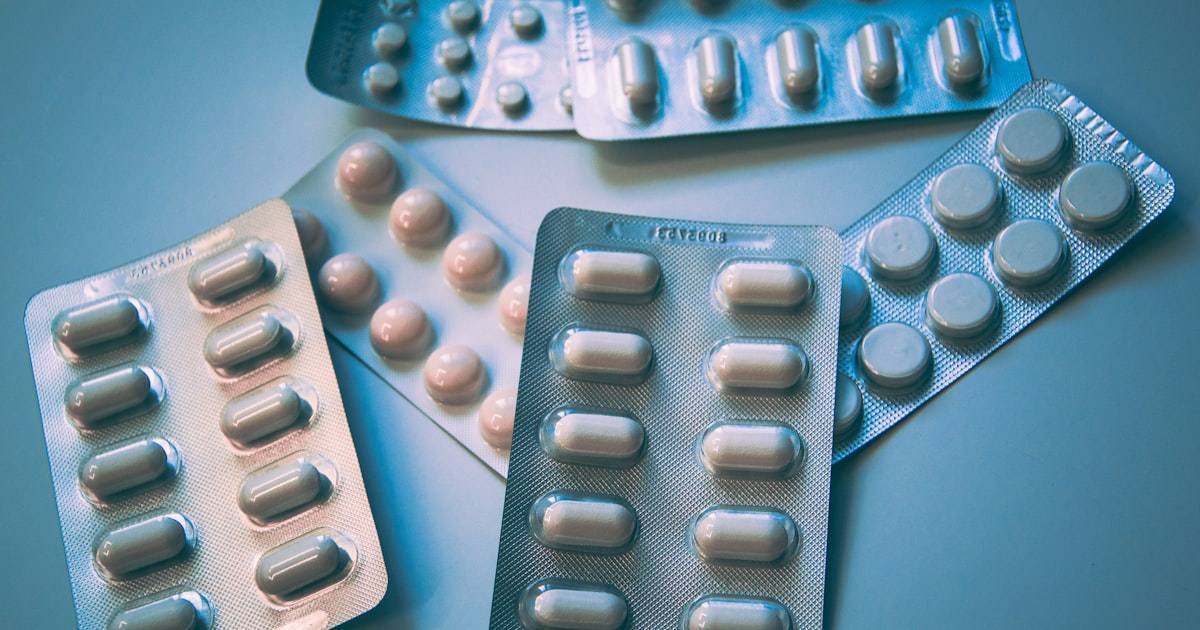
You ask the pharmacist for an antibiotic because you've had this cough before and you know exactly which tablet "works." Two days later you stop taking it because you feel better. Meanwhile, the bacteria in your body — not fully wiped out — quietly learn to survive the drug. Multiply this scenario across 140 crore people, and you start to understand why scientists call India the world's antimicrobial resistance (AMR) capital.
AMR is not a distant, theoretical threat. According to a 2023 Global Burden of Disease analysis, nearly 3 lakh Indians die every year from AMR-related infections — and projections suggest this could rise to 12 lakh deaths per year by 2030 if we stay on the current path. Understanding what AMR is, why it thrives in India, and — critically — what you can do about it has never been more urgent.
What Is Antimicrobial Resistance?
Antimicrobial resistance (AMR) occurs when bacteria, viruses, fungi, or parasites evolve mechanisms that make them impervious to the drugs designed to kill them. The resulting organisms are often called superbugs.
When a common infection becomes resistant:
- First-line antibiotics stop working
- Doctors must escalate to more powerful, expensive, and often more toxic drugs
- Sometimes, no drug works at all — a situation called pan-drug resistance
AMR affects the full spectrum of antimicrobials:
| Type | Drug Class | Example Resistant Pathogen |
|---|---|---|
| Antibacterial | Penicillins, cephalosporins, carbapenems | Klebsiella pneumoniae (CRKP) |
| Antifungal | Echinocandins, azoles | Candida auris |
| Antiparasitic | Chloroquine, artemisinin | Plasmodium falciparum (drug-resistant malaria) |
| Antiviral | Antiretrovirals, antivirals | HIV, influenza strains |
For most Indians, the most immediate concern is antibacterial resistance — the failure of antibiotics we use every day for infections like urinary tract infections (UTIs), pneumonia, bloodstream infections, and wound infections.
How Bad Is India's AMR Problem?
The numbers are alarming. India's own ICMR Antimicrobial Resistance Surveillance Network (AMRSN) publishes annual reports from sentinel hospitals across the country, and the 2024 edition painted a grim picture:
- Over 50% of infections in ICUs at Indian tertiary care hospitals are caused by difficult-to-treat gram-negative bacteria
- Gram-negative bacteria caused 72% of all bloodstream infections nationally
- Routinely used drugs — fluoroquinolones, third-generation cephalosporins, carbapenems — are failing at alarming rates against common pathogens
- India accounts for the world's highest burden of drug-resistant tuberculosis (DR-TB), with an estimated 1.19 lakh MDR-TB cases emerging each year
The ESKAPE Problem
Healthcare professionals now use the acronym ESKAPE to describe six bacteria responsible for the majority of hospital-acquired, drug-resistant infections in India:
| Pathogen | Common Infection |
|---|---|
| Enterococcus faecium | UTIs, bloodstream infections |
| Staphylococcus aureus (MRSA) | Wound infections, pneumonia, sepsis |
| Klebsiella pneumoniae | Pneumonia, UTIs, bloodstream infections |
| Acinetobacter baumannii | Ventilator-associated pneumonia in ICUs |
| Pseudomonas aeruginosa | Burns, lung infections, ICU infections |
| Enterobacter species | UTIs, bloodstream infections |
A 2024 study published in the Journal of Infection found a dramatic increase in resistance among ESKAPE pathogens at Indian hospitals over the 2010–2020 decade — a trajectory that shows no sign of reversing without urgent action.
Why Is AMR So Rampant in India?
India's AMR crisis is driven by a unique combination of factors that reinforce each other:
1. Over-the-Counter Antibiotic Sales
India's H1 Schedule restricts certain antibiotics to prescription-only, but enforcement is patchy. Studies consistently show that a significant proportion of antibiotic sales at Indian pharmacies happen without a valid prescription — particularly in rural and semi-urban areas. Patients self-diagnose, buy a short course, feel better, and stop — a perfect recipe for breeding resistance.
2. Overprescription in Private Practice
In India's private healthcare sector, there are strong pressures — both from patients and from commercial dynamics — to prescribe antibiotics even when they're not needed. Viral fevers, the common cold, and simple coughs do not respond to antibiotics, yet they remain among the top reasons antibiotics are prescribed in outpatient settings.
3. Counterfeit and Substandard Medicines
Substandard antibiotics — those with inadequate concentrations of active ingredient — expose bacteria to sub-lethal doses of antibiotics. This is arguably the most efficient way to breed resistance. India's pharmaceutical supply chain, though improving, still has documented problems with counterfeit and degraded medicines in some markets.
4. Agricultural Antibiotic Use
Antibiotics are widely used in Indian poultry and aquaculture to promote growth and prevent disease in crowded conditions. Resistant bacteria from animals enter the food chain and the environment — contaminating groundwater, vegetables, and ultimately, us. Less than 45% of Indian healthcare facilities have adequate wastewater treatment, further spreading resistant genes in the environment.
5. Sanitation and Crowding
Dense urban living, inadequate sanitation, and high rates of open defecation (though declining rapidly) accelerate the spread of resistant bacteria through contaminated water and food. A resistant E. coli that causes UTIs in a Chennai slum can spread through a shared water source within hours.
Drug-Resistant TB: India's Unique Crisis
No single aspect of India's AMR burden is more alarming than drug-resistant tuberculosis (DR-TB). India reports more cases of Multidrug-Resistant TB (MDR-TB) — resistant to both rifampicin and isoniazid, the two most important first-line TB drugs — than any other country on earth.
Understanding Drug-Resistant TB
| Type | What It Means | Treatment Complexity |
|---|---|---|
| Drug-Susceptible TB (DS-TB) | Responds to standard 4-drug regimen | 6 months |
| MDR-TB | Resistant to rifampicin + isoniazid | 9-24 months, toxic drugs |
| Pre-XDR-TB | MDR + resistant to fluoroquinolones | 18-24+ months |
| XDR-TB (Extensively Drug-Resistant) | Resistant to most available drugs | Very limited options |
MDR-TB develops primarily because patients stop TB treatment partway through (often because they feel better), or because they are infected by someone already carrying resistant strains. This is why India's TB treatment guide emphasises completing the full course of treatment — even when you feel completely well weeks before the course ends.
If you are on TB treatment, tracking your medications and symptoms in a digital record like MedicalVault can help ensure treatment adherence across the full 6-24 month course.
How to Protect Yourself and Your Family
The single most impactful thing you can do as an individual is to use antibiotics correctly. Here's what that means in practice:
The Golden Rules of Antibiotic Use
- Never take antibiotics without a prescription. Viral illnesses (cold, flu, most sore throats) do not respond to antibiotics. Taking them anyway only contributes to resistance.
- Always complete the full prescribed course — even if you feel better on day 3 of a 7-day course. Stopping early leaves survivors who may be more resistant.
- Never share antibiotics with family members, even if their symptoms look identical.
- Never use leftover antibiotics from a previous illness for a new infection. Different bacteria, different drugs.
- Ask your doctor why they're prescribing an antibiotic. A good doctor will explain which bacteria they suspect and why an antibiotic is indicated.
When Antibiotics Are NOT Needed
| Condition | Usually Caused By | Antibiotic Needed? |
|---|---|---|
| Common cold | Virus (rhinovirus) | ❌ No |
| Seasonal flu | Virus (influenza) | ❌ No |
| Most sore throats | Virus | ❌ Usually no |
| Mild diarrhoea | Virus or self-limiting | ❌ Usually no |
| Urinary tract infection | Bacteria | ✅ Yes (with culture) |
| Pneumonia (bacterial) | Bacteria | ✅ Yes |
| Wound infection with pus | Bacteria | ✅ Yes |
Demand a Culture Before Antibiotics (When Possible)
For recurring or serious infections — UTIs, respiratory infections, wound infections — insist on a culture and sensitivity (C&S) test before starting antibiotics. This test:
- Identifies the exact bacteria causing your infection
- Tests which antibiotics it is (and isn't) sensitive to
- Guides your doctor to prescribe the right antibiotic, not just a broad-spectrum one
Major Indian pathology chains like SRL Diagnostics, Dr. Lal PathLabs, and Thyrocare offer C&S tests for ₹500–1,500. The result (available in 2–5 days) can mean the difference between an antibiotic that works and one that doesn't.
Upload and store your culture reports in MedicalVault so you and your doctor can track patterns — for example, recurrent UTIs that keep showing the same resistant organism — and make smarter treatment decisions over time.
Warning Signs of a Resistant Infection
You should be concerned about AMR if you notice any of the following:
- An infection that doesn't improve after 3 days on antibiotics — this warrants urgent medical review, not just a switch to a "stronger" antibiotic without testing
- Recurrent infections at the same site (e.g., three UTIs in six months) — culture testing is essential
- Hospital-acquired infections after surgery, a catheter, or an IV line — these carry the highest risk of AMR
- Wound infections that worsen despite treatment — resistant Staphylococcus (MRSA) must be considered
- Fever persisting beyond 7–10 days on appropriate treatment — seek specialist review
India's Policy Response
The Indian government has recognised AMR as a major public health threat. Key initiatives include:
- National Action Plan on AMR (NAP-AMR): Launched in 2017, it aims to strengthen surveillance, improve antibiotic stewardship, and reduce agricultural antibiotic use
- ICMR-AMRSN: A national network of 30 tertiary care hospitals that monitors resistance patterns across India and publishes annual surveillance data
- Operation AMRITH (Kerala): A state-level initiative launched in 2024 requiring prescriptions for all antibiotic sales — considered a model for other states
- Red Line Campaign: Antibiotics with a red line on the packaging require a prescription — a public awareness drive to change pharmacy behaviour
These are steps in the right direction, but policy alone cannot solve AMR. Individual behaviour change is essential.
Tracking Your Health in the AMR Era
In a world where common infections are becoming harder to treat, maintaining careful health records is more important than ever. Knowing your history of antibiotic use, culture reports, and resistant organisms can be lifesaving:
- If you've ever had an MRSA infection, your surgeon needs to know before your next procedure
- If you carry a drug-resistant UTI organism, your GP needs the exact sensitivity report, not just your word
- Tracking preventive health check-ups annually allows early detection of recurring patterns
Store all your culture reports, antibiotic prescriptions, and infection histories on MedicalVault. The family sharing feature means your elderly parents' hospital records — including any resistant organisms identified during their care — are accessible when they need emergency treatment.
Key Takeaways
- India is the world's AMR capital, with nearly 3 lakh AMR-related deaths annually — projected to rise sharply without action
- The primary driver is antibiotic misuse: self-medication, stopping courses early, and OTC sales without prescriptions
- India also has the highest burden of drug-resistant TB globally — completing TB treatment in full is critical
- Never take antibiotics without a doctor's prescription; always complete the full course
- For recurrent or serious infections, demand a culture and sensitivity test to guide treatment
- The ESKAPE pathogens — particularly Klebsiella, MRSA, and Acinetobacter — are responsible for the most dangerous hospital-acquired resistant infections in India
- Government programmes like NAP-AMR and AMRITH (Kerala) are building a policy response — but individual behaviour is the biggest lever
- Maintaining detailed health records, including culture reports and medication history, helps doctors treat you safely in the AMR era — MedicalVault makes this easy for every Indian family