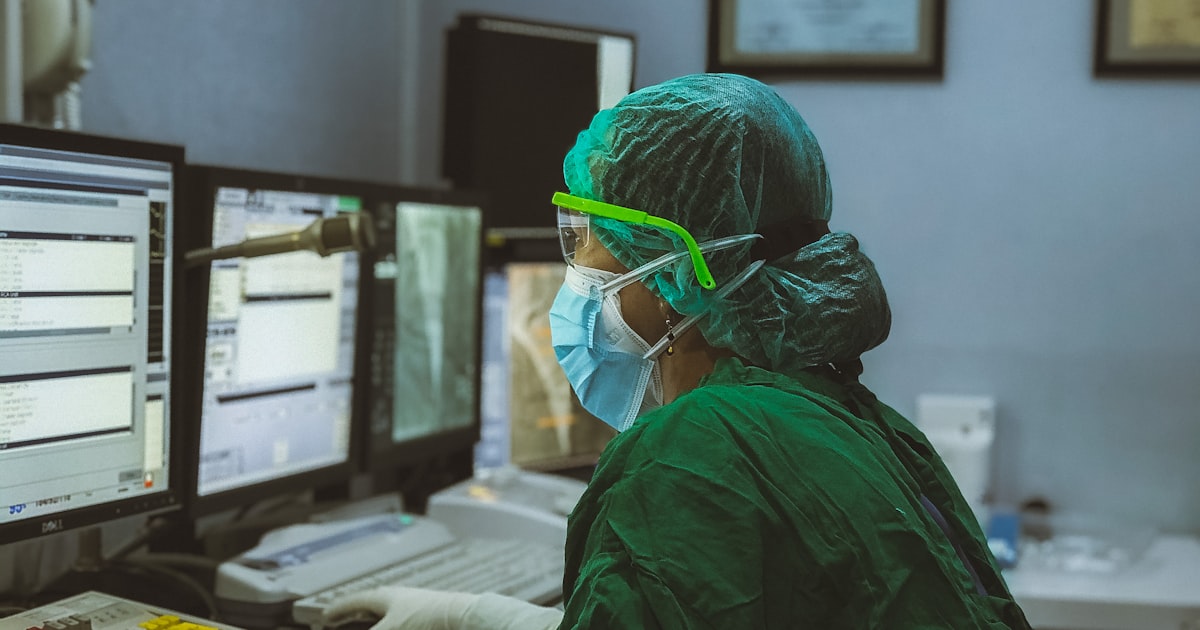
A 58-year-old uncle in Pune had a routine UTI. Two days of "weakness and a little fever" turned into a frantic ambulance ride; by the time the family reached the ICU his blood pressure was crashing, his kidneys had stopped, and the doctor was using a word the family had never heard before — sepsis. He survived, but spent twenty-three days in critical care and another two months learning to walk again. Across India this story plays out roughly thirty thousand times every single day, and most families only learn the word after it has already changed their life.
Sepsis is the body's overwhelming, dysregulated response to an infection — and it is the leading cause of death in Indian hospitals, ahead of heart attack and cancer. The latest registry data place India's annual sepsis burden at 11.3 million cases and 2.9 million deaths, with hospital mortality rates between 27 and 36 percent. Despite these staggering numbers, public awareness is so low that delay before reaching qualified care remains the single biggest predictor of who lives and who dies.
What Sepsis Actually Is
Most infections stay localised — a cut on the foot, a sore throat, a urine infection. Sepsis happens when the immune system, instead of fighting the infection cleanly, releases a flood of inflammatory chemicals throughout the body. Blood vessels leak, blood pressure falls, organs run out of oxygen, and clotting goes haywire. Without rapid treatment, multi-organ failure follows.
There is a useful three-stage way to think about this progression:
- Sepsis — life-threatening organ dysfunction caused by a dysregulated host response to infection
- Severe sepsis — sepsis with at least one failing organ (kidney, liver, brain, lungs)
- Septic shock — sepsis with persistent low blood pressure that does not improve even after IV fluids and needs medications (vasopressors) to keep the heart pumping
Septic shock has a hospital mortality rate of 40 to 60 percent in Indian ICUs. The faster a patient is identified and treated, the better the chance of avoiding this final stage.
Why India Has a Sepsis Crisis
The headline numbers are not just a function of a large population. Several India-specific factors stack the odds.
| Factor | India's Reality |
|---|---|
| Annual sepsis cases | 11.3 million (estimated) |
| Annual sepsis deaths | ~2.9 million per year |
| Incidence rate | 540-640 cases per 100,000 |
| ICU mortality (sepsis) | 27.6% (vs 5.3% non-sepsis) |
| Multi-drug-resistant bugs | 78-91% of Acinetobacter isolates in India are MDR |
| Self-medication with antibiotics | Up to 52% of urban Indians per ICMR studies |
| Delay before hospital | Median 4-6 days in tier-2 cities |
The underlying drivers include rampant antibiotic misuse (read our antibiotic resistance guide for the full picture), high rates of diabetes and untreated chronic disease, dense urban infections like dengue and leptospirosis tipping into sepsis, and the simple fact that millions try home remedies first when they get sick.
What Causes Sepsis
Any infection can trigger sepsis, but four sources cause the bulk of cases in India.
Pneumonia and Other Lung Infections
Bacterial pneumonia — both community-acquired (Streptococcus pneumoniae, Klebsiella) and hospital-acquired (multi-drug-resistant Acinetobacter, Pseudomonas) — is the single biggest source of sepsis in Indian adults. Our pneumonia guide covers prevention.
Urinary Tract Infections
Untreated or partly treated UTIs, especially in older adults and pregnant women, climb the urinary tract to the kidneys (pyelonephritis) and from there into the bloodstream. Diabetics are particularly vulnerable.
Abdominal Infections
Appendicitis, perforated ulcers, gallbladder infections, and bowel perforations release bacteria directly into the abdomen. Without surgery within hours, these often progress to sepsis.
Skin and Soft-Tissue Infections
Cellulitis, infected diabetic foot ulcers, post-surgical wounds, and infected dog bites are far more common as sepsis triggers in India than in Western data — partly because patients reach hospitals late. See our diabetic foot care guide and our snakebite guide.
Other important sources include tropical infections specific to India: severe dengue, leptospirosis, scrub typhus, falciparum malaria, and typhoid can all decompensate into sepsis if treatment is delayed.
The Symptoms Every Indian Family Should Know
Sepsis does not announce itself with a single dramatic sign. It is a combination of warning signals layered on top of an ongoing infection. UK and Indian critical care societies use the simple "SEPSIS" mnemonic that any family member can remember.
- Slurred speech or sudden confusion
- Extreme shivering, fever, or feeling very cold
- Passing no urine for many hours, or very dark urine
- Severe breathlessness or rapid breathing
- It feels like you are going to die — patients themselves describe a sense of impending doom
- Skin that is mottled, blotchy, very pale, or unusually cold
Other red flags include a heart rate above 100 even at rest, sticky cold hands and feet despite a fever, sudden-onset severe weakness, and not being able to keep down food or water.
In children, additional warning signs are very rapid breathing, inability to feed, rashes that do not fade when pressed with a glass, and unusual sleepiness.
If a family member with any infection — even a "minor" one — develops two or more of these signs, do not wait. Drive to a hospital with intensive care facilities and tell the triage nurse you are worried about sepsis. The phrase "I think this might be sepsis" actually triggers faster action in most Indian hospitals.
How Sepsis Is Diagnosed
Doctors confirm and stage sepsis using a combination of bedside scoring and lab tests.
Bedside Scores
The two most-used scores are the qSOFA (quick Sequential Organ Failure Assessment) and SIRS criteria. qSOFA needs just three observations and is easy to apply at the bedside:
- Respiratory rate of 22 breaths per minute or higher
- Systolic blood pressure of 100 mm Hg or lower
- Altered mental status (Glasgow Coma Score under 15)
A patient with two or more of these and a known or suspected infection is considered qSOFA-positive and at high risk.
Blood and Imaging Tests
| Test | What It Tells the Doctor |
|---|---|
| CBC with differential | High or very low WBC count, low platelets |
| CRP and Procalcitonin | Confirms bacterial infection and tracks response |
| Lactate | Above 2 mmol/L indicates poor tissue perfusion; above 4 mmol/L is critical |
| Blood cultures (2 sets, before antibiotics) | Identifies the exact bug and its antibiotic sensitivity |
| Kidney and liver function | Detects organ damage early |
| Coagulation profile (PT-INR, D-dimer) | Detects DIC, a serious clotting complication |
| Urinalysis, X-ray, ultrasound, CT | Locates the source of infection |
| ABG | Detects acidosis from poor tissue oxygen |
The 2021 Surviving Sepsis Campaign guidelines, followed in most Indian tertiary hospitals, recommend completing a "1-hour bundle" — measure lactate, take blood cultures, give broad-spectrum antibiotics, start fluids, and start vasopressors if needed — within sixty minutes of recognising sepsis. Every hour of delay in starting antibiotics raises mortality by an estimated 4 to 8 percent.
For background on individual lab markers, our CRP and hs-CRP guide and CBC guide explain what the numbers actually mean.
Treatment: The Golden Hours
Treatment is built around four parallel goals.
1. Source Control
The infection causing the sepsis must be drained or removed. That may mean a surgery for a perforated bowel, removal of an infected catheter, drainage of a pus-filled abscess, or removal of an infected gallbladder.
2. Early Broad-Spectrum Antibiotics
Within the first hour, doctors start strong injectable antibiotics that cover the likely bug. In Indian ICUs, this often includes piperacillin-tazobactam, meropenem, or — for resistant Gram-negative infections — colistin or polymyxin B. Once cultures return in 48 to 72 hours, the team de-escalates to a narrower antibiotic. Choosing wisely matters because Indian hospitals report some of the highest rates of multi-drug-resistant bacteria in the world.
3. Aggressive Fluid Resuscitation
IV crystalloids (Ringer lactate, normal saline) are given quickly to restore blood pressure and tissue oxygenation. The standard initial dose is 30 mL per kilogram in the first 3 hours, adjusted based on the patient's heart, kidney, and lung response.
4. Vasopressors and Organ Support
If blood pressure does not respond to fluids, noradrenaline (norepinephrine) is started as the first-line vasopressor. Patients in septic shock may need ventilator support, dialysis for acute kidney injury, blood products for DIC, and corticosteroids in some cases.
A typical Indian ICU stay for sepsis runs 7 to 21 days, with costs ranging from ₹2 lakh in government hospitals to ₹12 to 25 lakh in private corporate hospitals. Ayushman Bharat PM-JAY covers the full sepsis treatment package for eligible families. State health insurance schemes and corporate insurance often cover sepsis as a critical illness, but pre-authorisation is needed early.
Who Is Most at Risk
Anyone can develop sepsis, but some Indians are markedly more vulnerable.
- Adults aged 65 and above, especially those with diabetes, COPD, kidney disease, or heart failure
- Newborns and infants under 1, particularly preterm babies — neonatal sepsis kills more Indian babies than dengue, malaria, and pneumonia combined
- People with chronic conditions: diabetes (read our diabetes guide), CKD, cirrhosis, cancer, autoimmune disease on steroids
- Patients with indwelling devices — urinary catheters, central lines, dialysis access, port-a-caths
- People recovering from major surgery, especially abdominal or orthopaedic
- People who have recently been on hospital antibiotics (raising the risk of resistant infections)
- Pregnant and post-partum women with retained products of conception or infection
How to Prevent Sepsis
Prevention lives almost entirely outside the ICU.
- Vaccinate: Influenza vaccine annually, pneumococcal vaccine for adults over 65 and chronic disease patients, Tdap for tetanus and pertussis. Read our seasonal flu vaccine guide.
- Treat infections early: Do not "tough it out". A UTI on Tuesday becomes urosepsis by Friday. A neglected diabetic foot ulcer becomes amputation and septic shock in weeks.
- Stop self-prescribing antibiotics: Half-doses, leftover packets, and pharmacy "azithro" without a prescription create the resistant bugs that kill in the ICU.
- Manage chronic disease: Tight control of diabetes, blood pressure, and CKD halves your sepsis risk.
- Practise hand and wound hygiene: Wash hands, clean cuts, change dressings, and seek medical attention for animal bites the same day. Our rabies vaccine guide explains the full protocol.
- Recognise red flags early: Family members are often the first to notice that the patient is "not himself." Trust that instinct.
Life After Sepsis
Surviving sepsis does not mean returning instantly to normal. Up to 50 percent of survivors develop post-sepsis syndrome — persistent fatigue, muscle weakness, breathlessness, brain fog, anxiety, depression, and difficulty going back to work. About 1 in 6 survivors are re-admitted within 30 days, often for a fresh infection.
Recovery is helped by structured rehabilitation: physiotherapy, nutritional rebuilding (sepsis often causes 10 to 20 percent body-weight loss), mental-health support, and meticulous follow-up of the chronic conditions that triggered the episode in the first place. A complete record of the ICU stay, antibiotic sensitivities, discharge summary, and outpatient follow-up reports is essential for any future infection. MedicalVault's trend analysis lets you keep every report, prescription, and discharge note in one secure place — and family sharing means a daughter abroad and a doctor in another city can both see the same record during a future consult.
Key Takeaways
- Sepsis kills roughly 2.9 million Indians every year — more than heart attacks, road accidents, and cancer combined — yet most families have never heard the word until it is too late.
- Any infection — UTI, pneumonia, dengue, an infected wound — can trigger sepsis. Older adults, diabetics, neonates, and post-surgical patients are at highest risk.
- Remember the SEPSIS mnemonic: slurred speech, extreme shivering, low urine, severe breathlessness, "I feel I am going to die," and mottled skin. Two or more of these with an infection means hospital, not WhatsApp.
- Doctors fight sepsis with a 1-hour bundle of cultures, lactate, IV antibiotics, fluids, and vasopressors. Every hour of delay costs lives.
- Prevention is largely about vaccination, early treatment of infections, stopping antibiotic misuse, and tight chronic-disease control.
- Survivors face months of recovery; structured rehab and good record-keeping are essential. Use MedicalVault to keep every ICU summary, antibiotic sensitivity, and follow-up report in one accessible place.
Sepsis is a medical emergency, not a diagnosis to research at leisure. If you or a family member with any infection develops two of the SEPSIS warning signs, please go to the nearest hospital with an intensive-care facility immediately. Your physician will guide treatment from there — but the clock starts the moment you decide to move.