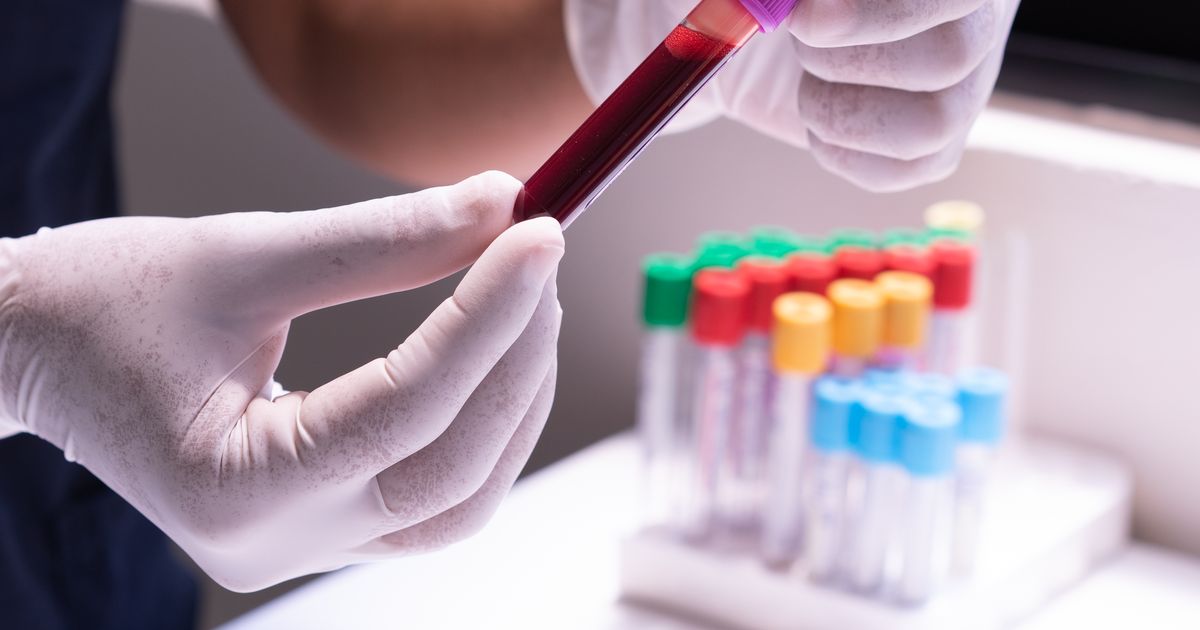
You went to a gynaecologist about irregular periods, or a fertility clinic after a year of trying to conceive, and among the dozen tests on the slip was one you had never heard of: serum prolactin. A few days later the report comes back with a bold "H" next to 38 ng/mL, and suddenly a Google search has you worried about a pituitary tumour. Take a breath. A raised prolactin test result is one of the most common hormone findings in Indian outpatient clinics, and a large share of mildly high readings turn out to be caused by stress, a common medicine, an underactive thyroid, or even a harmless "big" form of prolactin that the lab machine counts but your body ignores.
This guide explains what prolactin does, what the normal prolactin level is for Indian men and women, why the number can be falsely high, how to prepare for the test, and what your doctor is likely to do next.
What Is Prolactin and Why Is It Tested?
Prolactin (PRL) is a hormone made by the pituitary gland, the pea-sized gland at the base of the brain. Its best-known job is to stimulate breast milk production after childbirth, which is why levels rise steeply during pregnancy and breastfeeding. But prolactin is present in everyone, men included, and it also interacts with the hormones that control ovulation, sperm production and sex drive.
Prolactin is unusual among pituitary hormones because the brain normally keeps it switched off. A chemical messenger called dopamine, released by the hypothalamus, constantly suppresses prolactin release. Anything that blocks dopamine (certain medicines), or anything that interrupts the stalk connecting the brain to the pituitary (a large tumour pressing on it), lets prolactin rise.
When prolactin stays high for weeks, it suppresses GnRH, the master hormone that drives the reproductive cycle. That leads to the symptoms that usually prompt the test.
Common reasons a doctor orders a prolactin test
- Irregular, scanty or absent periods (oligomenorrhoea or amenorrhoea)
- Difficulty conceiving, or as part of a routine infertility workup
- Milky discharge from the nipples when not pregnant or breastfeeding (galactorrhoea)
- Low libido, erectile dysfunction or low sperm count in men
- Breast enlargement in men (gynaecomastia)
- Persistent headaches or blurred side vision, which can suggest a pituitary mass
- Monitoring a known prolactinoma during treatment
- Patients on antipsychotic medicines who develop menstrual or sexual side effects
In India, the test is most often bundled into PCOS, thyroid and infertility panels, so many people discover a high value without having any of the classic symptoms. That context matters when interpreting the result.
Prolactin Normal Range in India
Reference ranges differ slightly between labs depending on the analyser and method (most large Indian chains use chemiluminescence, CLIA or ECLIA). Always read your result against the range printed on your own report. The table below shows typical values used by Indian labs.
| Group | Typical Normal Range (ng/mL) |
|---|---|
| Non-pregnant women | 4.8 – 23.3 (some labs use under 25) |
| Men | 4.0 – 15.2 (some labs use under 20) |
| Pregnant women | 34 – 386, rising through each trimester |
| Breastfeeding women | Can remain elevated for months, especially with frequent feeding |
| Postmenopausal women | Usually lower than premenopausal values |
Some labs report prolactin in mIU/L rather than ng/mL. To convert, multiply ng/mL by roughly 21.2. So 25 ng/mL is about 530 mIU/L. If you switch labs, check the unit before comparing numbers; a jump from "24" to "510" is not a rise at all.
How high is "high"?
Endocrinologists use the size of the elevation as a rough guide to the likely cause:
| Prolactin Level (ng/mL) | What It Often Suggests |
|---|---|
| 25 – 50 | Mild. Commonly stress, venepuncture anxiety, medicines, hypothyroidism, PCOS or macroprolactin. Repeat before acting. |
| 50 – 100 | Moderate. Medicines, a microprolactinoma, or stalk compression from another pituitary lesion. |
| 100 – 200 | High. A prolactinoma becomes more likely, though some drugs (for example risperidone) can push levels this high. |
| Over 200 | Very high. Strongly suggests a prolactinoma, often a larger one (macroprolactinoma). |
These bands are guides, not diagnoses. Only your doctor, with your history, other hormone results and possibly an MRI, can decide what your number means.
Why Your Prolactin Report Might Be Falsely High
Before anyone talks about tumours, it is worth knowing how easily prolactin can rise for reasons that have nothing to do with disease.
Stress and the blood draw itself
Prolactin is a stress hormone. A long wait in a crowded lab, a difficult needle prick, or rushing through traffic to reach a collection centre before it closes can all nudge levels up. Sleep also raises prolactin, so a sample drawn immediately after waking can read higher.
Macroprolactin: the "big" prolactin that fools the machine
Some people carry most of their prolactin bound to antibodies in a large complex called macroprolactin. It is biologically inactive, meaning it causes no symptoms, but routine lab analysers still detect it. The result is a high number on paper in a person whose hormones are actually behaving normally.
This is not rare in India. A study of over 1,200 hyperprolactinaemic patients published in the Journal of Laboratory Physicians found macroprolactinaemia in roughly 13.7%, and another Indian study in women found about 12%. Labs screen for it using a PEG (polyethylene glycol) precipitation test, sometimes listed as "Prolactin with macroprolactin" or "Prolactin, PEG precipitated". If your prolactin is mildly high and you have no symptoms, ask your doctor whether this add-on test is worth doing. It can save you months of unnecessary medicine and an expensive MRI.
Medicines that raise prolactin
Many commonly prescribed Indian medicines block dopamine. Always tell your doctor about everything you take, including tablets bought over the counter for acidity or nausea.
| Medicine Type | Examples (Indian brands in brackets) |
|---|---|
| Anti-nausea and acidity drugs | Domperidone (Domstal, often combined with pantoprazole as Pan-D), metoclopramide (Perinorm), levosulpiride (Levosiz, Sompraz-L combinations) |
| Antipsychotics | Risperidone (Risdone, Sizodon), haloperidol, amisulpride |
| Antidepressants | Some SSRIs and tricyclics, usually a mild effect |
| Blood pressure medicines | Methyldopa (Alphadopa), verapamil |
| Hormones | Oestrogen-containing pills |
| Opioids | Tramadol and other painkillers in this class |
The levosulpiride and domperidone combinations deserve special mention. They are widely prescribed in India for bloating and acidity, often for months at a time, and are a frequent hidden cause of high prolactin and irregular periods. Never stop a prescribed medicine on your own, but do raise the question with your doctor.
Other medical conditions
- Hypothyroidism: An underactive thyroid raises TRH, which also stimulates prolactin. Given how common hypothyroidism is in Indian women, a TSH test is almost always done alongside prolactin. See our thyroid function tests guide.
- PCOS: Mildly raised prolactin is seen in some women with PCOS, though the two conditions should be evaluated separately. Read more in our PCOS/PCOD guide.
- Chronic kidney disease: Reduced clearance raises prolactin levels.
- Chest wall irritation: Shingles, surgery scars or even tight-fitting clothing that repeatedly stimulates the nipples.
- Pregnancy: Always rule this out first in a woman of reproductive age with a high result.
How to Prepare for a Prolactin Test
Good preparation reduces the chance of a misleading result and a repeat visit.
- Timing: Get the sample drawn at least 2 to 3 hours after waking, ideally mid-morning between 8 and 10 am. Many Indian labs follow this convention.
- Rest first: Sit quietly for 15 to 20 minutes before the blood draw. If the waiting area is chaotic, a home sample collection may give a more reliable reading.
- Avoid breast stimulation and strenuous exercise for 24 hours before the test.
- Fasting: Not strictly required for prolactin alone, but your doctor may ask you to fast if other tests are bundled in. A heavy, protein-rich meal just before can slightly raise levels.
- Menstrual timing: Women are often advised to test in the early follicular phase (day 2 to 5 of the cycle) when prolactin is part of a fertility panel with FSH and LH. Follow your doctor's instructions.
- List your medicines: Write down every tablet, including antacids and anti-nausea drugs, and bring the list to your consultation.
Cost of a prolactin test in India
A standalone serum prolactin test typically costs ₹400 to ₹700 at major chains such as Thyrocare, Dr. Lal PathLabs, SRL, Metropolis and Redcliffe, with home collection often included. A macroprolactin (PEG) test usually costs ₹1,000 to ₹2,000 extra. Prolactin is also part of most female hormone and infertility panels, which range from ₹1,500 to ₹6,000 depending on what is included.
What Happens If Your Prolactin Is High?
If your result is above the range, your doctor will usually follow a stepwise approach rather than rushing to treatment.
Step 1: Repeat and rule out common causes
A single mildly raised value is often repeated under calm, correctly timed conditions. At the same time, your doctor will check for pregnancy, review your medicines, order a TSH test, and assess kidney function if needed. If prolactin is high but you have no symptoms, a macroprolactin screen may be recommended.
Step 2: Pituitary MRI if prolactin stays high
If prolactin remains clearly elevated with no obvious drug or thyroid cause, an MRI of the pituitary (sella) with contrast is the next step. It costs roughly ₹5,000 to ₹12,000 in Indian cities. Our X-ray, CT and MRI guide explains what to expect during the scan.
The MRI may show:
- Microprolactinoma: A benign tumour smaller than 1 cm. By far the most common finding and usually very treatable with tablets.
- Macroprolactinoma: A benign tumour 1 cm or larger, which can press on the optic nerves and cause headaches or vision loss. Eye field testing is usually added.
- Non-functioning pituitary adenoma: A different tumour that raises prolactin only by squeezing the stalk.
- Normal pituitary: In which case the cause is labelled idiopathic and may simply be monitored.
The word "tumour" sounds alarming, but prolactinomas are almost always benign and are among the most successfully treated tumours in all of medicine.
Step 3: Treatment options
Treatment depends on your symptoms and goals, not just on the number.
- Watchful monitoring: For mild elevations without symptoms, or a small microprolactinoma in a woman not trying to conceive, doctors may simply recheck periodically.
- Dopamine agonist tablets: Cabergoline is the first-line drug worldwide. In India it is sold as Caberlin, Cabgolin, CB-Lin and other brands, usually taken once or twice a week. It normalises prolactin and restores periods in most patients within weeks to a few months. Bromocriptine (Proctinal, Bromergon) is an older, daily alternative sometimes preferred around pregnancy. Dosing and duration must be set by an endocrinologist or gynaecologist.
- Surgery: Transsphenoidal surgery through the nose is reserved for tumours that do not respond to or tolerate medication.
- Changing the culprit medicine: If a drug is the cause, your doctor may switch you to an alternative. Psychiatric medicines should only ever be changed by the prescribing psychiatrist.
Most patients on cabergoline have prolactin rechecked every few months at first, then less often once stable. Many can taper off after two or more years of normal levels under medical supervision.
Prolactin, Fertility and Pregnancy
For couples undergoing infertility evaluation, prolactin is one of the first hormones checked because it is so readily correctable. In women, high prolactin can stop ovulation altogether; bringing it down often restores regular cycles and natural conception without IVF. In men, it can lower testosterone and sperm count. Our infertility and IVF guide and semen analysis guide cover the rest of the workup.
If you conceive while on cabergoline, inform your doctor promptly. Most will stop the medicine once pregnancy is confirmed, though women with larger tumours need closer monitoring of symptoms and vision during pregnancy.
Tracking Your Prolactin Over Time
Prolactin is a test that people repeat many times: once to confirm, again after a medicine change, every few months on cabergoline, and again before tapering. With reports scattered across different labs, units and WhatsApp photos, it becomes surprisingly hard to answer a simple question like "Is it actually coming down?"
This is where keeping a single, organised record helps. When you upload your reports to MedicalVault, the prolactin value is extracted automatically and plotted alongside your TSH, FSH and LH, so MedicalVault's trend analysis shows at a glance whether treatment is working. If your spouse is managing appointments with you during a fertility journey, the family sharing feature lets both of you see the same up-to-date results before every consultation.
Key Takeaways
- Prolactin is a pituitary hormone that controls milk production and influences periods, ovulation, sperm production and libido in both sexes.
- A typical normal prolactin level in Indian labs is roughly 4.8–23.3 ng/mL for women and 4–15 ng/mL for men, but always use the range printed on your own report and check the unit (ng/mL vs mIU/L).
- Mildly high results (25–50 ng/mL) are frequently caused by stress, poor timing, hypothyroidism, or common Indian acidity medicines such as domperidone and levosulpiride.
- Macroprolactin, an inactive form of prolactin, accounts for roughly 1 in 8 high results in Indian studies. A PEG precipitation test can rule it out before costly investigations.
- Persistently high prolactin needs a pituitary MRI. Most prolactinomas are benign and respond very well to cabergoline.
- Correcting high prolactin often restores regular periods and fertility, making it one of the most rewarding tests in an infertility workup.
- Keep every prolactin, TSH and hormone report in one place with MedicalVault so you and your doctor can see the trend, not just the latest number.