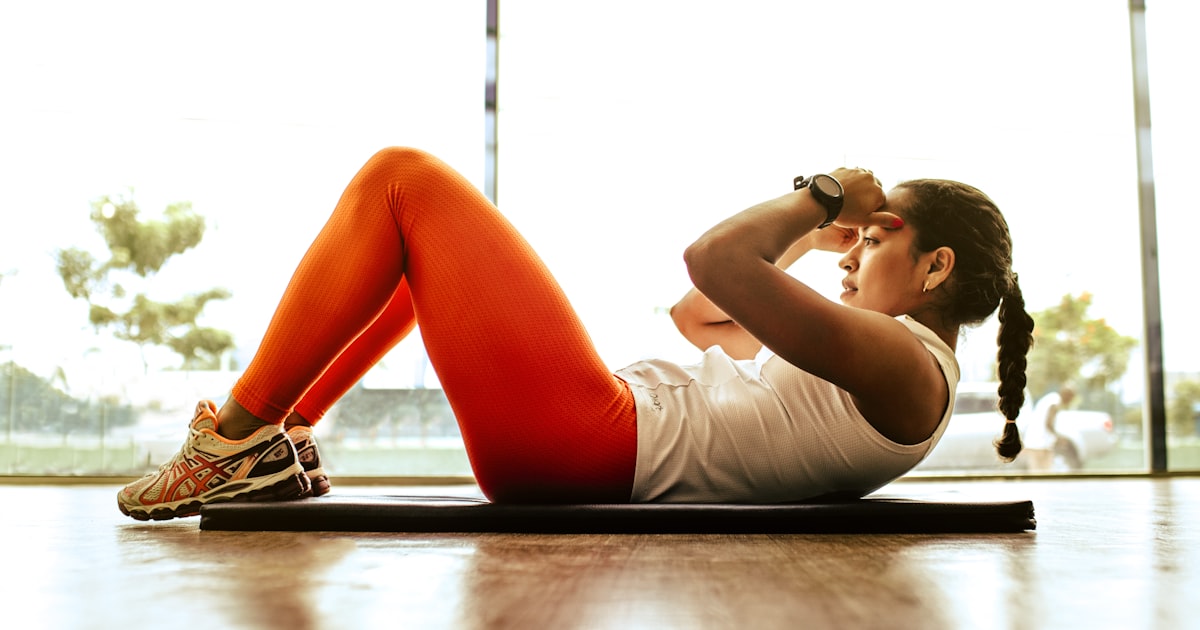
She is 24, works at a Bengaluru tech firm, and her periods have not been regular since college. Her chin has sprouted coarse hair she never had before, and despite eating "healthy" by office-canteen standards, her weight keeps creeping up around her belly. When she finally sees a gynaecologist, the diagnosis arrives in five letters: PCOS. Her mother, confused, asks on the phone: "Yeh PCOD aur PCOS mein kya fark hai?" — a question that millions of Indian families are now asking.
Polycystic Ovary Syndrome affects an estimated 1 in 5 Indian women of reproductive age, making it the most common hormonal disorder among young women in the country. Yet awareness remains dismally low — a 2025 Delhi NCR study found that nearly 30% of women with PCOS did not even know they had it until screened. Understanding PCOS — its symptoms, diagnosis, and management — is essential for every Indian woman and the families who support them.
PCOS vs PCOD: What Is the Difference?
The terms PCOS (Polycystic Ovary Syndrome) and PCOD (Polycystic Ovarian Disease) are used almost interchangeably in Indian clinics, but they are not identical.
| Feature | PCOD | PCOS |
|---|---|---|
| Nature | A condition where ovaries release immature or partially mature eggs | A metabolic and endocrine disorder with hormonal imbalance |
| Severity | Milder, often lifestyle-induced | More severe, with systemic metabolic effects |
| Hormonal imbalance | Mild elevation of androgens | Significant androgen excess and insulin resistance |
| Impact on fertility | Usually does not seriously affect fertility | Can significantly impair ovulation and fertility |
| Prevalence | Very common — up to 30% of Indian women | Affects 8–20% of Indian women |
| Management | Often responds well to lifestyle changes alone | May require medications alongside lifestyle changes |
In medical literature, the globally recognised term is PCOS, and the Rotterdam criteria — the international diagnostic standard — uses this terminology. PCOD is a term more commonly used in Indian clinical practice, often referring to the milder end of the spectrum. For this article, we use PCOS as the umbrella term, which encompasses PCOD.
How Common Is PCOS in India?
India bears a disproportionately high burden of PCOS, and the numbers are striking:
| Statistic | Data |
|---|---|
| Prevalence (Rotterdam criteria) | 8–22% of Indian women of reproductive age |
| ICMR meta-analysis pooled prevalence | ~10% using Rotterdam criteria |
| Delhi NCR (2025 study) | 17.4% prevalence among young women |
| Urban vs rural | Higher prevalence in urban areas due to sedentary lifestyles |
| Undiagnosed cases | Nearly 30% of affected women remain undiagnosed |
| Age of onset | Typically 15–30 years, increasingly seen in teenagers |
Several factors make Indian women particularly vulnerable:
- The Indian diet: High glycaemic load from white rice, refined atta, and sugar-laden sweets drives insulin resistance — the engine behind PCOS
- Sedentary urban lifestyles: Desk-bound IT jobs, long commutes, and limited physical activity
- Genetic predisposition: South Asian women have inherently higher insulin resistance compared to Western populations
- The "thin PCOS" phenomenon: Unlike Western patterns, up to 30% of Indian women with PCOS are lean — they appear healthy by BMI standards but harbour significant metabolic disturbances
Symptoms: What PCOS Looks and Feels Like
PCOS is not a single symptom — it is a constellation of signs that affect different women differently. Not every woman will have every symptom.
Menstrual Irregularities
- Oligomenorrhoea: Periods occurring at intervals of more than 35 days
- Amenorrhoea: Missing periods for 3 or more consecutive months
- Heavy or prolonged bleeding: When periods do arrive, they may be unusually heavy
- Irregular cycles: Cycle length varies widely — 25 days one month, 50 the next
Androgen Excess (Too Many "Male" Hormones)
- Hirsutism: Coarse, dark hair on the chin, upper lip, chest, lower abdomen, and back — affects up to 70% of Indian women with PCOS
- Acne: Stubborn, cystic acne along the jawline, chin, and back that does not respond to regular skincare
- Hair thinning: Thinning of scalp hair at the crown (androgenic alopecia), contrasting with excess body hair
- Oily skin: Persistent oiliness and enlarged pores on the face
Metabolic Symptoms
- Weight gain: Particularly around the abdomen and waist — the "apple shape"
- Difficulty losing weight: Despite diet and exercise, the scale refuses to budge
- Acanthosis nigricans: Darkened, velvety patches of skin on the neck, armpits, and groin — a visible sign of insulin resistance
- Fatigue: Chronic tiredness linked to insulin fluctuations and poor sleep
Reproductive and Emotional Impacts
- Difficulty conceiving: Anovulation (absence of ovulation) is a leading cause of infertility in Indian women with PCOS
- Anxiety and depression: Hormonal imbalances, body image concerns, and fertility stress significantly impact mental health
- Sleep disturbances: Higher risk of obstructive sleep apnoea, especially in overweight women
How Is PCOS Diagnosed?
There is no single blood test that confirms PCOS. Diagnosis follows the internationally accepted Rotterdam criteria (2003), which requires at least two of the following three features:
- Oligo-ovulation or anovulation — irregular or absent periods
- Clinical and/or biochemical hyperandrogenism — excess hair growth, acne, or elevated androgen levels on blood tests
- Polycystic ovarian morphology on ultrasound — 12 or more follicles in either ovary, or ovarian volume greater than 10 mL
The 2023 International Evidence-Based Guidelines now also allow Anti-Müllerian Hormone (AMH) levels to be used instead of ultrasound for diagnosis, which is especially useful for adolescents where pelvic ultrasound may not be appropriate.
Important Diagnostic Caveats for Indian Women
- Adolescents: In girls under 18, diagnosis should be made cautiously. Irregular periods are common in the first 2 years after menarche and do not automatically indicate PCOS. The Rotterdam criteria apply fully only after 2 years post-menarche.
- Lean PCOS: Do not assume you cannot have PCOS because your weight is normal. Up to 30% of Indian PCOS patients are not overweight.
- Ruling out other conditions: Your doctor must exclude thyroid disorders (check TSH levels), congenital adrenal hyperplasia, Cushing's syndrome, and prolactin-secreting tumours before confirming PCOS.
Tests Your Doctor Will Order
A comprehensive PCOS evaluation involves blood tests, ultrasound, and metabolic screening. Here is what to expect:
Hormonal Panel
| Test | What It Measures | What to Look For |
|---|---|---|
| LH (Luteinising Hormone) | Pituitary hormone controlling ovulation | LH:FSH ratio > 2:1 suggests PCOS |
| FSH (Follicle Stimulating Hormone) | Hormone that stimulates egg growth | Usually normal or low in PCOS |
| Total Testosterone | Androgen level | Elevated in PCOS (> 60 ng/dL) |
| DHEA-S | Adrenal androgen | Elevated suggests adrenal contribution |
| AMH (Anti-Müllerian Hormone) | Ovarian reserve and follicle count | Elevated (> 3.0 ng/mL) in PCOS |
| Prolactin | Rules out prolactinoma | Should be normal in PCOS |
| TSH | Rules out thyroid disorders | Should be within 0.4–4.0 mIU/L |
Metabolic Screening
| Test | Why It Matters |
|---|---|
| Fasting Blood Sugar + Fasting Insulin | Detects insulin resistance — the metabolic core of PCOS |
| OGTT (Oral Glucose Tolerance Test) | Identifies prediabetes or diabetes, common in PCOS |
| HbA1c | Long-term blood sugar average (read our HbA1c guide) |
| Lipid Profile | Checks cholesterol and triglycerides (read our lipid guide) |
| Liver Function Tests | Baseline before starting certain medications |
Pelvic Ultrasound
A transvaginal ultrasound (TVS) is the gold standard for assessing ovarian morphology. It checks for:
- Number of antral follicles (12 or more per ovary = polycystic morphology)
- Ovarian volume (> 10 mL is significant)
- Endometrial thickness (important if periods are absent for prolonged periods)
For unmarried women or those uncomfortable with TVS, a transabdominal ultrasound with a full bladder is an acceptable alternative, though less detailed.
Test Costs at Indian Labs
| Package | Cost Range | What Is Included |
|---|---|---|
| Basic PCOS panel | ₹1,500 – ₹3,000 | LH, FSH, TSH, Prolactin, pelvic ultrasound |
| Comprehensive PCOS panel | ₹3,500 – ₹6,500 | Above + testosterone, AMH, insulin, OGTT |
| Individual AMH test | ₹800 – ₹1,500 | Anti-Müllerian Hormone alone |
| Government hospital | ₹200 – ₹800 | Most hormonal tests available at subsidised rates |
Labs like Dr. Lal PathLabs, Thyrocare, and SRL Diagnostics offer bundled PCOS panels at discounted rates when booked online.
Treatment: Managing PCOS the Indian Way
PCOS has no cure, but it is highly manageable. Treatment is tailored to your specific symptoms and goals — whether that is regularising periods, managing acne and hair growth, improving fertility, or preventing long-term complications like diabetes.
Lifestyle Modifications: The Foundation
The 2023 International PCOS Guidelines emphasise lifestyle changes as the first-line treatment for all women with PCOS, regardless of BMI. A 5–7% reduction in body weight over 6 months can:
- Restore ovulation in over 75% of women
- Reduce testosterone levels by 20–30%
- Improve insulin sensitivity significantly
- Reduce acne and hirsutism
Exercise recommendations:
- 150 minutes of moderate exercise per week — brisk walking, cycling, swimming
- Yoga: Particularly beneficial for Indian women with PCOS. Asanas like Supta Baddha Konasana, Bharadvajasana, and Pranayama have shown measurable improvement in hormonal profiles
- Strength training: 2–3 sessions weekly to build muscle mass, which improves insulin sensitivity
- Post-meal walks: A 15-minute walk after meals reduces insulin spikes
Medications Used in India
| Medication | Indian Brands | Purpose | Typical Cost |
|---|---|---|---|
| Metformin | Glycomet, Obimet, Glucophage | Insulin resistance, weight management, period regulation | ₹2–5 per tablet |
| Oral Contraceptive Pills (OCPs) | Femilon, Novelon, Yasmin, Krimson-35 | Period regulation, androgen reduction, acne control | ₹100–350 per strip |
| Spironolactone | Aldactone, Spiromide | Anti-androgen for hirsutism and acne | ₹3–8 per tablet |
| Letrozole | Letoval, Femara, Letroz | Ovulation induction (first-line for fertility) | ₹50–150 per tablet |
| Clomiphene Citrate | Fertyl, Siphene, Clofert | Ovulation induction (alternative to letrozole) | ₹30–80 per strip |
| Myo-Inositol + D-Chiro-Inositol | Mintol-M, Met-Pco Care, Goecyst-M | Insulin sensitisation, egg quality improvement | ₹200–500 per strip |
| Eflornithine cream | Eflora cream | Slows facial hair growth | ₹600–900 per tube |
Important medication notes:
- Metformin is not just a diabetes drug — it is a cornerstone of PCOS management in insulin-resistant women, as recommended by ICMR and international guidelines
- Letrozole has replaced clomiphene as the preferred first-line drug for ovulation induction in PCOS, with superior pregnancy rates
- Spironolactone must be taken with contraception as it can cause birth defects — your doctor will always prescribe it alongside OCPs
- Never self-medicate — PCOS medications require careful dose adjustments and monitoring
Advanced Treatments for Fertility
If medications fail to induce ovulation, your gynaecologist may recommend:
- Laparoscopic ovarian drilling (LOD): A minimally invasive surgery that uses heat or laser to puncture the thickened ovarian capsule, improving ovulation. Cost: ₹40,000–₹1,00,000 in India
- IUI (Intrauterine Insemination): Combined with ovulation-inducing medications. Cost: ₹10,000–₹25,000 per cycle
- IVF (In Vitro Fertilisation): The last resort for severe cases. Cost: ₹1,00,000–₹2,50,000 per cycle in India
Indian Diet Tips for PCOS Management
You do not need to follow a Western diet plan. Indian cuisine, when adapted correctly, can be powerfully therapeutic for PCOS.
What to Eat
| Food Group | Recommended Choices | Why It Helps |
|---|---|---|
| Whole grains | Ragi, jowar, bajra, oats, brown rice | Low glycaemic index, fibre-rich |
| Protein | Dal, moong sprouts, paneer, eggs, chicken, fish | Stabilises blood sugar, reduces cravings |
| Vegetables | Karela, methi, palak, lauki, bhindi | Anti-inflammatory, nutrient-dense |
| Healthy fats | Ghee (in moderation), nuts, seeds, coconut | Support hormone production |
| Anti-inflammatory spices | Haldi (turmeric), dalchini (cinnamon), jeera (cumin), ajwain | Reduce inflammation and improve insulin sensitivity |
| Seeds | Flax seeds, pumpkin seeds, sunflower seeds | Rich in lignans that help balance oestrogen |
What to Avoid or Limit
- White rice in large quantities: Replace with millets or limit to one small serving
- Maida-based foods: Bread, naan, biscuits, cakes, and bakery items spike insulin
- Sugary drinks: Packaged juices, cold drinks, and sweetened chai
- Deep-fried foods: Samosas, pakoras, puris — use air-frying or shallow-frying instead
- Processed and packaged snacks: Chips, namkeens, and instant noodles
The PCOS Plate Method for Indian Meals
- Half your plate: Non-starchy vegetables (palak, karela, tori, beans, salad)
- Quarter plate: Protein (dal, paneer, egg, chicken, fish)
- Quarter plate: Complex carbs (1 ragi roti or ½ cup millets/brown rice)
- Add: A small bowl of dahi (curd) for probiotics — gut health influences hormone balance
Indian Superfoods for PCOS
- Methi (fenugreek) seeds: Soak 1 tablespoon overnight, consume on an empty stomach — improves insulin sensitivity
- Dalchini (cinnamon): 1–2g daily in warm water or sprinkled on food helps regulate blood sugar
- Haldi (turmeric): The curcumin in turmeric is a potent anti-inflammatory — add generously to sabzis and dals
- Jeera (cumin) water: Boil 1 teaspoon of cumin seeds in water, strain, and drink — aids digestion and metabolism
- Spearmint tea: 2 cups daily has been shown to reduce free testosterone levels — helpful for hirsutism
Long-Term Risks: Why PCOS Is Not Just About Periods
Left unmanaged, PCOS increases the risk of several serious conditions:
- Type 2 Diabetes: 40–50% of women with PCOS develop prediabetes or diabetes by age 40. Monitor with regular blood sugar tests and HbA1c
- Cardiovascular disease: Higher cholesterol, triglycerides, and blood pressure. Track with regular lipid profiles
- Endometrial cancer: Prolonged absence of periods causes the uterine lining to thicken, increasing cancer risk — this is why period regulation matters even if you are not trying to conceive
- Obstructive sleep apnoea: 5–30 times more common in women with PCOS, especially those who are overweight
- Non-alcoholic fatty liver disease (NAFLD): Up to 40% of PCOS women develop fatty liver. Monitor with liver function tests
- Depression and anxiety: Hormonal imbalances, body image concerns, and fertility stress significantly impact mental health — seek help without stigma
When to See Your Doctor
Consult a gynaecologist or endocrinologist if you experience:
- Periods that are consistently irregular (cycles shorter than 21 days or longer than 35 days)
- Missing periods for 3 or more months without pregnancy
- New or worsening facial hair, acne, or hair thinning
- Unexplained weight gain concentrated around the abdomen
- Dark skin patches on the neck, armpits, or groin
- Difficulty conceiving after 6–12 months of trying
- Mood changes, persistent fatigue, or sleep problems
Early diagnosis and treatment make a significant difference. Do not wait for symptoms to become severe.
Tracking Your PCOS Journey
PCOS management is a long-term commitment, and tracking your reports over time is crucial. Your hormonal levels, blood sugar, and lipid profile all tell a story when viewed as trends rather than isolated numbers.
Upload your PCOS-related reports — hormonal panels, ultrasound reports, blood sugar tests — to MedicalVault and use the trend analysis feature to visualise how your values change with treatment and lifestyle modifications. Share reports with your gynaecologist and endocrinologist using the family sharing feature, ensuring all your doctors see the complete picture.
Key Takeaways
- PCOS affects 1 in 5 Indian women of reproductive age, making it the most common hormonal disorder — yet nearly 30% remain undiagnosed
- PCOD and PCOS are related but not identical — PCOD is milder and often lifestyle-driven, while PCOS is a systemic metabolic disorder with deeper hormonal imbalances
- Diagnosis requires the Rotterdam criteria: at least 2 of 3 features — irregular periods, androgen excess, and polycystic ovaries on ultrasound or elevated AMH
- Lifestyle changes are the first-line treatment — a 5–7% weight loss can restore ovulation in 75% of women and significantly improve symptoms
- Indian foods like methi, dalchini, haldi, and millets are powerful allies in managing insulin resistance and inflammation
- Metformin and letrozole are affordable, effective medications widely available in India — never self-medicate, always consult your doctor
- PCOS is not just about periods — it raises the risk of diabetes, heart disease, and endometrial cancer, making long-term monitoring essential
- Track your hormonal panels, blood sugar, and lipid profiles over time with MedicalVault to stay in control of your health journey