Sharad Navratri 2026 runs from 11 to 20 October, and in crores of Indian homes it means nine days of vrat: no grains, sabudana khichdi for breakfast, kuttu puris at night, fruit and milk in between, and plenty of garba or dandiya. For people with diabetes, those nine days can quietly become the riskiest stretch of the year. Skipping meals while still taking the same tablets or insulin invites hypoglycaemia (low sugar), while the classic fasting foods, fried in ghee and built on potato and tapioca, can send sugar soaring after the evening meal. The good news is that most people with well-controlled diabetes can observe Navratri fasting with diabetes safely, with some planning and a conversation with their doctor before the festival begins.
This guide covers who should and should not fast, how to adjust medicines safely (with your doctor), which vrat foods are kinder to blood sugar, how often to check your glucose, and the warning signs that mean you must break the fast.
Why Fasting Is Tricky When You Have Diabetes
India has an estimated 10.1 crore people with diabetes (ICMR-INDIAB, 2023), and many of them observe religious fasts several times a year: Navratri twice, Karva Chauth, Ekadashi, Shravan Mondays, Ramadan and more. Fasting changes three things at once:
- Food intake drops or shifts to one or two large meals, often late in the evening.
- Medicines stay the same unless someone deliberately adjusts them. Tablets like glimepiride and gliclazide, and insulin, keep lowering sugar even when you have not eaten.
- Activity often increases, with temple visits, long puja preparation, and hours of garba and dandiya.
The result is a see-saw: dangerously low sugar during the day, followed by a spike after a heavy, fried, starchy meal at night. Repeated swings over nine days can also leave people dehydrated, tired and, in some cases, unwell enough to need hospital care.
Types of Navratri fasts
| Type of Fast | What It Involves | Risk Level for People with Diabetes |
|---|---|---|
| Phalahar (fruit and milk) | Fruit, milk, curd, nuts, through the day | Lower, if portions and fruit choices are sensible |
| Vrat food fast | No grains or regular salt; kuttu, singhara, samak, sabudana, potato allowed | Moderate; depends on food choices and frying |
| Ek-samay (one meal a day) | Single meal, usually in the evening | Higher; long gaps raise hypoglycaemia risk |
| Nirjala (no food or water) | Complete fast, sometimes for one or more days | Highest; risk of hypoglycaemia and dehydration |
Who Should Not Fast (or Should Only Fast with Close Supervision)
International diabetes fasting guidance, largely developed for Ramadan, is applied by Indian diabetologists to Navratri and other fasts too. Based on that, people at high risk are generally advised not to fast, or to fast only under close medical supervision:
- Type 1 diabetes, particularly with frequent highs or lows
- A history of severe hypoglycaemia or hypoglycaemia unawareness (not feeling the warning symptoms of low sugar)
- An episode of diabetic ketoacidosis or very high sugar in the past three months
- Poorly controlled diabetes (your doctor will judge, but HbA1c well above target is a red flag)
- Pregnancy with diabetes or gestational diabetes
- Advanced kidney disease, heart failure or recent heart attack or stroke
- Older adults living alone, or anyone with memory problems
- People on multiple daily insulin injections
- Anyone with an acute illness, fever or infection
If you fall into any of these groups, you can still take part in Navratri spiritually. Many religious leaders and families accept a modified observance such as eating vrat food at regular times, giving up a favourite food, or focussing on prayer and seva. Discuss what feels right with your family and your doctor.
Before Navratri: Talk to Your Doctor About Your Medicines
Never change, stop or skip diabetes medicines on your own. The safest step you can take is a short visit to your diabetologist or physician a week or two before the festival. Take your recent HbA1c report, your home glucose log, and a description of the kind of fast you plan to keep.
Here is what your doctor may consider for common medicine types. This is for awareness only; your doctor will decide what applies to you.
| Medicine Type | Examples (Indian Brands) | Fasting Concern | What Doctors Often Consider |
|---|---|---|---|
| Metformin | Glycomet, Obimet, Gluconorm | Low hypoglycaemia risk | Usually continued; timing may move to main meals |
| Sulfonylureas | Glimepiride (Amaryl, Glimy), Gliclazide (Diamicron) | High hypoglycaemia risk | Dose reduction, switch timing to evening meal, or temporary change |
| DPP-4 inhibitors | Sitagliptin (Januvia, Istavel), Vildagliptin (Galvus), Teneligliptin | Low risk | Usually continued |
| SGLT2 inhibitors | Dapagliflozin (Forxiga), Empagliflozin (Jardiance) | Dehydration; rare ketoacidosis | May advise extra fluids, or pause on nirjala or long fast days |
| Pioglitazone | Pioz, Pioglit | Low risk | Usually continued |
| GLP-1 receptor agonists | Semaglutide (Rybelsus, Ozempic), Liraglutide | Nausea, reduced appetite | Usually continued; watch hydration |
| Insulin | Basal, premixed or mealtime insulin | High hypoglycaemia risk | Dose and timing adjustments; more frequent monitoring |
People on premixed insulin twice a day, a common regimen in India, are particularly vulnerable because the morning dose assumes a breakfast that may not happen. Ask your doctor exactly what to do with each dose on fast days.
Pre-festival checklist
- Book a doctor visit and get a written plan for medicine changes
- Make sure your glucometer works and you have enough strips and lancets
- Stock up on a quick-sugar source to carry (glucose tablets, glucose powder sachets, or a small juice box)
- Tell family members the signs of low sugar and what to do
- If you are elderly, avoid fasting alone at home without someone checking on you
Choosing Vrat Foods That Are Kinder to Blood Sugar
Navratri food does not have to be sabudana vadas and aloo tikkis. Many traditional vrat ingredients are wholesome; it is mostly the frying, the portions and the sugar that cause trouble.
Better choices and ones to limit
| Better Choices | Why | Limit or Avoid | Why |
|---|---|---|---|
| Samak rice (barnyard millet) | Fibre-rich millet; gentler sugar rise than white rice or sabudana | Sabudana khichdi and vada | Almost pure starch; sharp sugar spikes, especially fried |
| Kuttu (buckwheat) and rajgira (amaranth) roti or cheela | More protein and fibre | Kuttu puri and pakoras | Deep-frying adds a lot of fat and calories |
| Singhara (water chestnut flour) in small amounts | Moderate option when combined with protein | Large portions of potato | High-carbohydrate; aloo dishes add up quickly |
| Paneer, curd, buttermilk, milk (unsweetened) | Protein slows sugar rise | Sweetened lassi, kheer, halwa | Added sugar |
| Makhana (roasted, not fried) and peanuts in moderation | Protein and crunch for snacking | Packaged "vrat namkeen" and chips | Fried, salty, refined |
| Lauki, kaddu (pumpkin), cucumber, tomato | Low-calorie vegetables allowed in many traditions | Fruit juices and sweetened fruit chaat | Fast sugar without fibre |
| Whole fruits like guava, apple, pear, papaya, orange (one portion at a time) | Fibre helps | Large servings of banana, chikoo, grapes, mango, dates | Higher sugar content |
Practical meal-building tips
- Combine every carbohydrate with protein or fat. Samak khichdi with peanuts and curd, kuttu cheela with paneer filling, or a fruit with a handful of makhana and nuts.
- Prefer roasting, steaming or shallow cooking over deep-frying. Try air-fried sabudana or makhana, and sweet potato baked rather than fried.
- Eat at regular times where your tradition allows, instead of one huge meal at night.
- Watch portion size at the evening meal, when hunger and festive cooking combine.
- Sendha namak (rock salt) is still salt. If you have high blood pressure, use it as sparingly as regular salt. See our hypertension guide.
- Sweets after the fast: prasad, kheer and halwa during Ashtami and Navami kanya pujan are part of the tradition. Have a small portion after a protein-rich meal, not on an empty stomach.
Monitoring Your Sugar During the Fast
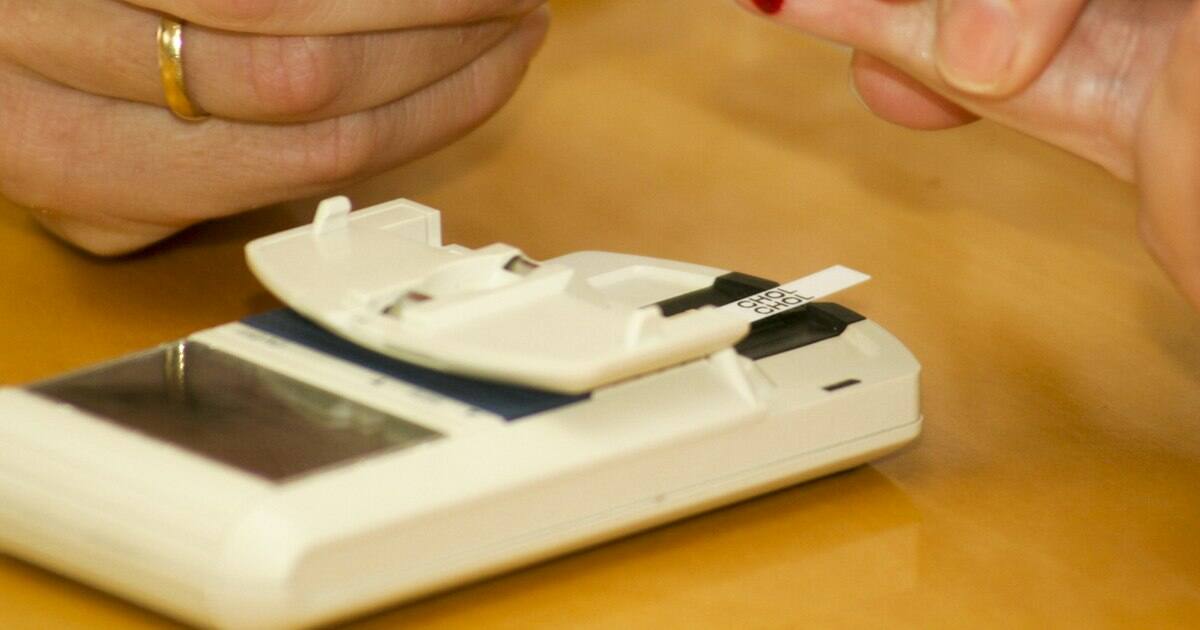
Self-monitoring of blood glucose (SMBG) is the single most important safety step. RSSDI, India's leading diabetes society, recommends glucose monitoring during fasting to guide medicine dosing, and studies during Navratri and Durga Puja have found that people who continue monitoring have fewer complications.
When to check
On fast days, consider checking:
- Before starting the fast (or on waking)
- Mid-morning or around noon
- Mid-afternoon, the riskiest time for lows in a one-meal fast
- Before breaking the fast
- About two hours after the main meal
- Any time you feel unwell, shaky, sweaty or confused
Checking your blood sugar does not break the fast in most traditions. If you use a continuous glucose monitor (CGM), the festival is a good time to wear one; see our CGM guide.
Targets to discuss with your doctor
| Situation | Action |
|---|---|
| Sugar below 70 mg/dL | Break the fast and treat the low immediately |
| Sugar below 90 mg/dL in the first few hours of the fast, especially on sulfonylureas or insulin | Discuss with your doctor in advance; often a reason to stop that day's fast |
| Sugar above 300 mg/dL | Break the fast, drink water and contact your doctor |
| Symptoms of low sugar, dehydration or illness | Break the fast regardless of the reading |
Your doctor's ranges for you may be different; follow them.
Recognising and treating low sugar
Signs of hypoglycaemia include shakiness, sweating, a racing heart, sudden hunger, irritability, blurred vision, headache, confusion and, in severe cases, seizures or unconsciousness. Older adults and people with long-standing diabetes may have fewer warning signs.
Use the "Rule of 15":
- Take about 15 g of fast-acting sugar: 3–4 glucose tablets, 1 tablespoon of sugar or glucose powder in water, or about 150 ml of regular fruit juice.
- Recheck after 15 minutes.
- If still below 70 mg/dL, repeat.
- Once above 70, eat a small snack with protein (milk, nuts, paneer) if your next meal is more than an hour away.
If someone is drowsy or unable to swallow safely, do not force food or liquid into the mouth. Call for emergency help (dial 108 or 112).
Garba, dandiya and exercise
Hours of garba are excellent exercise, but they burn glucose fast. If you plan to dance:
- Check your sugar before you start and carry glucose tablets with you
- Do not dance on a completely empty stomach after a day of fasting
- Drink water regularly; October evenings in Gujarat and Maharashtra can still be warm
- Stop and check if you feel unusually tired, dizzy or sweaty
After Navratri: Dussehra, Diwali and Getting Back on Track
Navratri leads straight into Dussehra (20 October 2026) and then the Diwali season, the longest stretch of festive eating in the Indian calendar. A few habits help:
- Return to your usual medicine plan as your doctor advised once fasting ends. Do not continue reduced doses without checking.
- Recheck your sugars for a few days after the festival, as routines shift.
- Plan an HbA1c test about three months later, around January, to see the overall effect of the festive season.
- Look at your fasting and post-meal readings together; our blood sugar test guide explains how to read them.
Keeping your glucose readings and lab reports in one place makes these conversations with your doctor much easier. When you upload your reports to MedicalVault, your HbA1c, fasting sugar and post-meal values are organised automatically, and MedicalVault's trend analysis shows how the festive months affected your control. If you are helping a parent with diabetes observe the fast in another city, the family sharing feature lets you see their latest reports and spot a worrying pattern early. For a broader look at long-term care, read our diabetes management guide.
Key Takeaways
- Navratri fasting with diabetes is possible for many people with well-controlled diabetes, but it needs planning and a doctor's advice before 11 October.
- People with type 1 diabetes, recent severe lows, poor control, pregnancy, advanced kidney or heart disease, or on multiple insulin doses are usually advised not to fast.
- Sulfonylureas (glimepiride, gliclazide) and insulin carry the highest risk of low sugar; never adjust doses without your doctor.
- Choose samak rice, kuttu and rajgira rotis, paneer, curd and roasted makhana over fried sabudana, kuttu puris and large potato portions.
- Check your sugar several times a day; checking does not break the fast. Break the fast if sugar is below 70 mg/dL or above 300 mg/dL, or if you feel unwell.
- Carry glucose tablets, especially during garba and dandiya, and teach family members the signs of low sugar.
- Track your readings before, during and after the festival; MedicalVault keeps your sugar trends and reports organised so your doctor can fine-tune your plan.