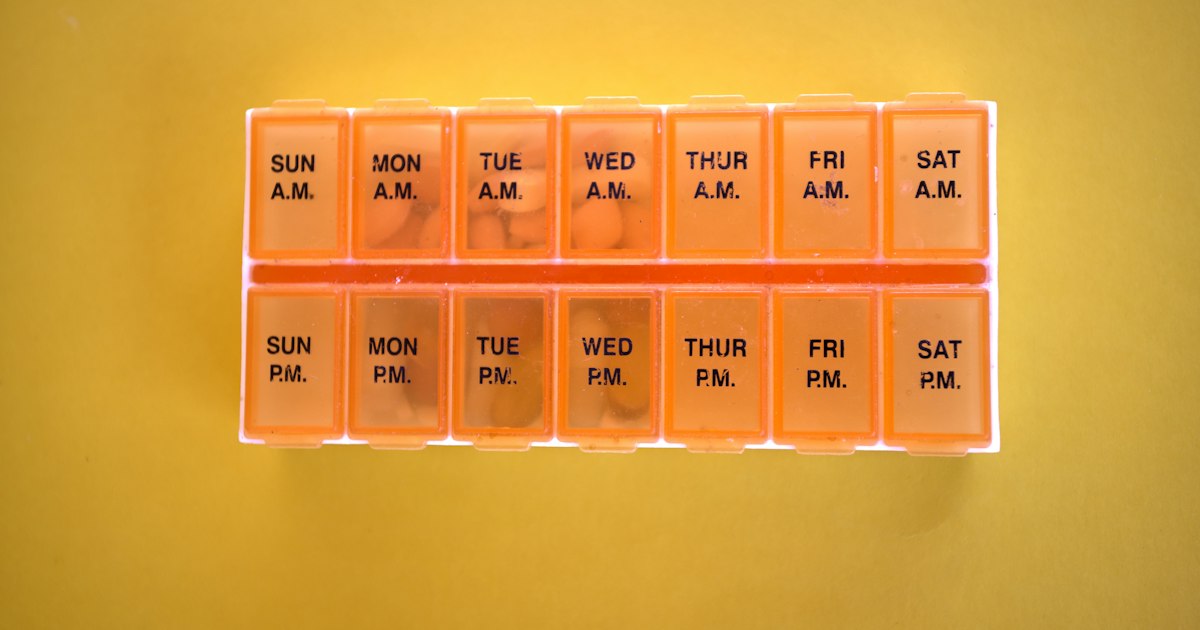
Open the medicine box in almost any Indian home with elderly parents and you will find the same scene: strips from three different specialists, a bottle of "gas" syrup, a sleeping tablet "taken only when needed" for the last five years, two different brands of the same blood pressure medicine, some calcium and vitamin tablets, and an ayurvedic churan someone recommended. Your father may be swallowing ten or twelve tablets a day, and no single doctor has seen the full list.
This is polypharmacy, usually defined as regularly taking five or more medicines, and it is one of the most common and least discussed health risks for older Indians. A study at the geriatric clinic of AIIMS New Delhi found patients were taking an average of 6.7 medicines each, and 65% of prescriptions contained at least one potentially inappropriate medicine for older adults. Polypharmacy increases the risk of falls, confusion, kidney damage, hospital admissions and drug interactions. The good news is that it can be managed with a little organisation and the right questions. This guide explains why polypharmacy happens, which medicines need special care in older people, warning signs of medicine side effects, and a practical system for managing your parents' medicines safely.
Why Polypharmacy Is So Common in India
Many older Indians live with several chronic conditions at once: diabetes, high blood pressure, heart disease, arthritis, thyroid problems, prostate enlargement, and acid reflux. Each condition can need two or three medicines. But Indian healthcare habits add extra layers:
- Multiple specialists, no single coordinator: A cardiologist, diabetologist, orthopaedic surgeon and urologist may each prescribe without seeing the others' prescriptions.
- Prescriptions that are never reviewed: A medicine started after a hospital stay five years ago may still be taken because "the doctor said so".
- Brand confusion: The same drug sold under different brand names can lead to accidental double doses. For example, a person may take one paracetamol brand for fever and a cold-and-cough combination that also contains paracetamol. Our generic medicines guide explains how to identify the actual drug behind the brand.
- Self-medication and chemist advice: Painkillers, antacids, sleeping pills, and cough syrups are often bought without a prescription.
- Fixed-dose combinations: India has many combination tablets (for example, painkiller plus muscle relaxant), which can hide additional drugs.
- Traditional and herbal remedies: Ayurvedic, homoeopathic and herbal products are often taken alongside allopathic medicines without telling the doctor.
- The "prescribing cascade": A side effect of one drug is mistaken for a new illness and treated with another drug. A classic example is ankle swelling from the blood pressure medicine amlodipine being treated with a diuretic, which then causes frequent urination, low sodium or dizziness.
Why Older Bodies Handle Medicines Differently
With age, the body processes medicines differently:
- Kidney function declines, even if blood creatinine looks "normal", so drugs cleared by the kidneys can build up. Our kidney function test guide explains eGFR, a better measure than creatinine alone.
- Liver metabolism slows, prolonging the effects of many drugs.
- Body fat increases and water decreases, changing how drugs are distributed.
- The brain becomes more sensitive to sedatives, sleeping pills and drugs with anticholinergic effects.
- Balance and reflexes weaken, so dizziness from a medicine is more likely to cause a fall.
The result: a dose that was perfect at 50 may be too much at 75.
Medicines That Need Extra Caution in Older Adults
Doctors worldwide use lists such as the Beers Criteria and STOPP/START criteria to identify medicines that are potentially inappropriate for older adults. These are not banned drugs; they are medicines whose risks often outweigh their benefits in elderly people, or which need careful monitoring. Common examples in India include:
| Medicine group | Common Indian examples | Possible risks in older adults |
|---|---|---|
| Benzodiazepine sleeping pills and anti-anxiety drugs | Alprazolam (Alprax), clonazepam (Clonotril, Rivotril), nitrazepam | Drowsiness, confusion, memory problems, falls and hip fractures, dependence |
| Older antihistamines | Chlorpheniramine, pheniramine (Avil), often hidden in cold-and-cough combinations | Confusion, constipation, urine retention, dry mouth |
| Painkillers (NSAIDs) | Diclofenac, aceclofenac, ibuprofen, nimesulide combinations | Kidney damage, stomach bleeding, high blood pressure, heart failure worsening |
| Long-acting sulphonylureas | Glibenclamide | Prolonged low blood sugar (see our hypoglycaemia guide) |
| Long-term acid suppressants (PPIs) | Pantoprazole, omeprazole, rabeprazole taken for years | Low B12 and magnesium, fractures, infections |
| Older antidepressants | Amitriptyline | Dizziness, confusion, heart rhythm effects |
| Muscle relaxants | Chlorzoxazone, thiocolchicoside combinations | Drowsiness, falls |
| Some bladder medicines | Oxybutynin | Confusion, constipation |
| Antipsychotics for behaviour in dementia | Various | Increased risk of stroke and death; use only under specialist guidance |
If your parent is on any of these, do not stop them suddenly. Some, especially sleeping pills, blood pressure medicines, steroids and anti-epileptic drugs, can cause dangerous withdrawal effects if stopped abruptly. Instead, ask the doctor whether the medicine is still needed, whether the dose can be reduced, or whether a safer alternative exists.
Dangerous combinations to ask about
- Blood thinners plus painkillers: Warfarin, clopidogrel or aspirin combined with NSAIDs greatly increases bleeding risk. Patients on warfarin need regular PT-INR tests.
- The "triple whammy" for kidneys: An ACE inhibitor or ARB (such as telmisartan or ramipril) plus a diuretic plus an NSAID can cause acute kidney injury, especially during dehydration in summer.
- Potassium-raising combinations: ACE inhibitors or ARBs with spironolactone or potassium supplements can push potassium dangerously high.
- Multiple sedating drugs together: Sleeping pills plus antihistamines plus painkillers such as tramadol greatly increase the risk of confusion and falls.
- Diuretics and some antidepressants can lower sodium, causing confusion and falls. Our electrolyte panel guide explains how sodium levels are checked.
Warning Signs That Medicines May Be Causing Problems
Many medicine side effects in older people are mistaken for "just old age". Watch for:
- New confusion, forgetfulness or drowsiness, which can mimic dementia (see our dementia guide)
- Falls, dizziness or unsteadiness, especially when standing up
- Loss of appetite, nausea or weight loss
- Constipation or difficulty passing urine
- Unusual bleeding or bruising
- Swelling of the feet
- Very low or very high sugar or blood pressure readings
- Low mood, agitation or sleep changes
If any of these appear, especially after a new medicine is started or a dose is changed, contact the doctor.
Lab tests that help monitor medicine safety
| Test | Why it matters for older adults on multiple medicines |
|---|---|
| Kidney function (creatinine, eGFR) | Many doses must be adjusted for kidney function |
| Electrolytes (sodium, potassium) | Diuretics, ACE inhibitors and some antidepressants can disturb levels |
| Liver function tests | Some drugs affect the liver |
| HbA1c and blood sugar | Over-treatment can cause dangerous lows in the elderly |
| Vitamin B12 | Long-term metformin and PPIs can lower B12 (see our B12 guide) |
| PT-INR | Essential for patients on warfarin or acenocoumarol |
| Thyroid tests | Dose of thyroxine may need adjustment with age |
Your doctor will decide which tests are needed and how often, usually as part of an annual senior citizen health check-up.
A Practical System for Managing Your Parents' Medicines
Step 1: Do a "brown bag" review
Put every medicine your parent takes into a bag, including tablets, syrups, inhalers, eye drops, creams, vitamins, ayurvedic and homoeopathic products, and take the bag to the doctor. Ask the doctor to review everything together. This simple step, called a brown bag medication review, regularly uncovers duplicate drugs, expired medicines and forgotten prescriptions.
Step 2: Create a master medicine list
Prepare a single, up-to-date list with:
| Column | Example |
|---|---|
| Medicine name (generic and brand) | Metformin 500 mg (Glycomet) |
| Dose and timing | 1 tablet after breakfast and dinner |
| Reason | Diabetes |
| Prescribed by | Dr. Sharma, diabetologist |
| Start date | March 2024 |
| Review date | Next HbA1c visit |
Keep this list on the fridge, in your parent's wallet and on your phone. Take it to every doctor visit and hospital admission. Our hospital discharge summary guide explains how to check that medicines are updated correctly after a hospital stay.
Step 3: Ask the right questions at every visit
- "Is every medicine on this list still needed?"
- "Can any dose be reduced now that my parent is older?"
- "Could any of their symptoms be a side effect of a medicine?"
- "Are there any interactions between these medicines and their ayurvedic or herbal products?"
- "What is the goal of this medicine, and how will we know it is working?"
- "Is there a cheaper generic equivalent?"
This process of reducing or stopping medicines that are no longer helpful, under a doctor's supervision, is called deprescribing. It is a positive step, not a lack of care.
Step 4: Make taking medicines easy and safe
- Use a weekly pill organiser with morning, afternoon and night compartments
- Set phone alarms or use a medication reminder app
- Buy from one regular pharmacy that can spot duplicates and interactions
- Keep medicines in their original strips until filled into the organiser, so they can be identified
- Check expiry dates regularly and dispose of old medicines safely
- For parents with poor eyesight, ask the pharmacist to write the purpose on each box in large letters, in the language they read
- Be cautious with online pharmacies; our e-pharmacy safety guide explains what to check
Step 5: Keep all prescriptions and reports in one place
The root cause of polypharmacy is often fragmented information: prescriptions on paper, reports in different files, and each doctor seeing only part of the picture. When you upload your parents' prescriptions and reports to MedicalVault, every doctor can see the complete history. MedicalVault's family sharing feature lets siblings living in different cities, or abroad, see the same up-to-date information. If you manage parents' health from overseas, our NRI guide to managing elderly parents' health has more practical tips.
Key Takeaways
- Polypharmacy, taking five or more medicines regularly, is very common among older Indians; an AIIMS study found an average of 6.7 medicines per patient and inappropriate medicines in 65% of prescriptions.
- Multiple specialists, brand confusion, fixed-dose combinations, self-medication and herbal remedies all add to the risk.
- Older bodies process medicines differently, making sleeping pills, older antihistamines, NSAID painkillers and some diabetes drugs riskier.
- New confusion, falls, dizziness or loss of appetite may be medicine side effects, not just ageing.
- Never stop medicines suddenly; ask the doctor about reviewing and reducing them (deprescribing).
- Do a brown bag review, keep a master medicine list, use a pill organiser and buy from one pharmacy.
- Keep every prescription and lab report organised with MedicalVault so all doctors and family members see the complete, current picture.