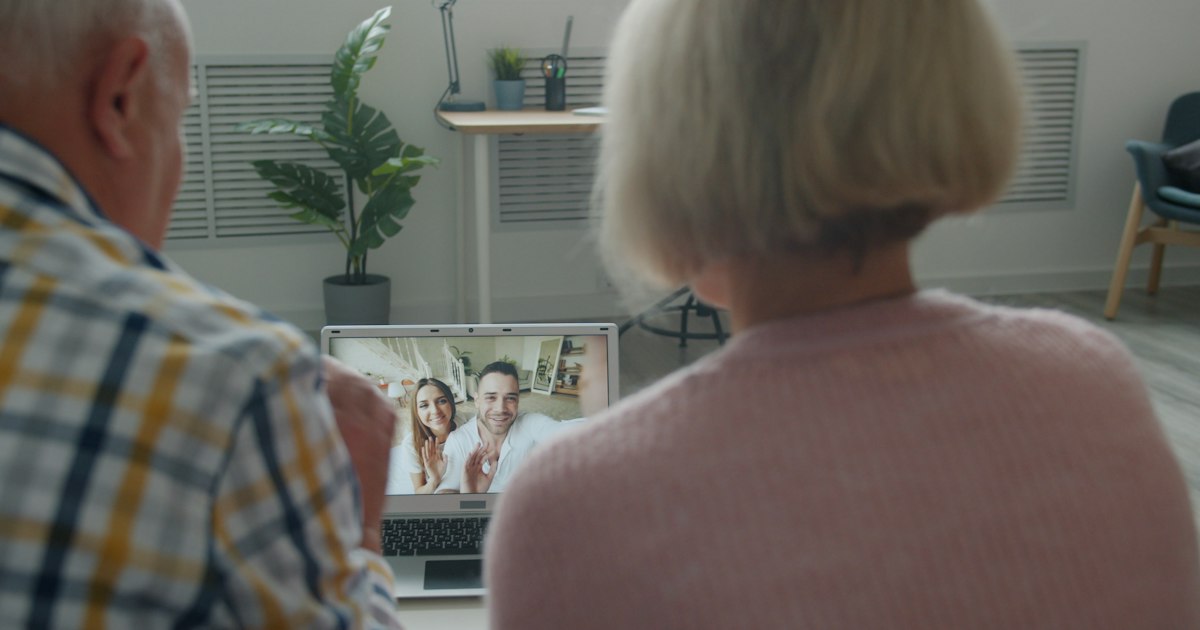
It is 2 a.m. in Toronto when your phone lights up with a call from Kochi. Your mother's voice is shaky: your father fainted in the bathroom, the neighbour has taken him to the hospital, and the doctor wants to know his medicines, his last ECG, and whether he has insurance. You know he takes "a BP tablet and a sugar tablet", but not their names. The insurance papers are somewhere in a steel almirah. And you are 13,000 kilometres away.
For millions of Indian families, this is the hardest part of living abroad. India has more than 3 crore people of Indian origin living overseas, and many have parents ageing alone back home. According to UNFPA's India Ageing Report 2023, people over 60 made up 10.5% of India's population in 2022 and are expected to reach about 20.8% by 2050, and roughly one in five elderly Indians lives alone or only with a spouse. The Longitudinal Ageing Study in India (LASI) found that about three in four older Indians live with at least one chronic disease, such as diabetes, high blood pressure, arthritis or heart disease. This guide is for NRIs and children living in other cities who want to manage their parents' health with confidence: the documents to set up, insurance options, how to monitor health remotely, how to plan for emergencies, and how to keep records organised.
Start With the Paperwork: Your Parents' Health File
Most crises turn into chaos because nobody can find the right information at the right time. The single most useful thing you can do on your next visit home is build a health file with your parents, both on paper and digitally.
What the health file should contain
| Document | Why it matters |
|---|---|
| Current medicine list (brand name, generic name, dose, timing) | The first question every emergency doctor asks |
| Diagnoses and allergies | Prevents dangerous drug reactions |
| Recent lab reports (HbA1c, kidney function, lipid profile, CBC, thyroid) | Shows the baseline before a new illness |
| ECG, echo and scan reports | Critical for chest pain, breathlessness or stroke |
| Discharge summaries from past admissions | Gives the full history of surgeries and serious illnesses |
| Health insurance policy and TPA card | Needed for cashless admission |
| Aadhaar, ABHA ID, CGHS or Ayushman card | Identity and scheme benefits |
| Doctor contacts (family physician, specialists) | So hospitals can get history quickly |
| Emergency contacts (local relative, neighbour, friend) | For people who can reach your parents in minutes |
| Living will, if made | Records their wishes about life support |
Keep a one-page medical summary in your parents' wallets and on the fridge door, and make sure the same information is on your phone. Our hospital discharge summary guide explains what to collect after every admission.
Create an ABHA ID
The Ayushman Bharat Health Account (ABHA) gives your parents a 14-digit health ID that can link records from participating hospitals and labs. It is free and can be created using Aadhaar. Our ABHA card guide explains the process.
Consent, living wills and authority to decide
Indian hospitals generally take consent from the patient or, if they cannot decide, from relatives present at the bedside. When you are abroad, that relative is often a sibling, cousin or neighbour, so discuss your parents' wishes openly in advance.
- Living will (advance medical directive): Since the Supreme Court's 2018 judgment, and its simplified guidelines of January 2023, an adult in India can write a living will stating whether they want life support in a terminal or irreversible condition. It must be signed in front of two witnesses and attested by a notary or gazetted officer. It can also name a guardian or close relative to take decisions on their behalf. Keep copies with the family doctor and in the health file.
- Joint bank accounts or nominations: Make sure someone in India can access funds quickly for hospital deposits.
- Authorisation letters: Many hospitals and labs will share reports with a family member if the patient signs an authorisation, which helps a local relative collect reports.
These are sensitive conversations, but having them while your parents are healthy prevents agonising decisions later.
Health Insurance and Financial Protection
A serious hospitalisation in a private hospital can cost lakhs of rupees, and deposits are often demanded at admission. Insurance is the backbone of any plan.
Buying health insurance for parents from abroad
- NRIs can buy health insurance for parents living in India, usually online. Premiums are paid in rupees, typically from an NRE or NRO account or an Indian card.
- Senior citizen plans are available for people in their 60s and 70s, and many insurers now accept older applicants. IRDAI rules from 2024 removed the upper age limit for buying new health insurance and capped waiting periods for pre-existing diseases at three years.
- Expect co-payments (often 10 to 30%) and room rent limits in senior plans. Read the policy wording carefully.
- Add a super top-up for higher cover at a lower premium.
- Buy early: premiums and medical check-up requirements rise with age, and existing conditions have waiting periods.
If you pay tax in India and choose the old regime, premiums you pay for your parents may qualify under Section 80D (Section 126 of the new Income-tax Act from tax year 2026-27). See our Section 80D guide.
Government schemes your parents may already qualify for
- Ayushman Vay Vandana card: Since late 2024, all Indians aged 70 and above are eligible for up to ₹5 lakh of cashless hospital cover a year under PM-JAY, regardless of income. See our PM-JAY guide.
- CGHS: If a parent is a central government pensioner, CGHS offers wide coverage, including free OPD medicines.
- State schemes and ECHS (for ex-servicemen) may also apply.
Keep an emergency fund accessible
Even with insurance, there are deposits, non-covered items and home care costs. Keep an amount your parents or a trusted local person can access immediately, without waiting for an international transfer.
Monitoring Your Parents' Health From Afar
Build a local care team
You cannot do this alone from abroad. A good local team usually includes:
- A family physician who knows your parents and can coordinate with specialists. This is the single most valuable relationship you can build.
- A local point person: a sibling, cousin, neighbour or trusted family friend who can reach your parents within 30 minutes.
- A nearby hospital that is empanelled with your parents' insurer for cashless treatment.
- A pharmacy that delivers medicines on schedule.
- Professional help when needed: home nursing, physiotherapy, attendants or eldercare services. Organised eldercare in Indian cities typically costs ₹10,000 to ₹50,000 a month, depending on the level of care.
Regular check-ups and home testing
- Annual health check-up: Our senior citizen health check-up guide lists the tests that matter after 60.
- Home sample collection: Most major labs can collect blood at home and send reports by email or app, which is ideal for parents who find travel difficult. Read our home sample collection guide.
- Home devices: A reliable digital BP monitor, glucometer and pulse oximeter let your parents share readings during your calls.
- Teleconsultations: Many hospitals offer video consultations, and the government's eSanjeevani service provides free online OPD consultations (see our eSanjeevani guide).
Managing medicines
Medication mistakes are one of the most common problems among older people living alone.
- Use a weekly pill organiser with morning, afternoon and night compartments.
- Keep a printed medicine chart with both brand and generic names.
- Set up automatic refills with a local pharmacy or online pharmacy.
- Ask the family physician to review all medicines every 6 to 12 months, especially if several specialists are prescribing.
Warning signs to watch for on video calls
Regular video calls let you notice changes your parents may not mention:
| What you notice | What it may indicate |
|---|---|
| Weight loss, loose clothes, an empty fridge | Poor appetite, depression, diabetes problems or other illness |
| Bruises, limping, a new walking stick | Falls, which are a major cause of injury and hospitalisation in older adults |
| Repeating questions, confusion about dates, missed bills | Early memory problems or dementia (see our dementia guide) |
| Breathlessness while talking, swollen feet | Heart or lung problems |
| Unopened medicine strips or confusion about tablets | Missed doses |
| Withdrawal, low mood, loss of interest | Depression, which is common and treatable |
| Untidy home or poor personal hygiene | Difficulty coping with daily activities |
If you notice any of these, ask the local point person to visit and arrange a doctor's review.
Planning for Emergencies
Every family should have a written emergency plan that both parents, the local contact and you understand.
The emergency plan checklist
- Emergency numbers: 112 (national emergency), 108 (ambulance in most states), and the hospital's own ambulance number. Save these on your parents' phones and in large print near the phone.
- Elderline 14567: The national helpline for senior citizens, run by the Ministry of Social Justice and Empowerment, offers information, guidance and help with elder abuse issues.
- Preferred hospital for emergencies, ideally close, well-equipped and cashless with their insurer.
- Who goes to the hospital and who calls whom.
- Where the health file is, including insurance documents and the medicine list.
- Money for the deposit.
- When you will fly home: agree in advance on what situations need you there, such as ICU admission, major surgery or a new serious diagnosis.
Safety at home
Many emergencies in older adults start at home. A few low-cost changes help:
- Grab bars and anti-slip mats in the bathroom
- Good lighting on stairs and at night
- Remove loose rugs and clutter
- A wearable alert button or a phone with emergency SOS settings
- Smart cameras or door sensors, with your parents' consent
Keeping Your Parents' Records Together
The biggest obstacle for children living abroad is information. Reports are spread across lab emails, hospital files, WhatsApp chats with relatives and paper folders at home. When an emergency happens or a new doctor needs the history, nobody can find the right document.
When you upload your parents' reports to MedicalVault, every lab report, prescription and discharge summary is organised in one place, with test values extracted automatically, so you can see your father's latest HbA1c or creatinine from anywhere in the world. MedicalVault's trend analysis shows whether his sugar, kidney function or haemoglobin is changing over months and years, which helps you have informed conversations with his doctor during your next video call. With the family sharing feature, you, your siblings in other countries and the local relative who takes your parents to appointments can all see the same up-to-date records.
Key Takeaways
- India's elderly population is set to double to about 20% by 2050, and around three in four older Indians live with a chronic disease, so planning ahead matters.
- Build a health file with your parents: medicine list, diagnoses, allergies, recent reports, insurance details, an ABHA ID and emergency contacts.
- Discuss wishes early; a living will in India now needs only two witnesses and a notary or gazetted officer, and can name a relative to take decisions.
- NRIs can buy health insurance for parents from abroad; also check Ayushman Vay Vandana for parents aged 70+ and CGHS for central government pensioners.
- Build a local care team: a family physician, a nearby point person, a cashless hospital and a delivering pharmacy, plus home care services when needed.
- Use home sample collection, home BP and sugar monitors, teleconsultations and regular video calls to spot warning signs early.
- Keep a written emergency plan with 112, 108 and Elderline 14567, and store all reports in MedicalVault so the whole family can access them from anywhere.