A 44-year-old finance manager in Pune woke up one morning unable to lift his right arm. His wife assumed he had slept awkwardly. By the time they reached the hospital three hours later, the window for life-saving treatment had closed. He survived, but with permanent weakness on his right side. Stories like his repeat themselves across India every 20 seconds — the precise frequency with which a stroke strikes someone in this country.
Stroke is now the fourth leading cause of death and the fifth leading cause of disability in India. Over 18 lakh new cases occur every year, and alarmingly, 20–30% of them happen in people under 50. If you have high blood pressure, diabetes, or a family history of heart disease, reading this could be the most important 10 minutes you spend today.
What Is a Stroke?
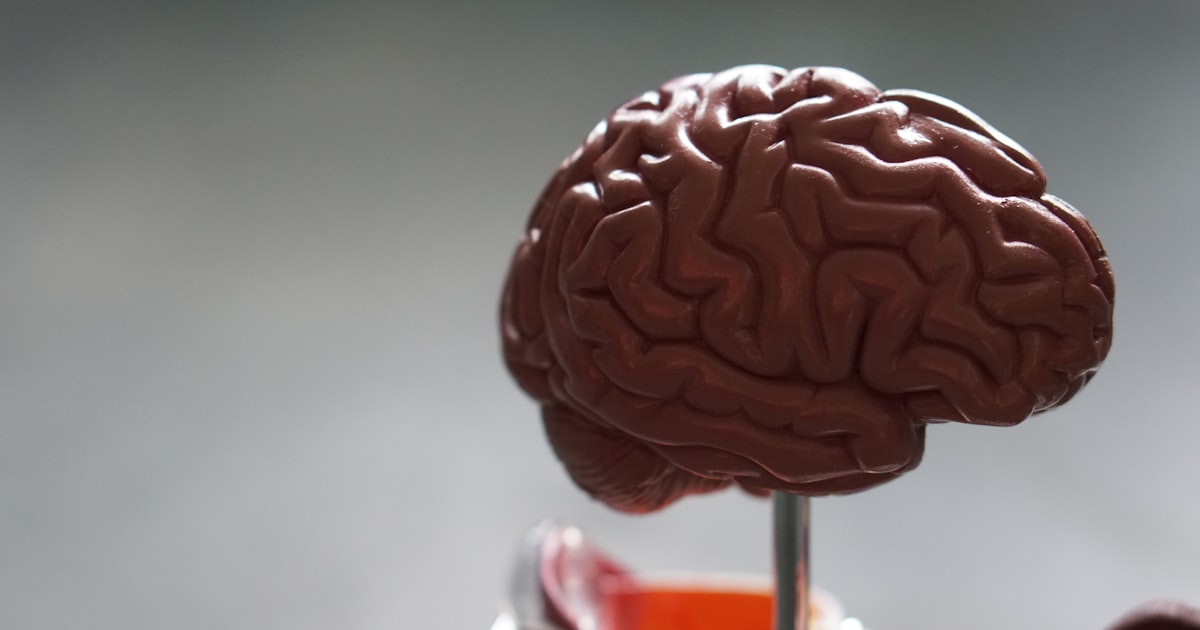
A stroke — also called a brain attack — occurs when blood supply to part of the brain is suddenly cut off. Brain cells begin dying within minutes because, unlike other organs, the brain has no reserve oxygen supply. Every minute of delay destroys approximately 1.9 million neurons. That is why the medical community repeats one phrase relentlessly: time is brain.
There are two main types.
Ischaemic Stroke
This accounts for roughly 80–85% of all strokes in India. A blood clot either forms inside a brain artery (thrombotic stroke) or travels from elsewhere — typically the heart or a neck artery — and lodges in the brain (embolic stroke). Atrial fibrillation, a common irregular heart rhythm, is one of the leading causes of embolic stroke.
Haemorrhagic Stroke
Here, a blood vessel in or around the brain ruptures, causing bleeding that damages surrounding tissue. High blood pressure is the single biggest cause. An intracerebral haemorrhage bleeds into the brain tissue itself; a subarachnoid haemorrhage bleeds into the space surrounding the brain and is often caused by a ruptured aneurysm. Haemorrhagic strokes are less common but carry a significantly higher short-term mortality rate.
Transient Ischaemic Attack (TIA) — The Warning Shot
A TIA, or mini-stroke, produces the same symptoms as a full stroke but resolves completely within 24 hours (usually within minutes). Do NOT ignore a TIA. It is a medical emergency and a critical warning sign: up to 10–15% of TIA patients will have a full stroke within 3 months, with the highest risk in the first 48 hours. Any episode of sudden numbness, speech difficulty, or vision loss — even brief — demands immediate hospital assessment.
Recognise a Stroke Instantly: The FAST Test
The Indian Stroke Association's FAST acronym is the single most important thing every Indian family should memorise:
- F — Face drooping: Ask the person to smile. Does one side of the face droop? Is their smile uneven?
- A — Arm weakness: Ask them to raise both arms. Does one arm drift downward?
- S — Speech difficulty: Ask them to repeat a simple sentence. Is their speech slurred, garbled, or strange?
- T — Time to call 112: If ANY one of these signs is present, call 112 immediately and note the exact time symptoms started.
Additional symptoms that also demand urgent attention:
- Sudden severe headache described as "the worst headache of my life" (classic sign of subarachnoid haemorrhage)
- Sudden loss of vision in one or both eyes, or double vision
- Sudden severe dizziness, loss of balance, or inability to walk
- Sudden confusion or trouble understanding simple speech
- Sudden numbness or weakness of the face, arm, or leg — especially on one side of the body
Why Indians Are at Heightened Risk
The Global Burden of Disease study found that hypertension is the single largest contributor to stroke in India, present in nearly 57% of stroke patients. But the risk landscape in India is uniquely layered.
The Hypertension–Stroke Connection
India has over 22 crore people with hypertension, and a staggering proportion — over 50% — are unaware they have it. Persistent high blood pressure weakens and scars arterial walls, making them prone to both clotting and rupture. Controlling blood pressure is the single most powerful stroke prevention strategy available. Our complete guide on high blood pressure covers how to track, manage, and interpret your readings.
Diabetes and Stroke Risk
People with type 2 diabetes have two to four times the stroke risk of those without it. Chronically elevated blood glucose damages the inner lining of blood vessels (endothelium), accelerates atherosclerosis, and promotes clot formation. India's 10 crore diabetics — the world's largest diabetic population — carry a disproportionate stroke burden. Keeping your HbA1c in check is critical; learn more in our HbA1c guide.
Dyslipidaemia — The Silent Artery-Hardener
High LDL cholesterol and low HDL cholesterol deposit fatty plaques in carotid arteries (the neck arteries supplying the brain), significantly raising stroke risk. Indians tend to have lower HDL and higher triglycerides than Western populations, even at lower BMI. Our lipid profile guide explains how to interpret your cholesterol numbers.
Tobacco Use
India has 27 crore tobacco users. Smoking doubles stroke risk; smokeless tobacco (gutka, khaini) raises it by 50–70%. Nicotine raises blood pressure and promotes clot formation.
Atrial Fibrillation (AF)
AF — an irregular heartbeat — causes blood to pool and clot in the heart's upper chambers. These clots can travel to the brain and cause a massive embolic stroke. AF often produces no obvious symptoms and is frequently detected only during a routine ECG. Every person over 40 should have their pulse checked regularly and an ECG if irregular rhythm is suspected.
Urban Lifestyle Factors
Rapid urbanisation has created a perfect storm: sedentary desk jobs, high-sodium processed foods, chronic stress, disrupted sleep, and heavy alcohol use. Young urban professionals — especially those in IT and finance — increasingly feature in stroke wards.
Diagnosis: Tests Your Doctor Will Order
A stroke is a medical emergency, and every minute saved from "door to imaging" matters. Here is what happens at a stroke-capable hospital in India:
Non-Contrast CT Scan
This is the first test — done within 25 minutes of arrival at most stroke centres. It is primarily used to rule out haemorrhage (which appears bright white on CT). A normal CT in a patient with acute symptoms strongly suggests ischaemic stroke and may allow thrombolysis to proceed.
MRI with Diffusion-Weighted Imaging (DWI)
MRI is far more sensitive than CT for detecting early ischaemic stroke — it can show infarct within minutes of onset. DWI-MRI is considered the gold standard for acute stroke diagnosis and is available at most major government and private hospitals in metro cities. It also helps determine how much brain tissue is potentially salvageable.
CT Angiography (CTA) / MR Angiography (MRA)
These specialised scans image the blood vessels of the brain and neck to identify the site of blockage or bleeding. They are essential if mechanical thrombectomy (clot removal) is being considered, as they identify large vessel occlusions.
ECG (Electrocardiogram)
Performed in all stroke patients to detect atrial fibrillation and other cardiac arrhythmias that may have caused an embolic stroke. Often done alongside an echocardiogram to look for clots inside the heart.
Blood Tests
A panel of blood investigations is done urgently:
| Test | Why It Matters in Stroke |
|---|---|
| Blood glucose (random) | Hypoglycaemia and hyperglycaemia both mimic stroke |
| Full Blood Count (CBC) | Rules out polycythaemia; checks platelet count |
| INR / PT | Checks clotting status, especially if on anticoagulants |
| Lipid profile | Guides long-term prevention |
| HbA1c | Reveals chronic blood sugar control |
| Electrolytes (sodium, potassium) | Electrolyte imbalance can mimic stroke symptoms |
| Renal function (KFT) | Needed before contrast imaging |
Tracking all these test results over time is a challenge for most Indian families navigating paper reports. MedicalVault's trend analysis feature lets you upload and monitor these values longitudinally, so your doctor can see the full picture at every follow-up.
Carotid Doppler Ultrasound
This non-invasive scan checks for plaque build-up or narrowing in the carotid arteries in the neck. It is especially useful in ischaemic stroke workup and for monitoring patients at high risk of recurrent stroke.
Treatment: The 4.5-Hour Window
For ischaemic stroke, intravenous tPA (tissue plasminogen activator) — a clot-dissolving drug — can dramatically reduce disability and death, but it must be given within 4.5 hours of symptom onset. In India, only a minority of stroke patients receive tPA, largely because of delayed hospital arrival.
For large vessel blockages, mechanical thrombectomy — where a catheter is passed through an artery to physically remove the clot — extends the treatment window to up to 24 hours in selected patients and is now available at major stroke centres in Chennai, Mumbai, Delhi, Bengaluru, and Hyderabad.
Haemorrhagic strokes are managed differently: blood pressure control, reversal of anticoagulation, and sometimes surgical intervention are the mainstays.
After stabilisation, rehabilitation — physiotherapy, speech therapy, and occupational therapy — begins as early as 24–48 hours. Early rehabilitation significantly improves long-term recovery.
Prevention: What You Can Do Right Now
Up to 90% of strokes are preventable through risk factor control and lifestyle changes. The 2024 AHA/ASA Primary Stroke Prevention Guidelines reinforce these priorities:
Control Blood Pressure — Non-Negotiably
Target: below 130/80 mmHg for most adults. Monitor at home; do not skip medications. Salt reduction (less than 5 g per day — roughly one teaspoon) is essential. Replace white salt with potassium-enriched salt substitutes if your doctor approves.
Manage Your Blood Sugar
Keep fasting glucose below 100 mg/dL and HbA1c below 7% (or as your doctor advises). Post-meal spikes are as damaging as fasting hyperglycaemia.
Treat Your Lipids
Keep LDL below 70 mg/dL if you have had a TIA or stroke (secondary prevention). Statins are the cornerstone; our guide on statins explains how they work and what to expect.
Stop Tobacco. Completely.
Even one cigarette a day carries risk. Smokeless tobacco is not safer. Use the government's iQuit programme or consult a cessation counsellor.
Dietary Changes That Work for Indians
- Increase: Leafy vegetables (palak, methi), fruits, dals, whole grains (brown rice, jowar, bajra), nuts (particularly walnuts and almonds)
- Reduce: Namkeen snacks, pickles, papad (high sodium), refined maida-based foods, vanaspati, organ meats, sugary drinks
- Cook smart: Switch to mustard oil or cold-pressed groundnut oil; avoid reheating and reusing oil
- Portion control: Indian meal sizes at family gatherings often exceed daily caloric needs significantly
Exercise: 150 Minutes a Week
Brisk walking — 30 minutes, five days a week — reduces stroke risk by 25–30%. Even short walks after meals help blood sugar and blood pressure. Yoga and pranayama have shown modest blood pressure benefits in Indian trials.
Screen for Atrial Fibrillation
If you are over 40, ask for a pulse check at your next visit. An irregular pulse should prompt an ECG. AF detected early can be treated with anticoagulants that cut stroke risk by 60–70%.
Storing and Tracking Your Stroke Risk Reports
Stroke prevention is a marathon, not a sprint. Your blood pressure readings, HbA1c trends, lipid profiles, and ECG findings need to be reviewed together — and consistently — at every doctor's visit. Most Indians manage these records scattered across clinic printouts, WhatsApp photos, and forgotten folders.
With MedicalVault, you can securely upload all your reports, organise them by family member, and use trend graphs to show your doctor how your blood pressure or LDL has changed over months. The family sharing feature is especially valuable for monitoring elderly parents who are in the highest-risk group for stroke. If you are managing a parent's health remotely from another city — a reality for millions of Indians — having all reports in one accessible place can be the difference between timely intervention and tragedy.
Key Takeaways
- A stroke occurs every 20 seconds in India; 1.8 million people are affected each year — and it is increasingly hitting those under 50
- FAST: Face drooping, Arm weakness, Speech difficulty — Time to call 112 immediately
- Ischaemic stroke (clot) accounts for 80–85% of cases; haemorrhagic stroke (bleed) the rest — treatment differs completely
- tPA thrombolysis within 4.5 hours and mechanical thrombectomy within 24 hours can dramatically reduce disability — getting to hospital fast is everything
- Hypertension, diabetes, high LDL, tobacco, and atrial fibrillation are the top modifiable risk factors in India — all treatable
- A TIA (mini-stroke) is a medical emergency, not a minor event — up to 15% progress to full stroke within 3 months
- Up to 90% of strokes are preventable; consistent monitoring of blood pressure, blood sugar, and lipids is the foundation of prevention
- Use MedicalVault to track your BP, sugar, and cholesterol trends over time — and share records seamlessly with your specialist