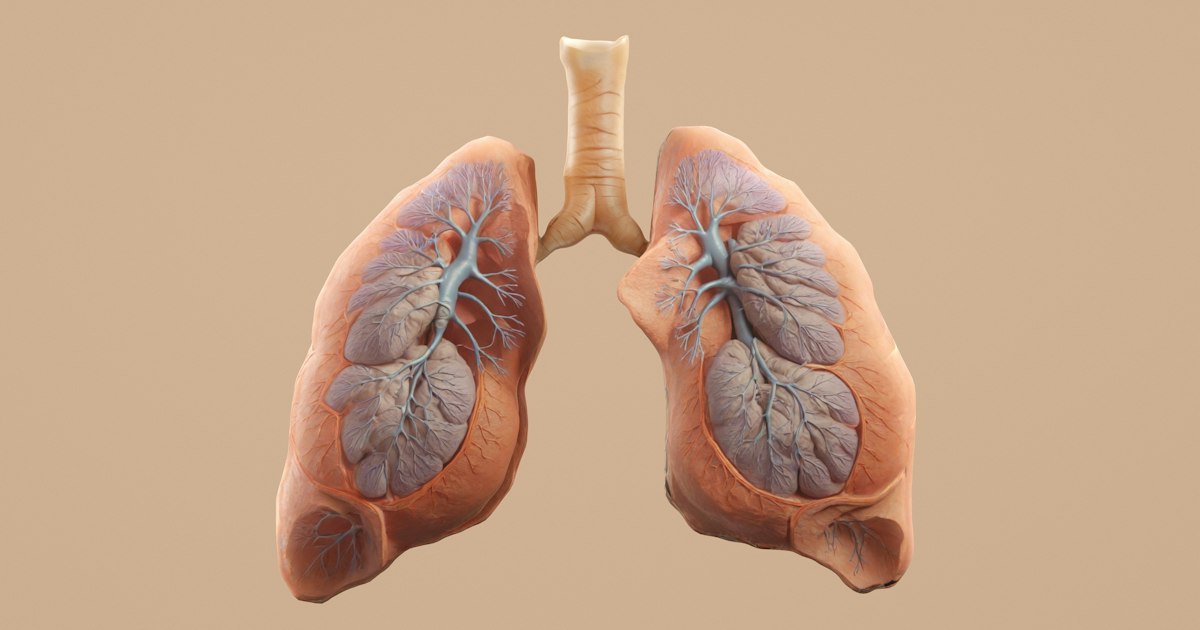
Every winter the same conversation plays out in Indian homes from Delhi to Kolkata: the cough that "always comes with the smog" has lingered for six weeks, the stairs feel steeper than last year, and someone suggests a cough syrup and a steam inhalation. What almost nobody suggests is the one test that can actually tell whether your lungs are narrowing: a spirometry or pulmonary function test (PFT). It takes about 20 minutes, costs less than a pair of running shoes, and is the only way to confirm conditions like asthma and COPD.
COPD is the second leading cause of death among Indians aged 25 to 69, and studies estimate that around 3 to 5 crore Indians live with it, most of them undiagnosed. This guide explains what a pulmonary function test measures, how to read the numbers on your report, what "normal" means for Indian lungs, and how to prepare so your result is accurate.
What Is a Pulmonary Function Test (PFT)?
A pulmonary function test is a group of breathing tests that measure how much air your lungs can hold, how fast you can blow it out, and how well oxygen passes into your blood. When an Indian doctor writes "PFT" on a prescription, they usually mean spirometry, the simplest and most common of these tests.
During spirometry you sit upright, wear a soft nose clip, seal your lips around a disposable mouthpiece and then:
- Breathe in as deeply as you possibly can
- Blast the air out as hard and fast as you can
- Keep blowing until your lungs feel completely empty (at least six seconds)
The technician will coach you loudly ("Blow, blow, keep going!") and repeat the manoeuvre at least three times to make sure the results are consistent. The machine, called a spirometer, draws a curve of your breath and calculates the key numbers.
Spirometry vs a full PFT
| Test | What It Measures | When It Is Ordered |
|---|---|---|
| Spirometry (pre and post bronchodilator) | How much and how fast you can exhale | Asthma, COPD, chronic cough, breathlessness, pre-surgery |
| Lung volumes (body box / plethysmography) | Total amount of air your lungs can hold | To confirm a "restrictive" spirometry pattern |
| DLCO (diffusion capacity) | How well oxygen crosses into the blood | Interstitial lung disease, post-COVID lung changes, unexplained breathlessness |
| Peak expiratory flow (PEF) | Fastest speed of a single blow | Home monitoring of asthma |
| FeNO | Allergic airway inflammation | Supporting an asthma diagnosis |
Most patients only need spirometry. Lung volumes and DLCO are usually done at larger hospitals and pulmonology centres when spirometry raises further questions.
Understanding Your Spirometry Report: The Key Numbers
A typical Indian PFT report has a table with columns labelled Pred (predicted), Pre (before medicine), %Pred, Post (after medicine) and sometimes LLN and Z-score. Here are the numbers that matter.
| Parameter | Full Name | What It Means |
|---|---|---|
| FVC | Forced Vital Capacity | Total air you can blow out after the deepest breath |
| FEV1 | Forced Expiratory Volume in 1 second | Air blown out in the very first second |
| FEV1/FVC | The ratio | Proportion of air you can expel in the first second; the key marker of airway narrowing |
| PEF | Peak Expiratory Flow | Fastest speed of your blow |
| FEF25–75 | Mid-expiratory flow | Flow in the middle of the breath; sometimes linked to small airways |
Pulmonary function test normal values
| Result | Usually Considered Normal |
|---|---|
| FEV1/FVC ratio | Above 0.70 (70%), or above the lower limit of normal (LLN) for your age |
| FEV1 | 80% of predicted or more (or Z-score above −1.645) |
| FVC | 80% of predicted or more (or Z-score above −1.645) |
| Bronchodilator response | No significant improvement after inhaler |
"Predicted" values are calculated from your age, sex, height and ethnicity. A 30-year-old, 5'10" man and a 65-year-old, 5'0" woman will have very different predicted numbers, so your result is always compared against someone like you, not against a fixed figure.
Why Indian lungs need Indian reference values
Research from Pune, Chandigarh, Kolkata and rural Tamil Nadu has consistently shown that healthy Indians have smaller lung volumes on average than people of European origin of the same height. Many spirometers sold in India are still set to European (Caucasian) or "Other" reference equations by default.
The result: a perfectly healthy Indian adult can be labelled as having a "mild restriction" simply because the machine expected bigger lungs. The FEV1/FVC ratio is far less affected by this problem, which is one reason doctors give it so much weight. If your report says "restrictive pattern" but you have no symptoms, it is worth asking your doctor which reference equation was used.
What Your PFT Pattern Means
Your doctor will read the numbers together to identify one of four broad patterns.
1. Normal
All values are within the normal range. If you still have symptoms, your doctor may look for other causes (heart, anaemia, thyroid, acid reflux, anxiety) or repeat the test when symptoms flare.
2. Obstructive pattern
The FEV1/FVC ratio is low (below 0.70 or the LLN). Air is going in, but it cannot come out quickly because the airways are narrowed. This is seen in:
- Asthma, especially if the numbers improve significantly after the inhaler
- COPD (chronic bronchitis and emphysema), where the improvement is partial or absent
- Post-tuberculosis lung disease, a common but under-recognised cause in India
- Bronchiectasis
COPD severity is then graded by the post-bronchodilator FEV1:
| GOLD Grade | FEV1 (% Predicted) | Severity |
|---|---|---|
| GOLD 1 | 80% or more | Mild |
| GOLD 2 | 50–79% | Moderate |
| GOLD 3 | 30–49% | Severe |
| GOLD 4 | Under 30% | Very severe |
3. Restrictive pattern
The FVC is low but the ratio is normal or high. The lungs are not narrowed; they simply cannot expand fully. Possible causes include interstitial lung disease, scarring from old TB, obesity, chest wall problems like scoliosis, weakness of the breathing muscles, or fluid around the lung. Spirometry can only suggest restriction; a lung volume test is needed to confirm it.
4. Mixed or "PRISm"
Some reports show both a low ratio and a low FVC (mixed pattern). Others show a reduced FEV1 with a normal ratio, a pattern now called PRISm (Preserved Ratio Impaired Spirometry). PRISm is common in people with obesity and in smokers and is linked to a higher future risk of COPD and heart disease, so it deserves follow-up.
The bronchodilator (reversibility) test
Most labs repeat spirometry 15 minutes after you inhale four puffs of salbutamol (sold in India as Asthalin, among others). A significant improvement points towards asthma.
- Older criterion still printed on many Indian reports: an increase in FEV1 or FVC of at least 12% and 200 mL
- ATS/ERS 2022 criterion: an increase of more than 10% of the predicted value
Both are used in Indian practice; your pulmonologist will interpret the result alongside your symptoms.
Who Should Get a Spirometry Test in India?
Spirometry is underused in India. Surveys have found that most people with COPD symptoms have never had the test, and many are treated for "recurrent bronchitis" for years. Ask your doctor about spirometry if you have:
- A cough lasting more than eight weeks, especially with phlegm
- Breathlessness on climbing stairs or walking briskly that is new or worsening
- Wheezing or chest tightness, particularly at night or with seasonal changes
- A history of smoking cigarettes or bidis (even if you quit years ago)
- Years of cooking on a chulha with wood, cow dung cakes or kerosene
- Work exposure to dust or fumes: stone crushing, mining, construction, textile and cotton mills, welding, agriculture
- Completed TB treatment in the past but still feel breathless
- Long-term residence in high-pollution cities such as Delhi NCR, Kanpur, Patna or Lucknow
- Recovered from severe COVID-19 with lingering breathlessness
Indian risk factors doctors look for
India's COPD story is different from the West's. While smoking remains a major cause, a large share of Indian COPD occurs in non-smokers:
- Biomass smoke: Studies estimate that about half of COPD in developing countries is linked to biomass fuel, and roughly three-quarters of those affected are women who cooked over open fires for decades.
- Outdoor air pollution: Prolonged exposure to PM2.5 during the winter smog season damages small airways. Our air pollution health guide explains the wider effects.
- Indoor smoke: Mosquito coils, agarbatti and dhoop burned in closed rooms add to the load.
- Post-TB lung damage: India carries the world's largest TB burden. Even after a "cure", many patients are left with scarred or narrowed airways. See our TB treatment guide.
- Occupational dust: Silica exposure causes silicosis, covered in detail in our silicosis guide.
Spirometry is also routinely ordered before major surgery, before starting certain medicines, for some job and fitness medicals, and every 6 to 12 months to monitor known asthma or COPD.
How to Prepare for a Pulmonary Function Test
A spirometry result is only as good as the effort and preparation behind it. Poor preparation is one of the commonest reasons for unreliable reports.
Before the test
- Ask your doctor about your inhalers. If the aim is to diagnose asthma or COPD, you may be asked to stop short-acting relievers like Asthalin or Levolin for 4 to 6 hours, and long-acting combination inhalers (such as Foracort or Seroflo) for 24 to 36 hours. Never stop any medicine without your doctor's advice; if the test is for monitoring, you may be told to continue them.
- No smoking for at least one hour before (ideally the whole day).
- Avoid a heavy meal for two hours before. A full stomach limits how deeply you can breathe.
- Skip strong tea, coffee or alcohol for a few hours if possible.
- No vigorous exercise in the hour before the test.
- Wear loose clothing. Avoid tight belts, tight kurtas or anything that restricts your chest and stomach.
- Carry your previous PFT reports, chest X-rays and a list of current medicines.
- Note your accurate height. Predicted values depend on it; labs should measure you without footwear.
When the test should be postponed
Spirometry involves forceful blowing, so your doctor may delay it if you have had:
- A heart attack or unstable chest pain in the past week
- Recent eye surgery (including cataract), chest or abdominal surgery
- A recent collapsed lung (pneumothorax)
- Coughing up blood
- An active chest infection, fever or acute TB (to protect staff and other patients)
Cost of PFT in India
| Test | Approximate Cost (₹) |
|---|---|
| Spirometry with bronchodilator reversibility | 500 – 1,500 |
| Full PFT (spirometry + lung volumes + DLCO) | 2,500 – 6,000 |
| Peak flow meter for home use | 300 – 800 |
Many government medical colleges and district hospitals with a pulmonology department offer spirometry at minimal cost. Prices vary by city and hospital.
After the Test: Managing and Tracking Lung Health
If your result is abnormal
Your pulmonologist may recommend:
- Inhalers tailored to your diagnosis. India makes some of the most affordable inhalers in the world, and correct technique (often with a spacer) matters more than the brand.
- Smoking cessation support, including nicotine replacement through the national quitline (1800-11-2356).
- Vaccinations: annual flu vaccine and pneumococcal vaccine reduce dangerous flare-ups. See our pneumococcal vaccine guide.
- Pulmonary rehabilitation: structured breathing and exercise programmes, now offered by several Indian hospitals.
- Reducing smoke exposure: switching to LPG under schemes like PMUY, using an exhaust fan or chimney while cooking, and limiting outdoor activity on high AQI days.
Why trends matter more than one test
Lung function naturally declines a little each year after your mid-twenties. In COPD, that decline is much faster. A single PFT tells you where you stand today; comparing results over years tells you whether treatment and lifestyle changes are working.
The trouble is that PFT printouts are usually thermal-paper sheets that fade within months, and many patients get tested at different hospitals each time. Keep a clear copy (photograph or scan it the same day) and note:
- The post-bronchodilator FEV1 in litres, not just the percentage
- The FEV1/FVC ratio
- Whether you were on inhalers that day
- Any recent infection
Upload your reports to MedicalVault and they stay readable long after the paper fades. MedicalVault's trend analysis lets you and your pulmonologist see how your lung function is changing alongside other results, and the family sharing feature helps you keep an eye on an elderly parent's COPD reports from another city. For broader respiratory conditions, read our asthma and COPD guide.
Key Takeaways
- A pulmonary function test (PFT), usually spirometry, is the only way to confirm asthma or COPD; a stethoscope or chest X-ray alone cannot.
- The most important number is the FEV1/FVC ratio: below 0.70 (or below the lower limit of normal) suggests airway obstruction.
- FEV1 and FVC of 80% of predicted or more are generally normal, but Indian lungs are smaller on average, so ask which reference equation your lab uses before worrying about a "mild restriction".
- Improvement after a salbutamol inhaler points towards asthma; little or no improvement points towards COPD.
- In India, biomass smoke, air pollution and past TB cause a large share of COPD, including in people who have never smoked.
- Prepare properly: discuss inhalers with your doctor, avoid smoking, heavy meals and exercise beforehand, and wear loose clothing.
- Lung health is a long-term trend. Keep every PFT report in one place with MedicalVault so you and your doctor can see the full picture.