In May 2021, as India's catastrophic second wave of COVID-19 began to recede, a far more disfiguring epidemic crept into hospital wards across the country. Patients who had survived COVID — mostly diabetics treated with steroids — began arriving with one-sided facial swelling, blackened nasal discharge, and a vision rapidly disappearing in one eye. Within days, surgeons were removing eyes and parts of jaws to save lives. By late 2021, India had documented over 51,000 cases of mucormycosis, with a death rate near 50%, in what became known as the "black fungus" outbreak.
The epidemic dimmed as the COVID surge ended, but mucormycosis never fully went away. India has the highest burden of mucormycosis in the world — with case rates 80 times higher than developed countries — and the reason is straightforward: India also has the world's largest diabetic population, with roughly 10 crore people living with diabetes and an even larger group with prediabetes. The conditions that fuelled the 2021 outbreak — uncontrolled blood sugar, indiscriminate steroid use, and weakened immunity — remain everyday realities in Indian healthcare.
This guide explains what mucormycosis is, why diabetic Indians are uniquely vulnerable, how to spot it early, what treatment involves, and how to prevent this devastating infection.
What is Mucormycosis?
Mucormycosis is a serious, often fatal fungal infection caused by a group of moulds called Mucorales — most commonly Rhizopus oryzae in India, followed by Apophysomyces, Mucor, and Lichtheimia species. These fungi are everywhere in the Indian environment: in soil, decomposing leaves, stored grains, hay, animal dung, and even the dust on hospital ventilation ducts.
For healthy Indians, breathing in these spores is a daily, harmless event. The body's immune system clears them effortlessly. But in someone whose immunity is suppressed — by uncontrolled diabetes, steroids, cancer chemotherapy, organ transplant medication, or HIV — the fungus germinates inside the body, invades blood vessels, and spreads with terrifying speed.
The reason it earned the name "black fungus" is grim: as the fungal hyphae grow into blood vessels, they cut off blood supply, and the infected tissue dies and turns black (necrosis). This happens fastest in tissues with rich blood supply — the sinuses, the orbit (around the eye), and the brain.
Types of Mucormycosis
The infection is classified by where it starts in the body:
- Rhino-orbital-cerebral mucormycosis (ROCM): 60–70% of Indian cases. Begins in the nose and sinuses, spreads to the orbit (behind the eye), then into the brain. This is the type that dominated the 2021 outbreak.
- Pulmonary mucormycosis: Lung infection. Common in patients with leukaemia, lymphoma, or post-bone-marrow transplant.
- Cutaneous mucormycosis: Through broken skin — burns, traumatic wounds, or contaminated dressings. Increasing in road accident victims.
- Gastrointestinal mucormycosis: Rare, mostly in malnourished children or those with severe immunosuppression.
- Disseminated mucormycosis: Spread through the bloodstream to multiple organs. Fatal in over 90% of cases.
Why India Has the World's Highest Mucormycosis Burden
The 2021 outbreak made global headlines, but mucormycosis was already endemic in India long before COVID. Studies from AIIMS Delhi, PGIMER Chandigarh, and CMC Vellore had been documenting hundreds of annual cases for over two decades. The Indian factors that make this fungus so dangerous here:
1. The Diabetes Epidemic
India is home to roughly 101 million people with diabetes as per ICMR-INDIAB 2023, and over 136 million with prediabetes. Mucormycosis fungi thrive in high-glucose, acidic environments — exactly the metabolic state of someone with poorly controlled diabetes or diabetic ketoacidosis (DKA). For more on managing this, see our diabetes guide and insulin resistance reversal.
2. Indiscriminate Steroid Use
Steroids — dexamethasone, methylprednisolone, prednisolone — are widely available over the counter in India and are routinely prescribed for everything from joint pain to "viral fever" to cosmetic skin lightening. During COVID, steroids saved lives in patients with low oxygen, but in those without hypoxia they doubled the mucormycosis risk. Steroids cripple immunity AND raise blood sugar — a deadly combination.
3. Hot, Humid Climate
Mucorales spores flourish in warm, moist conditions — the climate of most Indian cities, especially during monsoons. Hospital air-conditioning ducts, oxygen tubing, and hospital construction sites are well-documented sources of nosocomial outbreaks.
4. Industrial-Scale Oxygen and ICU Use
During COVID, contaminated humidifier water on oxygen masks, unclean cylinder regulators, and reused ventilator tubing introduced fungal spores directly into respiratory tracts already weakened by viral infection.
5. Late Presentation
Many Indian patients ignore early symptoms — facial pain, one-sided sinus stuffiness, mild headache — assuming it's just a cold. By the time they reach hospital, the fungus has often invaded the orbit or brain.
Symptoms: Recognising Black Fungus Early
The single most important factor in surviving mucormycosis is early recognition. The window between treatable disease and fatal brain involvement can be as short as 5–7 days. Every diabetic Indian — and every family of one — should know the warning signs.
Early Signs of Rhino-Orbital-Cerebral Mucormycosis
- One-sided facial pain or swelling (not bilateral like sinusitis)
- One-sided nasal stuffiness that doesn't respond to decongestants
- Black or bloody nasal discharge — a critical red flag
- Numbness or tingling on one side of the face
- Toothache or upper jaw pain without an obvious dental cause
- Headache, especially behind one eye
- Sudden vision changes: blurring, double vision, or loss of vision in one eye
- Eye redness, swelling, or bulging
- A black patch or eschar on the palate, inside the nose, or on the skin
Late Signs (Already Serious)
- Drooping of one eyelid
- Inability to move the eye in certain directions
- Facial paralysis on one side
- Altered mental status, confusion, drowsiness
- Seizures
- Loss of consciousness
High-Risk Settings
If you or a family member is currently:
- On steroids for any reason
- Recovering from COVID-19, dengue, or any viral illness with steroid use
- A diabetic with HbA1c above 8.5% (see our HbA1c guide)
- Receiving cancer chemotherapy
- Post-organ transplant on immunosuppressants
- A bone marrow transplant recipient
…then ANY new facial pain, sinus symptom, or eye complaint should be taken to a hospital within 24 hours, not 24 days.
Diagnosis: How Mucormycosis Is Confirmed
Mucormycosis is one of the few infections where diagnosis must be FAST and treatment cannot wait for confirmation. ENT surgeons, ophthalmologists, and infectious disease specialists work in parallel.
Clinical and Endoscopic Examination
A nasal endoscopy by an ENT specialist is the first and most important step. Black necrotic tissue, bone erosion, or pus is highly suggestive. Diagnostic nasal endoscopy is available at almost every district hospital and ENT clinic in India.
Imaging
- CT scan of paranasal sinuses (PNS): Shows sinus opacification, bone erosion, and orbital invasion. Cost: ₹3,000–6,000.
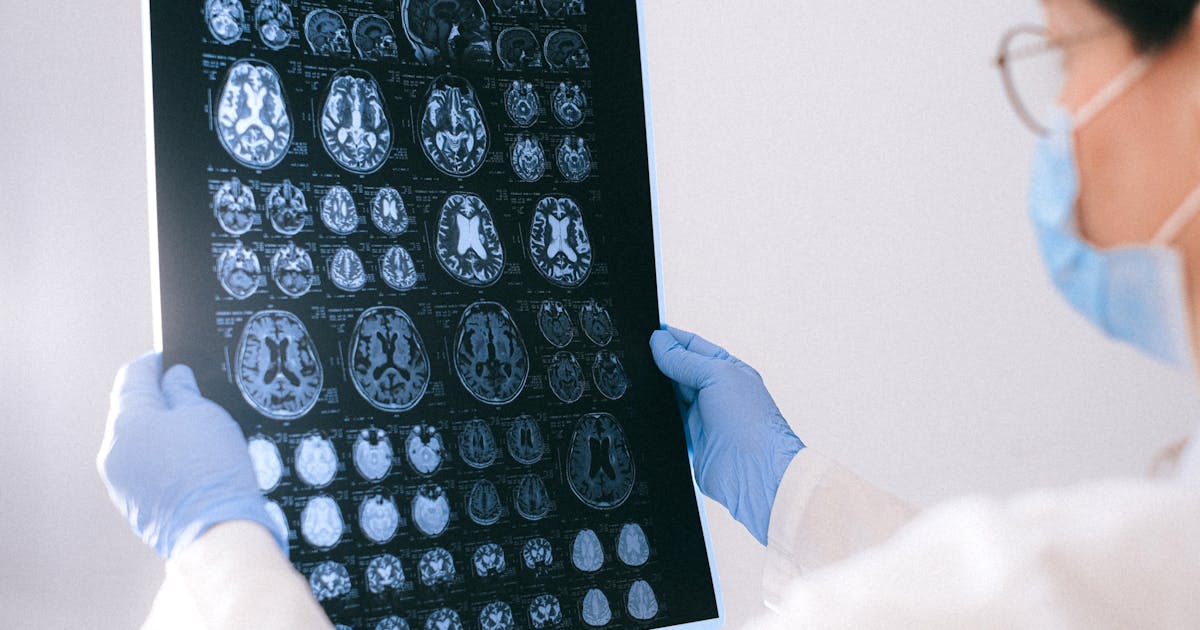
- MRI of brain and orbit with contrast: Better for detecting orbital and brain involvement. Cost: ₹6,000–12,000.
- CT chest: For suspected pulmonary mucormycosis — characteristic "reverse halo" sign or "bird's nest" appearance.
Microbiological Confirmation
A tissue sample (biopsy) is the gold standard:
| Test | Purpose | Turnaround |
|---|---|---|
| KOH mount + microscopy | Detects broad, aseptate, ribbon-like hyphae — characteristic of Mucorales | 1–2 hours |
| Fungal culture | Identifies the exact species (Rhizopus, Mucor, etc.) | 3–7 days |
| Histopathology | Tissue invasion confirmed | 2–5 days |
| PCR for Mucorales | Available at AIIMS, PGIMER, CMC, NCDC; useful in disseminated disease | 3–5 days |
Blood Tests to Order
Alongside specific testing, your treating team will check:
- Random blood sugar and HbA1c — almost always elevated
- Arterial blood gas (ABG) — to detect diabetic ketoacidosis
- CBC, kidney function (urea, creatinine) — see our KFT guide
- Liver function — see LFT guide, important before starting toxic antifungals
- Serum electrolytes, especially potassium and magnesium
Treatment: A Race Against Time
Mucormycosis treatment rests on three pillars: reverse the underlying immunosuppression, give antifungals, and surgically remove dead tissue. Skipping any one drastically reduces survival.
1. Control Blood Sugar Aggressively
In a diabetic patient, the first 24 hours are about getting blood glucose into the 140–180 mg/dL range and correcting any ketoacidosis. This usually requires IV insulin infusion in an ICU setting. Without sugar control, no antifungal will work.
2. Withdraw Steroids and Other Immunosuppressants
Wherever clinically possible, steroids must be stopped or rapidly tapered. This decision is balanced by the treating physician against the original reason steroids were prescribed.
3. Antifungal Therapy
The mainstay drug is liposomal amphotericin B — a powerful but expensive and toxic IV antifungal.
- Dose: 5 mg/kg/day, given as a slow IV infusion
- Duration: 4–6 weeks of IV therapy, followed by oral step-down therapy
- Cost in India: ₹6,000–10,000 per vial; total course can run ₹3–8 lakh
- Side effects: Kidney damage (the leading dose-limiting toxicity), low potassium and magnesium, fever, infusion reactions
The Ayushman Bharat PM-JAY scheme covers mucormycosis treatment in empanelled hospitals — see our PM-JAY guide for eligibility and how to access it.
Step-down oral antifungals after IV therapy:
- Posaconazole (Noxafil, Posanil): ₹2,500–4,000 per day; 3–6 months total
- Isavuconazole: Newer, better tolerated, but expensive (₹6,000+ per day)
4. Surgical Debridement
This is arguably the most important step — and the most disfiguring. ENT and maxillofacial surgeons remove all dead, blackened tissue. In severe cases this can mean:
- Removal of the affected sinuses
- Removal of part of the upper jaw and palate
- Removal of the eye (orbital exenteration) when vision is already lost and the orbit is full of fungus
- Removal of brain tissue if intracranial spread has occurred
Surgical debridement is often repeated multiple times — patients may go through 3–6 surgeries during a single hospitalisation. Reconstruction with prosthetics or surgical flaps comes months later, after the infection is fully cleared.
5. Supportive Care
- ICU monitoring during initial therapy
- Strict input-output balance to monitor amphotericin's renal toxicity
- Nutritional support — many patients can't eat by mouth and need nasogastric feeding
- Mental health support — facial disfigurement and vision loss have severe psychological impact
Survival Outcomes
Mortality in mucormycosis depends heavily on:
- How early treatment starts (every day's delay roughly doubles risk)
- Whether surgical debridement is performed
- Underlying disease control (diabetic ketoacidosis vs well-controlled diabetes)
- Site of infection (sinus-only: 30–40% mortality; orbital involvement: 50–60%; brain involvement: 80–90%)
Indian studies from PGIMER and AIIMS post-2021 show overall mortality between 30–60%. Survivors often live with permanent facial disfigurement, vision loss, or neurological deficits.
Prevention: How to Lower Your Risk
For diabetics, COVID-19 survivors, and anyone on long-term steroids, prevention is everything.
Diabetic Care
- Keep HbA1c below 7%: Use insulin if oral medications aren't working. See your endocrinologist regularly.
- Test fasting and post-meal sugars at home: Aim for fasting <130 mg/dL and post-meal <180 mg/dL.
- Watch for diabetic ketoacidosis warning signs: Excessive thirst, frequent urination, fruity breath odour, abdominal pain, deep rapid breathing — go to ER immediately.
Steroid Discipline
- Never take steroids without a doctor's prescription — especially "magic" pills sold by some neighbourhood chemists for joint pain, skin allergies, or bodybuilding.
- If you must take steroids, monitor blood sugar daily during therapy even if you're not diabetic, as steroids cause "steroid-induced diabetes" in many.
- Question prolonged steroid courses — most non-emergency conditions need short courses (3–7 days), not weeks.
Hospital Environment
- Insist on clean, sterile water in oxygen humidifiers if you or a family member needs oxygen at home or in hospital.
- Avoid hospital construction zones when an immunocompromised relative is admitted.
- Mask use (N95 or surgical) when visiting hospitals reduces inhalation of mould spores.
Personal Hygiene at Home
- Don't sleep in damp rooms with visible mould on walls.
- Throw out food with visible mould (not just scraping it off).
- Avoid handling soil, manure, or decaying plant matter without gloves if you're diabetic or immunosuppressed.
- Treat wounds promptly: Clean with antiseptic, cover, and watch for any blackening — see a doctor immediately if a wound darkens.
Tracking Risk Factors Long-Term
If you have diabetes, especially with episodes of poor control, or you're a COVID survivor who received steroids, your risk profile is permanent. The single best thing you can do is monitor your sugars, kidney function, and any sinus or eye symptoms over time.
Save your HbA1c, fasting sugar, kidney function, and any imaging studies in MedicalVault so you and your doctor can see year-on-year trends. The trend analysis feature flags steady worsening before it becomes critical, and family sharing lets you keep an eye on a parent or sibling's diabetic control even when you live in another city.
When to See a Doctor Urgently
For any diabetic, COVID survivor, or immunosuppressed person, these symptoms require an ENT or hospital visit within 24 hours:
- One-sided facial swelling or pain
- One-sided nasal stuffiness with no improvement after 2 days
- Black, brown, or bloody nasal discharge
- Sudden one-sided vision change or eye pain
- Black discoloration in mouth, palate, or skin
- Sudden severe one-sided headache with fever
Do not wait for a routine appointment. Walk into an ENT department or hospital ER. Time literally equals tissue.
Key Takeaways
- Mucormycosis is India's quietly endemic killer — the country has the world's highest burden, driven by uncontrolled diabetes and steroid overuse.
- The 2021 black fungus outbreak showed how lethal it becomes when COVID, diabetes, and steroids combine.
- One-sided facial pain, blackish nasal discharge, or sudden vision changes in a diabetic are emergencies — not "wait and watch" symptoms.
- Treatment requires fast diagnosis, aggressive blood sugar control, IV amphotericin B, and surgical debridement — often disfiguring, but life-saving.
- Prevention rests on three habits: tight diabetic control (HbA1c <7%), avoiding steroid misuse, and protecting against environmental moulds.
- Cost of treatment is enormous — ₹3–8 lakh for antifungals alone — but Ayushman Bharat PM-JAY covers the full course at empanelled hospitals.
- Track your diabetic markers, kidney function, and any post-COVID symptoms in MedicalVault so warning signs are caught at the earliest stage.
Mucormycosis was once a textbook curiosity. After 2021, every Indian doctor knows it as one of the most feared diagnoses they can make. The best defence is to never give it a foothold — and that starts with controlling the blood sugar that fuels it.