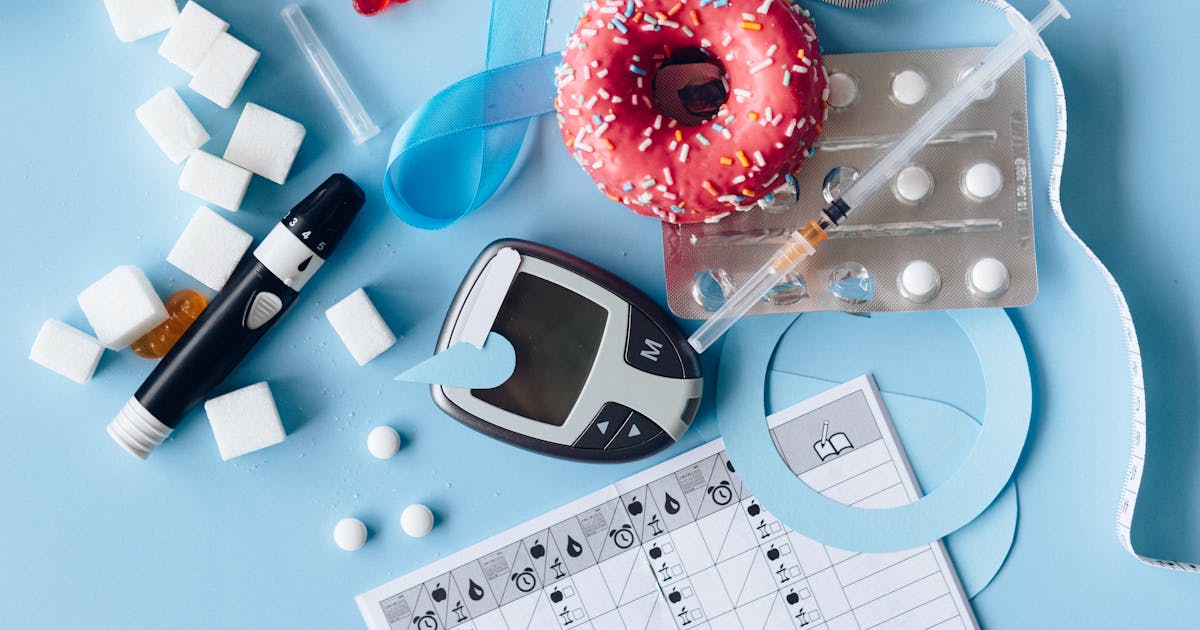
Your lab report says fasting sugar 108 mg/dL — "borderline," the doctor calls it. You breathe a sigh of relief: "At least it's not diabetes." But here is what that borderline number is really telling you: your body has been fighting a silent battle called insulin resistance for years, and prediabetes is its loudest warning shot. The good news? This is the one stage where you can actually hit reverse — and millions of Indians are proving it.
India has 13.6 crore people with prediabetes, according to the ICMR-INDIAB study — more than the entire population of Japan. Yet barely 10% of them know their status. Unlike full-blown diabetes, which can only be managed, prediabetes and insulin resistance can genuinely be reversed with the right combination of diet, movement, sleep, and — when needed — medication. This guide walks you through everything you need to act on that borderline number before it crosses the line.
What Is Insulin Resistance?
Insulin is a hormone produced by the beta cells of your pancreas. Its job is simple: escort glucose from your bloodstream into your cells, where it is used for energy. In a healthy body, a small amount of insulin does this job efficiently.
Insulin resistance means your cells — particularly in your muscles, liver, and fat tissue — stop responding properly to insulin. Your pancreas compensates by pumping out more and more insulin. For years, this works. Your blood sugar stays normal, but your insulin levels are silently elevated, driving fat storage, inflammation, and metabolic damage beneath the surface.
Think of it like a lock and key. Insulin is the key, and your cell receptors are the lock. In insulin resistance, the lock gets jammed. Your body keeps making more keys (more insulin), but they cannot open the door efficiently.
The Insulin Resistance Timeline
| Stage | What Happens | Blood Sugar | Insulin Levels |
|---|---|---|---|
| Normal | Cells respond well to insulin | Normal | Normal |
| Early IR | Cells start resisting; pancreas compensates | Normal | Elevated |
| Prediabetes | Pancreas struggles to keep up | Borderline high | Very elevated |
| Type 2 Diabetes | Pancreas exhausted; beta cells damaged | High | Variable (often dropping) |
The critical insight: insulin resistance begins 10-15 years before blood sugar rises. By the time your fasting sugar crosses 100 mg/dL, you have already been insulin resistant for over a decade.
Why Indians Are Especially Vulnerable
South Asians carry a disproportionate genetic and metabolic risk for insulin resistance. This is not simply about diet or lifestyle — the biology itself is different.
The "Thin-Fat Indian" Phenomenon
Indians tend to store fat viscerally — around internal organs like the liver, pancreas, and intestines — rather than under the skin. A man with a BMI of 22 (technically "normal") can carry dangerous levels of abdominal fat that an equally weighted European man would not have. Researchers call this the TOFI phenotype: Thin Outside, Fat Inside.
This visceral fat is metabolically active. It releases inflammatory proteins (cytokines) that directly impair insulin signalling, making your cells resistant even when you appear slim.
| Risk Indicator | Western Cutoff | Indian Cutoff |
|---|---|---|
| BMI (overweight) | 25+ | 23+ |
| Waist circumference (men) | > 102 cm | > 90 cm |
| Waist circumference (women) | > 88 cm | > 80 cm |
Genetic Factors
South Asians have inherently higher insulin resistance and lower beta-cell reserve compared to Europeans. Research from the ICMR-INDIAB study confirms that Indian beta cells tire out faster — meaning the window between "compensated insulin resistance" and "frank diabetes" is shorter for Indians than for most other populations.
If one parent has Type 2 diabetes, your risk is 40%. If both parents have it, your risk is 70%.
The Indian Carbohydrate Load
The average Indian diet derives 60-65% of its calories from carbohydrates — mostly refined. White rice two to three times a day, maida-based rotis and naans, sugary chai three to four cups daily, and the cultural cornerstone of mithai at every celebration. This relentless glucose load keeps insulin elevated chronically, accelerating resistance.
How to Detect Insulin Resistance Early
Most routine health check-ups test only fasting blood sugar, which stays normal until prediabetes is already established. To catch insulin resistance earlier, you need the right tests.
Key Tests for Insulin Resistance
| Test | What It Measures | Normal | Borderline / IR | Cost (approx.) |
|---|---|---|---|---|
| Fasting Insulin | Baseline insulin output | 2-15 mU/L | > 15 mU/L | ₹400-800 |
| HOMA-IR | Insulin resistance index (calculated) | < 1.8 | > 2.0 (IR likely) | ₹800-1,500 |
| Fasting Blood Sugar | Glucose after 8-12 hr fast | < 100 mg/dL | 100-125 mg/dL (prediabetes) | ₹80-150 |
| HbA1c | 3-month average blood sugar | < 5.7% | 5.7-6.4% (prediabetes) | ₹350-600 |
| OGTT (75g) | 2-hour glucose response | < 140 mg/dL | 140-199 mg/dL (prediabetes) | ₹250-500 |
| Fasting Triglycerides | Fat in blood (IR marker) | < 150 mg/dL | > 150 mg/dL | ₹200-400 |
HOMA-IR (Homeostatic Model Assessment of Insulin Resistance) is the gold standard screening tool. It is calculated as:
HOMA-IR = (Fasting Insulin in mU/L x Fasting Glucose in mg/dL) / 405
A HOMA-IR above 2.0 strongly suggests insulin resistance. In Indian adolescents, a cutoff of 2.5 has been used to identify metabolic syndrome.
Who Should Get Tested?
Ask your doctor for a fasting insulin and HOMA-IR if you have any of these risk factors:
- Family history of Type 2 diabetes (parents, siblings)
- Waist circumference above 90 cm (men) or 80 cm (women)
- History of gestational diabetes
- PCOS or irregular periods (read our PCOS guide)
- Acanthosis nigricans — dark, velvety patches on the neck, armpits, or groin (a visible sign of insulin resistance)
- Fatty liver on ultrasound (see our fatty liver guide)
- Triglycerides above 150 mg/dL or HDL below 40 mg/dL (men) / 50 mg/dL (women)
Upload your test results to MedicalVault so you can track your HOMA-IR, fasting insulin, and blood sugar trends over time — catching changes early is the whole point.
The Indian Diet Plan for Reversing Insulin Resistance
Diet is the single most powerful lever for reversing insulin resistance. The goal is not calorie starvation — it is reducing the glycaemic load, increasing fibre, and choosing foods that improve insulin sensitivity.
The Millet Revolution
India's traditional millets are among the best foods for insulin resistance, and they are making a well-deserved comeback. Unlike polished white rice (GI ~72), millets have lower glycaemic indices and significantly more fibre.
| Millet | Glycaemic Index | Fibre (per 100g) | Key Benefit |
|---|---|---|---|
| Bajra (pearl millet) | ~52 | 8.5 g | Rich in magnesium; improves insulin sensitivity |
| Jowar (sorghum) | ~62 | 6.7 g | High in resistant starch; slows glucose absorption |
| Ragi (finger millet) | ~65-68 | 3.6 g | Excellent calcium source; sustained energy |
| Foxtail millet (kangni) | ~50 | 6.7 g | Lowest GI among common millets |
| Little millet (kutki) | ~52 | 7.6 g | High fibre; good for weight management |
Practical swap: Replace white rice at lunch with a jowar or bajra roti, or cook a millet pulao using foxtail millet instead of basmati.
The Insulin-Friendly Indian Plate
Restructure your thali using the 50-25-25 rule:
- 50% non-starchy vegetables: palak, lauki, tori, bhindi, karela, salad
- 25% protein: dal, rajma, chole, paneer, eggs, fish, chicken
- 25% complex carbs: millet roti, brown rice, sweet potato, whole-wheat roti
Foods That Fight Insulin Resistance
- Methi (fenugreek): Soaked methi seeds (1-2 tsp daily) improve insulin sensitivity. A traditional Indian remedy that clinical trials support.
- Dalchini (cinnamon): 1-2 g daily can improve fasting glucose and insulin sensitivity
- Haldi (turmeric): Curcumin reduces inflammation driving insulin resistance. Use generously in sabzis and dal.
- Karela (bitter gourd): Contains compounds that mimic insulin action. Even karela juice 2-3 times a week helps.
- Apple cider vinegar: 1 tablespoon diluted in water before meals can blunt post-meal glucose spikes
- Nuts: A handful of almonds, walnuts, or pistachios daily provides healthy fats that improve insulin signalling
Foods to Reduce or Avoid
| Category | Specific Items | Why |
|---|---|---|
| Refined carbs | Maida naan, white bread, biscuits, samosa | Rapid glucose spike; worsens IR |
| Sugary drinks | Packaged juice, cola, sweetened lassi, chai with 2+ spoons sugar | Liquid sugar overwhelms insulin response |
| Fried snacks | Pakoras, vada, chips, farsan | Trans fats worsen insulin resistance |
| Excessive rice | White rice > 2 servings/day | High glycaemic load; increases IR risk by 11% per daily serving |
| Mithai and desserts | Gulab jamun, jalebi, barfi | Combination of sugar + refined flour + ghee |
Sample One-Day Meal Plan
| Meal | Options |
|---|---|
| Early morning | Methi water (soaked overnight) or warm lemon water with dalchini |
| Breakfast (8 AM) | Moong dal chilla with mint chutney + 1 boiled egg OR besan cheela with curd |
| Mid-morning (11 AM) | A handful of roasted chana or almonds + 1 small fruit (guava, apple) |
| Lunch (1 PM) | Bajra roti (2) + palak dal + bhindi sabzi + cucumber raita |
| Evening (4 PM) | Green tea (unsweetened) + roasted makhana or a small bowl of sprouts chaat |
| Dinner (7:30 PM) | Jowar roti (1) + grilled fish/paneer tikka + mixed vegetable salad + dal |
Key principles: Eat dinner by 8 PM. Maintain a 12-hour overnight fast (e.g., 8 PM to 8 AM). Never skip breakfast — it worsens insulin resistance.
Exercise: The Other Half of Reversal
Diet gets the headlines, but exercise is equally powerful. A single bout of moderate exercise can improve insulin sensitivity for 24-48 hours. Consistent exercise creates lasting metabolic changes.
What the Science Says
The Indian Diabetes Prevention Programme (IDPP-1) demonstrated that lifestyle modification — primarily diet and exercise — reduced diabetes progression by 58% in Indian prediabetics. This is among the most powerful results seen in any prevention trial globally.
The Ideal Exercise Prescription for Indians
| Type | Frequency | Duration | Examples |
|---|---|---|---|
| Brisk walking | Daily | 30-45 min | Morning or evening walk in your colony or local park |
| Resistance training | 3x/week | 20-30 min | Bodyweight squats, push-ups, resistance bands, light dumbbells |
| Yoga | 3-5x/week | 20-30 min | Surya namaskar, pranayama, specific asanas (see below) |
| HIIT | 2-3x/week | 15-20 min | Alternating fast walking and slow walking, cycling intervals |
Yoga Asanas That Improve Insulin Sensitivity
Certain yoga postures specifically target abdominal organs and improve glucose metabolism:
- Surya Namaskar (Sun Salutation) — a complete workout targeting multiple muscle groups
- Dhanurasana (Bow Pose) — stimulates the pancreas
- Paschimottanasana (Seated Forward Bend) — compresses abdominal organs, improves digestion
- Ardha Matsyendrasana (Half Spinal Twist) — massages the pancreas and liver
- Mandukasana (Frog Pose) — directly stimulates the pancreatic region
- Pranayama (Kapalbhati, Anulom Vilom) — reduces cortisol, improves insulin sensitivity
The Post-Meal Walk
One of the simplest and most effective strategies: walk for 10-15 minutes after every major meal. This single habit can reduce post-meal glucose spikes by 20-30%. In Indian households where a post-lunch nap is common, replacing it with a short walk makes a measurable difference.
Sleep, Stress, and the Cortisol Connection
Insulin resistance is not only about food and exercise. Two often-overlooked factors play a major role.
Sleep Deprivation
Sleeping less than 6 hours per night increases insulin resistance by up to 40%. India's urban workforce, with its late-night work culture, long commutes, and screen addiction, is chronically sleep-deprived. Poor sleep raises cortisol and ghrelin (the hunger hormone) while suppressing leptin (the satiety hormone) — a perfect recipe for insulin resistance and weight gain.
Target: 7-8 hours of sleep. Maintain a consistent sleep-wake schedule. Avoid screens 1 hour before bed.
Chronic Stress
Cortisol, the stress hormone, directly antagonises insulin. Chronic stress — from financial pressure, family responsibilities, workplace demands — keeps cortisol elevated, making cells resistant to insulin regardless of diet quality.
Practical stress management for Indian lifestyles:
- Morning pranayama or meditation (even 10 minutes helps)
- Reduce social media consumption (a major modern stressor)
- Evening walks in nature or local parks
- Maintain social connections — joint family interactions and community support are protective
Medications for Prediabetes: When Lifestyle Is Not Enough
For some individuals — particularly those with combined impaired fasting glucose (IFG) and impaired glucose tolerance (IGT), or HOMA-IR above 3.0 — lifestyle changes alone may not suffice. ICMR guidelines recommend considering medication in such cases.
Metformin: The First-Line Medication
Metformin is the most widely prescribed drug for insulin resistance and prediabetes. It works by:
- Reducing glucose production in the liver
- Improving insulin sensitivity in muscles
- Lowering systemic inflammation
- Mildly reducing appetite
| Feature | Details |
|---|---|
| Starting dose | 500 mg once daily with dinner |
| Usual maintenance | 500-1000 mg twice daily |
| Common side effects | Nausea, loose stools, metallic taste (usually improve in 2-4 weeks) |
| Tip | Extended-release (XR/SR) formulations reduce GI side effects |
| Cost in India | ₹30-120/month depending on brand and dose |
Popular Indian brands: Glyciphage (Franco-Indian), Gluconorm (Lupin), Okamet (Cipla), Obimet (Emcure), Myformin
When to Consider Medication
Your doctor may recommend metformin if:
- HbA1c is 6.0-6.4% despite 3-6 months of lifestyle changes
- HOMA-IR is persistently above 2.5-3.0
- BMI is above 25 (Indian cutoff) with central obesity
- You have PCOS with insulin resistance
- Strong family history plus multiple risk factors
- History of gestational diabetes
Important: Metformin is not a substitute for lifestyle changes — it works best alongside diet and exercise modifications.
Tracking Your Reversal: Tests and Timeline
Reversing insulin resistance is not a one-time effort — it requires consistent monitoring. Here is a practical testing schedule:
Monitoring Schedule
| Test | Frequency | What to Track |
|---|---|---|
| Fasting blood sugar | Monthly (initially), then quarterly | Target: below 100 mg/dL |
| HbA1c | Every 3 months | Target: below 5.7% |
| Fasting insulin / HOMA-IR | Every 3-6 months | Target: HOMA-IR below 2.0 |
| Lipid profile | Every 6 months | Triglycerides below 150, HDL above 40/50 |
| Liver function (SGPT) | Every 6 months | Fatty liver improvement |
| Waist circumference | Monthly | Every cm lost counts |
| Weight | Weekly | Target: 5-7% loss over 3-6 months |
Use MedicalVault's trend analysis to visualise your numbers over months. Seeing your HOMA-IR drop from 3.2 to 1.8 or your HbA1c fall from 6.1% to 5.5% is incredibly motivating — and it confirms that reversal is real.
Realistic Timeline for Reversal
| Milestone | Timeframe | What to Expect |
|---|---|---|
| Weeks 1-2 | Immediate | Post-meal glucose spikes reduce; energy improves |
| Months 1-2 | Early gains | 2-3 kg weight loss; fasting sugar starts dropping |
| Months 3-4 | Measurable change | HbA1c drops 0.3-0.5%; HOMA-IR improves |
| Months 6-12 | Significant reversal | 5-7% weight loss; many achieve normal HbA1c and HOMA-IR |
| Year 1+ | Maintenance | Sustained lifestyle changes keep numbers in the normal range |
Real Warning Signs You Should Not Ignore
While prediabetes is often silent, insulin resistance can produce subtle signs that Indians frequently dismiss:
- Dark patches on neck, armpits, or groin (acanthosis nigricans) — not a "skin allergy" or dirt
- Skin tags — small fleshy growths, especially around the neck
- Excessive hunger despite eating regular meals
- Fatigue after meals — feeling sleepy after lunch (not just the afternoon slump)
- Difficulty losing weight despite diet and exercise
- Irregular periods or PCOS symptoms in women
- Frequent urination or increased thirst — early signs that sugar is spilling over
If you notice these, do not wait for the next annual check-up. Get a fasting insulin and HOMA-IR test done.
Key Takeaways
- Insulin resistance begins 10-15 years before blood sugar rises — do not wait for abnormal sugar reports to act
- 13.6 crore Indians have prediabetes, and most can reverse it with sustained lifestyle changes
- The HOMA-IR test (₹800-1,500) is the best screening tool for insulin resistance — ask your doctor for it if you have risk factors
- Millets over maida: swap white rice and refined flour for bajra, jowar, and foxtail millet to dramatically reduce glycaemic load
- Walk after meals: a simple 10-15 minute post-meal walk can cut glucose spikes by 20-30%
- Sleep 7-8 hours and manage stress — cortisol directly worsens insulin resistance
- Track your numbers with MedicalVault to visualise your HOMA-IR, HbA1c, and blood sugar trends over time and share progress with your doctor and family members