Walk into any Apollo Pharmacy in Mumbai or Bengaluru today and you will hear the same question — "Do you have Mounjaro in stock?" Less than a year after Eli Lilly launched the drug in India in March 2025, tirzepatide has become the country's top-selling weight-loss medication, generating over ₹333 crore in revenue within seven months and outselling rival semaglutide products by ten to one. Bollywood gossip columns have nicknamed it the "skinny shot," WhatsApp groups trade Apollo and 1mg links, and endocrinology clinics from Delhi to Chennai have month-long waiting lists.
But behind the hype is a serious medication with serious risks. Tirzepatide is not a beauty injection or a wellness supplement. It is a prescription drug that fundamentally rewires how your gut, pancreas and brain handle food, and it demands real medical supervision, real lab monitoring and an honest conversation about long-term commitment. This guide is for Indian readers who want the facts behind the headlines — what tirzepatide actually does, what it costs, who should take it, what side effects to expect, and which lab tests you must track on therapy.
What Is Tirzepatide and How Is It Different from Ozempic?
Tirzepatide is the active ingredient in Mounjaro (made by Eli Lilly) and is the first medication of its kind approved in India. It belongs to a newer class of drugs called dual GIP/GLP-1 receptor agonists, which is a fancy way of saying it mimics two natural gut hormones at once.
Older drugs like semaglutide (Ozempic, Wegovy, Rybelsus) only mimic one hormone — GLP-1 (glucagon-like peptide-1). Tirzepatide mimics both GLP-1 and GIP (glucose-dependent insulinotropic polypeptide). This dual action is the reason tirzepatide produces more weight loss than semaglutide in head-to-head trials.
In the SURMOUNT-5 trial published in 2025, adults with obesity who took tirzepatide lost on average 20.2 percent of their body weight over 72 weeks, compared with 13.7 percent for those on semaglutide. In real numbers, that is roughly 22.8 kg lost on tirzepatide versus 15 kg on semaglutide. More than one in three tirzepatide users lost a quarter or more of their starting weight.
For Indians, who tend to develop metabolic disease at lower body weights than Western populations, that magnitude of weight loss can transform diabetes control, blood pressure, fatty liver, sleep apnoea and joint pain in ways that traditional pills rarely match.
How Tirzepatide Works in the Body
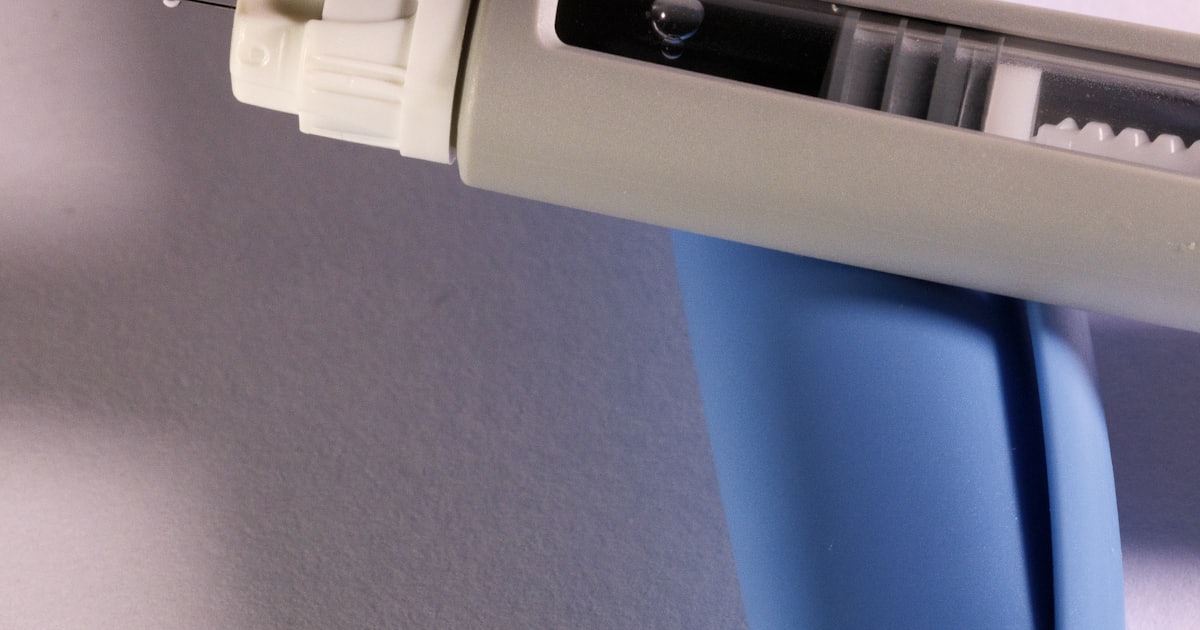
Tirzepatide is a once-weekly injection given under the skin (subcutaneous) of the abdomen, thigh or upper arm. After injection, it works through several mechanisms simultaneously:
- Stimulates insulin release from the pancreas only when blood sugar is high, lowering hypoglycaemia risk
- Suppresses glucagon, the hormone that tells the liver to dump sugar into the bloodstream
- Slows gastric emptying so food remains in the stomach longer and you feel full faster
- Acts on hunger centres in the brain (hypothalamus) to reduce appetite and food cravings
- Improves insulin sensitivity in muscle and fat tissue
- Reduces inflammation and may protect cardiovascular and kidney health
The dual GIP plus GLP-1 effect appears to enhance fat metabolism and may even improve how the body burns calories at rest, though research is ongoing.
Mounjaro Cost and Availability in India (2026)
Tirzepatide is sold in India as Mounjaro by Eli Lilly. It is currently the only tirzepatide brand legally available in the country and is dispensed only with a valid doctor's prescription.
Available Strengths
Mounjaro is supplied in two formats:
- PFP (pre-filled pen) single-dose vials in 2.5 mg and 5 mg
- KwikPen multi-dose pen in 2.5 mg, 5 mg, 7.5 mg, 10 mg, 12.5 mg and 15 mg strengths
Approximate Monthly Cost in India
Prices vary slightly between Apollo Pharmacy, 1mg, NetMeds and PharmEasy. Below are typical prices as seen in early 2026:
| Dose | Approximate Cost (4 weekly doses) |
|---|---|
| Tirzepatide 2.5 mg | ₹13,000 – ₹14,000 |
| Tirzepatide 5 mg | ₹16,000 – ₹17,500 |
| Tirzepatide 7.5 mg | ₹19,000 – ₹20,500 |
| Tirzepatide 10 mg | ₹22,000 – ₹23,500 |
| Tirzepatide 12.5 mg | ₹24,000 – ₹26,000 |
| Tirzepatide 15 mg | ₹25,500 – ₹27,500 |
Even at Indian pricing, tirzepatide remains one of the most expensive routine medications most patients will ever take. To put it in perspective, the same dose costs roughly ₹88,000 a month in the United States and ₹37,000 in the United Kingdom — so Indian patients are paying about a quarter of the global price, but it is still well outside the reach of most middle-class households without long-term planning.
Insurance and Reimbursement
As of 2026, most Indian health insurance policies do not cover Mounjaro for weight management, classifying it as a "lifestyle" drug. Coverage for Type 2 diabetes use is patchy — a few group corporate policies and select riders are beginning to include it, but reimbursement rules vary widely. Always confirm with your insurer in writing before assuming coverage.
When Will Generic Tirzepatide Arrive?
Tirzepatide's compound patent in India does not expire until 2036, which means low-cost Indian generics are unlikely before the early 2030s. This is very different from semaglutide, whose patent expires in March 2026 and is expected to flood the Indian market with affordable generics. For now, brand Mounjaro is the only legal option for tirzepatide in India.
Who Should Consider Tirzepatide?
Mounjaro is approved by India's CDSCO for two main indications:
1. Adults with Type 2 Diabetes
Tirzepatide is approved for adults with Type 2 diabetes whose blood sugar is not adequately controlled with diet, exercise and other oral diabetes medications such as metformin, sulphonylureas or DPP-4 inhibitors. It is particularly useful for diabetics who also need weight loss or who have high cardiovascular risk.
2. Adults with Obesity or Overweight Plus Comorbidities
For weight management, tirzepatide is approved in adults who have:
- A BMI of 30 kg/m² or above (using global cutoffs)
- A BMI of 27 kg/m² or above with at least one weight-related condition such as Type 2 diabetes, hypertension, dyslipidaemia, obstructive sleep apnoea or fatty liver
For Indian patients, modified BMI cutoffs apply because of the "thin-fat Indian" phenotype — Indians develop metabolic disease at lower body weight thresholds than Caucasians. Most Indian endocrinologists use:
| Category | Indian BMI Cutoff |
|---|---|
| Normal | Below 23 kg/m² |
| Overweight | 23 – 24.9 kg/m² |
| Obese (Class I) | 25 – 29.9 kg/m² |
| Obese (Class II) | 30 – 34.9 kg/m² |
| Severe obesity | 35+ kg/m² |
So an Indian with a BMI of 26 and prediabetes may legitimately qualify for tirzepatide therapy under Indian guidelines — even though the same person would not qualify by Western standards. Your doctor will weigh BMI alongside waist circumference, abdominal fat distribution and metabolic risk factors.
Who Should NOT Take Mounjaro
Tirzepatide is not safe for everyone. It should be avoided in:
- People with a personal or family history of medullary thyroid cancer (MTC) or Multiple Endocrine Neoplasia syndrome type 2 (MEN2) — there is a boxed warning about thyroid C-cell tumours
- A history of acute or chronic pancreatitis
- Severe gastrointestinal disease such as gastroparesis or inflammatory bowel disease
- Type 1 diabetes — tirzepatide is not a substitute for insulin
- Pregnancy and breastfeeding
- Children under 18 (paediatric trials are ongoing but not yet approved in India)
- Severe kidney disease (eGFR below 15 mL/min/1.73 m²) without specialist supervision
- Patients with active gallbladder disease
Always discuss your full medical history, family history and current medications with your endocrinologist or physician before starting Mounjaro.
Dose Titration: How Mounjaro Is Started
Tirzepatide must be started at a low dose and gradually increased to minimise gastrointestinal side effects. The standard titration schedule is:
| Period | Weekly Dose |
|---|---|
| Weeks 1–4 | 2.5 mg |
| Weeks 5–8 | 5 mg |
| Weeks 9–12 | 7.5 mg (if needed) |
| Weeks 13–16 | 10 mg (if needed) |
| Weeks 17–20 | 12.5 mg (if needed) |
| Week 21 onwards | 15 mg (maximum dose) |
Many patients achieve excellent diabetes control or weight loss at 5 mg or 7.5 mg and never need to escalate to the maximum dose. Others may stay at 10 mg for long-term maintenance.
Self-medicating or "stacking" doses to lose weight faster is dangerous — skipping titration leads to severe vomiting, dehydration, kidney injury and pancreatitis. Always follow your doctor's escalation plan.
Common Side Effects and How to Manage Them
Up to 40 percent of Mounjaro users experience some gastrointestinal side effect, especially during the first 8 weeks and during dose increases. Most are mild and improve over time, but they can be miserable if you are not prepared.
Common Side Effects
| Side Effect | Frequency | How to Manage |
|---|---|---|
| Nausea | Up to 30% | Smaller meals, avoid oily and spicy food, ginger tea, sip water |
| Vomiting | 8 – 12% | Bland Indian food (khichdi, dalia, curd rice), avoid lying down after meals |
| Diarrhoea | 10 – 20% | ORS, plain rice and curd, paracetamol-only fever control |
| Constipation | 6 – 11% | Isabgol (psyllium husk), warm water, gentle walking, increase fibre slowly |
| Burping and reflux | 5 – 8% | Antacid as advised, avoid late-night meals, raise head of bed |
| Reduced appetite | Very common | Use a meal reminder; do not skip meals entirely; protein first |
| Injection site redness | 2 – 4% | Rotate injection sites between abdomen, thigh and upper arm |
| Mild fatigue and headache | 5 – 10% | Stay hydrated, regular sleep, light exercise |
Serious but Rare Side Effects
Stop the medication and seek emergency care immediately if you develop any of the following:
- Severe persistent abdominal pain radiating to the back — possible pancreatitis
- Right upper abdominal pain with fever or jaundice — gallbladder inflammation
- Signs of low blood sugar if you also take insulin or sulphonylureas — sweating, shaking, confusion
- Lump or swelling in the neck, hoarseness, difficulty swallowing — thyroid concerns
- Severe allergic reaction — facial swelling, difficulty breathing
- Dark urine and reduced urine output — possible acute kidney injury from dehydration
- Vision changes in diabetic patients — rapid sugar improvement may temporarily worsen retinopathy
Tips for Indian Patients
- Take Mounjaro on the same day each week. Set a phone reminder.
- Avoid heavy meals (biryani, deep-fried snacks, butter chicken with naan) during the first 8 weeks
- Keep ORS sachets at home for managing dehydration
- Drink at least 2.5 to 3 litres of water daily — buttermilk, coconut water, plain water
- Do not skip meals. Eat smaller, protein-rich portions (paneer, dal, eggs, chicken, fish, sprouts)
- Add resistance exercise (yoga, light weights, resistance bands) 2 to 3 times per week to protect muscle mass
- Store the pen in the refrigerator at 2°C to 8°C until first use; once in use, it can be kept at room temperature for up to 21 days
Lab Tests You Need Before and During Tirzepatide Therapy
Starting Mounjaro is not as simple as collecting a prescription. Indian endocrinologists typically recommend baseline tests before starting and regular monitoring throughout therapy.
Baseline Tests Before Starting Mounjaro
| Test | Why It Is Needed |
|---|---|
| HbA1c | Baseline diabetes control — your reference for tracking improvement |
| Fasting and post-prandial glucose | Immediate blood sugar status |
| Kidney function (creatinine, eGFR, urine albumin) | Tirzepatide can worsen kidney function if dehydration occurs |
| Liver function (ALT, AST, GGT, ALP, bilirubin) | Many obese Indians have undiagnosed fatty liver |
| Lipid profile | Tirzepatide often improves LDL and triglycerides over time |
| Thyroid function (TSH, free T4) | Boxed warning for thyroid C-cell tumours |
| Lipase and amylase | Rule out pre-existing pancreatic inflammation |
| CBC | General health baseline |
| Vitamin B12 and Vitamin D | Common Indian deficiencies that worsen with appetite reduction |
| ECG | Especially if over 40 or with cardiac risk factors |
Monitoring Schedule
| Timeline | Tests to Repeat |
|---|---|
| 6 to 8 weeks | HbA1c, kidney function, liver enzymes, lipase |
| 3 months | Full metabolic panel, lipid profile |
| Every 3 to 6 months | HbA1c, kidney and liver function, lipase, CBC |
| Annually | Thyroid function, vitamin B12, vitamin D, ECG |
This is where many patients lose the thread. Between an endocrinologist, a cardiologist, a nutritionist and a general physician, you can easily collect a dozen reports across half a dozen labs in a single year. Use MedicalVault's trend analysis to see your HbA1c, weight, lipid and kidney markers tracked together over time. Watching your HbA1c fall from 8.6 percent to 6.4 percent across six months is one of the most motivating things you can experience as a diabetic.
For deep dives into individual tests, see our guides on HbA1c, kidney function tests (KFT), liver function tests (LFT), lipid profile and thyroid tests.
Mounjaro and the Indian Diet
Tirzepatide does not give you permission to eat badly. The drug works best when paired with a thoughtful Indian diet. The slowed gastric emptying means that heavy, oily, carbohydrate-loaded meals will sit in your stomach for hours and worsen nausea — so you will naturally find yourself drawn to lighter, protein-rich food.
What Works on Mounjaro
- Protein first: dal, paneer, eggs, chicken, fish, sprouts, soya chunks. Aim for 1 to 1.2 grams of protein per kg of ideal body weight to protect muscle mass during weight loss.
- Smaller, more frequent meals: three smaller plates plus one or two snacks, instead of two huge meals
- Slow-release carbohydrates: brown rice, hand-pounded rice, millets such as ragi, jowar and bajra in moderate portions
- Healthy fats in moderation: ghee, peanuts, almonds, walnuts, flaxseeds
- Hydration: 2.5 to 3 litres a day — coconut water, buttermilk, plain water, lemon water
- Vegetables: half your plate at lunch and dinner — palak, lauki, bhindi, beans, gourds
What to Reduce or Avoid
- Heavy, oily curries with naan or puri during the first 8 weeks
- Deep-fried snacks (samosa, vada, pakora, bhature)
- Sweets, mithai, sugary drinks and packaged juices
- Large quantities of white rice in a single sitting
- Alcohol, especially during dose titration
Lifestyle: Why Drugs Alone Are Not Enough
Even at maximum dose, tirzepatide is most effective when combined with an active lifestyle. Studies show that patients who integrate exercise lose more weight, retain more muscle and maintain results far better than those relying on the drug alone.
- Walking: 30 to 45 minutes daily — the simplest, most effective Indian exercise
- Resistance training: 2 to 3 sessions a week with bodyweight exercises (squats, push-ups, lunges), resistance bands or gym weights
- Yoga: surya namaskar, weight-bearing asanas and pranayama
- Sleep: 7 to 8 hours of quality sleep — poor sleep blunts GLP-1 medication response
- Stress: chronic stress raises cortisol and undermines weight loss
What Happens If You Stop Mounjaro?
This is the question most patients do not ask before starting — and it is the most important one. Studies of GLP-1 and GIP-GLP-1 medications consistently show that weight regain is common when the drug is stopped. Within 12 months of stopping tirzepatide, patients regain on average 40 to 70 percent of the weight they had lost.
This means most patients are looking at long-term, possibly lifelong therapy if they want sustained results. For some that is acceptable. For others, the cost is unsustainable. Speak honestly with your doctor about whether you are prepared for years of injections, regular lab tests and monthly bills before you start. A short course "for the wedding" is rarely a wise use of this medication.
How to Track Your Progress on Mounjaro
Tirzepatide therapy generates a lot of data — weight, blood sugar, blood pressure, cholesterol, liver and kidney markers, thyroid function and more. With reports coming from multiple labs and specialists, it is easy to lose visibility of the bigger picture.
Upload your reports to MedicalVault to keep all your tirzepatide-related results in one place. Use trend analysis to track your HbA1c, weight, lipid profile and kidney function over months and years. If you are managing a parent or spouse on Mounjaro from another city, the family sharing feature lets you stay updated on their progress wherever you live. For more on building good health-record habits, see our preventive health check-up guide.
Key Takeaways
- Mounjaro (tirzepatide) is the most effective weight-loss medication available in India in 2026 — head-to-head trials show greater weight loss than semaglutide
- It is a once-weekly injection that mimics two gut hormones (GIP and GLP-1) to reduce appetite, slow gastric emptying and improve blood sugar
- Approximate monthly cost in India is ₹13,000 to ₹27,500 depending on dose, with no major generic competition expected before the 2030s
- Indian-specific BMI cutoffs apply — many Indians qualify at BMI 25 plus comorbidities, even though they would not qualify under Western guidelines
- Side effects are mostly gastrointestinal and improve with slow dose titration, smaller meals and good hydration
- Baseline and regular lab tests are mandatory — HbA1c, kidney and liver function, thyroid, lipase and lipids
- Lifestyle changes amplify results — protein-rich Indian food, resistance exercise and adequate sleep
- Track your reports over time with MedicalVault's trend analysis to see exactly how Mounjaro is reshaping your metabolic health