Your doctor says your haemoglobin is low — again. You have been feeling drained for months, climbing two flights of stairs leaves you breathless, and your hair seems to be falling out in handfuls. You are told to "eat more palak" and sent home. Sound familiar? You are not alone. According to NFHS-5 (2019-2021), a staggering 57% of Indian women aged 15-49 and 67% of children under five are anaemic — making India the anaemia capital of the world. And the single biggest culprit behind these numbers is iron deficiency.
Iron deficiency anaemia (IDA) is not just about low haemoglobin. It is a systemic condition that affects your energy, brain function, immunity, and even your heart. Understanding your iron studies — ferritin, serum iron, TIBC, and transferrin saturation — gives you a far more complete picture than haemoglobin alone. This guide walks you through everything an Indian patient needs to know about iron deficiency, from reading your lab reports to choosing the right treatment.
Why Iron Matters: More Than Just Blood
Iron is an essential mineral that your body uses for several critical functions:
- Haemoglobin production: Iron is the core component of haemoglobin, the protein in red blood cells that carries oxygen from your lungs to every cell in your body
- Myoglobin: A similar protein that stores oxygen in your muscles, enabling physical activity
- Energy metabolism: Iron-containing enzymes are involved in cellular energy production — which is why fatigue is the hallmark of iron deficiency
- Brain function: Iron is required for neurotransmitter synthesis, cognitive development in children, and concentration in adults
- Immune function: Iron supports the proliferation and maturation of immune cells
When iron stores deplete, your body goes through three progressive stages:
- Iron depletion — Ferritin drops, but haemoglobin remains normal. You may feel fine or have subtle fatigue.
- Iron-deficient erythropoiesis — Iron supply to the bone marrow falls. Your serum iron drops and TIBC rises, but haemoglobin may still be borderline normal.
- Iron deficiency anaemia — Haemoglobin falls below the cutoff. Symptoms become obvious. Your CBC report shows microcytic, hypochromic red blood cells (low MCV, low MCH).
This is why ferritin is so important — it catches the problem in stage 1, long before you develop full-blown anaemia.
Understanding Your Iron Studies Report
When your doctor orders "iron studies" or an "iron profile," the report typically includes four key markers. Here is how to read each one:
Serum Ferritin — Your Iron Warehouse
Ferritin is a protein that stores iron inside your cells. Think of it as your body's iron savings account. A serum ferritin test measures how much iron you have in reserve.
| Ferritin Level (ng/mL) | Status | What It Means |
|---|---|---|
| Below 15 | Depleted | Confirmed iron deficiency; treatment needed |
| 15 – 30 | Low | Likely iron deficient, especially with symptoms |
| 30 – 100 | Normal | Adequate iron stores |
| 100 – 300 | Upper normal | Monitor if unexplained |
| Above 300 | Elevated | Investigate — may indicate inflammation, liver disease, or iron overload |
Important caveat: Ferritin is an acute-phase reactant, meaning it rises during infection, inflammation, or liver disease — even if your iron stores are low. If you have an active infection or chronic condition like rheumatoid arthritis, your ferritin might appear "normal" while you are actually iron deficient. In such cases, your doctor may look at transferrin saturation and TIBC instead.
Serum Iron — Iron in Transit
Serum iron measures the amount of iron circulating in your blood, bound to a transport protein called transferrin. This is the iron "in transit" from your stores to your bone marrow.
| Serum Iron (µg/dL) | Status |
|---|---|
| Men: 60 – 170 | Normal |
| Women: 40 – 160 | Normal |
| Below 40 | Low — suggests iron deficiency |
Serum iron fluctuates throughout the day and with meals, so a single reading should always be interpreted alongside ferritin and TIBC.
TIBC — Total Iron-Binding Capacity
TIBC measures the total amount of iron that transferrin can carry. Think of it as the number of "empty seats" available on the transferrin bus. When your body is iron-deficient, it produces more transferrin to scavenge every available iron molecule — so TIBC goes up.
| TIBC (µg/dL) | Status |
|---|---|
| 250 – 450 | Normal |
| Above 450 | Elevated — suggests iron deficiency |
| Below 250 | Low — may indicate iron overload or chronic disease |
Transferrin Saturation — The Key Ratio
Transferrin saturation (TSAT) is calculated as (Serum Iron ÷ TIBC) × 100. It tells you what percentage of your transferrin is actually carrying iron.
| Transferrin Saturation | Status |
|---|---|
| 20 – 50% | Normal |
| Below 20% | Iron deficiency |
| Above 50% | Possible iron overload — investigate further |
Putting It All Together
| Marker | Iron Deficiency Anaemia | Anaemia of Chronic Disease | Thalassaemia Trait |
|---|---|---|---|
| Ferritin | Low (< 30) | Normal or High | Normal |
| Serum Iron | Low | Low | Normal |
| TIBC | High | Low or Normal | Normal |
| Transferrin Saturation | Low (< 20%) | Low or Normal | Normal |
| MCV (from CBC) | Low (< 80 fL) | Low or Normal | Very Low |
This table is crucial because India has high rates of all three conditions, and they require completely different treatments. Giving iron supplements to someone with thalassaemia trait or anaemia of chronic disease is not only unhelpful but potentially harmful.
Reading Your Reports on MedicalVault
When you upload your iron studies and CBC to MedicalVault, the app extracts all these values and tracks them together. Using MedicalVault's trend analysis, you can visualise how your ferritin and haemoglobin respond to iron supplementation over weeks and months — far more useful than a single snapshot in time.
India's Anaemia Crisis: The Numbers
India's anaemia burden is among the highest in the world. Here are the key numbers from NFHS-5 (2019-2021):
| Population Group | Anaemia Prevalence | WHO Classification |
|---|---|---|
| Children 6-59 months | 67.1% | Severe public health problem |
| Women 15-49 years | 57.0% | Severe public health problem |
| Pregnant women | 52.2% | Severe public health problem |
| Men 15-49 years | 25.0% | Moderate public health problem |
| Adolescent girls (15-19) | 59.1% | Severe public health problem |
To put this in perspective: over 80 crore Indians are estimated to have some degree of anaemia, with iron deficiency accounting for roughly 50-60% of all cases. The remaining cases are attributed to Vitamin B12 and folate deficiency, thalassaemia trait, chronic infections, and other causes.
The Government of India recognised this crisis and launched the Anaemia Mukt Bharat (AMB) programme in 2018, implementing a 6×6×6 strategy targeting six age groups through six interventions and six institutional mechanisms. Despite these efforts, progress has been slow — NFHS-5 actually showed an increase in anaemia prevalence compared to NFHS-4 in several states.
Symptoms: When to Suspect Iron Deficiency
Iron deficiency develops gradually, and symptoms often creep up so slowly that you normalise them. Here is what to watch for:
Early Symptoms (Iron Depletion — Ferritin Low, Haemoglobin Normal)
- Persistent fatigue despite adequate sleep
- Reduced exercise tolerance — getting winded easily
- Difficulty concentrating and "brain fog"
- Frequent infections — catching colds more often
- Restless legs at night (an urge to move your legs when resting)
Progressive Symptoms (Iron Deficiency Anaemia Developing)
- Pale skin, pale nail beds, pale inner eyelids
- Shortness of breath on climbing stairs or walking
- Heart palpitations and rapid heartbeat
- Headaches and dizziness
- Cold hands and feet
Advanced Symptoms (Severe Iron Deficiency)
- Pica — cravings for non-food items like ice, clay, chalk, or dirt (more common than you would think)
- Koilonychia — spoon-shaped, concave nails
- Brittle, thinning hair and hair loss
- Sore, smooth, swollen tongue (glossitis)
- Angular cheilitis — cracks at the corners of the mouth
- Difficulty swallowing (Plummer-Vinson syndrome — rare but serious)
Red flag for parents: In children, iron deficiency causes irreversible cognitive damage, poor academic performance, and growth retardation. If your child is irritable, has poor appetite, and is not keeping up at school, do not dismiss it — get a CBC and ferritin checked.
Who Should Get Iron Studies Done?
Iron studies are not part of routine blood work and must be specifically requested. Consider them if you fall into any of these categories:
- All women with heavy menstrual periods — the single biggest cause of iron deficiency in Indian women
- Pregnant women — iron demands increase dramatically; ICMR recommends 100 mg elemental iron daily from the second trimester
- Vegetarians and vegans — plant-based (non-haem) iron is absorbed at only 2-5% compared to 15-25% for haem iron from meat
- Children under 5 — rapid growth increases iron needs
- Adolescent girls — menstruation begins alongside growth spurts
- Anyone with low haemoglobin on CBC — ferritin tells you whether iron deficiency is the cause
- Patients with chronic conditions — kidney disease, heart failure, inflammatory bowel disease, coeliac disease
- Frequent blood donors
- Post-surgical patients or anyone with chronic blood loss (piles, ulcers)
Test Costs in India
| Test | Approximate Cost (₹) |
|---|---|
| Serum Ferritin alone | ₹400 – ₹800 |
| Iron Studies Panel (Iron + TIBC + Ferritin + TSAT) | ₹800 – ₹1,500 |
| CBC (for haemoglobin, MCV, MCH) | ₹200 – ₹500 |
Prices vary by city and lab chain. Major chains like Dr. Lal PathLabs, Thyrocare, SRL, and Metropolis often offer discounts when booking online or bundling tests.
Your preventive health check-up guide covers when to schedule these tests as part of a routine panel.
Iron-Rich Indian Foods: What Actually Works
The internet is filled with lists of "iron-rich foods," but for Indian readers, the practical reality is more nuanced. There are two types of dietary iron:
- Haem iron (from animal sources) — absorbed at 15-25%. Found in meat, fish, and poultry.
- Non-haem iron (from plant sources) — absorbed at only 2-5%. Found in lentils, beans, greens, and grains.
Since a large proportion of Indians are vegetarian or eat meat infrequently, non-haem iron dominates. Here are the best Indian food sources:
| Food (per 100g) | Iron Content (mg) | Type | Indian Context |
|---|---|---|---|
| Jaggery (gur) | 10 – 13 | Non-haem | Traditional sweetener; add to dals or have as dessert |
| Garden cress seeds (halim) | 100 | Non-haem | Soaked in water; popular in Maharashtra, Gujarat |
| Bajra (pearl millet) | 8 | Non-haem | Staple roti in Rajasthan, Gujarat |
| Ragi (finger millet) | 3.9 | Non-haem | Popular in Karnataka, Tamil Nadu as ragi mudde/dosa |
| Rajma (kidney beans) | 5 – 7 | Non-haem | North Indian staple; cook with tomatoes for vitamin C |
| Chana (chickpeas) | 4 – 6 | Non-haem | Used in chole, chana masala, chana chaat |
| Poha (flattened rice) | 20 | Non-haem | Traditional processing on iron rollers adds iron |
| Spinach (palak) | 2.7 | Non-haem | Despite popular belief, moderate iron; high oxalates reduce absorption |
| Dates (khajoor) | 1 – 1.5 | Non-haem | Convenient snack; combine with nuts |
| Mutton/lamb (100g) | 2 – 3 | Haem | Best absorbed; liver has 6+ mg |
| Chicken liver | 9 – 11 | Haem | Exceptionally rich source for non-vegetarians |
| Eggs (2 whole) | 1.2 – 1.8 | Haem | Affordable, accessible protein + iron source |
Maximising Iron Absorption from Indian Meals
The Indian kitchen has built-in advantages and disadvantages for iron absorption:
Enhancers — Use these with iron-rich meals:
- Vitamin C: Squeeze nimbu (lemon) on dal, chana, and rajma. Add amla (Indian gooseberry) to your diet. Eat guava or orange after meals
- Cooking in iron kadhai/tawa: Traditional cast-iron cookware leaches small amounts of iron into food — studies show this can meaningfully increase dietary iron intake
- Fermented foods: Idli, dosa, and dhokla batters undergo fermentation that improves iron bioavailability
- Soaking and sprouting: Soaking rajma, chana, and moong overnight reduces phytates that block iron absorption
Inhibitors — Avoid these with iron-rich meals:
- Chai/tea: The tannins in tea reduce iron absorption by up to 60%. The Indian habit of drinking chai with every meal is a significant contributor to iron deficiency. Wait at least 1 hour after meals before drinking tea
- Coffee: Similar tannin effect as tea
- Calcium-rich foods: Milk, dahi, and paneer compete with iron for absorption. Avoid combining calcium-heavy items with your main iron sources
- Phytates: Found in whole grains and unsoaked legumes; soaking and cooking reduce their effect
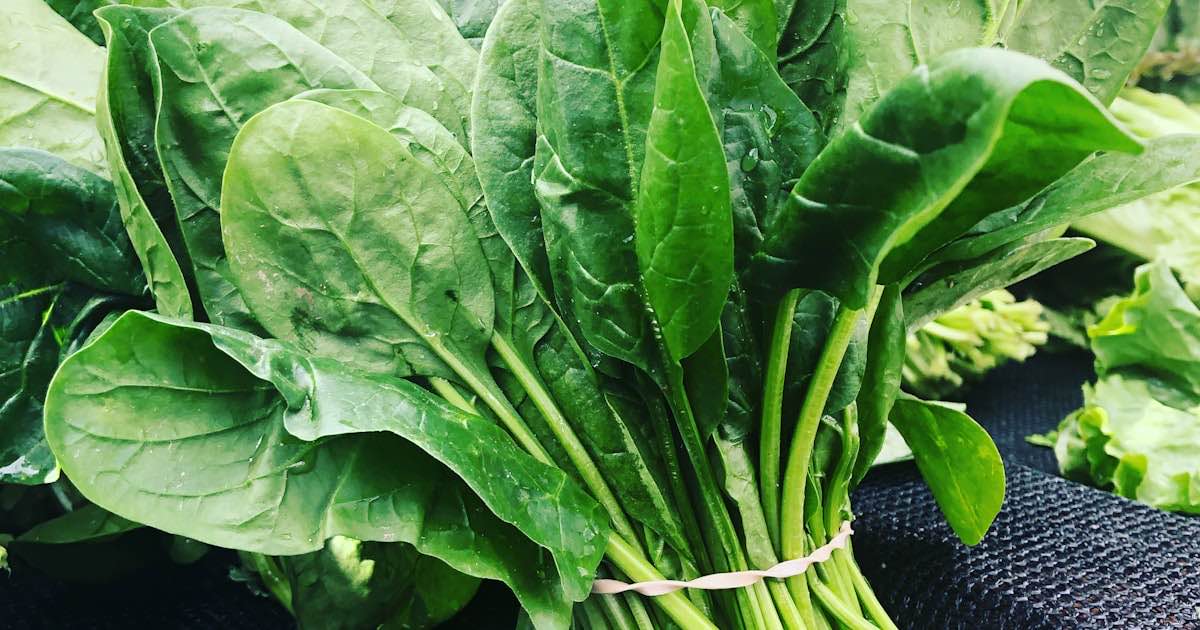
The palak myth: Palak (spinach) is famously promoted as an iron-rich food in India. While it does contain iron, it also has high levels of oxalic acid that bind the iron and make most of it unavailable for absorption. You would need to eat enormous quantities to meaningfully improve your iron levels from palak alone. Bajra, ragi, rajma, and jaggery are far more effective options.
Treatment: How Iron Deficiency Is Managed in India
Treatment depends on the severity of your deficiency and the underlying cause. Your doctor will choose from several approaches:
Oral Iron Supplements (First Line for Mild-Moderate Deficiency)
Oral iron is the most common and affordable treatment. Common Indian brands include:
Ferrous sulphate/fumarate/ascorbate tablets:
- Autrin (ferrous fumarate + folic acid) — widely prescribed, affordable
- Livogen (ferrous fumarate + folic acid) — popular prescription brand
- Fefol-Z (ferrous fumarate + folic acid + zinc) — combined formulation
- Orofer-XT (ferrous ascorbate + folic acid) — better tolerated than ferrous sulphate
- Feronia-XT (ferrous ascorbate + folic acid) — another ascorbate formulation
- Tonoferon (ferric ammonium citrate) — liquid syrup for children and those who cannot swallow tablets
- Dexorange (ferric ammonium citrate + folic acid + B12) — popular syrup
How to take oral iron for best results:
- Take on an empty stomach (1 hour before or 2 hours after meals) for maximum absorption
- Take with vitamin C — a glass of nimbu paani (lemon water) or an orange significantly improves absorption
- Avoid taking with tea, coffee, milk, or antacids
- Expect black stools — this is normal and not a cause for concern
- Common side effects: nausea, constipation, abdominal discomfort — if severe, switch to ferrous ascorbate which is gentler
Duration: Most patients need 3-6 months of oral iron therapy. Your doctor will likely recheck ferritin after 3 months. Continue supplementation for 3 months after ferritin normalises to fully replenish stores.
Intravenous (IV) Iron (For Severe Deficiency or Intolerance)
IV iron is used when oral supplements are not tolerated, not absorbed, or when rapid correction is needed (such as in pregnancy or before surgery). Common IV formulations in India:
- Ferric carboxymaltose (FCM) — Orofer FCM, Febrifer-FCM. Can deliver up to 1,000 mg in a single sitting. Costs approximately ₹2,500-₹4,000 per vial
- Iron sucrose — Given as multiple smaller infusions (200 mg per sitting). More widely available in government hospitals
- Ferric derisomaltose — Newer formulation (Monoferric); single high-dose infusion possible
IV iron is increasingly used in Indian obstetric practice for pregnant women with severe anaemia in the second and third trimesters when oral iron has failed or time is limited before delivery.
Treating the Underlying Cause
Iron supplements only address the symptom. Your doctor should also investigate and treat the root cause:
- Heavy menstrual bleeding — gynaecological evaluation; may need hormonal treatment
- Gastrointestinal blood loss — evaluate for piles (haemorrhoids), ulcers, or polyps
- Chronic conditions — manage diabetes, thyroid disorders, or kidney disease
- Dietary inadequacy — nutritional counselling, especially for vegetarians
- Worm infestations — still common in rural India; deworming is part of the NIPI programme
Iron Deficiency in Special Populations
Pregnant Women
Pregnancy dramatically increases iron demands — your blood volume expands by nearly 50%, and the growing foetus requires its own iron supply. The ICMR recommends 100 mg of elemental iron + 500 µg of folic acid daily from the second trimester through 3 months postpartum. Despite this, over half of Indian pregnant women remain anaemic.
Severe anaemia in pregnancy (Hb below 7 g/dL) increases the risk of maternal mortality, preterm birth, low birth weight, and postpartum haemorrhage. If you are pregnant and your haemoglobin is below 10 g/dL despite oral iron, discuss IV iron with your obstetrician.
Use MedicalVault's family sharing feature to share your pregnancy blood reports with your obstetrician for seamless tracking.
Children and Adolescents
The National Iron Plus Initiative (NIPI) provides free IFA supplements through Anganwadi centres and schools:
- Children 6-59 months: 20 mg elemental iron + 100 µg folic acid biweekly
- Children 5-10 years: 45 mg elemental iron + 400 µg folic acid weekly
- Adolescents 10-19 years: 100 mg elemental iron + 500 µg folic acid weekly
Despite this programme, coverage remains patchy. If your child is attending a government school, ensure they are receiving their weekly IFA tablets. For children in private schools, consult your paediatrician about supplementation.
Elderly Indians
Iron deficiency in the elderly is often due to poor dietary intake, chronic disease, or occult gastrointestinal bleeding. Symptoms like fatigue, breathlessness, and cognitive decline are frequently attributed to "old age" when they may be correctable with iron therapy. If you manage health records for elderly parents, our family health records guide can help you stay organised.
How Iron Connects to Your Other Test Results
Iron deficiency does not exist in isolation. Here is how it relates to other tests you may have:
- CBC: Low haemoglobin + low MCV (< 80 fL) + low MCH = classic iron deficiency anaemia pattern. High RDW further supports the diagnosis
- Vitamin B12: Combined iron and B12 deficiency is common in Indian vegetarians, producing a "dimorphic" blood picture where MCV may appear normal because microcytic (iron) and macrocytic (B12) cells cancel each other out
- Thyroid function: Hypothyroidism and iron deficiency frequently coexist in Indian women. Both cause fatigue — treating only one may leave you still feeling unwell
- HbA1c: Iron deficiency can falsely elevate HbA1c values, potentially leading to misdiagnosis of prediabetes. If your HbA1c is borderline high but your ferritin is low, correct the iron deficiency first and recheck
- Vitamin D: Often deficient alongside iron in Indian women — testing both together gives a more complete nutritional picture
When you upload all your reports to MedicalVault, the app consolidates these interconnected markers, making it easy to spot patterns that individual reports might miss.
Key Takeaways
- Iron deficiency anaemia affects over 57% of Indian women and 67% of children — it is the country's most widespread nutritional deficiency
- Ferritin is the most important test for iron stores — it catches deficiency long before haemoglobin drops. A ferritin below 30 ng/mL, even with normal haemoglobin, warrants attention
- Your iron profile (ferritin + serum iron + TIBC + TSAT) differentiates iron deficiency from thalassaemia trait and chronic disease anaemia — three conditions that are all common in India but require entirely different treatments
- Chai with meals is a major iron absorption blocker — wait at least one hour after eating before drinking tea
- Jaggery, bajra, ragi, rajma, and poha are better iron sources than palak — combine them with vitamin C (nimbu, amla) and cook in iron kadhai for maximum benefit
- Iron supplementation takes 3-6 months — continue for 3 months after ferritin normalises. IV iron is an option when oral therapy fails
- Track your haemoglobin and ferritin together on MedicalVault's trend analysis to monitor your response to treatment and ensure your iron stores are genuinely replenished