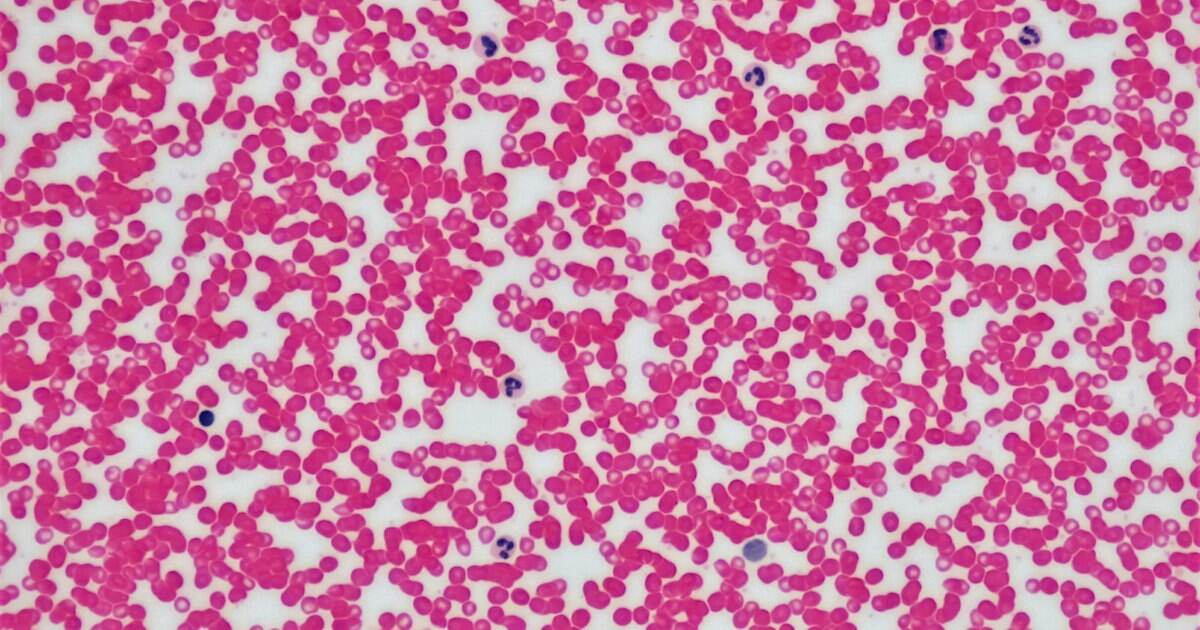
A three-year-old in Mumbai develops a cold, and two days later his urine turns the colour of strong tea. His eyes look yellow and he is unusually pale and breathless. In the emergency room, the doctors ask an unexpected question: "Has he been near mothballs, or taken any new medicine?" The answer is yes. The family had stored winter clothes with naphthalene balls, and he had been playing in the cupboard. A simple blood test, the G6PD test, explains everything: he has G6PD deficiency, an inherited condition that makes red blood cells fragile when exposed to certain medicines, foods, chemicals or infections.
G6PD deficiency is the world's most common enzyme deficiency, and it is far from rare in India. Studies across Indian populations report prevalence ranging from about 2% to over 25% in different communities, with a national average of roughly 7.7% among tribal groups, according to a review of Indian tribal populations. Higher rates have been reported in some tribal communities of central and eastern India, among Parsis, and in communities from north-west India. Most people with G6PD deficiency live completely normal lives, but only if they know they have it. This guide explains what the G6PD test measures, how to read your result, which medicines and triggers to avoid, and when testing is essential.
What Is G6PD Deficiency?
G6PD (glucose-6-phosphate dehydrogenase) is an enzyme present in every red blood cell. It protects red cells from damage by "oxidative stress", the chemical stress caused by certain drugs, infections and chemicals. When G6PD levels are low, red cells cannot defend themselves and break down rapidly. This destruction of red cells is called haemolysis, and when it happens suddenly it is called acute haemolytic anaemia.
How it is inherited
The G6PD gene sits on the X chromosome, which gives G6PD deficiency a special inheritance pattern:
| Person | Chance of being affected | Notes |
|---|---|---|
| Males | Fully affected if they inherit one faulty X | Males have only one X chromosome |
| Females with one faulty X (heterozygous) | Usually "carriers", but may have partial deficiency | Enzyme levels can range from near-normal to clearly deficient |
| Females with two faulty X chromosomes | Fully affected | More common in communities where the deficiency is frequent |
This is why boys are diagnosed more often, and why a normal-looking result in a woman does not always rule out a problem, as discussed below.
Indian variants
Different genetic variants cause different severity. In India, the G6PD Mediterranean variant (more common in north-west India and among Parsis and some Punjabi and Sindhi families) tends to cause more severe deficiency, while variants such as G6PD Orissa (common in tribal populations) and G6PD Kerala-Kalyan tend to be milder. Your doctor does not usually need to know the exact variant; the enzyme level and your history guide management.
Symptoms: When Should You Suspect G6PD Deficiency?
Most people with G6PD deficiency have no symptoms at all until they meet a trigger. Signs of acute haemolysis usually appear 1-3 days after exposure:
- Dark urine, the colour of strong tea or cola
- Yellow eyes and skin (jaundice)
- Sudden paleness, tiredness and weakness
- Breathlessness and rapid heartbeat
- Back or abdominal pain
- Fever in some cases
In severe cases, haemolysis can cause dangerous anaemia or kidney injury and requires hospital care, sometimes with blood transfusion.
In newborns
G6PD deficiency is an important cause of newborn jaundice in India. Affected babies may develop jaundice early (often in the first 24-72 hours) or have unusually high bilirubin levels that need phototherapy or, rarely, exchange transfusion. Very high bilirubin can damage the brain (kernicterus), which is why early detection matters. Our newborn jaundice and bilirubin guide explains newborn jaundice in detail, and some hospitals include G6PD in the newborn screening panel.
The G6PD Test: Types, Results and Interpretation
Types of G6PD tests
| Test type | What it tells you | Typical use in India |
|---|---|---|
| Qualitative (screening) test, such as the fluorescent spot test or dye decolourisation test | "Normal" or "Deficient" | Quick screening; may miss partial deficiency, especially in women |
| Quantitative test (spectrophotometric) | Actual enzyme activity in U/g Hb | Gold standard for diagnosis; preferred for women and borderline cases |
| Point-of-care quantitative tests (handheld analysers) | Enzyme activity within minutes | Used in malaria programmes and research settings |
| Genetic (DNA) testing | Identifies the exact variant | Family studies, unclear results, prenatal counselling |
Many large Indian labs offer a "G6PD quantitative, reflex qualitative" test, where a qualitative test is automatically added if the level is low or borderline.
Normal range
G6PD activity is reported in units per gram of haemoglobin (U/g Hb). Normal ranges vary widely between labs and methods, which is why you must always read your result against the reference range printed on your own report.
| Example lab reference | Normal adult range |
|---|---|
| One major Indian lab chain | About 4.6-13.5 U/g Hb |
| Another commonly quoted range | About 5.5-20.5 U/g Hb |
How results are commonly interpreted
Doctors often interpret G6PD activity as a percentage of the normal average (the "normal median") for that lab:
| G6PD activity (% of normal) | Interpretation | What it means |
|---|---|---|
| Below 30% | Deficient | High risk of haemolysis with triggers; avoid unsafe drugs |
| 30-70% | Intermediate (partial deficiency) | Mostly seen in heterozygous women; some drugs still unsafe |
| Above 70% | Normal | Normal enzyme function |
The 70% cut-off matters for newer malaria medicines: tafenoquine, a single-dose drug for P. vivax malaria, is recommended only when G6PD activity is at least 70% of normal.
When G6PD results can be falsely normal
This is one of the most important and least known facts about the test:
- Right after a haemolytic episode: The oldest red cells, which have the least enzyme, are destroyed first. Young red cells (reticulocytes) have higher G6PD levels, so the test can come back "normal" during or shortly after an attack. Doctors often recommend repeating the test about 2-3 months later.
- After a blood transfusion: Donor red cells contain normal G6PD, so the test should be delayed for about 3 months after a transfusion.
- In heterozygous women: Qualitative screening tests may label them normal even when partial deficiency exists. A quantitative test is better.
- High reticulocyte count from other causes can also mask deficiency.
Cost and preparation
- Cost: About ₹500-2,000 in India, depending on the lab, city and whether a quantitative test is done
- Sample: A simple blood sample (EDTA tube); no fasting needed
- Tell the lab and doctor if you recently had a blood transfusion or an episode of jaundice or dark urine
Triggers to Avoid If You Have G6PD Deficiency
The three main types of triggers are medicines, foods and chemicals, and infections. Always consult your doctor, as risk depends on the drug, dose and severity of deficiency.
Medicines that may trigger haemolysis
| Medicine group | Examples | Common uses in India |
|---|---|---|
| Antimalarials | Primaquine, tafenoquine | P. vivax malaria radical cure |
| Dapsone | Dapsone | Leprosy, some skin conditions |
| Sulphonamides | Co-trimoxazole (sulfamethoxazole-trimethoprim) | Urinary and other infections |
| Nitrofurantoin | Martifur, Niftran | Urinary tract infections |
| Some quinolones | Such as ciprofloxacin and similar drugs (lower risk; doctor's judgment) | Infections |
| Rasburicase | Rasburicase | Cancer treatment (high uric acid) |
| Methylene blue | Methylene blue | Some emergencies and procedures |
| High-dose aspirin | Aspirin at anti-inflammatory doses (low-dose aspirin is usually considered acceptable) | Pain, inflammation |
Several drugs carry only a "possible" or dose-related risk, and many are safe in mild deficiency. Paracetamol at normal doses is generally considered safe. Do not stop any prescribed medicine on your own; instead, make sure every doctor and pharmacist knows your G6PD status before prescribing.
Malaria and G6PD in India
India's national malaria treatment guidelines use primaquine to prevent relapse of P. vivax malaria and advise G6PD testing before treatment where available. Where testing is not available, primaquine may still be given with careful instructions to stop and seek help at the first sign of dark urine or jaundice. If you live in or travel to malaria-endemic areas and know you are G6PD deficient, carry this information with you. Our malaria test and treatment guide covers malaria diagnosis in detail.
Foods and household chemicals
- Fava beans (broad beans, bakla): The classic trigger, causing "favism". Avoid them entirely if you are G6PD deficient.
- Naphthalene mothballs: Common in Indian homes for storing clothes. Inhaling or swallowing naphthalene is a major trigger, especially in children. Use alternatives such as neem leaves or cedar blocks.
- Henna (mehendi): Haemolysis has been reported in G6PD-deficient infants exposed to henna; avoid applying it to babies and young children with known deficiency.
- Certain herbal and traditional preparations: Some contain unlisted ingredients; discuss with your doctor before use.
Infections
Infections are actually the most common trigger of haemolysis in G6PD deficiency. Viral fevers, hepatitis, pneumonia, typhoid and urinary infections can all cause a drop in haemoglobin. If a G6PD-deficient person develops fever, watch closely for dark urine or yellowness and see a doctor early. Monitoring the CBC during illness can help detect haemolysis.
Who Should Get a G6PD Test?
Consider asking your doctor about G6PD testing if:
- You have unexplained episodes of jaundice, dark urine or anaemia, especially after infections or new medicines
- Your newborn has early or severe jaundice
- You need primaquine, tafenoquine, dapsone or rasburicase
- You belong to a community with high reported prevalence, or a family member has G6PD deficiency
- You are planning a pregnancy and have a family history (for genetic counselling)
- Your doctor is investigating haemolytic anaemia, alongside tests such as the peripheral blood smear, reticulocyte count, bilirubin and LDH
Haemolytic anaemia has many causes in India, including thalassaemia and sickle cell disease, which are also common in some of the same communities. Your doctor may test for these together.
Living With G6PD Deficiency: Practical Tips
- Know your status and share it: Tell every doctor, dentist and pharmacist that you are G6PD deficient. In emergencies, this information can prevent a serious reaction.
- Carry a medical alert card or keep a note on your phone listing your diagnosis and drugs to avoid.
- Keep your G6PD report safe: Many people are tested once in childhood and later cannot find the report when a doctor needs it. When you upload your reports to MedicalVault, your G6PD result is always available on your phone.
- Test family members: Brothers, sons and maternal relatives may also be affected. MedicalVault's family sharing feature makes it easy to keep everyone's results organised.
- Avoid mothballs and fava beans at home, especially with young children.
- Treat infections early and watch for dark urine.
- Check before taking over-the-counter medicines or traditional remedies, and read our guide on how to read a doctor's prescription to understand what you are being given.
Key Takeaways
- G6PD deficiency is a common inherited enzyme deficiency in India, with prevalence ranging from about 2% to over 25% in different communities.
- It is X-linked: males are fully affected, while women may be carriers or have partial deficiency that qualitative tests can miss.
- A quantitative G6PD test (in U/g Hb) is the most reliable; below 30% of normal is deficient and 30-70% is intermediate. Always use your lab's reference range.
- Testing during or just after a haemolytic episode, or after a transfusion, can give falsely normal results; repeat after 2-3 months.
- Key triggers include primaquine, dapsone, some sulpha drugs, nitrofurantoin, fava beans, naphthalene mothballs and infections.
- Newborns with early or severe jaundice and anyone needing primaquine for malaria should be tested.
- Keep your G6PD report accessible for every doctor visit. MedicalVault stores and shares it securely with your family and healthcare providers.