If you come from Chhattisgarh, Madhya Pradesh, Odisha, Jharkhand, Gujarat, or Maharashtra — or if your family has tribal roots — there is a blood condition that has quietly shaped the health of millions of people across your community for generations, yet rarely gets the attention it deserves in India's mainstream health conversations. Sickle Cell Disease (SCD) affects an estimated 1.2 million Indians, making India one of the countries with the highest burden of this genetic disorder in the world. And while the government has now launched an ambitious national mission to eliminate it by 2047, most families still don't know the tests to get, what results mean, or how to manage the condition long-term.
This guide explains everything you need to know — whether you're newly diagnosed, worried about your children's risk, or simply trying to understand a test report.
What Is Sickle Cell Disease?
Sickle Cell Disease is an inherited blood disorder caused by an abnormal form of haemoglobin called Haemoglobin S (HbS). Normal red blood cells are round and flexible — they travel smoothly through blood vessels, carrying oxygen to every organ. In SCD, red blood cells become stiff and crescent-shaped (like a sickle), blocking blood vessels and breaking apart prematurely.
This causes two core problems:
- Vaso-occlusive crises (VOC) — the sickle cells block blood flow, causing sudden, severe pain in the bones, chest, or abdomen
- Chronic anaemia — sickle cells survive only 10–20 days compared to the normal 90–120 days, leaving the body constantly short of red blood cells
SCD is inherited in an autosomal recessive pattern — meaning a child must inherit one defective copy of the HbB gene from each parent to develop the disease. If a child inherits only one copy, they have Sickle Cell Trait (SCT) — they are a carrier, usually healthy, but can pass the gene to their children.
How Inheritance Works: The Sickle Cell Trait Risk
| Parents' Status | Probability of Child Having SCD |
|---|---|
| Both parents have SCT (carriers) | 25% chance of SCD |
| One parent has SCD, one is normal | 0% SCD, 50% SCT |
| Both parents have SCD | 100% SCD (all children affected) |
| One parent has SCT, one is normal | 0% SCD, 50% SCT |
This inheritance pattern is why pre-marital and pre-pregnancy screening is critical in high-prevalence communities — a message the National Sickle Cell Anaemia Elimination Mission is working hard to spread.
Why India Has a Unique Sickle Cell Burden
India's burden of sickle cell disease is tied closely to its tribal heritage. Research has identified sickle cell gene presence across 84 tribal groups in India, with the highest concentrations in:
- Central India: Chhattisgarh, Madhya Pradesh (Gond, Banjara, Bhil communities)
- Western India: Gujarat, Maharashtra, Rajasthan (Bhil, Garasia tribes — prevalence up to 13.8% in Garasiya tribe)
- Eastern India: Odisha, Jharkhand (Paraja, Paniya, Mahali communities)
- Southern India: Tamil Nadu, Kerala (tribal belts)
Nationally, estimates suggest 8–22% of some tribal populations carry the sickle cell trait, and SCD affects approximately 1 in every 86 newborns in the highest-burden states. In comparison to global data, India accounts for roughly one-quarter of the world's sickle cell patients. The reasons for this high prevalence are evolutionary — the sickle cell trait offers some protection against severe malaria, which historically was endemic across the same regions.
In July 2023, Prime Minister Narendra Modi launched the National Sickle Cell Anaemia Elimination Mission with a target to eliminate SCD as a public health problem in India by 2047 — India's centenary of Independence. The mission aims to screen 7 crore people in tribal areas in the first three years.
Recognising Sickle Cell Disease: Symptoms in India
Symptoms of SCD typically emerge during infancy (after 6 months of age, when foetal haemoglobin begins to drop) and continue throughout life. Parents should watch for:
In Infants and Children
- Dactylitis (hand-foot syndrome): Painful swelling of the hands and feet — often the first symptom in babies aged 6 months to 2 years
- Anaemia: Persistent pallor, fatigue, and breathlessness; newborns may appear yellow (jaundice)
- Splenic sequestration: Sudden abdominal swelling as the spleen traps sickle cells — a medical emergency
- Frequent infections: The spleen gets damaged early in SCD, leaving children vulnerable to pneumococcal pneumonia, meningitis, and sepsis
- Delayed growth: Children with SCD often grow more slowly than peers and may experience delayed puberty
In Older Children and Adults
- Vaso-occlusive pain crises: Sudden, severe pain — often in bones, chest, back, or joints — lasting hours to days. Indian patients describe this as pain "like bones breaking from inside." Episodes are triggered by cold weather, dehydration, infections, stress, or high altitude
- Chest syndrome: Fever + chest pain + low oxygen, resembling pneumonia. The Acute Chest Syndrome (ACS) is one of the leading causes of hospitalisation and death in SCD
- Stroke: SCD increases stroke risk significantly, even in young adults; children with SCD are 300 times more at risk than children without
- Avascular necrosis: Death of bone tissue, most commonly in the hip joint (femoral head), causing severe arthritis
- Leg ulcers: Chronic, slow-healing ulcers on the lower legs — particularly common in adults
- Eye damage (retinopathy): Blocked retinal blood vessels cause vision problems
- Kidney disease: Chronic kidney damage from reduced blood flow
- Priapism: In males, prolonged painful erections from sickled cells blocking penile blood flow
Sickle Cell Tests: The Complete Guide
If you live in a high-prevalence region or have a family history, knowing which tests to get — and understanding the results — is essential.
Tier 1: Screening Tests
1. Solubility Test (Sickling Test)
- What it is: A rapid point-of-care test that identifies the presence of haemoglobin S
- How it works: A small amount of blood is mixed with sodium metabisulphite or dithionite solution. If HbS is present, the solution turns turbid (cloudy)
- Cost in India: ₹100–₹300 at pathology labs
- Limitation: Cannot distinguish between SCD (HbSS) and sickle cell trait (HbAS). A positive test needs HPLC confirmation
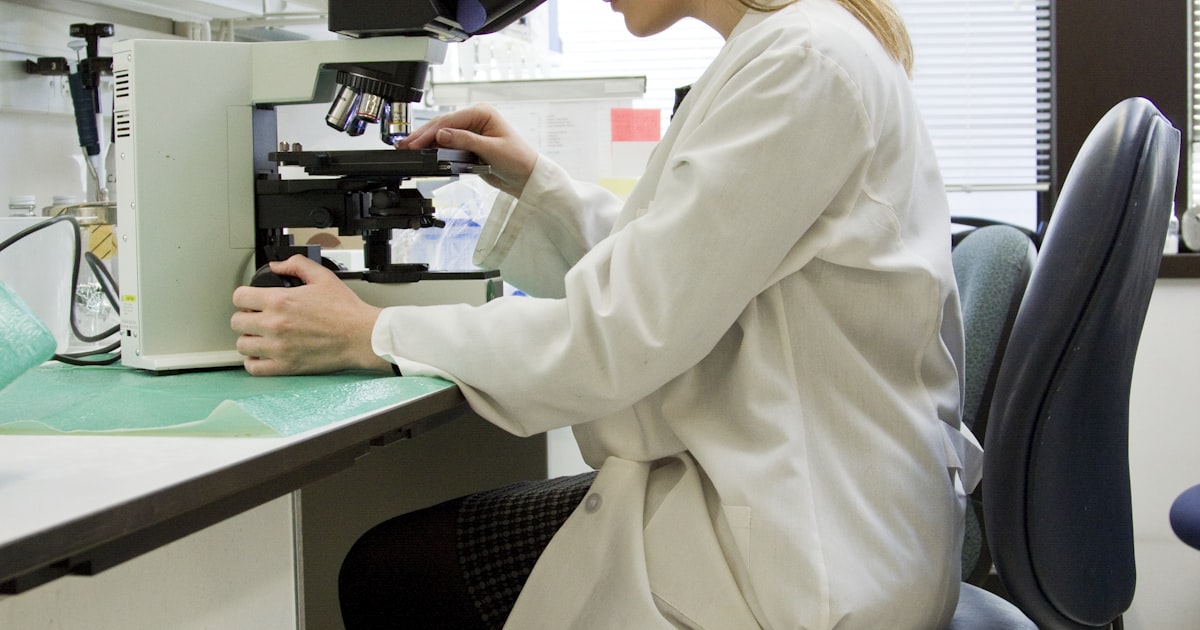
2. Peripheral Blood Smear
- What it is: Blood is smeared on a glass slide and examined under a microscope
- What it shows: Sickle-shaped and elongated red blood cells, target cells, polychromasia (early immature red cells)
- Cost in India: ₹100–₹200
- Limitation: Not specific; requires experienced haematologist interpretation
Tier 2: Confirmatory Tests
3. High Performance Liquid Chromatography (HPLC)
- What it is: The gold standard test for haemoglobin disorders in India — used extensively by major labs like SRL Diagnostics, Dr. Lal PathLabs, and Metropolis
- What it shows: Precise quantification of each haemoglobin type (HbA, HbA2, HbF, HbS, HbC, etc.)
- How to read results:
| HPLC Pattern | Meaning | Interpretation |
|---|---|---|
| HbA ~97%, HbA2 ~2.5%, HbF ~0.5% | Normal | No sickle cell gene |
| HbA ~60%, HbS ~38-40%, HbA2 ~2% | Sickle Cell Trait (HbAS) | Carrier |
| HbS ~90-95%, HbA2 ~3-5%, HbF ~5% | Sickle Cell Disease (HbSS) | Fully affected |
| HbS ~50%, HbC ~45% | Haemoglobin SC disease | Milder SCD variant |
| HbS + HbF (no HbA) | SCD on hydroxyurea or infant | Special interpretation needed |
- Cost in India: ₹800–₹2,000; free at government tribal health centres under the elimination mission
4. Haemoglobin Electrophoresis
An older method still used in some labs that separates haemoglobin types by electrical charge. HPLC is preferred as it is faster and more accurate, but electrophoresis is still a valid confirmatory test.
Tier 3: Disease Monitoring Tests
If you or your child is diagnosed with SCD, regular monitoring requires:
| Test | Frequency | Why |
|---|---|---|
| Complete Blood Count (CBC) | Every 3–6 months | Monitors haemoglobin level, haematocrit, reticulocytes |
| Reticulocyte Count | Every 3–6 months | High reticulocytes indicate bone marrow compensation |
| Liver Function Tests (LFT) | Annually | SCD can cause liver damage from vaso-occlusion and iron overload |
| Kidney Function Tests (KFT) | Annually | SCD nephropathy monitoring |
| Transcranial Doppler (TCD) | Annually (children 2–16 years) | Detects high stroke risk; a TCD velocity >200 cm/s signals need for transfusion |
| Echocardiogram | Every 1–2 years (adults) | Pulmonary hypertension screening |
| Ophthalmology review | Annually (adults) | Sickle cell retinopathy |
| Hip X-ray / MRI | If hip pain develops | Avascular necrosis screening |
| Serum Ferritin | Every 6–12 months if on transfusions | Iron overload monitoring |
You can upload and store all these reports together in MedicalVault, using the trend analysis feature to track your haemoglobin levels over years and share them easily with your haematologist during each visit.
Newborn Screening
The most effective time to detect SCD is at birth, before symptoms appear. Newborn screening using HPLC or isoelectric focusing (IEF) is now recommended under the National Sickle Cell Anaemia Elimination Mission. Early detection allows:
- Starting penicillin prophylaxis by 2 months of age (dramatically reduces infection risk)
- Parent education about crisis prevention and emergency signs
- Early vaccination with pneumococcal and meningococcal vaccines
Treatment Options Available in India
There is no universal cure for SCD currently, but management has advanced significantly.
Medications
1. Hydroxyurea (the cornerstone of SCD treatment)
- Increases levels of foetal haemoglobin (HbF), which inhibits sickling
- Reduces vaso-occlusive crises by 50%, acute chest syndrome by 80%, and blood transfusions
- Indian brand names: Hydab, Cytodrox, Droxiurea, Siklos (imported)
- Cost: ₹500–₹2,000/month; available under Pradhan Mantri Jan Aushadhi Kendra at subsidised rates
- Side effects: Nausea, reduced blood counts (requires regular CBC monitoring)
2. Folic Acid supplementation
- 5 mg daily recommended for all SCD patients to support red blood cell production
- Available everywhere in India; minimal cost (₹10–₹50/month)
3. Penicillin prophylaxis
- For children up to age 5 (sometimes longer)
- Prevents life-threatening pneumococcal infections in children with splenic dysfunction
4. Voxelotor and Crizanlizumab (newer agents)
- Newer drugs approved internationally for SCD management
- Currently limited availability in India; discuss with your haematologist about access under clinical trials or compassionate use
Blood Transfusions
- Indicated for severe anaemia, acute chest syndrome, stroke prevention (TCD-guided), splenic sequestration
- Exchange transfusion is preferred over simple transfusion for stroke to avoid iron overload
- Chronic transfusion programs require serum ferritin monitoring and iron chelation (deferoxamine / deferasirox)
Bone Marrow Transplant (BMT) — The Only Cure
- Allogeneic BMT from a matched sibling donor offers a ~80–90% cure rate in children
- Ideal in children before severe organ damage occurs (typically before age 16)
- Cost in India: ₹15–₹25 lakhs at top centres (AIIMS Delhi, CMC Vellore, Tata Memorial Mumbai)
- Covered under Ayushman Bharat PM-JAY for eligible beneficiaries — check the Ayushman Bharat guide to understand your coverage
- Gene therapy is being developed internationally and may become available in India in the coming decade
Managing Pain Crises at Home
Most mild-to-moderate crises can be managed at home with:
- Paracetamol (first-line) and ibuprofen or diclofenac if no kidney issues
- Generous hydration — 3–4 litres of water per day; dehydration is a major trigger
- Heat application to painful areas (warm cloth or bottle)
- Rest
Go to the emergency department immediately if: the pain is severe and unresponsive to home management, fever above 38.5°C develops, breathing becomes difficult, or there are any neurological symptoms (weakness, slurred speech, vision changes).
Prevention and Carrier Screening
The most powerful tool against SCD is preventing the birth of affected children through genetic counselling. This is the foundation of India's elimination mission.
Before marriage: Couples — especially those from tribal communities or regions with high SCD prevalence — should consider sickle cell carrier testing. If both partners carry the SCT, they have a 25% chance with each pregnancy of having a child with SCD. A haematologist or genetic counsellor can explain all options.
During pregnancy: Chorionic villus sampling (CVS) at 10–12 weeks or amniocentesis at 15–18 weeks allows prenatal diagnosis. This is a personal decision that should be made in consultation with a genetic counsellor.
Free screening under the Elimination Mission: Government health centres across tribal districts now offer free HPLC testing under the National Sickle Cell Anaemia Elimination Mission. Visit your nearest Community Health Centre (CHC) or District Hospital to enquire.
Vaccinations: Essential for SCD Patients
Because SCD damages the spleen, patients are at high risk of infection by encapsulated bacteria. The following vaccines are strongly recommended:
| Vaccine | Timing | Importance in SCD |
|---|---|---|
| Pneumococcal (PCV13 + PPSV23) | Starting at 2 months; boosters as per schedule | Highest priority — prevents life-threatening sepsis |
| Meningococcal | 2 months onwards | Prevents meningococcal meningitis |
| Haemophilus influenzae type b (Hib) | Part of routine childhood immunisation | Prevents H. influenzae sepsis |
| Annual Influenza | Every year | Reduces infection-triggered crises |
| Hepatitis B | All patients | Reduces transfusion-related hepatitis risk |
Key Takeaways
- Sickle Cell Disease affects an estimated 1.2 million Indians, with the highest burden in tribal communities of Chhattisgarh, Odisha, Gujarat, Madhya Pradesh, and Maharashtra
- It is caused by inherited HbS gene; having two copies (HbSS) causes disease, one copy (HbAS) makes you a carrier
- The HPLC test is the gold standard for diagnosis and is now available free at government health centres under the National Sickle Cell Anaemia Elimination Mission
- Hydroxyurea is the most important medicine for reducing crises — if prescribed, take it consistently and monitor CBC regularly
- Bone marrow transplant offers a cure for eligible children with matched donors
- Pre-marital carrier screening in high-prevalence communities is the most effective long-term prevention strategy
- Track all your HPLC reports, CBC results, and ferritin levels in one place with MedicalVault's family health records — especially useful for parents managing SCD in children across multiple hospital visits