Every day in India, roughly 300 babies are born with a neural tube defect — a preventable birth defect of the brain or spine that, in the vast majority of cases, could have been avoided with something as simple as adequate folate in the mother's body before and during early pregnancy. Yet folate, or Vitamin B9, remains one of the most overlooked deficiencies in the country, overshadowed in most conversations by iron and Vitamin B12. If you are planning a pregnancy, already pregnant, or simply feel persistently tired despite a "normal" haemoglobin, folate deserves a closer look.
Folate deficiency in India is not a rare or obscure condition — it sits at the heart of the country's anaemia crisis. According to India's Ministry of Health and Family Welfare, anaemia prevalence among women aged 15-49 remains around 57%, and a significant share of that burden traces back to inadequate folate and B12 intake, not iron alone. Understanding what folate does, how to test for it, and how to correct a deficiency can meaningfully protect both your own health and, if you are of childbearing age, the health of a future pregnancy.
What Is Folate, and Why Does the Body Need It?
Folate is the natural form of Vitamin B9, found in leafy greens, legumes, and certain fruits. Folic acid is the synthetic form used in supplements and fortified foods — both are converted by the body into the same active compound that drives essential processes:
- DNA synthesis and cell division — folate is required every time your body makes new cells, which is why deficiency shows up fastest in rapidly dividing tissues like bone marrow (red blood cell production) and the developing embryo
- Red blood cell formation — without enough folate, red blood cells cannot divide properly and become abnormally large (macrocytic), leading to a specific type of anaemia
- Neural tube formation in early pregnancy — the neural tube, which becomes the brain and spinal cord, closes within the first 28 days of pregnancy, often before a woman even knows she is pregnant. This is why folate status before conception matters as much as during pregnancy
- Homocysteine metabolism — folate helps break down homocysteine, an amino acid that, at high levels, is linked to increased cardiovascular risk
Because the body cannot produce folate on its own and stores relatively little of it, a diet consistently low in folate-rich foods can lead to deficiency within just a few months.
Why Folate Deficiency Is So Common in India
Several overlapping factors make India particularly vulnerable to folate deficiency:
- Overcooking of vegetables: Folate is highly heat-sensitive and water-soluble. Traditional Indian cooking methods — prolonged boiling of leafy greens like palak and methi, or pressure-cooking dals for extended periods — can destroy 50-90% of the folate content
- Low intake of folate-rich foods among vulnerable groups: Adolescent girls and women, especially in rural and low-income households, often have diets skewed toward refined cereals with limited leafy vegetables, legumes, and fruit
- High rates of unplanned pregnancy: Because the neural tube closes so early, folate needs to be adequate before conception. With a large proportion of pregnancies in India being unplanned, many women only start folic acid supplementation after the critical window has already passed
- Co-existing B12 deficiency: Folate and Vitamin B12 work together in the same metabolic pathway. India's largely vegetarian population has a very high background rate of B12 deficiency, which compounds the effects of low folate and can mask or mimic each other's blood picture
- Alcohol use and certain medications: Chronic alcohol use, and drugs like methotrexate, phenytoin, and some antibiotics, interfere with folate absorption and metabolism
Symptoms of Folate Deficiency
Folate deficiency develops gradually, and its symptoms overlap significantly with iron deficiency and B12 deficiency, which is exactly why lab testing — not guesswork — is important.
- Persistent fatigue and weakness, often out of proportion to visible activity levels
- Pale or slightly yellowish skin (due to associated mild jaundice from red blood cell breakdown)
- Shortness of breath on exertion
- Glossitis — a smooth, sore, red tongue
- Mouth ulcers that recur frequently
- Irritability, poor concentration, and low mood
- Loss of appetite and unintentional weight loss
- Numbness or tingling, particularly if B12 deficiency co-exists
In pregnancy, folate deficiency carries far more serious risks: neural tube defects (spina bifida, anencephaly), low birth weight, and a higher chance of preterm delivery. This is why every antenatal check-up in India includes folic acid supplementation as a near-universal recommendation, regardless of test results.
Testing for Folate Deficiency
Serum Folate Test
The standard blood test is a serum folate measurement, usually drawn alongside a CBC and often B12 in the same panel.
| Serum Folate Level | Interpretation |
|---|---|
| Above 5.4 ng/mL | Generally adequate |
| 3 – 5.4 ng/mL | Borderline — clinical correlation needed |
| Below 3 ng/mL | Deficient |
Reference ranges vary slightly between labs — always check the range printed on your specific report.
Red Blood Cell (RBC) Folate
Some labs also offer RBC folate, which reflects folate stores over the preceding 2-3 months rather than what you ate in the last few days, making it a more stable long-term indicator. It is used less commonly in routine practice but can be useful when serum folate results are ambiguous.
Supporting Tests
Your doctor will usually order folate testing alongside:
- CBC (Complete Blood Count): Look for macrocytic anaemia — an elevated MCV (mean corpuscular volume) is a classic clue pointing toward folate or B12 deficiency, even before symptoms appear
- Vitamin B12: To rule out or identify co-existing B12 deficiency, since the two conditions often occur together and require different treatment approaches
- Homocysteine: Elevated in both folate and B12 deficiency; helps confirm a functional deficiency even when serum folate is borderline
Folate Test Costs in India
| Test | Approximate Cost (₹) |
|---|---|
| Serum Folate | ₹800 – ₹1,500 |
| Folate + Vitamin B12 combo panel | ₹1,200 – ₹2,200 |
| RBC Folate | ₹1,800 – ₹3,000 |
| CBC (Complete Blood Count) | ₹150 – ₹500 |
| Homocysteine | ₹700 – ₹1,200 |
Prices vary by city and lab chain. Many government antenatal clinics and Anganwadi centres provide iron-folic acid (IFA) supplementation free of charge without requiring a prior blood test, as part of national health programmes.
Folate-Rich Foods for the Indian Diet
The good news is that folate is abundant in foods already common in Indian kitchens — the key is preparation, not just selection.
| Food | Approximate Folate Content |
|---|---|
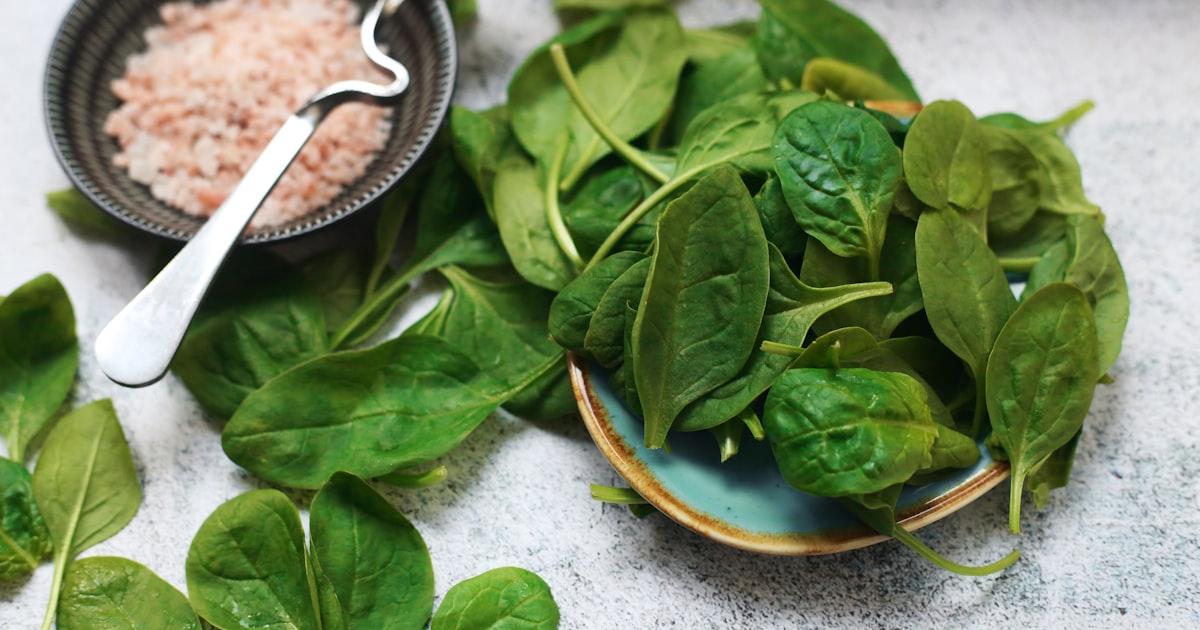
| Palak (spinach), cooked | High — but reduce cooking time and water to preserve it |
| Methi leaves (fenugreek greens) | High |
| Rajma, chana, moong dal (legumes) | High |
| Bhindi (okra) | Moderate-high |
| Beetroot | Moderate |
| Orange, banana, papaya | Moderate |
| Groundnuts (peanuts) | Moderate |
| Broccoli, cauliflower | Moderate |
| Eggs | Moderate |
| Fortified atta and rice (where available) | Variable, check packaging |
Cooking tips to preserve folate:
- Steam or lightly sauté leafy greens instead of boiling them for long periods
- Avoid discarding the water used to cook dals and vegetables where possible — much of the leached folate ends up there
- Eat some fruits and vegetables raw or minimally cooked, such as in salads or as a side
- Store fresh greens for the shortest time possible — folate content drops the longer produce sits after harvest
Government Programmes and Folic Acid Supplementation
India runs one of the world's largest folic acid supplementation programmes under the Anaemia Mukt Bharat (AMB) initiative, which provides free Iron-Folic Acid (IFA) tablets and syrups across age groups:
| Group | IFA Formulation |
|---|---|
| Children 6-59 months | Biweekly syrup: 20mg elemental iron + 100mcg folic acid |
| Children 5-9 years | Weekly tablet: 45mg elemental iron + 400mcg folic acid |
| Adolescents 10-19 years | Weekly tablet: 60mg elemental iron + 500mcg folic acid |
| Pregnant and lactating women | Daily tablet: 60mg elemental iron + 500mcg folic acid |
If you are planning a pregnancy, most gynaecologists recommend starting a folic acid supplement (typically 400-800mcg daily, higher if you have a personal or family history of neural tube defects) at least one to three months before conception, not after the pregnancy test turns positive — this is the single most important, evidence-backed intervention for preventing neural tube defects.
Folate Deficiency Anaemia vs Iron Deficiency Anaemia
Families often assume all anaemia is "iron deficiency" and self-medicate with iron tablets bought over the counter. This can be a mistake, because the two conditions look different under the microscope and are treated differently.
| Feature | Folate/B12 Deficiency Anaemia | Iron Deficiency Anaemia |
|---|---|---|
| Red blood cell size (MCV) | Large (macrocytic) | Small (microcytic) |
| Common cause in India | Poor intake, overcooking, co-existing B12 deficiency | Chronic blood loss, poor iron intake, heavy menstrual bleeding |
| Correcting with iron alone | Will NOT resolve the deficiency | Effective |
| Risk if untreated in pregnancy | Neural tube defects, low birth weight | Low birth weight, preterm birth, maternal complications |
If you have been taking iron supplements for months without improvement in your fatigue or blood counts, it is worth asking your doctor to check folate and B12 specifically — the underlying cause may not be iron at all. You can find more detail on iron-related anaemia in our Iron Deficiency & Anaemia guide.
When to Get Tested
- Before planning a pregnancy — ideally as part of a preconception check-up
- During antenatal visits — folate status is often assessed alongside other antenatal tests
- If you have unexplained fatigue, glossitis, or mouth ulcers that persist despite a normal-looking iron profile
- If your CBC shows an elevated MCV — this is often the first clue your doctor notices, even before you have symptoms
- If you are vegetarian or vegan with a diet low in fresh vegetables and legumes
- If you drink alcohol regularly or take medications known to interfere with folate metabolism
Tracking your folate, B12, and CBC results over time — especially through pregnancy or supplementation — helps you and your doctor see whether treatment is actually working rather than relying on how you feel. Uploading your reports to MedicalVault and using the trend analysis feature makes it simple to compare each new report against your previous ones, and the family sharing feature is particularly useful for tracking antenatal records that often need to be shared between your gynaecologist, family physician, and family members supporting you through pregnancy.
Key Takeaways
- Folate deficiency is a major, underappreciated contributor to India's anaemia burden, distinct from — but often occurring alongside — iron and B12 deficiency
- Folate matters most in the first month of pregnancy, often before a woman knows she is pregnant, which is why supplementation should ideally begin before conception
- Overcooking vegetables destroys folate — steaming or lightly cooking leafy greens like palak and methi preserves significantly more of the vitamin
- A serum folate below roughly 3 ng/mL is considered deficient, though your lab's specific reference range should always be checked
- Iron tablets will not fix a folate or B12 deficiency — if fatigue persists despite iron supplementation, ask your doctor to test for both
- India's Anaemia Mukt Bharat programme provides free iron-folic acid tablets across age groups, including for pregnant and lactating women
- Track your folate, B12, and CBC trends over time on MedicalVault so your doctor has a clear, longitudinal picture — especially valuable during preconception planning and pregnancy