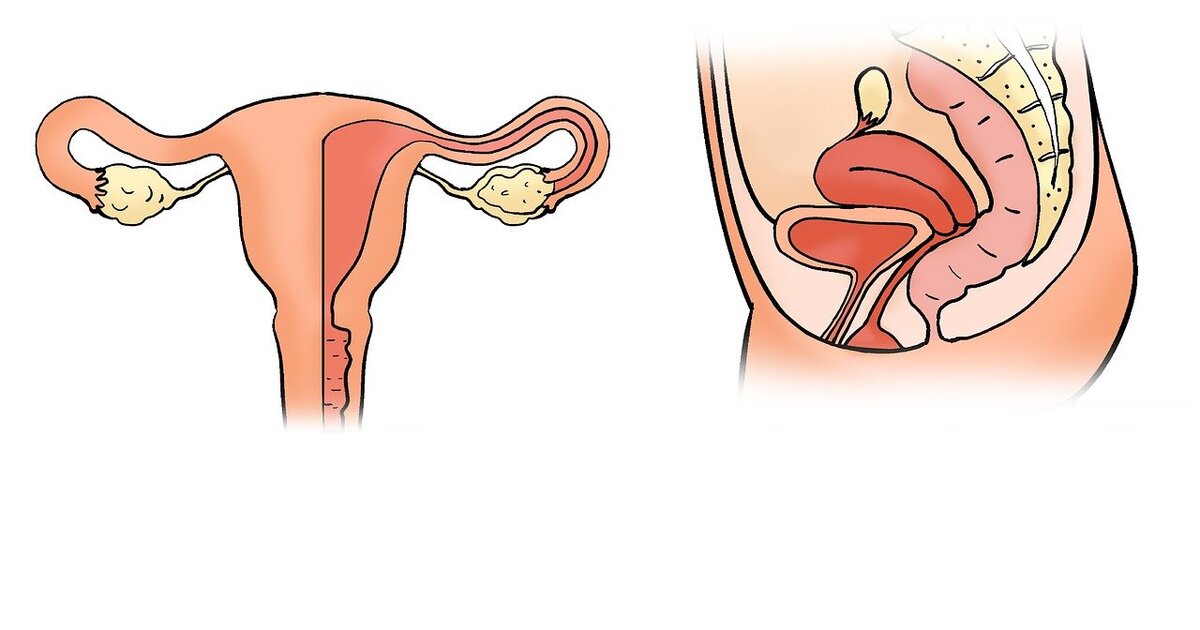
If your periods have steadily got heavier over the last few years, your saree feels tighter only around the lower abdomen, and a routine ultrasound has just used the words "fibroid uterus", you have a lot of company. Indian gynaecologists estimate that 20–25% of women over 30 have at least one uterine fibroid, and by age 50 nearly 70% of Indian women are carriers — most never knowing it. Yet the same Max Hospital data set shows that by age 60, one in three Indian women has already had her uterus removed, often unnecessarily, when modern uterus-sparing options would have worked. This guide is for every Indian woman who has been told she has fibroids — and is now wondering what they really are, whether they are dangerous, and what realistic treatment looks like in 2026.
What Are Uterine Fibroids?
Uterine fibroids (medical name: leiomyomas or myomas) are non-cancerous growths of smooth muscle tissue in the wall of the uterus. They are firm, well-defined, and respond to oestrogen and progesterone — which is why they grow during the reproductive years and tend to shrink after menopause.
A woman can have one fibroid or more than ten. They range from millimetres to the size of a watermelon. The location matters far more than the count, because where the fibroid sits decides what symptoms (if any) it causes.
Types of Fibroids
The International Federation of Gynaecology and Obstetrics (FIGO) classifies fibroids 0 to 8 by location. For practical purposes, Indian gynaecologists usually group them into three buckets:
| Type | Location | Typical symptoms |
|---|---|---|
| Submucosal | Just under the lining of the uterus, bulging into the cavity | Heavy bleeding, infertility, miscarriage |
| Intramural | Within the muscular wall of the uterus | Heavy or prolonged periods, pelvic pressure |
| Subserosal | On the outer surface of the uterus | Often silent; pressure symptoms if large |
| Pedunculated | Hanging on a stalk, inside or outside the uterus | Sudden pain if the stalk twists |
| Cervical | In the neck of the uterus | Dyspareunia, urinary symptoms |
A small submucosal fibroid of 1.5 cm can cause years of heavy periods and infertility. A large 8 cm subserosal fibroid may sit silently for decades. So when your scan report says "5 cm fibroid", always ask the radiologist or gynaecologist exactly where it sits.
Why Are Fibroids So Common in Indian Women?
A combination of genetic, hormonal and lifestyle factors makes Indian women particularly susceptible:
- Ethnicity — South Asian women have 2–3 times the incidence of fibroids compared with white women, and tend to develop them earlier
- Family history — daughters of mothers with fibroids have a 2.5× higher risk
- Early menarche — Indian girls now start periods at 11–12 years on average, increasing lifetime oestrogen exposure
- Late or no childbearing — urban Indian women are postponing the first pregnancy into their early 30s; pregnancy is somewhat protective against fibroids
- Obesity and metabolic syndrome — fat tissue produces oestrogen; rates of obesity in urban Indian women are climbing fast
- Vitamin D deficiency — over 70% of Indian women are deficient, and low vitamin D is linked to higher fibroid risk; see our vitamin D guide
- Hypertension — independently associated with fibroid growth
- Diet — diets high in red meat and low in fruits/vegetables modestly increase risk
These risk factors are not destiny — many women with all of them never develop symptomatic fibroids, and some women with none of them do. But they explain why Indian gynaecology OPDs are increasingly busy with women in their late 20s and early 30s presenting with fibroid-related infertility.
Symptoms: When Fibroids Cause Trouble
About 50–70% of fibroids cause no symptoms at all and are picked up incidentally on a pelvic ultrasound done for another reason. The remaining 30–50% can cause one or more of the following.
Menstrual Symptoms
- Heavy menstrual bleeding (menorrhagia) — soaking through pads in under 2 hours, passing large clots, periods lasting beyond 7 days
- Prolonged periods — bleeding extending into 8–10 days
- Inter-menstrual spotting — particularly with submucosal fibroids
- Severe dysmenorrhoea — cramping that does not respond to mefenamic acid
Heavy bleeding is the single most common reason women come to a gynaecologist. Over time it causes iron deficiency anaemia — fatigue, breathlessness on stairs, palpitations, hair fall and a constant feeling of tiredness. Many Indian women normalise this for years before realising their "weakness" is actually treatable anaemia from fibroid bleeding. A simple CBC and iron panel is the first step.
Pressure and Bulk Symptoms
Large fibroids press on neighbouring organs:
- Urinary frequency or urgency — pressure on the bladder
- Difficulty emptying the bladder fully — particularly with cervical fibroids
- Constipation — pressure on the rectum
- Lower abdominal swelling — many women say their saree pleats "do not fall right" anymore
- Backache, particularly in the lower back
- Pain during intercourse (dyspareunia) — especially with anterior wall fibroids
Reproductive Problems
- Infertility — submucosal and large intramural fibroids reduce embryo implantation
- Recurrent miscarriage
- Pre-term labour, malpresentation and Caesarean delivery during pregnancy
- Postpartum haemorrhage in some cases
Acute Pain
A sudden, severe lower abdominal pain in a woman with known fibroids is a medical event. Causes include:
- Red degeneration — outgrowing its blood supply, common in pregnancy
- Torsion of a pedunculated fibroid — sudden severe pain, vomiting; surgical emergency
- Infection in a degenerating fibroid
These need emergency gynaecology assessment.
Diagnosis: How Fibroids Are Confirmed
Indian gynaecologists rely on a stepwise pathway:
Step 1: History and Pelvic Examination
Your gynaecologist will ask about period heaviness (number of pads, clots), duration, pain, bowel and bladder symptoms, sexual function, and reproductive plans. A bimanual pelvic examination can pick up a bulky uterus or a clearly palpable abdominal mass.
Step 2: Transvaginal Ultrasound (TVS)
A transvaginal ultrasound is the first-line investigation. It identifies fibroids as small as 4–5 mm, maps their location, and rules out ovarian causes of pain or pressure. Cost is usually ₹800–2,500 in private centres; free at government hospitals. Trans-abdominal ultrasound is added when fibroids are very large.
Step 3: Saline Infusion Sonohysterography (SIS) / Hysteroscopy
If a submucosal fibroid is suspected (especially in infertility or heavy bleeding), the cavity needs to be visualised more precisely:
- SIS — saline is infused into the uterine cavity during ultrasound; a 15-minute OPD test
- Diagnostic hysteroscopy — a thin camera passed through the cervix; gold standard for submucosal disease, can also remove a small fibroid in the same sitting
Step 4: MRI Pelvis
MRI is reserved for:
- Very large or numerous fibroids before surgery
- Suspected adenomyosis or sarcoma
- Planning uterine artery embolisation or HIFU
- Atypical features on ultrasound
Cost ₹6,000–15,000 in private centres.
Step 5: Blood Tests
Your gynaecologist will routinely ask for:
- Complete Blood Count (CBC) with peripheral smear — to detect anaemia
- Serum ferritin — best marker for iron stores; see our iron deficiency guide
- TSH — thyroid disease worsens menstrual bleeding
- Coagulation profile if bleeding is severe and rapid
- Beta-hCG — to rule out pregnancy before any procedure
A small subset of women have unusually rapidly growing fibroids after menopause, where uterine sarcoma must be ruled out — your gynaecologist will plan this with imaging and, where needed, a biopsy.
Treatment: A Modern, Uterus-Sparing Approach
The single most important point of this article: most fibroids do not need treatment, and most that need treatment do not require hysterectomy. Treatment is decided not by size alone but by symptoms, age, fertility plans, and how rapidly the fibroid is growing.
Watchful Waiting
If fibroids are small, asymptomatic, and not affecting fertility, doing nothing is the right answer. A repeat ultrasound at 6–12 months confirms stability. Many Indian women have been frightened into hysterectomies for asymptomatic 3 cm fibroids that would never have caused them trouble.
Medical Treatment
Useful when symptoms are mild, when delaying surgery is desirable, or before surgery to shrink fibroids:
- Tranexamic acid (Pause, Trapic, 500 mg three times daily during periods) — reduces menstrual blood loss by 30–50%
- Mefenamic acid (Meftal-Spas, Ponstan) — for pain and modest bleeding reduction
- Oral combined contraceptive pills — control bleeding; do not shrink fibroids
- Hormonal IUD (Mirena) — best non-surgical option for heavy bleeding when the cavity is reasonably normal; effective for 5–8 years
- GnRH analogues (Leuprolide, Goserelin) — injectable; shrink fibroids by up to 50% but only used for 3–6 months pre-operatively due to bone loss
- Ulipristal acetate and selective progesterone receptor modulators — used in select cases; availability and labelling change frequently in India
- Iron supplementation for anaemia — ferrous sulphate, ferrous fumarate, or IV iron (Ferinject, Monofer) when oral iron is poorly tolerated
Uterus-Sparing Procedures
These should be discussed with every woman who wants to keep her uterus, regardless of age:
- Hysteroscopic myomectomy — for submucosal fibroids; performed through the cervix, no abdominal cut, day-care procedure
- Laparoscopic myomectomy — keyhole surgery for subserosal and intramural fibroids; 2–4 day hospital stay
- Robotic myomectomy — increasing in metro hospitals; very precise, costly
- Open abdominal myomectomy — for very large or numerous fibroids
- Uterine Artery Embolisation (UAE) — interventional radiology procedure that blocks fibroid blood supply through a tiny groin puncture; preserves the uterus, no general anaesthesia, but reduced fertility data is mixed
- High-Intensity Focused Ultrasound (HIFU) / MR-guided focused ultrasound — non-invasive option using ultrasound waves to ablate fibroids; available in select Indian centres in Delhi, Mumbai, Bangalore, Chennai
- Radiofrequency ablation (Acessa, Sonata) — newer minimally invasive options
Hysterectomy: Definitive but Final
Hysterectomy — removal of the uterus — remains the only treatment that guarantees no recurrence. It is the right choice for women who:
- Have completed their family AND have severe symptoms unresponsive to other treatment
- Are post-menopausal with rapidly growing or worrying fibroids
- Have very large multiple fibroids where myomectomy is not feasible
- Have associated severe adenomyosis or endometrial pathology
Modern Indian hospitals offer:
- Total laparoscopic hysterectomy (TLH) — 1–2 day stay, return to work in 2 weeks
- Vaginal hysterectomy — no abdominal scars
- Robotic hysterectomy
- Open hysterectomy — reserved for very large uteri or complications
The ovaries should usually be conserved in women under 50 to maintain hormonal health.
Indian Cost Estimates (2025–26)
| Procedure | Government / Insurance | Private |
|---|---|---|
| Hysteroscopic myomectomy | ₹25,000–50,000 | ₹70,000–1,80,000 |
| Laparoscopic myomectomy | ₹50,000–1,00,000 | ₹1,50,000–4,00,000 |
| Open myomectomy | ₹40,000–80,000 | ₹1,00,000–2,50,000 |
| Uterine artery embolisation | ₹80,000–1,50,000 | ₹2,00,000–4,50,000 |
| HIFU | Limited availability | ₹2,50,000–5,00,000 |
| Total laparoscopic hysterectomy | ₹50,000–90,000 | ₹1,50,000–4,00,000 |
| Robotic hysterectomy | Limited | ₹2,50,000–6,00,000 |
Most insurance policies cover myomectomy and hysterectomy when symptoms are documented. Keep your scans, CBC trends and prescriptions in one place — upload your reports to MedicalVault so you can present a complete history to a second-opinion gynaecologist before consenting to surgery.
Fibroids and Pregnancy
Many Indian women first discover fibroids on their dating scan during a wanted pregnancy. The good news: most pregnancies with fibroids are uncomplicated. Important points:
- Submucosal fibroids carry the highest risk of miscarriage and growth restriction
- Fibroids may grow in the first half of pregnancy and shrink in the third trimester
- Red degeneration (severe pain at 16–24 weeks) is managed conservatively with paracetamol and rest, almost never needing surgery
- A planned Caesarean section may be necessary if fibroids block the birth canal or distort the lower segment
- Postpartum haemorrhage risk is mildly increased; deliver in a hospital with blood-bank backup
- Pre-pregnancy myomectomy may be advised for submucosal or large intramural fibroids in women with infertility
For women undergoing IVF, removing significant submucosal fibroids before transfer improves implantation rates; see our IVF guide.
Living With Fibroids: Practical Advice
- Track your bleeding — count pads, note clot size, record cycle length; bring this diary to every gynaecology visit
- Get your iron checked annually — ferritin under 30 ng/ml means treatment, even if Hb is borderline normal
- Treat anaemia aggressively — IV iron is now widely available in Indian hospitals and corrects anaemia in days
- Maintain a healthy weight — every 5 kg weight loss reduces oestrogenic stimulation
- Eat the rainbow — diets rich in fruits, vegetables and pulses are associated with lower fibroid burden
- Vitamin D — get your 25-OH vitamin D level checked and corrected; daily supplementation (1000–2000 IU) is sensible for most Indian women
- Limit red meat and processed food
- Exercise regularly — 150 minutes of moderate activity weekly
- Do not panic about size — a 4 cm asymptomatic fibroid does not need surgery
- Always seek a second opinion before hysterectomy if you are under 45 or fertility is incomplete
- Use MedicalVault's family sharing feature to keep your sister, mother and daughters' fibroid scans together — fibroids run in families and a shared trend record is genuinely useful
When to See a Gynaecologist
Book a consultation if you have:
- Periods that soak through pads or tampons in under 2 hours
- Periods lasting longer than 7 days
- Cycles consistently shorter than 21 days
- Bleeding between periods
- A palpable lower abdominal lump
- Pelvic pressure, urinary frequency or constipation linked to your cycle
- Pain during intercourse
- Difficulty conceiving for 12 months (6 months if you are over 35)
- Any post-menopausal bleeding (always abnormal)
- A fibroid noted on previous scan that has not been re-evaluated for over a year
Indian gynaecology is excellent and well-equipped. The question is rarely whether treatment exists — it is whether you are getting the right one. A good gynaecologist in 2026 will offer you a menu, not a single dish.
Key Takeaways
- 20–25% of Indian women over 30 have uterine fibroids, but most are silent and never need treatment
- Fibroids are classified by location, not just size — a 1.5 cm submucosal fibroid can cause more trouble than a 6 cm subserosal one
- The cardinal symptoms are heavy menstrual bleeding, pelvic pressure and infertility; many women normalise heavy bleeding for years and develop iron deficiency anaemia
- Transvaginal ultrasound is the first-line test; MRI is reserved for surgical planning or complex cases
- Modern Indian medicine offers far more uterus-sparing options than a decade ago — Mirena IUD, hysteroscopic and laparoscopic myomectomy, UAE, HIFU and radiofrequency ablation
- Hysterectomy is final — always seek a second opinion before consenting if you are under 45 or have not completed your family
- Track ferritin, scans and treatment history in one place using MedicalVault so every gynaecologist visit starts with full information