Priya, a 34-year-old marketing manager in Gurugram, had been waking up at 3 AM every night for months, gaining weight around her midriff despite no change in diet, and feeling "wired but exhausted" all day. Her Instagram feed kept suggesting she had "adrenal fatigue" and needed a cortisol detox. Her endocrinologist ordered a proper serum cortisol test instead — and found nothing abnormal. What she actually had was a sleep disorder and untreated anxiety. Her story is common in urban India today: cortisol has become a buzzword, but the actual blood test behind it is widely misunderstood.
With India ranking among the most stressed workforces globally, "cortisol" searches have surged alongside wellness trends promising to "balance your cortisol levels." This guide explains what the cortisol test actually measures, when your doctor may genuinely order one, what the numbers mean, and why most day-to-day stress does not require a blood test at all.
What Is Cortisol and Why Does It Matter?
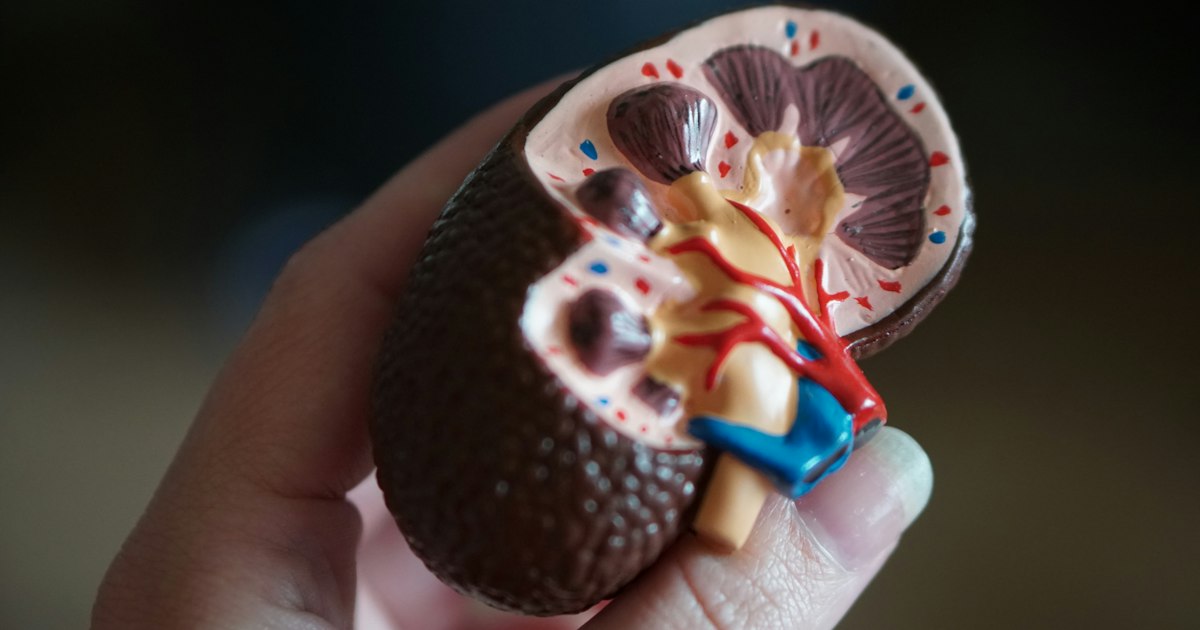
Cortisol is a steroid hormone produced by the outer layer of your adrenal glands, two small triangular glands that sit atop each kidney. Often called the "stress hormone," cortisol actually does far more than respond to stress — it regulates blood sugar, blood pressure, metabolism, inflammation, and your sleep-wake cycle.
Cortisol release follows a diurnal rhythm: levels peak shortly after you wake up (around 6–8 AM) to give you energy for the day, then gradually decline, reaching their lowest point around midnight. This is why cortisol blood tests are almost always timed — an 8 AM sample and a 4 PM sample from the same person can look very different, and that difference is expected, not abnormal.
Your hypothalamus-pituitary-adrenal (HPA) axis controls this rhythm. The hypothalamus in your brain signals the pituitary gland, which releases ACTH (adrenocorticotropic hormone), which in turn tells the adrenal glands how much cortisol to produce. A problem anywhere along this chain — brain, pituitary, or adrenal gland — can throw cortisol levels off.
When Does a Doctor Actually Order a Cortisol Test?
Unlike a routine annual health checkup panel, a cortisol test is not typically part of standard screening. Doctors order it when there is a specific clinical suspicion of an adrenal or pituitary disorder:
- Unexplained, persistent fatigue that does not improve with rest, alongside other red-flag symptoms
- Unexplained weight loss with low blood pressure and salt craving (possible adrenal insufficiency)
- Rapid weight gain around the face, neck, and abdomen with thin arms and legs, purple stretch marks, and high blood pressure (possible Cushing's syndrome)
- Skin darkening (hyperpigmentation), particularly in skin creases, gums, and scars — a classic sign of Addison's disease
- Poorly controlled diabetes or hypertension despite medication, when an endocrine cause is suspected
- Low sodium and high potassium on a routine electrolyte panel with no obvious cause
- Monitoring a known adrenal or pituitary condition, or checking recovery after long-term steroid use
If you are simply feeling "stressed and tired" from work pressure, poor sleep, or a demanding commute, a cortisol test is rarely the right first step — your doctor is more likely to evaluate your thyroid function, haemoglobin, blood sugar, vitamin D and B12, and sleep quality first, since these are far more common culprits.
Types of Cortisol Tests
| Test | Sample | What It Assesses | Approx. Cost (India) |
|---|---|---|---|
| Serum cortisol (8 AM) | Blood | Baseline/peak cortisol | ₹500–₹900 |
| Serum cortisol (4 PM) | Blood | Evening trough, compared with AM sample | ₹500–₹900 |
| 24-hour urinary free cortisol (UFC) | Urine, collected over 24 hours | Total daily cortisol output | ₹1,200–₹2,500 |
| Late-night salivary cortisol | Saliva, collected at bedtime | Screening for Cushing's syndrome | ₹1,500–₹3,000 (limited lab availability) |
| ACTH stimulation test | Blood, before and after synthetic ACTH injection | Confirms/rules out adrenal insufficiency | ₹3,000–₹6,000 |
| Dexamethasone suppression test | Blood, after an overnight dose of dexamethasone | Confirms/rules out Cushing's syndrome | ₹2,500–₹5,000 |
| Plasma ACTH | Blood | Distinguishes pituitary vs adrenal cause | ₹1,200–₹2,000 |
Most people who need cortisol testing will start with a simple 8 AM serum cortisol, and only proceed to the more specialised tests (ACTH stimulation, dexamethasone suppression) if the initial result is abnormal or clinical suspicion remains high.
Preparing for the Test
- Fasting is usually not required, but confirm with your lab
- Sample is best collected between 7–9 AM for the "morning" reading, and roughly 12 hours later for the "evening" reading
- Avoid strenuous exercise, smoking, and major stress in the hours before the test, as these can transiently raise cortisol
- Inform your doctor about any steroid medications, oral contraceptives, or hormone therapy you are taking — these directly affect results
- Get adequate sleep the night before; night-shift workers and people with disrupted sleep schedules should discuss timing with their doctor, since the "normal" diurnal pattern assumes a regular day-night routine
Understanding Your Results
| Result | 8 AM Cortisol | Possible Interpretation |
|---|---|---|
| Normal | 5–23 µg/dL (lab-specific range) | Adrenal function within expected limits |
| Low | Below reference range | Consider adrenal insufficiency (Addison's disease) or pituitary dysfunction — needs ACTH stimulation test to confirm |
| High | Above reference range | Consider Cushing's syndrome, severe acute illness/stress, or certain medications (including some steroid inhalers and creams) — needs dexamethasone suppression test to confirm |
Reference ranges vary by laboratory and assay method, so always interpret your specific report against the range printed on it, not a number you find online. A single abnormal cortisol value rarely confirms a diagnosis on its own — your doctor will usually want a second confirmatory test, alongside your symptoms, before making a diagnosis.
Addison's Disease (Primary Adrenal Insufficiency)
Addison's disease occurs when the adrenal glands do not produce enough cortisol (and often aldosterone too). It is rare — global estimates suggest well under 1 in 10,000 people — but it is a medical emergency if missed, since an adrenal crisis (severe low blood pressure, vomiting, collapse) can be fatal without urgent steroid replacement and IV fluids. Classic features include fatigue, weight loss, low blood pressure, salt craving, and darkening of the skin, especially in sun-exposed areas, skin folds, and old scars. Treatment is lifelong replacement with hydrocortisone or prednisolone, and patients are advised to carry a steroid emergency card and increase their dose during illness, surgery, or major stress — always under medical supervision.
Cushing's Syndrome (Excess Cortisol)
Cushing's syndrome results from prolonged exposure to high cortisol, either from the body overproducing it (a pituitary or adrenal tumour) or, far more commonly in India, from long-term use of oral, injectable, or even high-dose topical/inhaled steroids — often self-administered or taken for chronic conditions like asthma, arthritis, or skin disease without adequate medical supervision. Features include central weight gain with thin limbs, a rounded ("moon") face, a fat pad at the back of the neck, purple abdominal stretch marks, muscle weakness, easy bruising, high blood pressure, and poorly controlled blood sugar. If your doctor suspects Cushing's, they will typically start with a late-night salivary cortisol, 24-hour urinary free cortisol, or a low-dose dexamethasone suppression test.
The "Adrenal Fatigue" Myth
You will see "adrenal fatigue" mentioned widely across wellness blogs and social media, claiming that chronic stress "exhausts" your adrenal glands, causing low energy, weight gain, and sleep problems. This is not a recognised medical diagnosis. The Endocrine Society and major medical bodies worldwide have reviewed the evidence and found no scientific basis for adrenal fatigue as a distinct condition, and there is no validated test that can diagnose it. Systematic reviews of the available research have reached the same conclusion.
This does not mean your symptoms are not real. Persistent fatigue, brain fog, and disrupted sleep are genuine and deserve medical attention — but the more likely explanations are conditions with well-established tests and treatments: hypothyroidism, iron-deficiency anaemia, vitamin D or B12 deficiency, obstructive sleep apnoea, depression, or true adrenal insufficiency (which is a real, testable condition, distinct from the unproven "fatigue" concept). Chasing an unvalidated "cortisol detox" or expensive supplement regimen can delay diagnosis of the actual underlying problem. If you are worried about your cortisol levels, ask your doctor to evaluate you properly rather than self-diagnosing from a wellness influencer's checklist.
Chronic Stress and India's Workplace Reality
Even without a formal adrenal disorder, chronically elevated stress hormones are a genuine population-level concern in India. Recent workplace surveys have found burnout symptoms among a majority of Indian employees, with South Asia recording some of the longest average working hours globally. Persistently elevated cortisol from ongoing psychological stress is associated with disrupted sleep, higher blood pressure, abdominal weight gain, and worsened blood sugar control over time — mechanisms that are well understood, even though "testing your cortisol" is not the way to manage everyday stress.
Practical, evidence-based steps that genuinely help regulate your stress-hormone rhythm include:
- Consistent sleep-wake timing, ideally 7–8 hours, since cortisol's daily rhythm depends heavily on regular sleep
- Morning sunlight exposure, which helps anchor your circadian (and cortisol) rhythm
- Regular moderate exercise — brisk walking, yoga, or swimming — rather than intense unstructured exercise, which can itself transiently spike cortisol
- Limiting caffeine after early afternoon, since caffeine independently raises cortisol
- Structured breaks during the workday and boundaries around after-hours work communication
- Seeking professional help for anxiety or depression rather than assuming it is purely hormonal — read our guide to depression and anxiety in India for more on recognising when to seek support, and our workplace stress guide for a fuller look at India's burnout landscape
Cortisol's Links to Other Conditions
Cortisol testing sometimes comes up alongside other common Indian health concerns:
- PCOS/PCOD: Some women with PCOS show altered cortisol patterns, though cortisol is not part of standard PCOS diagnostic criteria. Read our PCOS/PCOD guide for the tests that actually matter for diagnosis
- Type 2 diabetes: Excess cortisol raises blood sugar by promoting glucose release from the liver and reducing insulin sensitivity, which is why poorly explained blood sugar spikes sometimes prompt a cortisol check — see our diabetes management guide
- Hypothyroidism: Thyroid and adrenal function are closely linked through the same hypothalamic-pituitary axis; your doctor may check both together — see our thyroid function tests guide
- Long-term steroid use: Anyone on prolonged oral steroids for asthma, arthritis, skin conditions, or autoimmune disease should have their adrenal function monitored, since suddenly stopping steroids after long-term use can itself trigger adrenal insufficiency — never stop steroid medication abruptly without your doctor's guidance
Key Takeaways
- Cortisol testing is ordered for specific suspected conditions — Addison's disease, Cushing's syndrome, or monitoring known adrenal/pituitary disorders — not as routine stress screening
- Timing matters enormously: cortisol follows a diurnal rhythm, so an 8 AM and 4 PM sample from the same healthy person will naturally differ
- A single abnormal result is rarely diagnostic on its own; confirmatory tests like the ACTH stimulation test or dexamethasone suppression test are usually needed
- "Adrenal fatigue" is not a recognised medical diagnosis — persistent fatigue deserves proper evaluation for real, testable causes, not unproven supplements or "cortisol detoxes"
- Chronic workplace stress genuinely affects your hormone rhythm, but the fix is sleep, sunlight, exercise, and professional support — not a blood test
- Anyone on long-term steroid medication should have adrenal function monitored and should never stop steroids abruptly
- Keep your cortisol, thyroid, and blood sugar reports together over time with MedicalVault so you and your endocrinologist can track patterns across visits, and consult your doctor before drawing conclusions from any single lab value