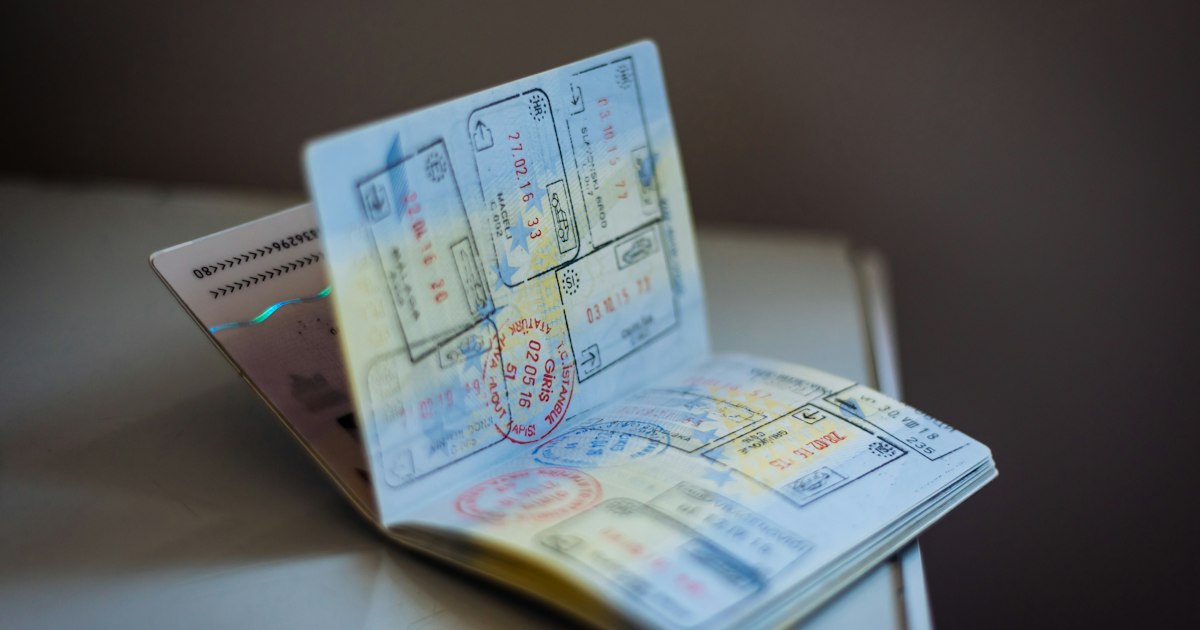
You have the offer letter, the IELTS score and the bank statements in order. Then the visa portal asks for one more thing: a visa medical exam from an approved panel physician. Suddenly you are searching for clinics in Ludhiana or Bengaluru, wondering whether the childhood TB scar on your X-ray will cause trouble, and trying to remember where your vaccination card went. Every year lakhs of Indians go through immigration medicals for study, work and settlement visas to Canada, the UK, the US, Australia and the Gulf, and a surprising number face delays that good preparation could have avoided.
This guide explains what each country's visa medical test includes, approximate costs in India, what documents to carry, the common reasons results get held up, and how to keep your health records ready so the process goes smoothly.
What Is a Visa Medical Exam?
A visa medical exam (also called an immigration medical examination or IME) is a health check required by many countries before they grant long-term visas. Its purpose is not to judge your overall fitness. Destination countries mainly want to know three things:
- Do you have a condition that could be a public health risk, such as active tuberculosis?
- Do you have a condition that could place an excessive demand on their public health system? (Mostly relevant for permanent residence.)
- Are you up to date on required vaccinations? (Mainly the US.)
Key points every Indian applicant should know:
- Only approved doctors can do it. Each country maintains its own list of panel physicians or approved clinics in India. A test from your family doctor or a regular diagnostic chain will not be accepted.
- Results usually go directly to the embassy. For Canada, Australia and New Zealand, the clinic uploads results through the eMedical system. You often never see the full report.
- The doctor does not decide your visa. The panel physician only examines and reports; the immigration authority makes the decision.
- Results expire. Most medicals are valid for 6 to 12 months, so timing matters.
Visa Medical Tests by Country: What to Expect
The table below summarises the most common destinations for Indian applicants. Requirements change, so always confirm on the official immigration website for your visa category.
| Country | Who Needs It | Main Tests | Approx. Cost in India (₹) | Typical Validity |
|---|---|---|---|---|
| Canada | PR, and study/work permits for stays over 6 months (and certain jobs) | Physical exam, chest X-ray (11+), HIV and syphilis blood tests (15+) | 4,500 – 7,500 per adult | 12 months |
| United Kingdom | Visas over 6 months for Indian residents | TB screening chest X-ray (11+); clinical check for younger children | 1,800 – 3,700 | 6 months from X-ray |
| United States | Immigrant visas (green card) and K fiancé(e) visas | Physical exam, chest X-ray, IGRA TB blood test (2+), syphilis and gonorrhoea tests, vaccination review | 11,800 – 16,100 (vaccines extra) | Generally 6 months |
| Australia | PR and many longer temporary visas, based on your HAP ID | 501 medical exam, 502 chest X-ray (11+), 707 HIV test (15+, for many visas), other tests as listed | 5,000 – 9,000 | Usually 12 months |
| GCC (UAE, Saudi Arabia, Qatar, Kuwait, Oman, Bahrain) | Employment and residence visas, booked via Wafid (formerly GAMCA) | Physical exam, chest X-ray, HIV, hepatitis B and C, syphilis, malaria and microfilaria, CBC, blood sugar, urine tests | Wafid fee (about US $10) plus clinic fee of roughly 6,000 – 9,000 | Usually about 3 months |
Costs are approximate 2026 figures from approved clinics and official lists, and vary by city and clinic.
Canada
Since August 2025, Express Entry PR applicants must complete an upfront medical exam before submitting the application. Book with an IRCC-approved panel physician (there are a couple of dozen in India, with the largest cluster in Punjab and others in Maharashtra, Gujarat, Karnataka and other states). You can use any IRCC panel physician worldwide, which helps if you are already abroad. Bring your IME or upfront medical form if issued, and the clinic will give you an information sheet as proof.
United Kingdom
UK visas longer than six months need a TB test certificate from a Home Office-approved clinic. The GOV.UK list for India currently includes hospitals such as Apollo, Fortis, Max, Lilavati, Ruby Hall, KIMS and Amrita, along with dedicated migration clinics in Chandigarh, Ludhiana and Hyderabad. Fees listed range from about ₹1,000 to ₹3,700. The certificate is valid for six months from the date of the X-ray, so time it close to your visa application.
United States
US immigrant visa medicals are done only at panel sites assigned to the Mumbai consulate or New Delhi embassy. The doctor completes the DS-3025 vaccination worksheet, checking that you have received age-appropriate vaccines such as MMR, Td/Tdap, polio, hepatitis B, varicella and seasonal influenza. Missing vaccines can usually be given at the clinic, but at extra cost. Having your vaccination records ready saves both money and repeat injections.
Australia
After you lodge your visa, the Department of Home Affairs issues a HAP ID and a list of required examinations. The common codes are 501 (medical exam), 502 (chest X-ray) and 707 (HIV test). Bupa Medical Visa Services conducts exams inside Australia; in India you go to an approved panel clinic, which uploads results through eMedical.
Gulf countries
GCC medicals are booked online through Wafid (the system that replaced GAMCA booking). You pay a registration fee online, receive an appointment slip and attend the allotted centre. The screening is stricter than Western countries for infectious diseases: HIV, hepatitis B surface antigen and hepatitis C antibody positive results, active TB and some other conditions can make an applicant "unfit" for most job categories. If you have a known condition, discuss it with your doctor and the employer before applying.
What Happens on the Day of Your Visa Medical
Most immigration medicals take between two and five hours. A typical sequence:
- Registration and identity check: Your passport is scanned, and a photograph is taken to prevent impersonation.
- Medical history questionnaire: Past illnesses, surgeries, hospitalisations, TB history, mental health conditions and current medicines. Answer truthfully; non-disclosure can be treated as misrepresentation, which is far more serious than most medical conditions.
- Physical examination: Height, weight, vision, heart, lungs, abdomen, skin, lymph nodes and a basic nervous system check. A female chaperone is available for women.
- Chest X-ray: Pregnant women can usually defer this or have it done with abdominal shielding, depending on country rules. Inform the clinic in advance.
- Blood and urine tests: As required for your country and age.
- Vaccination review: Mainly for US applicants.
Documents and records to carry
This is where many Indian applicants get caught out. Carry originals and photocopies of:
- Passport and one additional photo ID (Aadhaar, PAN, driving licence)
- Appointment letter, HAP ID, IME form, Wafid slip or UCI number as applicable
- Passport-size photographs (some clinics take their own)
- Spectacles or contact lenses you normally wear
- Vaccination records, including childhood cards. See our child vaccination schedule guide if you are applying with children.
- Previous TB treatment records: the treatment card or NIKSHAY records, sputum results and a treatment completion certificate. This single document prevents many delays.
- Reports for any chronic condition: recent HbA1c and medicine list for diabetes, BP readings and prescription for hypertension, thyroid reports, kidney function tests, and specialist letters stating the condition is stable
- Old chest X-rays if you have a known scar or past lung problem
- Discharge summaries of any major surgery or hospitalisation. Our discharge summary guide explains what a good one contains.
If your records are scattered across WhatsApp chats, old email inboxes and a cupboard at your parents' home, now is the time to gather them. Upload your reports to MedicalVault and you can pull up a 2019 TB completion certificate or last year's HbA1c in seconds when the panel doctor asks.
Common Reasons for Delays (and How to Avoid Them)
1. Abnormal chest X-ray
India has the world's largest TB burden, so many Indian adults have small calcified scars or fibrosis from an old, sometimes unnoticed infection. If your X-ray shows changes, the panel physician will usually order sputum smear and culture tests. TB cultures can take up to eight weeks, which can push you past a course start date or joining date.
How to reduce the risk:
- Take your medical early, as soon as your country rules allow.
- Carry old X-rays showing that the scar has been unchanged for years.
- Carry your full TB treatment and completion records.
- If you have an ongoing cough, see a doctor before the medical. Our TB guide explains testing and treatment.
Some applicants with old, inactive TB may be admitted with a condition to report for medical surveillance after arrival. This is routine and not a rejection.
2. Uncontrolled diabetes or blood pressure
A very high blood sugar or BP reading can trigger additional tests or a request for a specialist report. If you have diabetes, get a recent HbA1c and keep taking your medicines normally on the day. Our HbA1c guide explains what your doctor will look for.
3. Missing or incomplete records
The panel doctor may request a specialist's opinion for conditions like kidney disease, heart disease, cancer history, epilepsy or psychiatric illness. A clear, recent letter from your treating doctor (diagnosis, current treatment, stability and prognosis) speeds this up considerably.
4. Positive infectious disease tests
For Canada, the UK, Australia and the US, conditions such as HIV or hepatitis B do not automatically lead to refusal; applicants may be referred for counselling or further evaluation, and policies differ by visa type. For Gulf countries, the rules are much stricter. If you already know your status, speak to an immigration adviser and your doctor before you book.
5. Mismatched personal details
Spelling differences between your passport and the appointment letter, or using a different passport from the one in your application, can cause rejections at the clinic. Double-check everything before you go.
Practical Tips for a Smooth Visa Medical
- Book early: Panel clinics in Punjab, Delhi and Mumbai get very busy during the January and September intake seasons for students.
- Eat normally: Most visa medicals do not require fasting, but confirm with the clinic, as some blood tests may.
- Avoid scheduling during menstruation if a urine test is required; inform the clinic if you cannot reschedule.
- Do not take the test before you are told where your country requires a specific form, ID or HAP ID.
- Ask for a copy of what you can get: Some clinics provide the X-ray report or information sheet; keep these.
- Keep receipts and the confirmation slip as proof that the medical was completed.
- Note the date: Validity usually runs from the exam or X-ray date, not the result date.
- Family applications: Each family member needs their own exam. Organise everyone's documents in advance; MedicalVault's family sharing feature helps you keep each person's records separate but accessible in one place.
After you move, your new doctor abroad will ask for many of the same records: vaccination history, past surgeries, chronic disease reports and medication lists. Having them in digital form saves you from relying on a relative to courier files from India. Read our guide to digital health records in India to understand your options, and see the features page for how MedicalVault organises them.
Key Takeaways
- A visa medical exam must be done only by an approved panel physician or clinic; results are usually sent directly to the immigration authority.
- Canada, Australia and the US do a full medical with chest X-ray and blood tests; the UK mainly requires a TB screening chest X-ray; Gulf countries screen strictly for infectious diseases through Wafid.
- Costs in India range from about ₹1,800 for a UK TB test to over ₹16,000 for a US immigrant medical, with vaccines extra.
- The most common cause of delay for Indians is an abnormal chest X-ray from old TB, which can mean sputum cultures taking up to eight weeks, so book early.
- Carry TB treatment completion certificates, vaccination records, old X-rays and recent reports for any chronic condition, and always answer the health questionnaire honestly.
- Medical results usually expire in 6 to 12 months, so time your exam to match your visa application.
- Keep all your health documents organised and accessible with MedicalVault, both for your visa medical and for your new doctor abroad.