For months, a 54-year-old shopkeeper in Aizawl blamed his constant "gas," bloating, and loss of appetite on too much spicy food and erratic meals. Antacids from the chemist gave brief relief. By the time an endoscopy was done, the diagnosis was advanced stomach cancer. This pattern — vague digestive symptoms dismissed as ordinary acidity until it is too late — is the central tragedy of gastric cancer in India.
Stomach cancer does not make headlines the way breast or lung cancer does, yet it is one of the deadliest cancers Indians face, precisely because it is caught so late. In some parts of the country, especially the North East, it is the single most common cancer. Knowing the warning signs and risk factors could be lifesaving.
How Big Is the Problem in India?
Nationally, India has a relatively low overall incidence of stomach cancer compared with countries like Japan, Korea, and China — but that national average hides dramatic regional pockets where rates rival the world's highest.
Mizoram has the highest incidence of stomach cancer in all of India. Hospital data there have shown gastric cancer making up around 30% of all cancers, with age-adjusted rates among men reaching roughly 50 per 100,000 — comparable to the worst-affected regions globally. The southern states and several North Eastern states also report rates well above the national average, linked to distinctive local diets and tobacco habits.
The most dangerous feature is late diagnosis. Because early symptoms mimic everyday indigestion, most Indian patients are diagnosed only at an advanced stage, when the five-year survival rate is around 20%. Caught early, survival is far better — which is the whole reason this article exists.
The H. pylori Paradox
The bacterium Helicobacter pylori is the single biggest known risk factor for stomach cancer worldwide, and it is extraordinarily common in India — infecting an estimated 50–80% of the population, usually acquired in childhood through contaminated water and food.
Yet here lies the "Indian enigma": despite this very high infection rate, India's overall gastric cancer rate stays comparatively low. Researchers believe H. pylori alone is not enough to cause cancer — it needs to combine with other factors like diet, the specific bacterial strain, genetics, and tobacco. This is why most people with H. pylori never develop cancer, but it remains an important, treatable risk factor. If you have a confirmed H. pylori infection, eradicating it with the prescribed antibiotic course is one of the few proven ways to lower your risk.
What Raises Your Risk
Stomach cancer results from many factors acting together over years:
- H. pylori infection — chronic inflammation of the stomach lining
- Tobacco — both smoking and smokeless forms (gutka, khaini, zarda) raise risk significantly; current smokers have more than double the risk
- Diet — heavy intake of salted, smoked, pickled, and preserved foods; salted/smoked meats and fish; and in Mizoram specifically, salted fermented foods and tuibur (tobacco-infused water) and salted tea
- Low fruit and vegetable intake — fewer protective antioxidants
- Alcohol, especially combined with tobacco
- Chronic acid reflux and atrophic gastritis — long-standing irritation of the stomach lining
- Family history of stomach cancer and certain inherited syndromes
- Age and sex — risk rises after 50, and men are affected roughly twice as often as women
- Previous stomach surgery or pernicious anaemia
Many of these are modifiable. Quitting tobacco, cutting down on salted and preserved foods, eating more fresh fruit and vegetables, and treating H. pylori are all within your control.
Symptoms: Why "Just Gas" Can Be Dangerous
Early stomach cancer is often silent or causes only mild symptoms easily mistaken for acidity and GERD. The key is persistence — symptoms that do not settle with usual remedies, or that keep coming back, deserve investigation.
Watch for:
- Persistent indigestion, bloating, or burning that does not respond to ordinary antacids
- Early satiety — feeling uncomfortably full after eating only a small amount
- Upper abdominal pain or heaviness, especially after meals
- Unexplained weight loss and loss of appetite
- Nausea or repeated vomiting, sometimes of food eaten long before
- Difficulty swallowing, if the tumour is near the food pipe
- Vomiting blood, or black, tarry stools — a sign of bleeding that needs urgent attention
- Unexplained tiredness and pallor from iron-deficiency anaemia caused by slow blood loss
A new, unexplained iron-deficiency anaemia in an adult — particularly a man or a post-menopausal woman — should always prompt a doctor to consider the gut as a source. If you have had digestive symptoms for more than two to three weeks that are not improving, see a doctor rather than reaching for another strip of antacids.
How Stomach Cancer Is Diagnosed
Upper GI Endoscopy with Biopsy
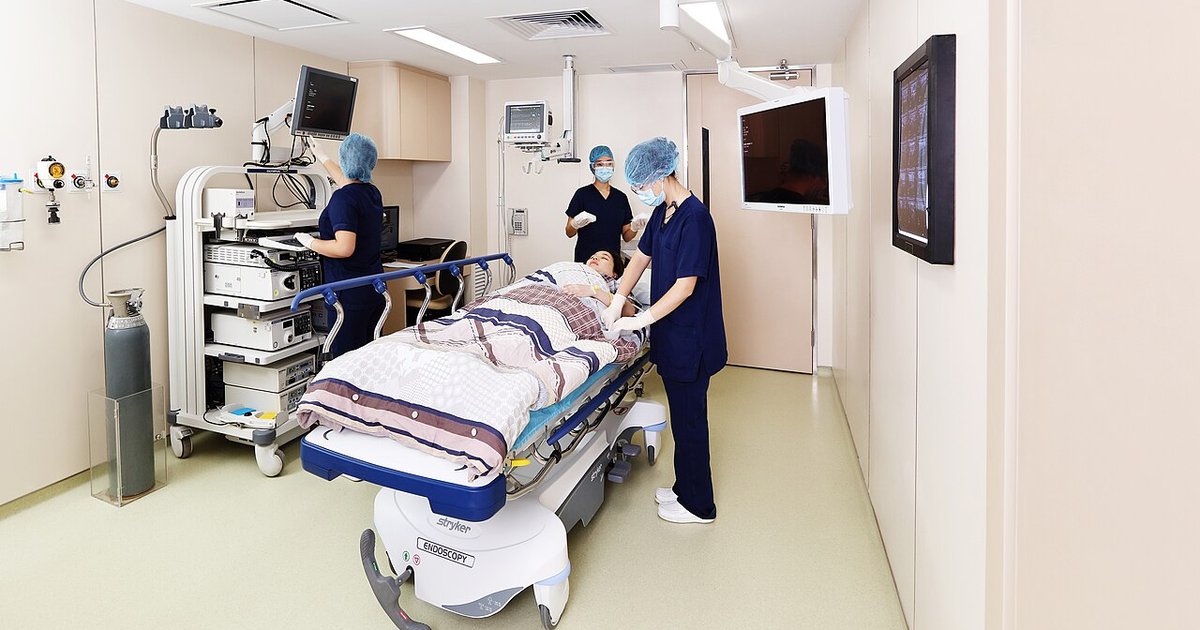
This is the single most important test. A thin, flexible tube with a camera (gastroscope) is passed through the mouth to look directly at the stomach lining, and any suspicious area is biopsied for laboratory confirmation. It is done under mild sedation, takes only a few minutes, and costs roughly ₹2,500–₹8,000 in most Indian centres — far less than the cost of a late diagnosis. Endoscopic detection of early gastric cancer is very feasible in India when doctors are trained to look for it.
Staging Investigations
Once cancer is confirmed, doctors assess how far it has spread to plan treatment:
- CECT scan (contrast CT) of the abdomen and chest with a gastric protocol
- Endoscopic ultrasound (EUS) to judge how deep the tumour has grown
- PET-CT in selected cases
- Blood tests — CBC, liver function tests, kidney function, and nutritional markers
- HER2 and biomarker testing on the biopsy, which decides whether targeted drugs can be used
- Diagnostic laparoscopy sometimes, to check for spread before major surgery
Treatment Options in India
Treatment depends on the stage and your overall health, and is best managed by a multidisciplinary team at a cancer centre.
- Endoscopic resection — for very early, superficial tumours, the cancer can sometimes be removed through the endoscope itself, without major surgery
- Surgery (gastrectomy) — the mainstay for operable disease. A D2 gastrectomy, removing part or all of the stomach along with surrounding lymph nodes, is the standard in India. It may be done open or laparoscopically, and increasingly with robotic surgery at major centres
- Chemotherapy — often given before and after surgery (perioperative) to shrink the tumour and reduce recurrence
- Targeted therapy — drugs like trastuzumab for HER2-positive tumours
- Immunotherapy — newer checkpoint inhibitors for certain advanced cancers
- Radiotherapy — in selected situations
- Palliative care — for advanced disease, focused on relieving symptoms, maintaining nutrition, and quality of life
The financial burden of cancer treatment is heavy, but eligible families can access significant coverage under Ayushman Bharat PM-JAY, which covers many oncology procedures at empanelled hospitals.
Always discuss the full range of options, intent of treatment, and likely outcomes openly with your oncology team before deciding.
Can Stomach Cancer Be Prevented?
There is no national stomach cancer screening programme in India as there is in high-incidence Japan, but you can meaningfully lower your own risk:
- Quit all forms of tobacco — this is the most powerful single step
- Get H. pylori tested and treated if you have persistent dyspepsia, especially with a family history
- Eat more fresh fruit and vegetables and cut back on salted, smoked, pickled, and heavily preserved foods
- Limit alcohol
- Take persistent digestive symptoms seriously and get an endoscopy rather than self-medicating for months
- Know your family history — if a close relative had stomach cancer, tell your doctor and ask whether earlier endoscopy is wise
For families in high-incidence regions like Mizoram and the North East, awareness and a low threshold for early endoscopy are especially important.
Key Takeaways
- Stomach cancer is uncommon nationally but very common in pockets of India — Mizoram and the North East have among the world's highest rates.
- It is one of the deadliest cancers here mainly because it is caught late; early detection transforms survival.
- H. pylori, tobacco, and a diet high in salted and preserved foods are the leading, largely preventable, risk factors.
- Do not dismiss persistent indigestion, early fullness, weight loss, or new anaemia as ordinary acidity — these are red flags.
- An upper GI endoscopy with biopsy is the definitive test; it is quick, affordable, and could be lifesaving.
- D2 gastrectomy, perioperative chemotherapy, and targeted therapy are the mainstays of treatment, with PM-JAY coverage available for many families.
- Keep your endoscopy reports, biopsy results, and scans organised and shareable with MedicalVault so your care team always has your full history — and consult a doctor promptly for any persistent digestive symptom.