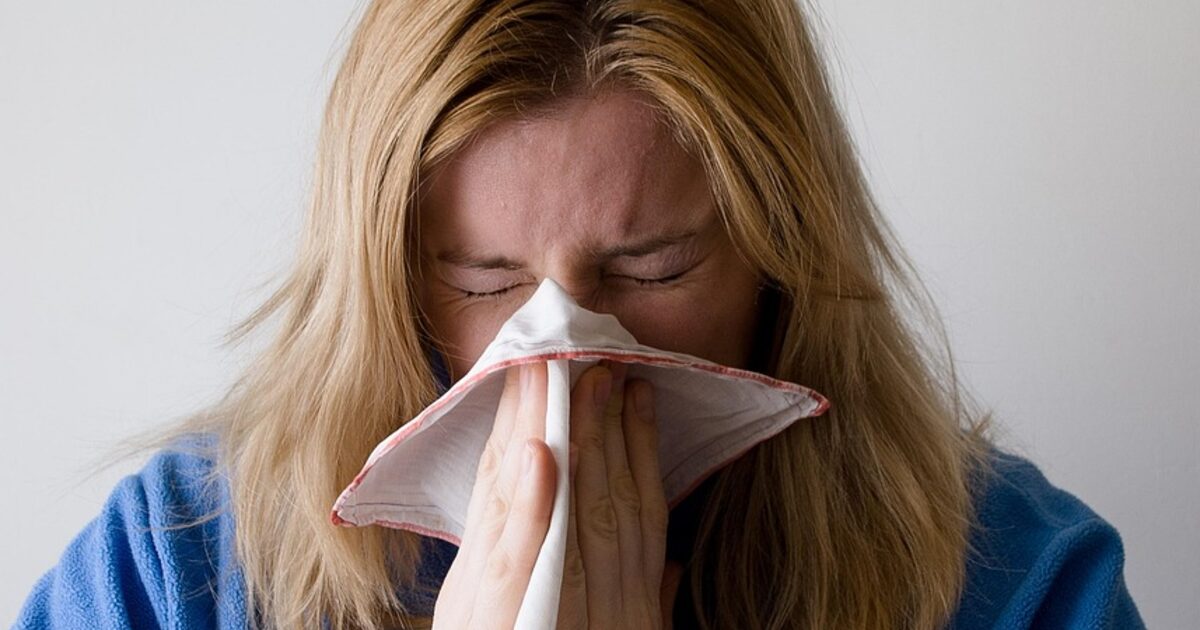
If your forehead throbs every time you bend down, your nose feels permanently blocked, and another monsoon round of "viral fever" has somehow stretched into its third week, you are not unlucky. You are part of an enormous Indian club: roughly 134 million Indians live with chronic rhinosinusitis, and ENT clinics in Delhi, Lucknow, Kolkata and Mumbai now report sinusitis as one of their top three OPD complaints. Air pollution, dust, allergens, dry winter air, and self-medication with nasal drops have together turned what used to be a simple post-cold infection into a chronic, surgery-needing problem for millions. This guide walks you through what sinusitis really is, why it is exploding in Indian cities, how doctors diagnose it, and what modern treatment — including endoscopic sinus surgery — actually looks like.
What Are the Sinuses and What Goes Wrong?
Your paranasal sinuses are four pairs of air-filled cavities inside the bones of your face: the frontal (forehead), maxillary (cheeks), ethmoid (between the eyes) and sphenoid (deep behind the nose). Each one is lined with a thin mucous membrane and drains through a tiny opening, called an ostium, into the nasal cavity. Healthy sinuses warm and humidify the air you breathe and trap dust and germs in mucus that cilia sweep out into the nose.
Sinusitis (more accurately called rhinosinusitis, because the nose is almost always inflamed too) happens when those tiny ostia get blocked. Mucus stops draining, pressure builds, and bacteria or fungi multiply in the trapped fluid. The result is the classical combination of nasal blockage, facial pain, and thick discoloured discharge.
Acute vs Chronic Rhinosinusitis
Doctors classify sinusitis by how long it has lasted, because the cause and treatment differ:
| Type | Duration | Common cause |
|---|---|---|
| Acute | Less than 4 weeks | Viral cold, then bacterial superinfection |
| Subacute | 4 to 12 weeks | Inadequately treated acute infection |
| Chronic rhinosinusitis (CRS) | More than 12 weeks | Allergy, polyps, anatomical block, fungal or biofilm infection |
| Recurrent acute | 4+ separate episodes a year | Underlying allergy or anatomical issue |
The split that matters most clinically is between CRS with nasal polyps (CRSwNP) and without polyps (CRSsNP). Polyps are soft, grape-like growths of inflamed mucosa that block the sinuses; they need different treatment, and they recur unless the underlying inflammation is controlled long-term.
Why Sinusitis Is So Common in India
Indian conditions create a near-perfect storm for sinus disease. ENT specialists at AIIMS and PGIMER consistently identify the same triggers:
- Air pollution — PM2.5 and PM10 particles in Delhi-NCR routinely exceed WHO limits 8–15 fold during winter, paralysing the cilia that clear sinus mucus
- Allergic rhinitis — affects 20–30% of urban Indians; chronic allergic inflammation is the single biggest driver of CRS with polyps
- Dust mites — Indian bedding, fans circulating dust, and incomplete cleaning during festivals and weddings
- Construction dust and biomass smoke — particularly in Tier-2 towns and rural kitchens still using chulhas
- Aggressive use of nasal decongestant drops — Otrivin, Nasivion and Nasoclear taken daily for weeks cause rhinitis medicamentosa, a rebound block that mimics sinusitis
- Untreated dental infections — upper molar root abscesses can spread directly into the maxillary sinus (odontogenic sinusitis)
- Diabetes — uncontrolled blood sugar predisposes to invasive fungal sinusitis, including the post-COVID mucormycosis (black fungus) epidemic of 2021
- Deviated nasal septum (DNS) — extremely common in India, often after childhood trauma or birth injury, and a major cause of one-sided recurrent sinusitis
In short, an Indian adult breathing polluted city air, treating every blocked nose with chemist-counter drops, and sitting on an untreated DNS is essentially marinating their sinuses in inflammation.
Symptoms: How to Recognise Sinusitis
Acute and chronic sinusitis share many symptoms but differ in intensity. The European Position Paper on Rhinosinusitis (EPOS), used by Indian ENT societies, requires two or more of the following for a diagnosis:
- Nasal blockage or congestion (often worse on one side or alternating)
- Nasal discharge — anterior (running out of the front) or posterior (post-nasal drip down the throat); thick, yellow-green discharge suggests bacterial infection
- Facial pain or pressure — over the forehead, cheeks, between the eyes, or behind the nose; classically worse on bending forward
- Reduction or loss of smell (hyposmia / anosmia) — a hallmark of polyps and severe CRS
Other common features include:
- Headache, especially in the morning
- Foul taste or breath (halitosis)
- Toothache in the upper jaw (maxillary sinusitis)
- Cough, particularly at night from post-nasal drip
- Ear fullness or popping
- Fatigue and irritability
Red Flag Symptoms — Go to Casualty Now
A small minority of sinusitis cases turn dangerous. Seek emergency care if you develop any of these:
- Severe one-sided facial pain with swelling, redness, or numbness — possible orbital or facial cellulitis
- Eye swelling, double vision, or vision loss — orbital complications
- High fever with neck stiffness, confusion, or fits — cavernous sinus thrombosis or meningitis
- Black or purple patches on the palate, nose, or cheek in a diabetic — invasive fungal sinusitis (mucormycosis)
- Severe one-sided headache with vomiting — possible intracranial extension
These complications are uncommon but life-threatening, and Indian hospitals see them most often in poorly controlled diabetics, post-transplant patients, and during summer fungal seasons.
Diagnosis: What Happens at the ENT Clinic
A good ENT consultation in India typically combines clinical examination with targeted imaging.
Step 1: History and Examination
Your ENT surgeon will ask about duration, side, triggers (cold air, dust, perfume, work environment), allergies, dental history, and previous antibiotic courses. Self-medication with nasal sprays is a critical question — be honest, because rhinitis medicamentosa is treated very differently from CRS.
A physical exam includes inspection of the nose, mouth and throat, palpation over the sinuses, and a basic look up the nostril with a head-light or otoscope.
Step 2: Nasal Endoscopy
In any patient with symptoms beyond a few weeks, a nasal endoscopy — a 4 mm rigid camera passed through the nostril after a numbing spray — is now standard. It takes 5 minutes, costs ₹500–1,500 in private OPDs, and lets the surgeon see polyps, pus draining from sinus openings, septal deviation and tumours that are completely missed by external examination.
Step 3: Imaging
Plain X-ray sinuses (PNS) is now considered obsolete by most Indian ENT societies because it misses ethmoid disease and gives false reassurance. The two useful tests are:
- Non-contrast CT of paranasal sinuses (CT PNS) — the gold standard. A "Lund-Mackay score" out of 24 quantifies disease. Cost ₹2,500–6,000 in private centres; free at government hospitals.
- MRI — reserved for suspected fungal disease, tumours, or intracranial extension
A simple Indian sinusitis tip: do NOT request a CT scan during an acute viral cold (everyone's sinuses look opaque for a few days after a cold) — wait until you have had symptoms for at least 10 days, or your CT may be over-treated.
Step 4: Allergy and Other Tests
If allergic rhinitis is suspected, your doctor may add:
- Total IgE and specific IgE blood panel (Aeroallergen panel — common at SRL, Dr. Lal PathLabs, Thyrocare; ₹3,000–7,000)
- Skin prick test at allergy clinics
- Nasal smear for eosinophils
- HbA1c and fasting glucose if invasive fungal disease is suspected
Keeping all these reports in one place across years of recurrence matters — upload your reports to MedicalVault and you will not have to dig through old folders before every ENT visit.
Treatment: From Saline Sprays to Surgery
Indian guidelines, in line with EPOS 2020, follow a stepwise plan. Most patients improve without surgery if the right medical therapy is used for long enough.
Acute Sinusitis (Less Than 4 Weeks)
Acute sinusitis is overwhelmingly viral. Antibiotics are NOT indicated in the first 7–10 days unless there are red flags or symptoms worsen after initial improvement (so-called "double sickening").
First-line treatment includes:
- Saline nasal irrigation — sterile saline rinses with a Neti pot or squeeze bottle (Sinarest Nasal Wash, Nasoclear, Salin) twice daily; the single most evidence-based home measure
- Steam inhalation — twice a day for 10 minutes, optionally with a few drops of eucalyptus or pudina oil
- Paracetamol for pain and fever; avoid ibuprofen if you have gastritis
- Short course (3–5 days only) of nasal decongestants — oxymetazoline (Nasivion), xylometazoline (Otrivin) — never longer
- Intranasal steroid sprays — fluticasone (Flomist, Nasoflo), mometasone (Nasonex, Metaspray); evidence-based and safe long-term
Antibiotics (amoxicillin-clavulanate / Augmentin, doxycycline, or azithromycin in penicillin allergy) are added if symptoms last beyond 10 days, fever returns after early improvement, or facial swelling appears. Course length is 7–14 days, not 3-5 like a chest infection.
Chronic Rhinosinusitis (More Than 12 Weeks)
CRS treatment runs in months, not days. Your ENT will commonly start with a 12-week trial of:
- Daily saline irrigation — large-volume rinses with a 240 ml NeilMed/Sinus Rinse bottle work better than sprays
- Intranasal steroid spray — twice daily, every day; the cornerstone of long-term control
- Treatment of underlying allergy — oral antihistamines like levocetirizine (Levocet) or fexofenadine (Allegra), and allergen avoidance
- Antibiotics — only for documented bacterial flares; long courses of low-dose macrolides (clarithromycin) are sometimes used in CRS without polyps
- Short oral steroid bursts — for severe polyp-related symptoms or anosmia
For CRS with polyps that does not respond, biologic therapy (dupilumab, mepolizumab, omalizumab) has now reached India through speciality centres. These injections cost ₹35,000–60,000 per dose and have transformed treatment for severe Type-2 inflammatory polyp disease — but they are reserved for patients who have failed surgery and maximal medical therapy.
When Surgery Is Needed: Functional Endoscopic Sinus Surgery (FESS)
If 3 months of optimal medical treatment fails, or if there are anatomical issues (DNS, large polyps, fungal balls, mucoceles), the ENT surgeon will offer Functional Endoscopic Sinus Surgery (FESS).
FESS is performed under general anaesthesia, entirely through the nostrils with a 4 mm endoscope and fine instruments. There are no external scars. The surgeon widens blocked ostia, removes polyps and inflamed mucosa, and corrects a deviated septum (septoplasty) if needed. Modern Indian centres now use navigation-guided FESS and balloon sinuplasty for selected cases.
Typical Indian costs (2025–26 estimates):
| Procedure | Government / Insurance | Private (single-room) |
|---|---|---|
| Septoplasty alone | ₹15,000–25,000 | ₹40,000–80,000 |
| Bilateral FESS | ₹40,000–70,000 | ₹1,00,000–2,50,000 |
| FESS + septoplasty | ₹60,000–90,000 | ₹1,50,000–3,00,000 |
| Balloon sinuplasty | ₹80,000–1,20,000 | ₹2,00,000–4,00,000 |
| Revision FESS | ₹70,000+ | ₹2,00,000+ |
Most private health insurance plans cover FESS as long as 3 months of documented medical therapy has failed — keeping a running record of prescriptions and CT scans in MedicalVault's family sharing feature makes claim approvals much faster.
Recovery involves 2–3 days of nasal packing, mild nasal discharge for 1–2 weeks, and back to office work in 7–10 days. Long-term success depends on continued steroid sprays and saline rinses — surgery alone, without medical follow-through, has a recurrence rate above 30% within 5 years.
Living With Recurrent Sinusitis: Practical Indian Advice
Whether you are post-FESS or managing CRS medically, the same daily habits make the difference between a controlled life and another flare every six weeks.
- Saline rinse every morning — non-negotiable, especially in winter and during high-pollution days
- Track AQI before stepping out — wear an N95 / FFP2 mask when AQI crosses 150 in your city
- Run an indoor HEPA air purifier in the bedroom if you live in a polluted city; clean filters monthly
- Wash bed linen weekly in hot water, dust mite covers on pillows and mattresses
- Stop using over-the-counter nasal drops beyond 5 days, ever
- Treat dental infections promptly; have a routine dental checkup once a year
- Manage your diabetes aggressively if you have it — fungal sinusitis loves uncontrolled sugar
- Keep allergic rhinitis in check — daily steroid spray during your trigger season is more effective than waiting for a flare
- Get a flu shot every year — viral colds drive 80% of acute sinusitis flares; see our flu vaccine guide
For families managing multiple members with chronic ENT problems — common in north Indian winters — keeping CT reports, allergy panels and prescriptions organised year after year is half the battle. MedicalVault's trend analysis lets you see at a glance how many courses of antibiotics each family member has had and when the last CT was done.
When to See an ENT Specialist
Book a consultation if you have:
- More than 4 sinus infections in a year
- Symptoms of acute sinusitis lasting beyond 10 days without improvement
- One-sided facial pain or nasal blockage (always investigate one-sided disease)
- Loss of smell that has not returned after a viral illness
- Any blood-stained nasal discharge in a smoker or tobacco chewer
- Persistent post-nasal drip and morning headache
- Sleep disturbance from blocked nose
- Failure of trial of saline rinse + steroid spray after 6 weeks
Indian ENT OPDs are well-equipped, endoscopy is widely available, and most CRS can be controlled without surgery if treated early. The biggest mistake patients make is repeating week-long antibiotic courses every two months — your problem is not bacterial, it is inflammatory, and it deserves a proper plan.
Key Takeaways
- Rhinosinusitis affects an estimated 134 million Indians, driven by pollution, allergic rhinitis, dental disease and overuse of nasal drops
- Acute sinusitis is mostly viral; antibiotics are only added if symptoms persist beyond 10 days or worsen after initial improvement
- Chronic rhinosinusitis lasts more than 12 weeks — the cornerstone treatment is daily saline rinses and intranasal steroid sprays, not repeated antibiotic courses
- A nasal endoscopy and CT PNS (not plain X-ray) are needed to confirm CRS and plan treatment
- FESS surgery is offered after 3 months of failed medical treatment; modern endoscopic and balloon techniques mean no external scars and a 7–10 day recovery
- Diabetics and immunocompromised patients must seek urgent care for any black palatal patch, severe facial pain or eye swelling — invasive fungal sinusitis is a true emergency
- Keep your CT reports, allergy panels and treatment history organised on MedicalVault so every ENT review starts from a complete picture