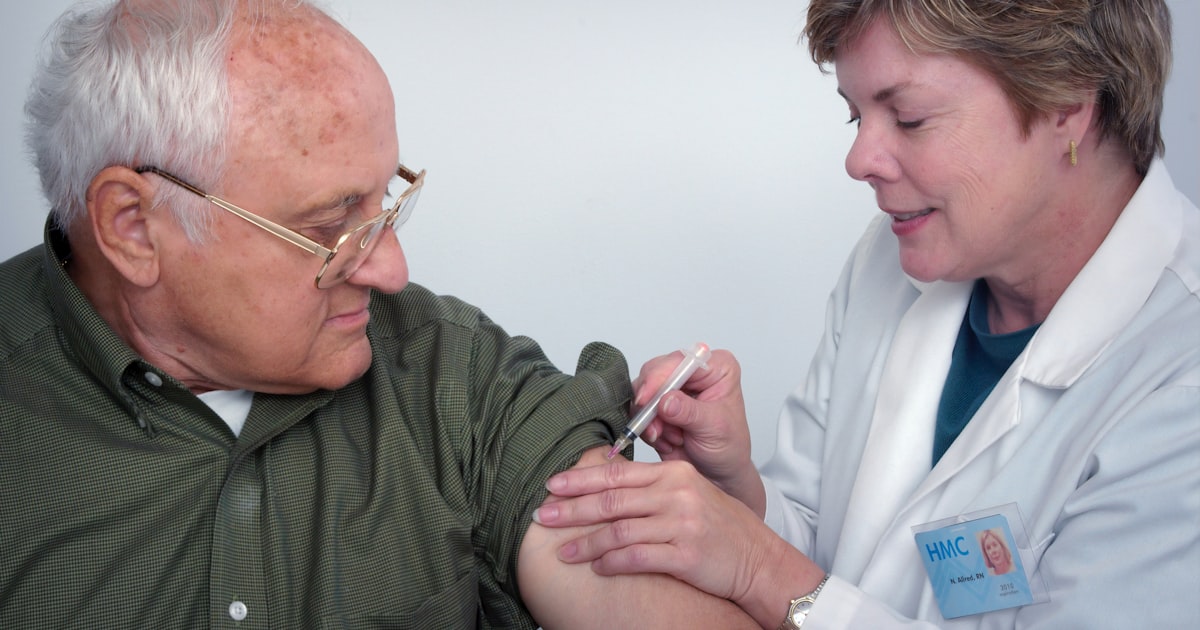
Every paediatric ward in India sees it — babies under six months wheezing, chests heaving, sometimes pausing to breathe altogether. Every winter, geriatric wards fill up with elderly patients fighting what families were told was "just a cold" that turned into pneumonia. The culprit behind a surprising share of these cases is respiratory syncytial virus (RSV) — a pathogen most Indians have never heard of, yet one that Indian researchers have been quietly tracking for more than two decades.
With the Indian Consensus Guidelines on Adult Immunisation 2026 flagging RSV vaccines as an imminent addition to the adult immunisation schedule, and monoclonal antibody options like nirsevimab already available in several Indian private hospitals, RSV is no longer an obscure Western problem. Here is a plain-English guide for Indian families — what RSV is, who is at risk, how it is diagnosed, and what the new RSV vaccines mean for you.
What Is RSV and Why Should Indians Care?
Respiratory syncytial virus (RSV) is a highly contagious virus that infects the lungs and respiratory passages. By age two, nearly every child worldwide has had RSV at least once — most as a mild, cold-like illness. For some, though, RSV causes severe bronchiolitis (inflammation of the small airways) and pneumonia.
Indian studies published in the Indian Journal of Medical Research have found RSV positivity rates of 5% to 54% in hospitalised children with acute respiratory infections. A 2022 multi-centre study across Delhi, Lucknow, Chennai and Vellore identified RSV as the single most common virus in children under five hospitalised with severe pneumonia. In short, RSV is a major — and mostly unrecognised — cause of childhood hospitalisation in India.
The toll is not limited to children. RSV also drives hospitalisations among adults over 60, people with COPD, uncontrolled diabetes, or heart failure. In US data, RSV kills roughly 6,000–10,000 adults each year. Indian numbers are less precise, but the pattern mirrors influenza: elderly Indians with chronic disease are filling hospital beds with RSV every winter.
RSV Season in India: When to Watch Out
Unlike the West's single winter peak, RSV in India follows two overlapping patterns:
| Region | Peak Months | Notes |
|---|---|---|
| Northern India (Delhi, Lucknow, Chandigarh) | November–February | Classic winter peak, coincides with flu season |
| Western and Central India (Mumbai, Pune, Nagpur) | July–October | Monsoon-driven peak |
| Southern India (Chennai, Bengaluru, Hyderabad) | September–December | Post-monsoon and winter transition |
| Eastern India (Kolkata, Bhubaneswar) | July–November | Monsoon peak dominant |
This means timing matters for prevention. The ideal window to get an RSV monoclonal antibody for a high-risk infant, or to vaccinate an eligible older adult, is 1–2 months before your regional peak — not on a fixed calendar.
RSV Symptoms: How to Spot It
RSV mimics the common cold in most healthy adults and older children. But in infants and vulnerable adults, the picture changes quickly.
Typical early symptoms (days 1–3):
- Runny or blocked nose
- Decreased appetite
- Mild fever
- Dry cough
- Sore throat
- Generally feeling unwell
Warning signs of severe RSV — go to hospital immediately:
- Rapid, shallow breathing (more than 60 breaths per minute in infants)
- Wheezing or a high-pitched whistle on breathing out
- Chest retractions (skin pulling in between ribs with each breath)
- Nostril flaring
- Grunting with each breath (a sign of respiratory distress in babies)
- Apnoea — pauses in breathing lasting more than 15–20 seconds, often the first sign in premature infants
- Bluish discolouration of lips, tongue or fingernails (cyanosis)
- Refusal to feed, fewer wet nappies, extreme lethargy in infants
- In adults: severe shortness of breath, confusion, chest pain, inability to complete a sentence
Note that RSV in older adults often looks like a "COPD exacerbation" or worsening heart failure — the virus is rarely suspected unless doctors specifically test for it.
Who Is at Highest Risk for Severe RSV in India?
Most Indians who catch RSV recover at home in a week. These groups need extra vigilance:
- Infants under 6 months, especially those born in or just before the RSV peak season
- Premature babies (born before 37 weeks) — the lungs are underdeveloped
- Children with congenital heart disease or chronic lung disease (bronchopulmonary dysplasia)
- Children with Down syndrome — higher rates of hospitalisation
- Immunocompromised children — on chemotherapy, post-transplant, congenital immune deficiencies
- Adults aged 60 and above, particularly with COPD, asthma, heart failure, uncontrolled diabetes, kidney disease, or on immunosuppressants
- Pregnant women in the third trimester — RSV infection increases risk of preterm delivery and can pass severe disease to the newborn
- Residents of old-age homes or crowded urban households — RSV spreads rapidly in close quarters
If you or a family member ticks any of these boxes, discuss prevention with your doctor before the season starts. Keeping a running record of respiratory episodes on a platform like MedicalVault helps your physician spot the pattern early.
How Is RSV Diagnosed in India?
Most Indian outpatient clinics still diagnose RSV clinically — by symptoms alone — and treat supportively. But testing is becoming more common in larger cities, especially for hospitalised patients.
| Test | What It Does | Typical Cost in India (2026) |
|---|---|---|
| Rapid RSV Antigen Test | Nasal swab, result in 15–30 minutes | ₹500–₹1,500 |
| RSV RT-PCR | Gold standard; detects viral RNA | ₹1,500–₹4,000 |
| Respiratory Viral Panel (multiplex PCR) | Tests for RSV, flu A/B, adenovirus, HMPV, parainfluenza simultaneously | ₹3,500–₹8,000 |
| Chest X-ray | Looks for bronchiolitis or pneumonia changes | ₹300–₹800 |
| Pulse oximetry + blood gas | Assesses how much oxygen is reaching tissues | ₹150–₹1,200 |
Testing is ordered through private labs (SRL, Thyrocare, Dr. Lal PathLabs, Metropolis) and in most tertiary hospitals. The multiplex PCR is especially useful during monsoon and winter peaks when RSV, flu and HMPV all circulate together and symptoms overlap.
Treatment: What Actually Works for RSV
There is no specific "RSV pill" for healthy children or adults. Treatment is supportive, but the quality of supportive care makes an enormous difference to outcomes.
At home (mild cases)
- Saline nasal drops and bulb suction for congested infants — do this before feeds and sleep
- Small, frequent feeds (breast milk for babies, water and ORS for older children and adults) to prevent dehydration
- Paracetamol for fever (avoid aspirin in children — risk of Reye's syndrome)
- Humidified air — a cool-mist humidifier or a steamy bathroom can ease breathing
- Monitor breathing rate and feeding — keep a diary; any deterioration means a doctor visit
In hospital (severe cases)
- Supplemental oxygen or high-flow nasal cannula
- IV fluids if dehydrated or unable to feed
- Continuous monitoring of oxygen saturation
- In severe infant cases, CPAP or mechanical ventilation in paediatric ICUs
- Ribavirin — an antiviral — is occasionally used in immunocompromised patients but is not standard for otherwise healthy children
What does not help: Routine antibiotics (RSV is viral — antibiotics only if a bacterial superinfection develops), cough suppressants for infants, and aggressive nebulisations with salbutamol for pure bronchiolitis (evidence is weak).
The Big Change: RSV Vaccines and Monoclonal Antibodies
Until 2023, the only prevention was palivizumab (Synagis) — a monoclonal antibody given monthly through the RSV season, costly and reserved for the highest-risk preemies. Indian prices were ₹30,000–₹60,000 per dose.
The landscape has now transformed:
Nirsevimab (Beyfortus)
A single-dose monoclonal antibody that protects infants for an entire RSV season. Approved by the US FDA in 2023 and by several Asian regulators since. In India, it is available in select metros through private hospitals (approximate cost ₹30,000–₹55,000 per dose). Recommended for:
- All infants under 8 months entering their first RSV season
- Children 8–19 months with high-risk conditions entering their second season
RSV Vaccines for Adults (awaiting wider Indian rollout)
Three RSV vaccines are now licensed internationally and expected to reach the Indian market as DCGI approvals come through:
| Vaccine | Manufacturer | Approved Age Groups |
|---|---|---|
| Arexvy | GSK | 60+ years; 50–59 years with risk factors |
| Abrysvo | Pfizer | 60+ years; 18–59 at high risk; pregnant women 32–36 weeks |
| mResvia | Moderna (mRNA) | 60+ years |
The Indian Consensus Guidelines on Adult Immunisation 2026 Update — endorsed by 23 professional medical bodies — has explicitly listed RSV vaccines as an imminent addition once Indian approval is complete. International prices are US$295–$330 per dose; Indian launch pricing is expected to be considerably lower, closer to other premium adult vaccines like Shingrix.
Maternal RSV Vaccination
Pfizer's Abrysvo given to pregnant women between 32 and 36 weeks of gestation reduces severe RSV in the newborn by over 80% in the first three months of life and by roughly 70% up to six months. This is a genuinely revolutionary option — one maternal shot protects the baby through the riskiest months. Ask your obstetrician whether this vaccine is available at your hospital.
Prevention Without a Vaccine: What Families Can Do
Even without access to newer vaccines, Indian families can meaningfully reduce RSV risk:
- Handwashing with soap for 20 seconds — RSV spreads via droplets and contaminated surfaces where it survives for up to 6 hours
- Avoid kissing newborns on the face, and ask visitors with colds to stay away
- Mask up when sick around infants, elderly or immunocompromised family members
- No smoking indoors — secondhand smoke significantly raises RSV severity
- Breastfeed for at least 6 months — maternal antibodies in breast milk reduce RSV severity
- Get seasonal flu vaccination — co-infection with influenza and RSV is devastating
- Vaccinate older children and adults against pneumonia — secondary bacterial pneumonia is a common cause of death after RSV
RSV vs Flu vs HMPV vs COVID: How to Tell Them Apart
During India's overlapping respiratory virus seasons, distinguishing these pathogens by symptoms alone is almost impossible. This table is a rough guide — testing is the only reliable answer.
| Feature | RSV | Flu | HMPV | COVID-19 |
|---|---|---|---|---|
| Age most affected | Infants & elderly | All ages | Infants & elderly | Adults (severe) |
| Onset | Gradual (1–4 days) | Sudden | Gradual | Variable |
| Wheezing | Common (bronchiolitis) | Uncommon | Common | Uncommon |
| Fever | Low-grade in adults; moderate in infants | High | Moderate | Common |
| Loss of smell | No | Rare | No | Common |
| Apnoea in babies | Yes — classic sign | Rare | Possible | Rare |
| GI symptoms | Rare | Sometimes | Rare | Sometimes |
If you routinely track symptoms, medications and reports in MedicalVault's trend analysis, your doctor can see at a glance how your last three respiratory episodes compared — useful when deciding whether to test or treat empirically.
When to Go to a Doctor — and When to Rush to Casualty
Not every cough needs a hospital visit. Use this simple framework.
See a doctor within 24 hours if:
- Fever over 38°C in a baby under 3 months
- Cough lasting more than 7 days
- Feeding poorly — less than half the usual intake for more than 24 hours
- Wheezing audible without a stethoscope
Go straight to the emergency room / A&E if:
- Breathing rate over 60/min in a baby, over 30/min in a child, over 25/min in an adult
- Skin pulling in between ribs (retractions) in a child
- Any apnoea or blue discolouration of lips
- Confusion, inability to stay awake, or chest pain in an adult
- Dehydration signs — sunken eyes, dry mouth, no urine for 8 hours
Key Takeaways
- RSV is a major cause of hospitalisation in Indian infants under 2 and adults over 60 — far more common than most families realise.
- Seasonality varies by region — northern India peaks in winter, western and central in monsoon. Time prevention to your local peak.
- Watch for respiratory distress signs in infants: rapid breathing, retractions, grunting, apnoea. These are emergencies.
- Nirsevimab (a single-dose antibody) is available in many Indian metros for high-risk infants and should be discussed before the RSV season.
- New RSV vaccines — Arexvy, Abrysvo, mResvia — are on track for Indian rollout following the 2026 Adult Immunisation Guidelines update. Pregnant women in particular should ask about maternal RSV vaccination.
- Handwashing, no indoor smoking, breastfeeding, and flu/pneumonia vaccination all reduce RSV severity even without specific RSV protection.
- Track respiratory episodes in MedicalVault so patterns emerge quickly — especially for children and elderly parents prone to repeated admissions.
Always consult your paediatrician or physician before making decisions about RSV testing, nirsevimab or vaccination. This guide is informational and is not a substitute for personalised medical advice.