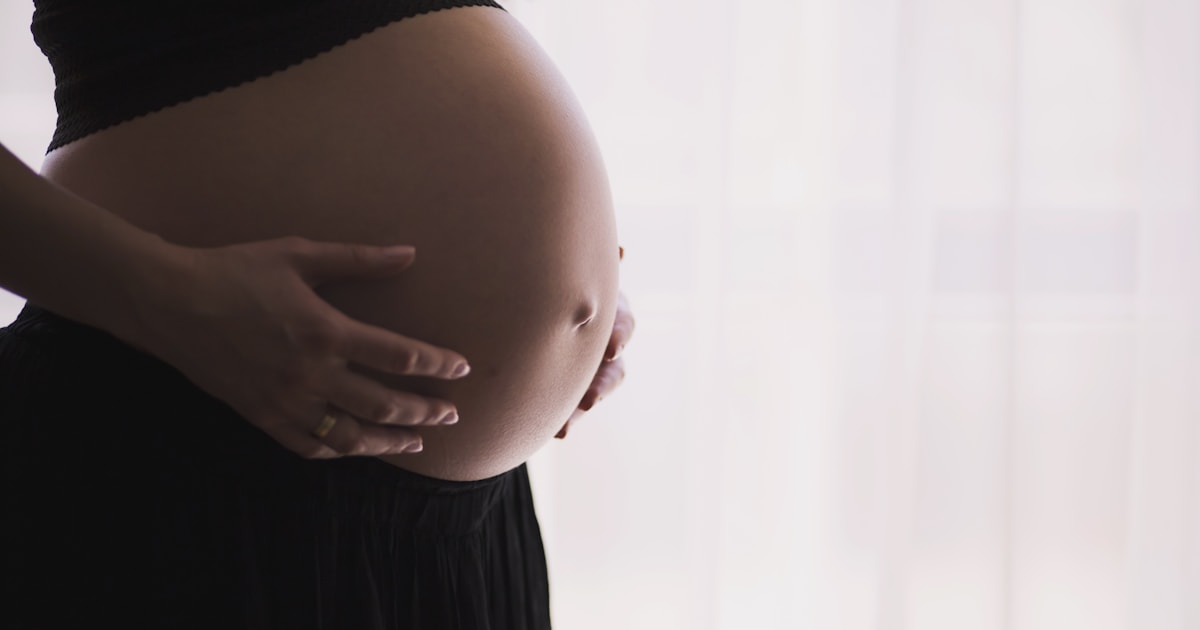
Every year, thousands of Indian families are blindsided by a pregnancy complication they never saw coming — a sudden spike in blood pressure, a convulsion, a rushed emergency C-section. Preeclampsia is the second leading cause of maternal death worldwide, and in India, where millions of women still deliver without adequate antenatal monitoring, it remains a silent, dangerous threat. Yet unlike many medical emergencies, preeclampsia gives warning signs — if you know what to look for and when to get tested.
This guide explains what preeclampsia is, why Indian women are at particular risk, which tests to get and at what stage of pregnancy, how the condition is managed in Indian hospitals, and what families can do to protect mother and baby.
What Is Preeclampsia and Why Does It Happen?
Preeclampsia is a pregnancy complication characterised by new-onset high blood pressure (≥140/90 mmHg) appearing after 20 weeks of gestation, typically accompanied by protein in the urine (proteinuria) or signs of organ damage — to the liver, kidneys, or brain. When preeclampsia progresses to include seizures, it is called eclampsia, a life-threatening emergency.
The exact cause remains incompletely understood, but current evidence points to abnormal development of the placenta's blood vessels in the first trimester. The poorly formed blood vessels trigger a cascade of inflammation and vascular dysfunction that eventually affects the mother's entire body. Blood pressure rises, kidneys begin leaking protein, the liver may show stress, and in severe cases, the brain's blood vessels spasm — causing seizures.
Why Are Indian Women at Higher Risk?
Globally, hypertensive disorders affect 8–10% of all pregnancies. In India, the picture is compounded by several unique factors:
- Low access to antenatal care: A significant proportion of rural Indian women — particularly in Uttar Pradesh, Bihar, Rajasthan, and Madhya Pradesh — still have fewer than 4 antenatal visits. Without regular blood pressure monitoring, preeclampsia goes undetected until it becomes severe.
- Nutritional deficiencies: Low calcium intake (India's average dietary calcium is well below 600 mg/day in many states) is linked to higher preeclampsia risk. Vitamin D deficiency and anaemia — both rampant in India — are associated risk factors.
- Young maternal age: India still has a significant burden of teenage pregnancy, and women under 20 are at elevated risk.
- Multiple pregnancies: Twin or triplet pregnancies, which are rising due to increased IVF use, carry much higher preeclampsia risk.
- Underlying conditions: Chronic hypertension, diabetes (including GDM), PCOS, and kidney disease all raise the risk substantially. See our PCOS guide for more on how hormonal imbalances feed into pregnancy complications.
- Consanguineous marriages: More common in certain Indian communities and associated with genetic risk factors for placental dysfunction.
Warning Signs: What Preeclampsia Feels Like
The insidious truth about preeclampsia is that mild to moderate cases may have no symptoms at all. The blood pressure elevation is discovered only at an antenatal visit. As the condition worsens, warning signs can include:
- Severe headache that does not respond to paracetamol — typically described as pounding or at the front of the head
- Visual disturbances: blurred vision, seeing spots or flashing lights, or temporary loss of vision
- Sudden swelling (oedema) of the face, hands, and feet — though note that mild foot swelling is common in normal pregnancy; facial and hand swelling is a red flag
- Upper abdominal pain or pain under the right ribs (a sign of liver involvement)
- Sudden rapid weight gain — more than 1 kg per week in the third trimester due to fluid retention
- Nausea and vomiting in the second or third trimester (not the first-trimester morning sickness)
- Shortness of breath — may indicate fluid in the lungs (pulmonary oedema)
When any of these symptoms appear after 20 weeks of pregnancy, seek medical attention the same day. Do not wait for your next scheduled visit.
Eclampsia: The Seizure Emergency
If preeclampsia is left untreated or deteriorates rapidly, the pregnant woman may develop eclampsia — grand mal seizures during pregnancy. Eclampsia is responsible for an estimated 50,000 maternal deaths globally each year, and India bears a disproportionate share. The standard emergency treatment in Indian hospitals is magnesium sulphate (MgSO4), which prevents and controls seizures and has been shown to halve eclampsia-related deaths.
If a pregnant woman has a seizure: lay her on her left side, protect her from injury, call emergency services immediately, and do not put anything in her mouth.
Tests to Diagnose and Monitor Preeclampsia
Preeclampsia cannot be "felt" — it must be measured. Here are the key tests, when they are done, and what the values mean:
1. Blood Pressure Monitoring
The most fundamental test. Normal blood pressure in pregnancy should be below 140/90 mmHg. Readings on two separate occasions, at least 4 hours apart, of:
| Reading | Classification |
|---|---|
| ≥140/90 mmHg (but <160/110) | Preeclampsia |
| ≥160/110 mmHg | Severe hypertension — emergency treatment needed |
How to measure correctly: Always measured after the woman has been seated and at rest for at least 5 minutes. Automatic BP machines at home are acceptable, but hospital validation is important. Women at risk should track BP at home using a validated machine and upload readings to their health records — MedicalVault's trend analysis makes it easy to spot a rising BP trend across weeks of readings before it becomes an emergency.
2. Urine Protein Tests
Proteinuria (protein in the urine) signals kidney damage. Tests include:
| Test | Normal Value | Preeclampsia Threshold |
|---|---|---|
| Urine dipstick | Trace or negative | ++ or more (2+ or greater) |
| Spot urine protein-to-creatinine ratio (PCR) | < 0.3 | ≥ 0.3 mg/mg |
| 24-hour urine protein | < 300 mg | ≥ 300 mg/24 hours |
Note: Preeclampsia can now be diagnosed without proteinuria if there is new-onset hypertension plus any of: low platelet count, kidney dysfunction, liver involvement, fluid in the lungs, or new severe headache/visual disturbance.
3. Blood Tests (Full Workup)
Once preeclampsia is suspected, your doctor will typically order:
| Test | What It Checks | Concern in Preeclampsia |
|---|---|---|
| Complete Blood Count (CBC) | Platelet count | Thrombocytopenia (platelets <1,00,000) — risk of bleeding |
| Liver Function Tests (LFT) | SGOT, SGPT, bilirubin | Elevated = HELLP syndrome risk |
| Kidney Function Tests (KFT) | Creatinine, uric acid | Elevated creatinine indicates renal involvement |
| Serum uric acid | Uric acid level | Elevated uric acid is an early marker of preeclampsia severity |
| PT/INR (coagulation) | Clotting time | Checked if HELLP syndrome suspected |
| LDH (Lactate dehydrogenase) | Tissue damage marker | Elevated in haemolysis (HELLP) |
You can upload all these reports to MedicalVault to track trends in your blood values across multiple antenatal visits, which helps your obstetrician identify early deterioration faster.
4. Ultrasound and Doppler Studies
- Foetal growth scan — preeclampsia restricts blood flow to the baby, causing intrauterine growth restriction (IUGR)
- Doppler studies of the umbilical artery and uterine artery — abnormal flow patterns signal increasing placental insufficiency and guide delivery timing decisions
- Biophysical profile (BPP) — assesses foetal wellbeing
5. HELLP Syndrome: The Severe Complication
HELLP stands for Haemolysis (breakdown of red blood cells), Elevated Liver enzymes, and Low Platelets. It is a severe variant of preeclampsia that can develop suddenly and progress rapidly. HELLP can occur even without severely elevated blood pressure, making it deceptive. Diagnosis requires blood tests showing all three components of the acronym. Treatment requires immediate delivery regardless of gestational age.
Treatment of Preeclampsia in India
The only definitive cure for preeclampsia is delivery — of the baby and the placenta. All other treatments buy time, protect the mother, and optimise the baby's readiness for delivery.
Medications Used in Indian Hospitals
For blood pressure control:
| Drug | Common Indian Brand Names | Notes |
|---|---|---|
| Labetalol | Lobet, Trandate | First-line for severe hypertension in pregnancy |
| Nifedipine (retard/SR) | Depin Retard, Adalat LA | Widely used in India; safe in pregnancy |
| Methyldopa | Aldomet, Dopamet | Long-standing oral option for milder cases |
| Hydralazine (IV) | Nepresol | Used in emergencies |
Do not use ACE inhibitors (like enalapril, ramipril) or ARBs (like losartan, telmisartan) in pregnancy — they are contraindicated and harmful to the baby.
For seizure prevention:
- Magnesium sulphate (MgSO4) — the standard of care for eclampsia prevention and treatment in Indian government hospitals. The Pritchard regimen or Dhaka regimen is used; doctors must monitor magnesium toxicity (reduced reflexes, respiratory depression).
For foetal lung maturity:
- Betamethasone or dexamethasone injections — given if delivery must occur before 34 weeks to accelerate the baby's lung development
When Is Delivery Planned?
| Severity | Gestation | Decision |
|---|---|---|
| Mild preeclampsia, no severe features | ≥37 weeks | Delivery recommended |
| Preeclampsia with severe features | ≥34 weeks | Delivery recommended |
| Preeclampsia with severe features | <34 weeks | Hospitalise, stabilise, aim for 34 weeks |
| Eclampsia or HELLP | Any gestation | Deliver as soon as mother is stabilised |
Delivery does not always mean a C-section — vaginal delivery is possible and is often preferred if the cervix is favourable and maternal and foetal condition allows.
Prevention: What Indian Women Can Do
While preeclampsia cannot always be prevented, several interventions have strong evidence:
Low-Dose Aspirin
The FOGSI (Federation of Obstetric and Gynaecological Societies of India) recommends low-dose aspirin (75–150 mg daily) starting at 12–16 weeks of pregnancy for women at high risk of preeclampsia. Risk factors include:
- Previous preeclampsia
- Chronic hypertension
- Diabetes
- Multiple pregnancy
- Autoimmune disease
Discuss aspirin prophylaxis with your obstetrician at your very first antenatal visit.
Calcium Supplementation
The WHO recommends 1,500–2,000 mg/day of elemental calcium (in divided doses) for pregnant women in populations with low dietary calcium intake — which includes most of India. A large proportion of Indian women consume far below this amount. Calcium supplementation has been shown to reduce preeclampsia risk by up to 50% in low-intake populations.
Dairy (milk, paneer, curd), ragi (finger millet), and sesame seeds (til) are excellent Indian dietary calcium sources.
Other Evidence-Based Steps
- Attend all antenatal visits and never skip blood pressure measurements
- Know your baseline BP — ideally have it measured before or in early pregnancy so any rise is detected relative to your normal
- Manage pre-existing conditions — control diabetes, treat kidney disease before conceiving
- Limit excessive salt in the third trimester if you are at risk
- Vitamin D: Supplement if deficient (very common in India)
After Delivery: Does Preeclampsia Go Away?
For most women, blood pressure normalises within days to weeks after delivery. However:
- Blood pressure can spike in the first 5 days postpartum — the "fourth trimester" monitoring is critical and often neglected in India
- Women who had preeclampsia have a significantly higher lifelong risk of heart disease and hypertension. A study in JAMA Internal Medicine found that women with a history of preeclampsia have a 2–4x higher risk of hypertension and heart failure later in life.
- The recurrence risk in a future pregnancy is 15–25% — higher if the first episode was severe or early.
Tell your primary care doctor and any future obstetrician about your history of preeclampsia. Track your blood pressure regularly in the years after delivery — uploading readings to MedicalVault gives you a long-term BP trend record that you can share with any doctor.
Key Takeaways
- Preeclampsia affects 8–10% of pregnancies globally and is a leading cause of maternal death in India.
- It is characterised by high blood pressure (≥140/90 mmHg) after 20 weeks, often with protein in the urine — but can occur without proteinuria.
- Warning signs include severe headache, visual disturbances, facial swelling, upper abdominal pain, and sudden weight gain — seek care the same day.
- Key tests include blood pressure monitoring, urine protein tests, CBC, LFT, KFT, serum uric acid, and foetal Doppler ultrasound.
- The only cure is delivery; magnesium sulphate prevents seizures and antihypertensives protect the mother until delivery is safe.
- High-risk women should start low-dose aspirin at 12–16 weeks and ensure adequate calcium intake throughout pregnancy.
- Postpartum BP monitoring is critical — preeclampsia can worsen in the first week after delivery.
- Women with a history of preeclampsia should monitor their blood pressure lifelong and inform all future healthcare providers.
- Keep all your antenatal blood test reports, BP readings, and ultrasound reports in one place with MedicalVault's family health records so nothing is missed between visits.