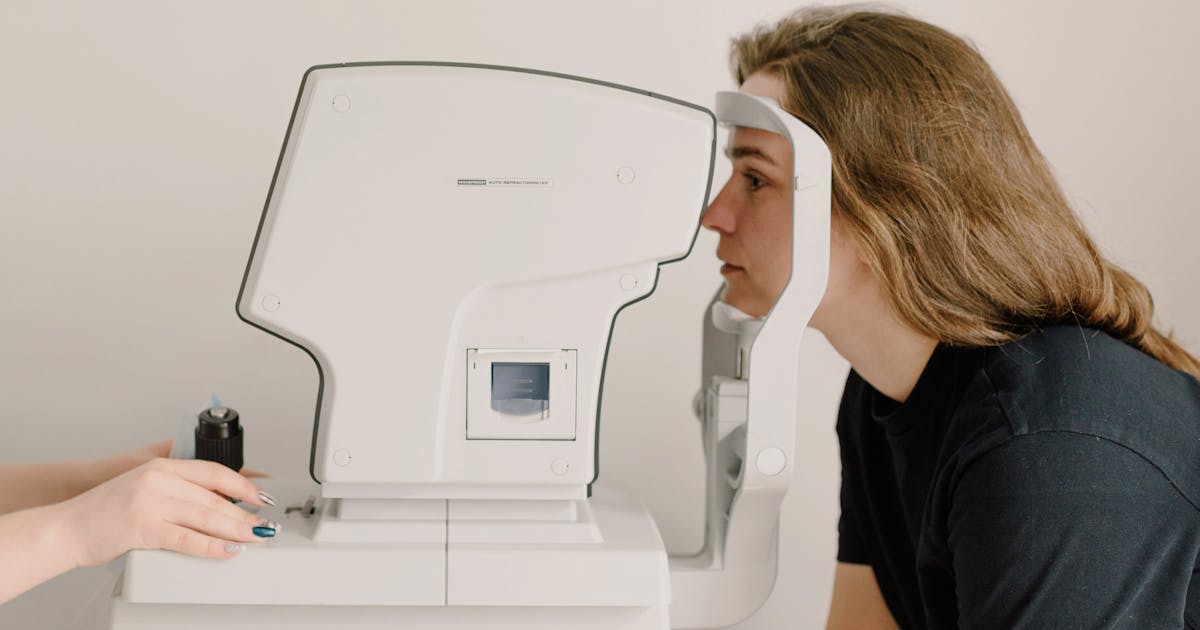
Picture this: your father has been going for his annual eye check-up every year, his vision seems fine, and nobody suspects a problem. Then one routine visit reveals he has lost nearly 40% of his peripheral vision — permanently. The culprit? Glaucoma, silently damaging his optic nerve for a decade without a single symptom.
This is the reality for millions of Indian families. India has over 12 million glaucoma patients, making it one of the world's largest glaucoma burdens. What makes glaucoma particularly devastating is that 90% of these cases remain undiagnosed until significant — and irreversible — vision loss has already occurred. Glaucoma is now the second leading cause of blindness in India, after cataract. Unlike cataract, however, the blindness from glaucoma cannot be reversed.
The good news: with regular eye pressure checks and timely treatment, progression can be controlled effectively. The problem is most Indians simply don't know what to look for or when to get tested.
What Is Glaucoma and Why Is It Called the "Silent Thief of Sight"?
Glaucoma is a group of eye diseases that damage the optic nerve — the cable that carries visual information from your eye to your brain. This damage is almost always associated with raised pressure inside the eye, known as intraocular pressure (IOP).
Here is why it earns its grim nickname: glaucoma first destroys peripheral (side) vision. Your brain automatically compensates for blind spots at the edges of your visual field, so you never notice. By the time central vision is affected — the kind of blurring you would notice — you have often already lost the majority of your peripheral vision. And unlike a cataract that can be surgically removed, optic nerve damage from glaucoma is permanent.
How IOP Builds Up
Inside the eye, a clear fluid called aqueous humour is continuously produced and drained through a mesh-like structure called the trabecular meshwork. When this drainage is impaired — either because the mesh is clogged or the drainage angle is physically blocked — the fluid accumulates, pressure builds up, and the optic nerve is compressed and damaged over time.
Types of Glaucoma Common in India
India has a distinctive glaucoma profile compared to Western countries. The two most common types are:
Primary Open-Angle Glaucoma (POAG)
The most common form globally, POAG accounts for about 36% of glaucoma in India. The drainage angle is "open" but the trabecular meshwork works inefficiently, like a clogged filter. Pressure builds up slowly over years.
- Onset: Gradual, typically after age 40
- Symptoms: None until advanced stages — this is the silent type
- Risk factors: Family history, high IOP, Indian ethnicity (higher than previously thought), advancing age, diabetes, severe myopia
Primary Angle-Closure Glaucoma (PACG)
Here is where India's profile differs significantly from the West: PACG is disproportionately common among Indians and other South Asians. The iris physically blocks the drainage angle, causing acute or chronic pressure spikes.
- Acute angle closure is a medical emergency: sudden, severe eye pain, headache, nausea, blurred vision with halos around lights. This can cause blindness in hours if untreated — go to an ophthalmologist or casualty immediately
- Chronic angle closure mimics POAG — silent and insidious
- Risk factors: Farsightedness (hyperopia), smaller eyes (common in Indian/Asian populations), female gender (women have 3× higher risk), age
Secondary Glaucoma
Caused by other eye conditions — uveitis, steroid eye drops used long-term (a particular concern in India, where steroid drops are sometimes self-prescribed), diabetic eye disease, or trauma. Always inform your eye doctor if you use steroid-containing eye drops, nose sprays, or skin creams near the eyes.
| Type | Prevalence in India | Key Feature |
|---|---|---|
| POAG | ~36% of cases | Open angle, silent damage |
| PACG | ~35% of cases | Angle blocked, Indians at higher risk |
| Secondary | ~17% of cases | From steroids, diabetes, trauma |
Normal Eye Pressure (IOP): What the Numbers Mean
Intraocular pressure (IOP) is measured in millimetres of mercury (mm Hg), exactly like blood pressure.
| IOP Range | Interpretation |
|---|---|
| 10–21 mm Hg | Normal range (population average is 14–17 mm Hg) |
| 22–29 mm Hg | Ocular hypertension — increased risk, monitoring needed |
| ≥30 mm Hg | High — requires treatment evaluation |
Important nuance: Not everyone with high IOP develops glaucoma (ocular hypertension without damage), and some people develop glaucoma with "normal" IOP (called normal-tension glaucoma). This is why IOP alone is not enough to diagnose or rule out glaucoma — the optic nerve must be examined too.
In India, the Glaucoma Society of India (GSI) recommends that everyone above 40 years should have a comprehensive eye check including IOP measurement at least once every two years, and annually if they have risk factors.
Diagnosing Glaucoma: The Tests Your Eye Doctor Will Use
A comprehensive glaucoma evaluation involves several tests done together:
1. Tonometry (Eye Pressure Measurement)
The most well-known test. A device measures the resistance of the eye to a gentle puff of air or a small probe. The gold standard is Goldmann Applanation Tonometry (GAT), where the doctor numbs the eye with drops and gently touches a device to the cornea to measure pressure directly.
- Cost in India: ₹100–₹300 as part of a full eye exam
- Available at: Most ophthalmology clinics, diagnostic centres like Dr. Agarwals, Sharp Sight, L.V. Prasad Eye Institute
2. Gonioscopy (Drainage Angle Examination)
A special mirrored lens placed on the numbed eye allows the ophthalmologist to directly visualise the drainage angle — the critical step to determine whether glaucoma is open-angle or angle-closure. This test is essential for every glaucoma diagnosis.
3. Fundus Examination / Optic Disc Assessment
The ophthalmologist dilates your pupil and examines the optic nerve directly. They look at the cup-to-disc ratio (CDR) — the proportion of the optic nerve head that appears hollowed out. A CDR above 0.6 is concerning; asymmetry between the two eyes is especially suspicious.
4. Visual Field Test (Perimetry)
This checks your peripheral vision by testing which parts of your visual field are intact. You press a button each time you see a light dot in a darkened dome. Results show a map of your vision, revealing blind spots caused by optic nerve damage.
- What a normal Humphrey visual field looks like: A smooth, symmetric pattern
- In glaucoma: Characteristic defects — arcuate scotomas, nasal steps, or central field loss in late stages
- Cost in India: ₹400–₹800 per eye
5. OCT (Optical Coherence Tomography) of the Optic Nerve
OCT gives a detailed cross-sectional image of the optic nerve head and the retinal nerve fibre layer (RNFL). Thinning of the RNFL is an early, objective sign of glaucomatous damage — often detectable even before visual field loss appears.
- Cost in India: ₹500–₹1,500 at most eye hospitals
- Particularly valuable for early detection and monitoring progression over time
6. Pachymetry (Corneal Thickness)
A simple ultrasound probe measures the thickness of your cornea. Thin corneas give falsely low IOP readings — which means "normal" pressure in someone with thin corneas may actually be higher than it appears. This is critical for accurate risk assessment.
If you upload your eye examination reports to MedicalVault, you can track IOP trends, OCT progression reports, and visual field results across visits — giving your ophthalmologist a complete historical picture at every appointment.
Treatment: Can Glaucoma Be Treated?
Glaucoma cannot be cured, but it can be controlled. The goal of treatment is to lower IOP to a "target pressure" that stops further optic nerve damage and vision loss.
Step 1: Eye Drops (First-Line Treatment)
Most patients start with medicated eye drops to reduce IOP. Indian brands and international generics are widely available:
Prostaglandin Analogues (once daily at night — most effective)
- Latanoprost (Xalatan, Lanomax) — ₹150–₹300/bottle
- Bimatoprost (Bimat, Lumigan) — ₹150–₹350/bottle
- Travoprost (Travatan, generic) — ₹180–₹350/bottle
Beta Blockers (twice daily)
- Timolol 0.5% (Timoptic, Glucomol) — ₹30–₹80/bottle — very affordable; often first choice when cost matters
- Caution: avoid in asthma, COPD, heart block
Alpha Agonists
- Brimonidine (Alphagan, Iopidine) — ₹150–₹350/bottle
Carbonic Anhydrase Inhibitors
- Dorzolamide (Trusopt) or oral Acetazolamide (Diamox) — ₹80–₹250
Combination Drops (recently approved in India) In April 2025, India's DCGI approved a new combination of Ripasudil + Timolol — the first ROCK inhibitor combination approved in India — giving ophthalmologists a powerful new option.
Combination products like Combigan (brimonidine + timolol) and Cosopt (dorzolamide + timolol) reduce the burden of multiple drops.
Critical instruction: Eye drops only work if used correctly and consistently. Never stop drops without your doctor's guidance — IOP can spike within days of stopping.
Step 2: Laser Treatment
When drops are insufficient or not tolerated, laser is a highly effective option:
Selective Laser Trabeculoplasty (SLT) — for POAG
- Targets the trabecular meshwork to improve drainage
- Effective in 70-80% of patients; can be repeated
- Cost in India: ₹8,000–₹20,000 per eye
Laser Peripheral Iridotomy (LPI) — for angle-closure
- Creates a tiny hole in the iris to open the blocked drainage angle
- Prevents acute angle closure attacks; often done prophylactically in the other eye
- Cost in India: ₹5,000–₹15,000 per eye
Step 3: Surgery
When drops and laser do not adequately control IOP:
Trabeculectomy — creates a new drainage channel by surgically removing a small piece of the trabecular meshwork. The most common glaucoma surgery in India.
- Cost: ₹25,000–₹80,000 per eye (₹0 under PM-JAY at empanelled hospitals)
- Success rate: ~70-80% long-term IOP control
Glaucoma Drainage Devices (Ahmed/Baerveldt valves) — for complex cases
- Cost: ₹50,000–₹1,50,000
Minimally Invasive Glaucoma Surgery (MIGS) — newer, safer options
- iStent, Hydrus Microstent — available at major eye centres
- Often combined with cataract surgery when both are present
Who Is at Risk? Key Risk Factors for Indians
- Age over 40 — risk doubles with each decade
- Family history of glaucoma — up to 10× higher risk if a first-degree relative has it
- Diabetes — associated with higher IOP and secondary glaucoma
- High blood pressure or its medication — complex relationship; very low BP at night can cause normal-tension glaucoma
- High myopia (severe short-sightedness) — associated with POAG
- Long-term steroid use — eye drops, nose sprays, inhaled steroids, skin creams near eyes
- Previous eye injury — trauma-induced secondary glaucoma
- Indian and South Asian ethnicity — PACG is significantly more common in Indians
The preventive health check-up guide recommends a comprehensive eye exam for all adults above 40 — glaucoma screening should be part of this.
Glaucoma and Your Overall Health: The Diabetes and BP Connection
Diabetes and glaucoma have a bidirectional relationship. Diabetic eye disease can cause secondary glaucoma, and people with diabetes have higher rates of POAG. If you have diabetes, you should be getting annual comprehensive eye exams that include IOP measurement — separate from retina checks for diabetic retinopathy.
Hypertension has a complex relationship: high blood pressure is associated with higher IOP, but antihypertensive medications that lower blood pressure too much (especially at night) can paradoxically worsen normal-tension glaucoma by reducing blood flow to the optic nerve. Discuss nocturnal BP patterns with your doctors if you have both conditions.
Living With Glaucoma: Practical Tips for Indian Patients
Medication adherence is everything. Studies show that only 40-50% of Indian glaucoma patients consistently use their drops. Set phone reminders. Ask your pharmacist about preservative-free formulations if you experience eye irritation.
What to avoid:
- Sleeping face-down — significantly raises IOP
- Heavy lifting and intense breath-holding exercises (Valsalva manoeuvre) — temporarily spikes IOP
- High-dose caffeine at once (multiple cups of strong chai rapidly) — mild transient IOP rise
- Long yoga poses with head below heart — inversions like Sirsasana (headstand) can raise IOP
What helps:
- Aerobic exercise (brisk walking 30 minutes a day) — shown to reduce IOP modestly
- Sleeping with head slightly elevated
- Good control of diabetes and blood pressure
Key Takeaways
- Glaucoma is the second leading cause of blindness in India, silently affecting 12 million people — 90% undiagnosed
- Primary angle-closure glaucoma (PACG) is disproportionately common in Indians compared to Western populations
- Normal IOP is 10–21 mm Hg, but optic nerve evaluation is essential — IOP alone is not enough
- Glaucoma causes irreversible vision loss, so early detection through tonometry, optic disc examination, OCT, and visual field testing is critical
- Treatment — eye drops, SLT laser, and surgery — can halt progression if started early; it cannot restore lost vision
- Everyone above 40, especially those with diabetes, hypertension, family history, or severe myopia, should have a comprehensive glaucoma check annually
- Tracking IOP trends and OCT progression over time with MedicalVault's trend analysis helps you and your ophthalmologist monitor whether treatment is working