Ask an oncologist in Patna, Muzaffarpur, or Varanasi which cancer they see most often in their outpatient clinic, and many will not say breast, oral, or cervical cancer — they will say gallbladder cancer. India accounts for roughly 10% of all gallbladder cancer cases diagnosed worldwide, and a belt running along the Gangetic plain — Bihar, eastern Uttar Pradesh, and parts of West Bengal — has some of the highest incidence rates on the planet. In Delhi, gallbladder cancer incidence among women touches 21.5 per 100,000, among the highest reported anywhere in the world. In several districts of Bihar, it has become the single most common cancer diagnosed in local cancer registries.
This is a cancer that hides well and is caught late — but it is also one where a handful of simple, well-timed steps (an ultrasound for gallstones, attention to persistent abdominal pain, awareness of family and geographic risk) can genuinely change the outcome. Here is what every family in the Gangetic belt, and every family with a gallstone history, should know.
What Is Gallbladder Cancer?
The gallbladder is a small, pear-shaped pouch tucked under the liver that stores and concentrates bile — the digestive fluid the liver produces to break down fats. Gallbladder cancer (GBC), also called carcinoma of the gallbladder, begins when cells in the gallbladder wall, most often the inner mucosal lining, start growing uncontrollably. Over 90% of cases are adenocarcinomas, arising from the gland cells that line the gallbladder.
Because the gallbladder is a small, low-pressure organ tucked in a crowded part of the upper abdomen, a tumour here can grow for months, sometimes years, without producing symptoms a person would recognise. By the time it does cause pain, jaundice, or a lump, the cancer has frequently already spread into the liver (which sits directly against the gallbladder), nearby lymph nodes, or the bile ducts. This is the single biggest reason gallbladder cancer has such a grim reputation: most patients everywhere in the world, not just India, are diagnosed at an advanced stage.
Why India — and Especially Bihar — Has Unusually High Rates
Gallbladder cancer is not evenly distributed across India. Incidence is high in the North, North-East, Central, and Eastern belts (Bihar, Uttar Pradesh, West Bengal, Assam, Delhi) and comparatively rare in the South and West, where rates can be ten to thirty times lower. Several overlapping factors explain this geographic clustering, and researchers — including teams from the Indian Council of Medical Research (ICMR) and its Rajendra Memorial Research Institute in Patna — have spent the last decade trying to untangle them.
The Arsenic Connection Along the Ganges
The most striking and most recent finding is the link to arsenic-contaminated groundwater. Large stretches of the Gangetic plain — particularly parts of Bihar such as Bhojpur, Buxar, Patna, Vaishali, and Samastipur — have groundwater with naturally occurring arsenic levels well above the WHO's safe limit of 10 micrograms per litre, in some wells running into the hundreds. ICMR-backed studies analysing gallbladder tissue, bile, blood, and hair samples from confirmed gallbladder cancer patients in Bihar found significantly higher arsenic concentrations compared with healthy controls, and geo-spatial mapping shows gallbladder cancer clusters closely tracking districts along the Ganges with the worst arsenic contamination. Chronic low-dose arsenic exposure through drinking water is now considered a probable contributing carcinogen for gallbladder cancer in this region, alongside its already established links to skin and lung cancers.
Gallstones and Chronic Inflammation
Gallstones (cholelithiasis) remain the single strongest known risk factor for gallbladder cancer worldwide, and India is no exception — nearly 75% of gallbladder cancer patients are found to have gallstones at the time of diagnosis. Years of stones repeatedly irritating and inflaming the gallbladder wall (chronic cholecystitis) is believed to trigger the cellular changes that eventually turn cancerous. Larger stones (especially over 3 cm), a longer duration of stone disease, and a calcified "porcelain" gallbladder all carry higher risk, though recent research suggests porcelain gallbladder's cancer risk is lower than once feared and does not automatically require surgery in every case. Our detailed guide to gallstones and gallbladder disease covers when stones need attention.
Female Gender
Gallbladder cancer is two to six times more common in women than men in India, and it is among the top three cancers diagnosed in women across parts of North and North-East India. The reasons are thought to include higher rates of gallstones in women (linked to oestrogen, pregnancy, and obesity), though the exact biological mechanism is still being studied.
Chronic Typhoid Carrier State
A lesser-known but well-documented risk factor is chronic Salmonella Typhi (typhoid) carriage. A small proportion of people who recover from typhoid fever continue to silently harbour the bacteria in their gallbladder for years, often alongside gallstones. Indian studies have identified chronic typhoid carriage as one of the most important risk factors among gallstone patients who go on to develop gallbladder cancer, likely because ongoing bacterial infection drives chronic inflammation in the gallbladder wall.
Obesity and Other Factors
Obesity, particularly central obesity, raises gallstone risk and independently raises gallbladder cancer risk. Other contributors include a diet high in refined carbohydrates and low in fresh fruit and vegetables, congenital abnormalities of the bile duct (anomalous pancreaticobiliary duct junction), and a family history of gallbladder cancer or gallstones.
| Risk Factor | Why It Matters | Relevant Indian Context |
|---|---|---|
| Gallstones / chronic cholecystitis | Long-term irritation of the gallbladder wall | Present in ~75% of GBC patients |
| Arsenic-contaminated groundwater | Probable carcinogen in drinking water | Bihar, eastern UP, Gangetic belt |
| Female gender | 2–6x higher risk than men | Top 3 cancer in women in North/NE India |
| Chronic typhoid carrier state | Ongoing bacterial inflammation | Common in gallstone patients in endemic regions |
| Obesity | Raises both gallstone and cancer risk | Rising with urbanisation |
| Porcelain/calcified gallbladder | Chronic wall calcification | Detected incidentally on ultrasound/CT |
| Large gallstones (>3 cm) | Greater mechanical irritation | Higher risk than smaller stones |
| Family history | Shared genetic and environmental exposure | More relevant in high-incidence belts |
Symptoms: Why It Is So Often Caught Late
Early gallbladder cancer usually causes no symptoms at all — it is often discovered by accident, when a gallbladder removed for "routine" gallstone symptoms is examined under the microscope and found to harbour cancer. This is called an incidental gallbladder cancer and accounts for a meaningful share of early-stage diagnoses.
When symptoms do appear, they tend to be vague and easy to dismiss as indigestion or a stone flare-up, which is exactly why they get missed:
- Persistent pain in the right upper abdomen, sometimes radiating to the back or right shoulder blade
- Nausea and vomiting, particularly after fatty meals
- Unexplained weight loss and loss of appetite
- Jaundice — yellowing of the eyes and skin, dark urine, pale stools — usually a later sign, occurring when the tumour blocks the bile duct
- A palpable lump in the upper right abdomen
- Persistent low-grade fever
- Generalised itching associated with jaundice
- Abdominal bloating or a feeling of fullness
Any of these symptoms lasting more than two to three weeks — especially in a woman over 40 from a high-incidence region, or in anyone with a known history of gallstones — deserves a prompt ultrasound rather than a wait-and-watch approach. This is genuinely one cancer where a few weeks of delay can shift a patient from an operable stage to an inoperable one.
How Gallbladder Cancer Is Diagnosed
Because symptoms are so non-specific, diagnosis relies heavily on imaging and, ultimately, tissue confirmation.
Imaging
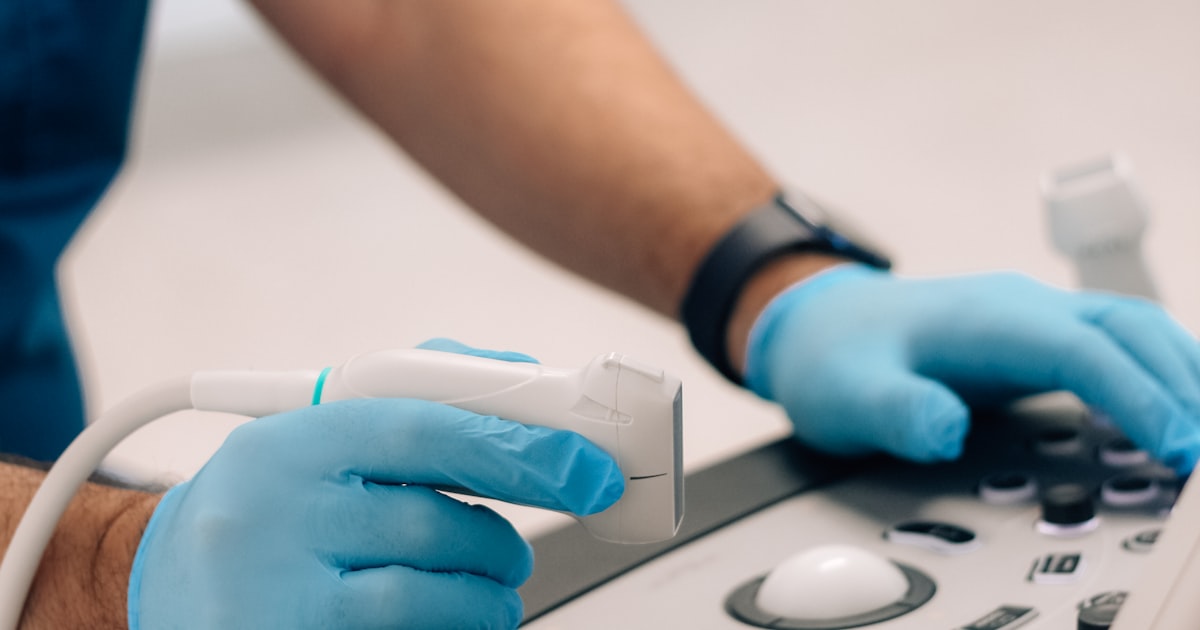
- Transabdominal ultrasound is usually the first test, and often the one that raises initial suspicion — showing a thickened or irregular gallbladder wall, a mass, or stones alongside worrying wall changes. It is widely available, inexpensive, and a reasonable starting point even in smaller towns.
- Contrast-enhanced CT scan of the abdomen is the key staging test, showing the extent of local invasion into the liver, involvement of nearby lymph nodes, and spread to distant organs.
- MRI with MRCP (magnetic resonance cholangiopancreatography) gives a detailed view of the bile ducts and is useful when a CT is inconclusive or when planning complex surgery.
- Endoscopic ultrasound (EUS) can assess local invasion with more precision and, in some cases, allow a biopsy.
- PET-CT is used selectively to look for distant spread before major surgery is planned.
Blood Tests and Tumour Markers
- CA 19-9 is the tumour marker most often used, though it is not specific to gallbladder cancer and can be raised by other benign conditions like bile duct blockage or infection — it is used mainly to monitor treatment response rather than as a standalone screening test.
- CEA is a supportive marker, used similarly.
- Liver function tests (LFTs) often show raised bilirubin and alkaline phosphatase when the bile duct is obstructed.
- Complete blood count and kidney function help assess overall fitness for surgery.
Biopsy
A tissue diagnosis, obtained via image-guided needle biopsy or during surgery itself, confirms the cancer and its subtype. In many incidental cases, the diagnosis only becomes clear after a gallbladder removed for stones is sent for histopathology.
Keeping every ultrasound, CT, MRI report, and CA 19-9 trend together in one place matters enormously here, because gallbladder cancer often involves multiple opinions and repeat imaging over a short period. Uploading your reports to MedicalVault keeps this entire trail organised and instantly shareable with a second surgeon or tumour board, and the trend analysis feature makes it easy to see whether markers are rising or falling over successive visits.
Staging, Treatment, and Realistic Prognosis
Gallbladder cancer is staged using the AJCC/TNM system, from Stage 0 (cancer confined to the innermost layer) through Stage IVB (spread to distant organs). In practice, Indian oncologists group patients more simply by whether the tumour is resectable (can be surgically removed) or not.
Surgery — The Only Realistic Route to Cure
- Simple cholecystectomy may be sufficient for the earliest stage (Tis/T1a) cancers confined to the mucosa, often discovered incidentally.
- Radical (extended) cholecystectomy is the standard operation for most operable gallbladder cancers — removing the gallbladder along with a margin of adjacent liver tissue and the regional lymph nodes. This is a significantly bigger operation than a routine gallstone surgery and is best done at a high-volume centre with hepatobiliary surgical expertise.
- Extended resections, including partial liver resection or bile duct resection, may be needed when the tumour has grown into neighbouring structures but is still considered removable.
Unfortunately, because most Indian patients present late, only around 10–30% are found to have resectable disease at diagnosis.
Chemotherapy and Palliative Care
For locally advanced or metastatic disease that cannot be operated on, chemotherapy — commonly gemcitabine combined with cisplatin, sometimes with the addition of durvalumab (immunotherapy) — is the standard first-line approach, aimed at controlling the disease and easing symptoms rather than cure. Biliary stenting via ERCP or percutaneous drainage relieves jaundice and improves quality of life when the bile duct is blocked. Pain management, nutritional support, and palliative care services — increasingly available through hospice and home-care programmes in Indian cities — play a central role for patients with advanced disease.
Prognosis by Stage
Prognosis varies enormously by how early the cancer is caught:
| Stage at Diagnosis | Approximate 5-Year Survival | Typical Treatment |
|---|---|---|
| Stage 0/I (confined to gallbladder wall) | 60–80%+ | Simple or radical cholecystectomy |
| Stage II–III (local spread, lymph nodes) | 20–50% | Radical cholecystectomy + extended resection, often with chemotherapy |
| Stage IV (distant spread) | Under 5% | Chemotherapy, biliary drainage, palliative care |
Overall, because most patients across the world — and disproportionately in high-incidence Indian regions — are diagnosed at Stage III or IV, the overall five-year survival for gallbladder cancer sits in the range of 5–15%. This stark gap between early- and late-stage outcomes is exactly why the emphasis in India's high-risk belt has shifted toward catching gallstone disease and early symptoms sooner, rather than only treating advanced cancer. Readers researching related digestive cancers may also find our pancreatic cancer guide and stomach cancer guide useful, since risk factors and diagnostic pathways often overlap.
Prevention and Early Detection: What You Can Actually Do
There is no population-wide screening programme for gallbladder cancer, even in high-incidence regions, because the disease is still relatively uncommon at an individual level and a universal test does not yet exist. But in a country where geography and gallstone prevalence meaningfully raise risk, several practical steps make a real difference:
- Don't ignore known gallstones. If you have gallstones — especially large stones, long-standing stones, or a stone plus a thickened/irregular gallbladder wall on ultrasound — discuss the pros and cons of elective cholecystectomy with a surgeon rather than living with them indefinitely, particularly if you are in a high-incidence state.
- Get an ultrasound if you live in a high-risk district. Residents of Bihar, eastern Uttar Pradesh, and other Gangetic belt districts with known arsenic contamination, particularly women over 40, should consider periodic abdominal ultrasound as part of their annual health check, even without symptoms — ask your doctor whether this applies to you.
- Check your drinking water. If you live in an arsenic-affected district, get your household or community water tested and use arsenic removal filters or an alternative safe source where contamination is confirmed. This is a modifiable exposure, unlike genetics.
- Treat typhoid fully and check for carrier status if advised. Complete the full course of antibiotics for typhoid fever, and if illness recurs or is prolonged, ask your doctor about testing for chronic carrier status, particularly if you also have gallstones.
- Manage weight and diet. Maintaining a healthy weight reduces gallstone formation, which in turn reduces downstream gallbladder cancer risk.
- Do not dismiss persistent right-upper-abdominal pain as "just gas" or "just gastritis." If discomfort lasts more than two to three weeks, get it evaluated with an ultrasound rather than relying on antacids.
- Discuss family history with your doctor. A first-degree relative with gallbladder cancer, especially combined with residence in a high-incidence region, is worth flagging at your next checkup.
For families managing gallstone disease or a gallbladder cancer diagnosis together, MedicalVault's family sharing feature lets relatives in different cities view the same ultrasound and CT reports in real time — useful when, for example, an adult child in Bengaluru is coordinating a parent's care in Muzaffarpur. If you have questions about how to organise reports for a cancer diagnosis, our FAQ page covers common questions about uploads, sharing, and privacy.
Key Takeaways
- India accounts for roughly 10% of the world's gallbladder cancer cases, with Bihar and the wider Gangetic belt among the highest-incidence regions on Earth, partly linked to arsenic-contaminated groundwater.
- Gallstones, chronic cholecystitis, female gender, obesity, and chronic typhoid carrier state are the leading risk factors — gallstones are present in about 75% of patients at diagnosis.
- Symptoms are vague and often appear late: persistent right upper abdominal pain, unexplained weight loss, jaundice, and a palpable lump should never be dismissed as routine indigestion.
- Diagnosis relies on ultrasound as a first step, followed by CT/MRI for staging, CA 19-9 for monitoring (not screening), and biopsy for confirmation.
- Surgery — radical cholecystectomy — is the only realistic cure and works best when the cancer is caught early; five-year survival ranges from over 60% at Stage 0/I to under 5% at Stage IV, making early detection the single biggest lever available.
- If you have gallstones or live in a high-incidence district, talk to your doctor about periodic ultrasound monitoring rather than waiting for symptoms.
- Keeping every ultrasound, CT, and blood report organised in MedicalVault — and sharing them instantly with family and specialists — makes it far easier to catch changes early and get a fast second opinion when it matters most.