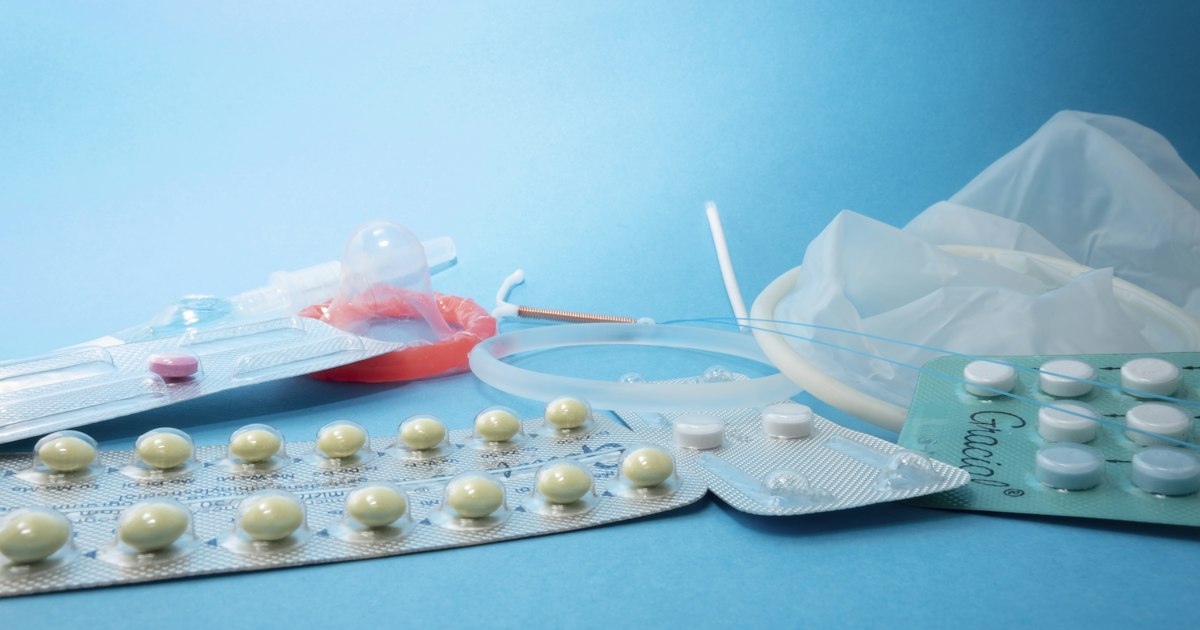
The wedding photos are barely uploaded when the questions begin. An aunt asks about "good news", a friend swears by the i-pill, a cousin warns that Copper-T "moves around inside the body", and a husband quietly assumes family planning is his wife's job. For most Indian couples, choosing contraception happens in whispers, on hearsay, or at a chemist's counter, and rarely in a proper conversation with a gynaecologist.
That needs to change. Contraception in India is free or nearly free at government facilities, the range of birth control methods has never been wider, and the right choice protects a woman's health and gives couples real control over their future. Ahead of World Contraception Day on 26 September, here is a practical guide to every major method available in India, with honest effectiveness figures, costs, and how to choose at each stage of life.
Contraception in India: What the Numbers Tell Us
The National Family Health Survey (NFHS-5, 2019–21) paints a picture of progress, but also of a deeply lopsided method mix among currently married women aged 15–49:
| Indicator (NFHS-5) | Percentage |
|---|---|
| Using any method of contraception | 66.7% |
| Using a modern method | 56.5% |
| Female sterilisation (tubectomy) | 37.9% |
| Male sterilisation (vasectomy) | 0.3% |
| Condoms | 9.5% |
| Oral pills | 5.1% |
| IUD / PPIUD (Copper-T) | 2.1% |
| Injectables | 0.6% |
| Unmet need for family planning | 9.4% |
| Users told about side effects of their method | 62.4% |
A few things stand out:
- Tubectomy dominates. For every man who has had a vasectomy, roughly 125 women have undergone tubectomy, even though vasectomy is simpler, quicker and safer.
- Around 10% of couples rely on traditional methods such as rhythm or withdrawal, which fail far more often than modern options.
- Nearly 1 in 10 married women want to avoid or delay pregnancy but are not using any method.
- Over a third of users were never told about side effects, a common reason people abandon a method.
What the Government Offers Free
Under the National Family Planning Programme, the Ministry of Health and Family Welfare provides a "basket of choices" free of cost at government hospitals, CHCs, PHCs and Ayushman Arogya Mandirs:
- Condoms (Nirodh), Mala-N pills, Chhaya weekly pills and emergency pills, also delivered to your doorstep by ASHA workers for a token amount under the Home Delivery of Contraceptives scheme
- Copper-T insertion, including PPIUCD (inserted right after delivery), with a small compensation to the woman
- Antara injectable every three months
- Subdermal implants and subcutaneous injectables, being rolled out in select states since 2023
- Vasectomy and tubectomy, with wage-loss compensation (for example, ₹3,000 for vasectomy and ₹2,000 for tubectomy in high-focus states under Mission Parivar Vikas; amounts vary by state)
Newly married couples in many districts also receive a Nayi Pahel kit from ASHAs with condoms, pills and a pregnancy test kit.
Birth Control Methods in India: Effectiveness, Cost and Access
Contraceptive effectiveness is measured by typical-use failure rate: how many out of 100 women become pregnant in the first year of real-life use, including missed pills and forgotten condoms. Here is how the main options compare:
| Method | Typical-Use Failure (per 100 women/year) | How Long It Lasts | Approx. Private Cost | Free at Government Facilities? |
|---|---|---|---|---|
| Implant (single rod) | 0.1 | 3 years | Limited private availability | Yes, in pilot states |
| Vasectomy (NSV) | 0.15 | Permanent | ₹5,000–₹20,000 | Yes, plus compensation |
| Hormonal IUS (Mirena) | Under 1 | 5 years (some labels up to 8) | ₹10,000–₹15,000 + insertion | Generally no |
| Tubectomy | 0.5 | Permanent | ₹15,000–₹60,000 | Yes, plus compensation |
| Copper-T (IUCD) | 0.8 | 5 or 10 years | ₹1,000–₹4,000 incl. insertion | Yes |
| Lactational amenorrhoea (LAM) | 2 | Up to 6 months postpartum | Free | Counselling only |
| Injectable (Antara/DMPA) | 4 | 3 months per shot | ₹200–₹400 per dose | Yes |
| Combined pill (Mala-N, Mala-D, Ovral-L, Femilon) | 7 | Daily | ₹5–₹700 per cycle | Mala-N free |
| Progestin-only pill | 7 | Daily, same time | Varies (few brands in India) | Limited |
| Chhaya (centchroman) | About 1–3 with correct use; higher if doses missed | Weekly | ₹40–₹120 per strip (Saheli, Novex-DS) | Yes |
| Male condom | 13 | Each act | ₹10–₹40 each | Yes (Nirodh) |
| Fertility awareness / rhythm | 15 (range 2–23) | Every cycle | Free | Counselling only |
| Withdrawal | 20 | Each act | Free | Not a recommended method |
| No method | 85 | — | — | — |
Failure rates are based on WHO and international contraceptive technology data; costs are indicative and vary by city and hospital.
Barrier Methods: Condoms
The male condom is the only method that also protects against sexually transmitted infections, including HIV (read our HIV and ART guide). Its weak point is inconsistent use. Use a new condom every time, check the expiry date, and avoid oil-based lubricants like coconut oil or Vaseline.
Oral Pills: Mala-N, Chhaya and the Mini-Pill
Combined oral contraceptive pills (COCs) contain oestrogen and progestin and stop ovulation. Started within the first five days of a period and taken at the same time daily, they are highly effective. Many women also get lighter, more regular periods, and doctors often prescribe them to manage PCOS symptoms. Early side effects such as nausea, spotting or breast tenderness usually settle within two to three months.
Chhaya (centchroman / ormeloxifene) is India's own non-hormonal pill, developed by CDRI Lucknow. You take one tablet twice a week for the first three months, then once a week, starting on the first day of your period. It does not cause the nausea or weight gain some women associate with hormonal pills and is considered safe while breastfeeding. Its main side effect is a delayed period, so keep a pregnancy test kit handy if a period is more than 15 days late. It is not advised for women with recent jaundice or liver disease, polycystic ovaries, and a few other conditions your doctor will ask about.
Progestin-only pills (the "mini-pill") suit breastfeeding mothers and women who cannot take oestrogen, but they must be taken at nearly the same time every day.
Emergency Contraception: i-pill and Unwanted 72
Emergency pills such as i-pill and Unwanted 72 contain a single 1.5 mg dose of levonorgestrel and cost around ₹100–₹150. They work mainly by delaying ovulation, and they work best when taken as early as possible, ideally within 24 hours and labelled for use within 72 hours. WHO notes they may still help up to 120 hours, with falling effectiveness. A Copper-T inserted within five days is the most effective emergency option of all and then continues as regular contraception.
In India, easy over-the-counter access has led to repeated use. A national meta-analysis found that among women who had used emergency pills, anywhere from 12% to 69% had used them more than once. Repeated use is not known to be dangerous, but it disrupts periods and is far less reliable than a regular method. If you buy emergency pills often, discuss a regular method with your gynaecologist.
Antara Injectable and Implants
Antara (DMPA) is a progestin injection given every three months, free at government facilities. There is nothing to remember daily. Irregular bleeding is common initially, and many women stop having periods after a year, which is harmless. Fertility returns fully, but it can take several months longer than with other methods after the last injection, so it is not ideal if you plan to conceive soon.
The single-rod implant, placed under the skin of the upper arm, is the most effective reversible method and lasts three years. It is gradually being introduced in the public system.
Copper-T, PPIUCD and the Hormonal IUS
The Copper-T (IUCD) is a small, flexible device placed in the uterus in a 5–10 minute OPD procedure. The Cu-T 380A lasts 10 years and the Cu 375 lasts 5 years, and fertility returns as soon as it is removed. Periods may be heavier and crampier for the first few months. A PPIUCD is inserted within 48 hours of a normal delivery or during a caesarean section, so the new mother leaves hospital already protected.
The hormonal intrauterine system (LNG-IUS, e.g. Mirena) releases a tiny amount of progestin locally. It makes periods much lighter, which is why gynaecologists also use it for heavy menstrual bleeding and adenomyosis.
Permanent Methods: Vasectomy and Tubectomy
No-Scalpel Vasectomy (NSV) takes 10–15 minutes under local anaesthesia, involves no stitches, and most men return to desk work within two days. It is not effective immediately: use condoms for about three months until a semen test confirms zero sperm. Tubectomy, done laparoscopically or through a small incision, can be performed within seven days of delivery or six weeks later. Both are meant to be permanent, so decide only when you are certain your family is complete.
Natural Methods
The calendar or rhythm method and the Standard Days Method (avoiding unprotected sex on days 8–19 for women with regular 26–32 day cycles) cost nothing but demand discipline and regular cycles. Withdrawal fails about 20 times in 100. LAM works only when all three conditions are met: the baby is under six months, is exclusively breastfed day and night, and periods have not returned.
Before You Start: Safety Checks and Tests
Who Should Avoid Combined Pills
WHO's Medical Eligibility Criteria advise against oestrogen-containing pills for women who:
- Are 35 or older and smoke 15 or more cigarettes a day
- Have migraine with aura at any age
- Have blood pressure of 160/100 mmHg or higher, or heart disease or a past stroke
- Have a history of blood clots (DVT or pulmonary embolism) or a known clotting disorder
- Are breastfeeding and less than six weeks postpartum
- Have current breast cancer, severe liver disease, or diabetes with vascular complications
Many of these women can still safely use Copper-T, Chhaya, progestin-only methods or sterilisation. Also tell your doctor about medicines you take: rifampicin (used in TB treatment), some epilepsy medicines and certain HIV medicines reduce the effectiveness of pills and implants.
Tests Your Doctor May Suggest
| Before Starting | Common Checks |
|---|---|
| Combined pills | Blood pressure (essential), smoking and migraine history, pregnancy ruled out |
| Copper-T or IUS | Pelvic examination, screening for infection, pregnancy test if unsure |
| Antara or implant | Blood pressure, pregnancy ruled out |
| Tubectomy | Haemoglobin, blood sugar, urine test, BP, pregnancy test |
| Vasectomy | General examination; semen analysis about 3 months after the procedure |
A Pap smear is not required before starting contraception, but a family-planning visit is an ideal time to catch up on cervical cancer screening.
Keep a Record
When was the Copper-T inserted, and is it the 5-year or 10-year type? When is the next Antara shot due? What was your blood pressure before starting pills? Upload your reports to MedicalVault, including insertion notes, discharge slips and semen analysis results, so the dates never get lost in a drawer. Women on hormonal pills can log periodic BP readings and use MedicalVault's trend analysis to spot any upward drift early.
Choosing Birth Control at Every Life Stage
There is no single "best" contraceptive, only the best fit for your health, relationship and plans. Consult your gynaecologist, but here is a starting framework.
Newly Married or Delaying the First Child
Condoms, combined pills, Chhaya or a Copper-T are all good choices, and a Copper-T can be used even by women who have never been pregnant. Antara is effective but may delay conception by a few months after stopping. Pair any hormonal method with condoms if STI protection matters.
After Delivery
WHO recommends waiting at least 24 months after a birth before the next pregnancy for the health of mother and baby. Options include a PPIUCD before discharge, postpartum tubectomy within seven days if the family is complete, and LAM for the first six months with a backup plan. Discuss your choice during your antenatal visits so the decision is not rushed in the labour room.
While Breastfeeding
Copper-T, Chhaya, progestin-only pills, Antara and implants are generally compatible with breastfeeding. Combined pills are usually avoided until about six months after delivery as oestrogen can reduce milk supply.
Family Complete
If you are sure you want no more children, vasectomy is the simplest and safest permanent option, a fact worth discussing openly as a couple. Tubectomy is equally effective but involves abdominal surgery. If you are not entirely certain, a 10-year Copper-T or an IUS offers near-permanent protection without the permanence.
In Your 40s and Perimenopause
Fertility falls in your 40s but does not vanish. Continue contraception until you have gone 12 months without a period after 50, or 24 months if under 50. The hormonal IUS is especially useful, as it controls the heavy, irregular bleeding common in perimenopause. Read more in our menopause and perimenopause guide.
Contraception is a shared responsibility. With MedicalVault's family sharing feature, both partners can keep relevant reports, from BP readings to semen analysis, in one place.
Myths vs Facts
| Myth | Fact |
|---|---|
| "Copper-T can travel to the heart or stomach." | It stays in the uterus. Rarely it slips out, and very rarely (about 1 in 1,000 insertions) it perforates the uterine wall, but it cannot travel through the body. A check-up after your first period confirms its position. |
| "Pills make you infertile." | Fertility returns quickly after stopping pills. There is no need to take "breaks". |
| "Vasectomy makes a man weak or impotent." | NSV does not affect strength, erections, desire or the look of semen. It only blocks sperm. |
| "The i-pill is an abortion pill." | It delays ovulation. It does not end an existing pregnancy and will not harm one. |
| "You cannot get pregnant while breastfeeding." | Only if all three LAM conditions are met. Many women conceive before their first postpartum period. |
| "Withdrawal is safe enough." | About 20 in 100 couples relying on it get pregnant within a year. |
| "Antara causes permanent infertility." | Return of fertility can be delayed by some months, but it is not permanent. |
If a method does fail, remember that the Medical Termination of Pregnancy (Amendment) Act, 2021 allows termination up to 20 weeks on the opinion of one registered doctor (and up to 24 weeks for certain categories of women), and contraceptive failure is a recognised ground for all women, married or unmarried. Seek care early at a registered facility, never through unverified over-the-counter pills.
Key Takeaways
- Contraception in India is widely available and largely free: condoms, Mala-N, Chhaya, emergency pills, Copper-T, Antara and sterilisation are provided at government facilities, often through your local ASHA worker.
- NFHS-5 shows 66.7% of married women use contraception, but female sterilisation (37.9%) far outweighs vasectomy (0.3%), and nearly 1 in 10 women have an unmet need.
- Effectiveness varies enormously: implants, IUDs and sterilisation fail less than 1 time in 100, pills about 7, condoms about 13, and withdrawal about 20.
- Emergency pills are a back-up, not a routine method; a Copper-T within five days is the most effective emergency option.
- Screening matters: smokers over 35, women with migraine with aura, clot history or uncontrolled BP should avoid combined pills, and TB medicines like rifampicin can reduce their effect. Always consult your gynaecologist.
- Choose by life stage: PPIUCD after delivery, non-oestrogen methods while breastfeeding, vasectomy or long-acting methods when your family is complete, and the IUS in perimenopause.
- Keep your contraception records safe — insertion dates, BP readings and follow-up reports — by storing them in MedicalVault, so you and your doctor always have the full picture.