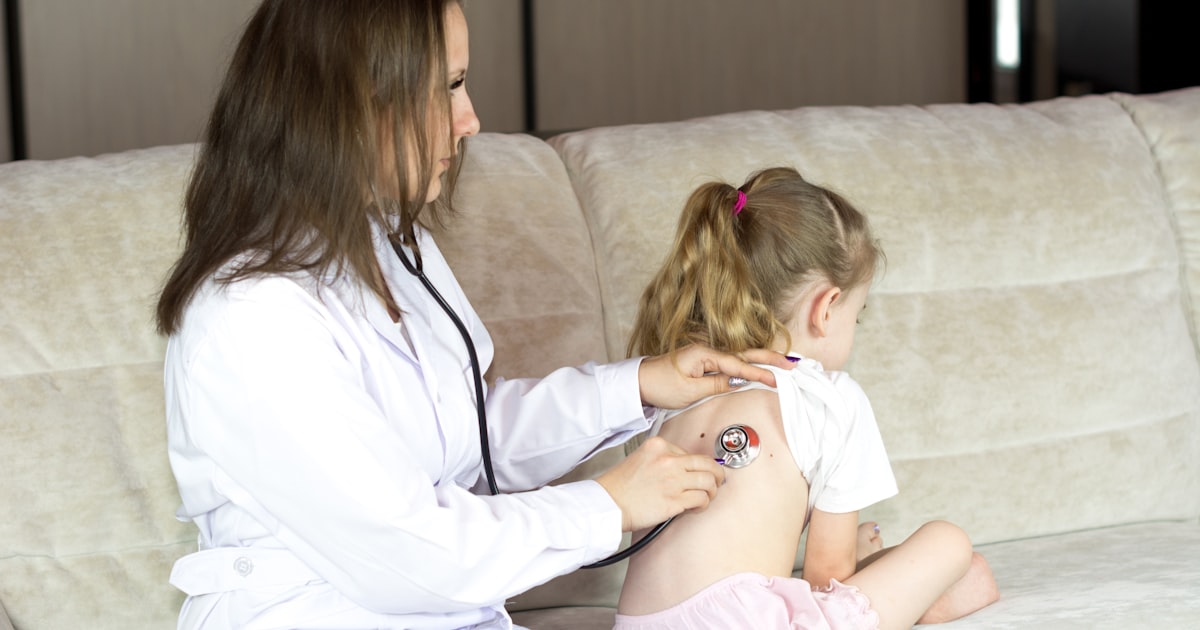
When West Bengal handed over Kolkata's school meal programme to a vegetarian trust in June 2026 and eggs disappeared from the midday meal plate, it reignited a debate that has quietly simmered across India for years: are our children getting enough protein? For a mother packing her son's tiffin or an anganwadi worker weighing toddlers every month, the headlines about PM POSHAN menus are really about something much closer to home — whether a child's body and brain are getting what they need to grow.
India carries one of the world's heaviest burdens of child malnutrition, and the numbers are not just statistics from a survey report; they show up as a child who is shorter than classmates, tires easily, or falls ill more often than seems normal. Understanding stunting, wasting, and protein deficiency — and knowing what to actually do about them — can change the trajectory of a child's entire life.
Understanding Malnutrition: Stunting, Wasting, and Underweight
Doctors and nutritionists use three specific terms to describe child malnutrition, and each points to a different kind of problem.
- Stunting (low height-for-age): A child is too short for their age due to chronic, long-term undernutrition, usually starting in the first 1,000 days of life (pregnancy to age two). Stunting affects brain development and is largely irreversible after age five.
- Wasting (low weight-for-height): A child is too thin for their height, reflecting acute, recent undernutrition — often triggered by illness, infection, or a sudden drop in food intake. Wasting is a medical emergency in its severe form.
- Underweight (low weight-for-age): A combined measure that can reflect either stunting, wasting, or both.
According to India's National Family Health Survey (NFHS-5, 2019–21), 35.5% of Indian children under five are stunted, 19.3% are wasted, and 32.1% are underweight. While these numbers have improved compared to NFHS-4, the pace of decline remains slow, and some states — Meghalaya (46.5%), Bihar (42.9%), Uttar Pradesh (39.7%), and Jharkhand (39.6%) — report stunting rates far above the national average. Rural children are consistently worse affected than urban children.
Alongside stunting and wasting, anaemia among children has actually risen in recent surveys, now affecting well over half of Indian children under five — a reminder that malnutrition in India is rarely about calories alone; it is about specific nutrient gaps.
Why Protein Matters — and India's Protein Gap
Protein builds and repairs every tissue in a growing child's body: muscle, organs, immune cells, and enzymes. A chronic protein shortfall during early childhood contributes directly to stunting and delayed cognitive development.
India's dietary pattern is a major part of the problem. Cereals — rice and wheat — still supply the majority of protein in the average Indian diet, rather than more complete protein sources like eggs, dairy, pulses, or meat. Cereal protein is lower in essential amino acids (particularly lysine) compared to animal or combined plant-animal proteins, meaning a child can eat a full plate of rice and dal and still fall short of quality protein needs if portions and variety are not adequate.
Recommended Daily Protein and Calories for Indian Children
| Age Group | Approx. Calories Needed | Approx. Protein Needed |
|---|---|---|
| 1–3 years | 1,060 kcal/day | 16.7 g/day |
| 4–6 years | 1,350 kcal/day | 20.1 g/day |
| 7–9 years | 1,690 kcal/day | 29.5 g/day |
| Primary school (PM POSHAN norm) | ~450 kcal/meal | ~12 g/meal |
| Upper-primary school (PM POSHAN norm) | ~700 kcal/meal | ~20 g/meal |
(Based on ICMR-NIN Recommended Dietary Allowances; discuss individual requirements with a paediatrician or dietitian, especially for undernourished children who may need higher targets for catch-up growth.)
The PM POSHAN Eggs Debate, Explained
PM POSHAN (the revamped midday meal scheme) sets minimum calorie and protein targets for school meals but leaves the choice of menu — including whether to serve eggs — to individual states. As of 2025–26, only 13 states serve eggs under the scheme, down from 16 a decade ago; just over a third of Indian states now include eggs in school meals, compared with 44% ten years ago. States that do not serve eggs typically substitute soya chunks, paneer, or rajma.
The nutritional concern raised by paediatricians is that eggs and animal-source foods provide Vitamin B12, Vitamin D, iron, and zinc in forms the body absorbs more easily than plant-based substitutes — micronutrients that are already widely deficient among Indian children. Whatever the menu at your child's school, the takeaway for parents is the same: do not assume school meals alone meet your child's full nutritional needs. Home meals need to actively fill the gaps.
The First 1,000 Days: Why Early Feeding Decisions Matter Most
Paediatric nutritionists repeatedly emphasise the "first 1,000 days" — the window from conception to a child's second birthday — as the period when stunting is largely determined and, critically, the only period when it can still be reversed. Get feeding right here, and the effects last a lifetime; get it wrong, and even a nutrient-rich diet later in childhood cannot fully undo the damage.
Key milestones within this window:
- Exclusive breastfeeding for the first 6 months: No water, formula, or solids — breast milk alone provides complete nutrition and antibodies during this period
- Timely introduction of complementary foods at 6 months: Delaying solids beyond 6 months is a common cause of growth faltering, as breast milk alone can no longer meet a growing infant's calorie and protein needs
- Gradual increase in food consistency and variety: From thin purees at 6 months to mashed family foods by 9–12 months, introducing dal, mashed vegetables, khichdi, and eventually egg and other protein sources one at a time
- Continued breastfeeding up to 2 years, alongside an increasingly varied diet, rather than stopping abruptly once solids begin
- Iron-rich complementary foods from 6 months: An exclusively breastfed baby's iron stores begin to deplete around this age, making iron-fortified cereals, mashed dal, and eventually egg yolk important additions
Anganwadi workers and ASHA workers are trained to counsel mothers on this exact timeline — if you have an infant under two, this is one of the most valuable free services available to you, even if you also consult a private paediatrician.
Warning Signs Every Parent Should Watch For
| Sign | What It May Indicate | What To Do |
|---|---|---|
| Child is noticeably shorter than same-age peers | Stunting | Get height/weight plotted on a WHO growth chart at your paediatrician |
| Visible thinness, ribs prominent | Wasting | Seek medical evaluation promptly — may need therapeutic feeding |
| Frequent infections, slow wound healing | Weakened immunity from undernutrition | Paediatric assessment plus dietary review |
| Persistent fatigue, poor concentration at school | Possible anaemia or B12/iron deficiency | Blood tests: haemoglobin, ferritin, B12 |
| Hair thinning, brittle nails, dry skin | Protein or micronutrient deficiency | Dietary review and paediatric consultation |
| Delayed milestones (walking, speech) | Chronic undernutrition affecting development | Paediatric developmental assessment |
| Swelling of feet/abdomen (in severe cases) | Kwashiorkor (severe protein deficiency) | Emergency medical care |
Growth monitoring is not a one-time event. Anganwadi centres under the ICDS (Integrated Child Development Services) scheme are meant to weigh and measure children under six every month — take advantage of this free service even if you also see a private paediatrician.
Government Programmes Tackling Malnutrition
India runs several overlapping programmes aimed at reducing child malnutrition, and knowing they exist helps families access free services:
- POSHAN Abhiyaan 2.0 (Saksham Anganwadi and Poshan 2.0): The umbrella nutrition mission focused on reducing stunting, wasting, anaemia, and low birth weight through convergence of ICDS, National Health Mission, and Jal Jeevan Mission
- ICDS / Anganwadi Services: Provides supplementary nutrition, growth monitoring, immunisation referrals, and pre-school education for children under six through a nationwide network of anganwadi centres
- PM POSHAN (Midday Meal Scheme): Provides a hot cooked meal to government and government-aided school children, with state-specific menus
- Take-Home Ration (THR): Provided to pregnant women, lactating mothers, and children aged 6 months to 3 years who are not yet in school
If your family is eligible, register at your nearest anganwadi centre — many families miss out simply because they are unaware these services extend beyond the very poorest households.
Practical Nutrition Guide for Indian Parents
- Combine proteins at every meal: Dal with rice, or roti with paneer or chana, together supply a more complete amino acid profile than either eaten alone
- Include at least one animal or dairy protein daily if possible: Egg, milk, curd, or paneer — even a small quantity daily makes a meaningful difference for a growing child
- Do not rely on snacks and biscuits as meal substitutes: These are calorie-dense but protein- and micronutrient-poor
- Offer iron-rich foods alongside Vitamin C: Spinach or ragi with a squeeze of lemon or a serving of amla improves iron absorption
- Deworming every six months: Intestinal worms are a major, under-recognised contributor to malnutrition in Indian children; ask your paediatrician about the National Deworming Day schedule
- Track growth, not just weight: A child can look "chubby" and still be stunted or micronutrient deficient — height-for-age and lab tests tell a fuller story than appearance alone
When to Get Your Child Tested
Speak to a paediatrician if your child shows any warning signs above, or as part of routine annual check-ups. Common tests include a complete blood count (CBC) to check for anaemia, serum ferritin for iron stores, Vitamin B12 and Vitamin D levels, and zinc levels if growth faltering persists despite an adequate diet. Read our detailed guides on iron deficiency and anaemia, Vitamin D deficiency, and zinc deficiency for what each test measures and India-specific normal ranges.
Growth charts and lab reports for children are easy to misplace across school years and paediatrician visits. Uploading each report to MedicalVault as your child grows lets you track height, weight, and key blood parameters on one trend chart over years — making it far easier to spot a growth curve that is quietly flattening, long before it becomes visible to the eye.
Key Takeaways
- Stunting (35.5%), wasting (19.3%), and underweight (32.1%) remain widespread among Indian children under five, per NFHS-5
- Protein deficiency is a major driver of stunting; India's cereal-heavy diet often falls short on complete, high-quality protein
- The PM POSHAN eggs debate highlights a real nutritional gap — home meals must actively supplement whatever a child eats at school
- Watch for warning signs: poor growth, frequent infections, fatigue, hair/nail changes, and delayed milestones
- Free government support exists through anganwadi centres, POSHAN Abhiyaan 2.0, and Take-Home Ration — register even if you also use private healthcare
- Combine protein sources at every meal, prioritise iron and Vitamin C together, and don't skip six-monthly deworming
- Track your child's height, weight, and lab reports over time with MedicalVault to catch growth problems early, well before they become visible