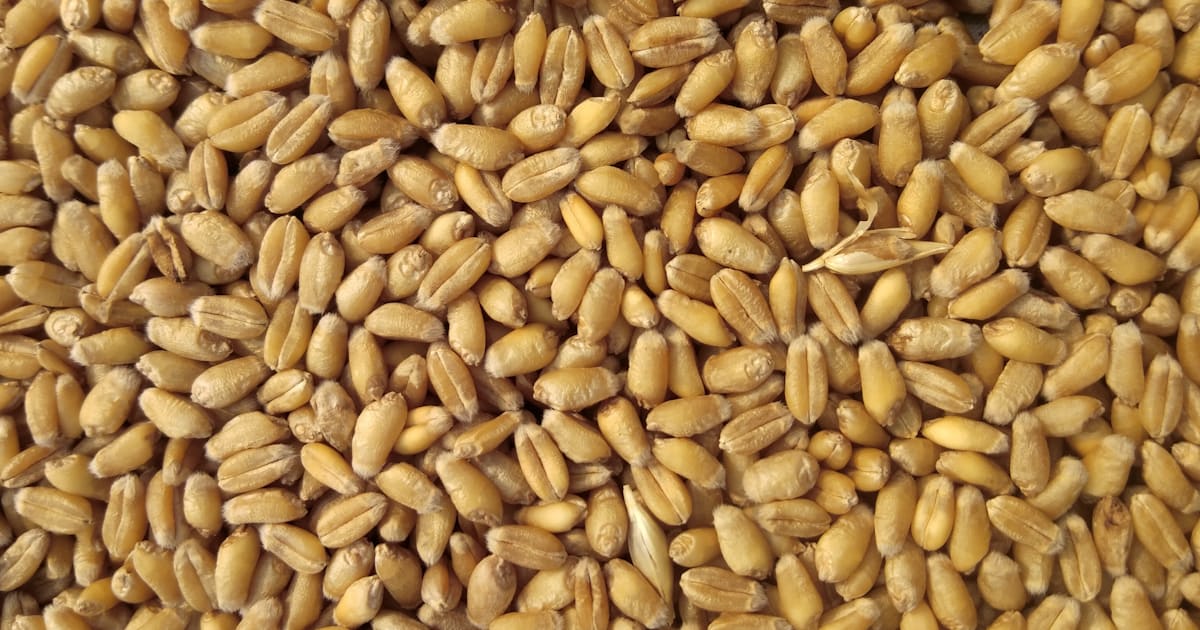
Roti for breakfast. Paratha for lunch. Puri–bhaji at weddings. A North Indian plate without wheat is almost unthinkable — which is precisely why celiac disease is quietly becoming one of India's most under-diagnosed chronic conditions. For every patient diagnosed, specialists at AIIMS and PGIMER estimate that four to five more go unrecognised, often suffering for years with fatigue, anaemia, stunted growth, or unexplained weight loss before the word "gluten" ever comes up.
This is a practical guide to celiac disease for Indian readers — what it is, how common it really is here, which tests to ask for, how to manage a gluten-free life when wheat is woven into the culture, and why this matters for families well beyond just one affected member.
What Is Celiac Disease, Exactly?
Celiac disease (also spelled coeliac disease) is an autoimmune disorder, not an allergy and not a simple food intolerance. When a person with celiac disease eats gluten — a protein found in wheat, barley, rye and some oats — their own immune system attacks the lining of the small intestine. This flattens the tiny finger-like villi that absorb nutrients, leading to malabsorption.
Three things must come together for celiac disease to develop:
- A genetic predisposition (carrying HLA-DQ2 or HLA-DQ8 genes)
- Exposure to gluten in the diet
- An environmental trigger (often a gut infection, pregnancy, surgery or severe stress)
Celiac disease is lifelong. There is no pill to take, no vaccination, no tolerable dose of gluten. The only effective treatment we have in 2026 is strict, permanent avoidance of gluten. The encouraging news: when managed well, the intestinal lining heals, symptoms resolve and long-term risks fall back towards normal.
How Common Is Celiac Disease in India?
Two decades of Indian research — much of it from AIIMS New Delhi, PGIMER Chandigarh, and the Indian Journal of Gastroenterology — have shown that celiac disease is not rare in India. The prevalence is strikingly regional:
| Region | Age-adjusted prevalence | Average daily wheat intake |
|---|---|---|
| Northern India (Punjab, Haryana, Delhi, UP) | 1.23% (≈1 in 81) | 455 g |
| North-Eastern India | 0.87% | 37 g |
| Southern India | 0.10% (≈1 in 1,000) | 25 g |
A landmark community study in Punjab found celiac disease in roughly 1 in 96 school children. The correlation with wheat intake, not genetics, is almost linear. Wherever rotis dominate the plate, celiac disease rates climb.
ICMR experts also estimate that around 10% of Indians may have some degree of gluten sensitivity — a separate (non-autoimmune) condition where gluten causes symptoms without the intestinal damage seen in true celiac disease. Distinguishing the two matters, because the tests and management overlap but are not identical.
The Many Faces of Celiac Disease
Classical textbooks describe chronic diarrhoea and weight loss. In real Indian practice, however, celiac disease often hides behind very different complaints:
Digestive symptoms
- Chronic diarrhoea or, paradoxically, constipation
- Abdominal pain, bloating and excessive gas after rotis or parathas
- Nausea, vomiting (especially in children)
- Foul-smelling, pale, oily stools (steatorrhoea)
"Silent" or atypical symptoms — very common in India
- Persistent iron-deficiency anaemia that does not respond to iron tablets
- Unexplained vitamin B12 deficiency or folate deficiency
- Vitamin D deficiency and low calcium, leading to osteoporosis before age 50
- Short stature in children, delayed puberty, failure to thrive
- Recurrent miscarriages or unexplained infertility
- Chronic fatigue, brain fog, migraine-like headaches
- Dental enamel defects and recurrent mouth ulcers
Skin and neurological signs
- Dermatitis herpetiformis — intensely itchy, blistering rash on elbows, knees and buttocks
- Peripheral neuropathy (tingling, numbness in hands and feet)
- Ataxia (unsteadiness), low mood, anxiety
If you have unexplained anaemia, a thin child who just will not grow, or a diabetic relative who is losing weight for no clear reason, celiac disease belongs on the diagnostic list — especially if the family is from a wheat-eating region.
Who Should Be Tested?
The Indian Society of Pediatric Gastroenterology, Hepatology and Nutrition (ISPGHAN) and the Indian Society of Gastroenterology recommend testing the following groups:
- Anyone with chronic unexplained digestive symptoms for more than 4 weeks
- Children with short stature, failure to thrive or delayed puberty
- Anyone with iron-deficiency anaemia that does not respond to iron tablets
- First-degree relatives (parents, siblings, children) of someone with celiac disease — risk rises to 5–10%
- People with type 1 diabetes, Hashimoto's thyroiditis or other autoimmune diseases
- Women with unexplained infertility or recurrent pregnancy loss
- Adults with early osteoporosis, unexplained raised liver enzymes, or dermatitis herpetiformis
Critical rule: Do NOT start a gluten-free diet before testing. If you stop gluten, the antibody tests normalise and the intestinal biopsy heals, making diagnosis impossible. Keep eating rotis until the tests are done.
How Celiac Disease Is Diagnosed in India
Diagnosis is a stepwise process. All modern Indian labs — SRL, Dr. Lal PathLabs, Thyrocare, Metropolis, and most hospital pathology labs — offer the relevant tests.
Step 1 — Blood tests (serology)
| Test | What It Checks | Typical Cost in India (2026) |
|---|---|---|
| tTG-IgA (tissue transglutaminase IgA) | First-line antibody; ~93% sensitive | ₹1,200–₹1,800 |
| Total Serum IgA | Rules out IgA deficiency (common in Indians) | ₹500–₹900 |
| Anti-DGP IgG / tTG-IgG | Back-up if patient is IgA-deficient | ₹1,500–₹2,500 |
| EMA (endomysial antibody) | Highly specific confirmatory test | ₹2,000–₹3,000 |
Always order tTG-IgA + total IgA together. About 2–5% of Indians with celiac disease have selective IgA deficiency, which can cause false-negative tTG-IgA results. Your doctor may also order a celiac antibody panel which bundles these tests.
Step 2 — Upper endoscopy with duodenal biopsy
If serology is positive, a gastroenterologist performs an upper endoscopy and takes 4–6 small biopsies from the duodenum. Pathologists grade the damage on the Marsh classification (Marsh 1 to 3c). Typical cost in India: ₹8,000–₹25,000 depending on whether you go private or government.
For children with tTG-IgA levels over 10 times the upper limit of normal plus a positive EMA, recent ESPGHAN guidelines allow a no-biopsy diagnosis — a shift that saves many Indian children from anaesthesia. Discuss with your paediatric gastroenterologist.
Step 3 — Genetic testing (optional)
HLA-DQ2/DQ8 genotyping (roughly ₹3,500–₹6,500) is useful in ambiguous cases. If these genes are absent, celiac disease is essentially ruled out. If present, they do not confirm the diagnosis — they only keep it on the table.
Tracking serial antibody values, biopsy reports and nutrition panels over time is where a platform like MedicalVault's trend analysis genuinely helps — patterns become obvious when the numbers live in one place instead of scattered pathology printouts.
Living Gluten-Free in India: Practical Guide
This is where Indian patients often struggle. Our cuisine leans on atta, suji, maida and barley; eating out is a minefield. Here is a realistic roadmap.
Foods that are naturally gluten-free
- Rice in all forms — basmati, idli, dosa, poha from rice flakes, upma made from rice rava
- Millets — ragi, bajra, jowar, foxtail (kangni), barnyard (samai), kodo, little millet
- Pulses and dals — chana, moong, toor, urad, masoor
- Besan (chickpea flour) — chilla, pakora, khandvi (but check for hing/asafoetida contamination)
- Vegetables, fruits, fresh meat, fish, eggs
- Milk and plain curd, paneer, ghee
- Rajgira (amaranth), kuttu (buckwheat), singhara (water chestnut) atta — fasting flours are largely safe
Foods that contain gluten — must be avoided
- Wheat flour (atta, maida), suji/rava, daliya, semolina
- Barley (jau), rye, spelt, farro, triticale
- Most Indian breads (roti, phulka, paratha, naan, bhatura, kulcha)
- Samosa, kachori, gol gappa covers
- Commercial biscuits, rusks, bread, most namkeens with maida
- Beer and malt-based drinks (Horlicks, Bournvita — check labels, formulations change)
- Most soy sauces, hing/asafoetida powders (often contain wheat)
- Oats — unless certified "gluten-free oats"; Indian oats are typically cross-contaminated
Watch out for hidden gluten
Gluten sneaks into many processed Indian foods. Check labels for: maida, wheat starch, modified food starch, hydrolysed wheat protein, malt, barley, yeast extract, bulgur, hing containing wheat. Pickles, chutneys, ready-made masalas, sambhar powders and instant mixes are common culprits.
Eating out in India
- Choose South Indian, Chinese (rice noodles), Thai, Mexican (corn tortillas) where available
- Tell the server clearly: "I have celiac disease — no wheat, no maida, no suji, no hing."
- Deep-fried items are risky because oil is shared with pakoras and samosas
- Ask whether the kitchen uses a separate pan and knife for your dish
- When travelling, carry a pouch of homemade khakhra from jowar or ragi chapatis
Gluten-free brands available in India
Several Indian brands now make certified gluten-free atta and snacks: NutroActive, Slurrp Farm (millet-based), Urban Platter, Pure & Sure, 24 Mantra Organic, Soulfull (ragi products). Amazon India, BigBasket and BlinkIt list dedicated gluten-free sections. Prices run roughly ₹180–₹350/kg for gluten-free atta vs ₹50–₹60/kg for wheat atta.
What Happens If I Keep Eating Gluten?
Untreated celiac disease is not a lifestyle matter. It carries serious long-term risks:
- Chronic anaemia and malnutrition
- Osteopenia and osteoporosis — discuss a DEXA scan with your doctor
- Short stature and delayed puberty in children — often irreversible if not caught early
- Infertility, recurrent miscarriage, low birth-weight babies
- Increased risk of intestinal lymphoma (small but real), small bowel adenocarcinoma
- Higher rates of depression and anxiety
- Increased cardiovascular risk from poor nutrient absorption
Against this list, adhering to a gluten-free diet is a decisive intervention that returns most risks close to baseline within 1–2 years.
Monitoring Celiac Disease: Tests You'll Repeat
After diagnosis, expect follow-up every 3–6 months for the first year, then annually:
- tTG-IgA levels — should drop steadily and normalise within a year of strict gluten-free eating
- Complete CBC report, iron studies, B12, folate
- Calcium, vitamin D, DEXA scan at diagnosis and 1–2 yearly
- Liver function tests (can be mildly abnormal at diagnosis)
- Thyroid function — check at baseline; associated autoimmune thyroid disease is common
- Random blood sugar / HbA1c — type 1 diabetes screening if high-risk
If antibodies are not falling, either the diet is not strict enough or there is ongoing gluten contamination. This is where logged reports in MedicalVault let your gastroenterologist see the full picture rather than relying on the last single-page lab slip.
Celiac Disease in Children: The India Story
One in every 100 North Indian school children may have celiac disease. Many are labelled as "short", "picky eaters", or anaemic, and handed iron syrups that never work. Paediatricians now routinely screen for celiac disease in any child with:
- Height below the 3rd percentile
- Weight loss despite adequate intake
- Persistent tummy aches or diarrhoea
- Iron deficiency unresponsive to oral iron
- Type 1 diabetes (screen at diagnosis)
- A first-degree relative with celiac disease
The emotional toll on children is real — birthday cakes, school tiffin boxes, and festival sweets become minefields. Families do best when they cook gluten-free at home for the entire household, turning the child's diet into the family's normal rather than a separate burden.
Key Takeaways
- Celiac disease affects roughly 1 in 96 children in North India but under 1 in 1,000 in the south — prevalence tracks wheat consumption.
- Symptoms often look nothing like the textbook. Unexplained anaemia, short stature, infertility, osteoporosis before 50 should all prompt testing.
- Keep eating gluten until tests are done. The first-line blood test is tTG-IgA + total serum IgA, followed by duodenal biopsy.
- Treatment is a strict, lifelong gluten-free diet. Partial avoidance is not a treatment.
- Indian cuisine offers many naturally gluten-free options: rice, millets, dals, besan, rajgira and kuttu. Reframe the kitchen rather than fight your culture.
- First-degree relatives of a celiac patient should be screened once, even if asymptomatic.
- Use MedicalVault to keep your antibody trends, bone density reports and nutrition panels together — your gastroenterologist will thank you.
This article is educational. Celiac disease needs a formal diagnosis and follow-up by a gastroenterologist and a qualified dietitian; please do not start a gluten-free diet — or stop one — without medical advice.