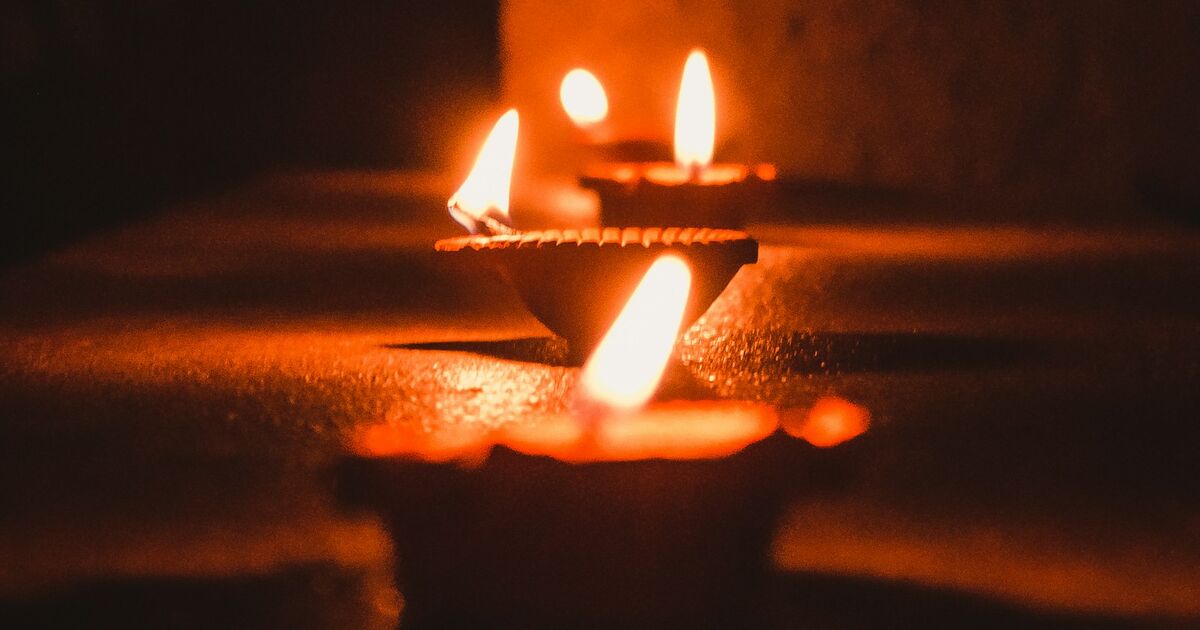
A child's sleeve catches a phuljhadi spark. A pressure cooker gasket gives way while you're making Diwali sweets. Someone reaches over a row of diyas and their dupatta brushes the flame. In the next ten minutes, what you do will shape how deep that burn becomes and how well it heals. Yet in most Indian homes the instinctive reaction is to reach for toothpaste, ice, haldi, or a smear of ghee, and every one of these can make things worse.
Burns are a far bigger problem in India than most people realise. Studies estimate around 7 million burn injuries every year, with about 7 lakh people needing hospital admission and roughly 1.4 lakh deaths. Women in their reproductive years are disproportionately affected, mostly from kitchen fires and loose clothing. And every Diwali, burn units fill up: during Diwali 2025, Delhi's hospitals recorded over 250 burn cases in a single night, the large majority caused by firecrackers, while AIIMS Delhi reported 190 firecracker-related eye injuries over the festival.
With Diwali falling on 8 November this year, now is the right time to learn correct burns first aid. This guide covers what to do in the first minutes, how to judge severity, which home remedies to avoid, and when to head straight to a hospital.
Burns First Aid: The First 20 Minutes Matter Most
The single most effective thing you can do for a burn costs nothing: cool running tap water for 20 minutes. This is the recommendation of burn care societies worldwide, and research shows it reduces burn depth, pain, scarring and the need for skin grafts. Cooling still helps if started within three hours of the injury, so it is never too late to begin.
Step-by-step: what to do immediately
- Stop the burning. If clothes are on fire, follow Stop, Drop and Roll: stop moving, drop to the ground, cover the face with the hands and roll until the flames are out. Smother with a thick cotton or woollen blanket if available. Never run, as it fans the flames.
- Move away from the source. Turn off the gas cylinder knob, move away from crackers, and switch off the mains for electrical burns before touching the person.
- Remove tight items quickly. Take off rings, bangles, watches, anklets and belts near the burn before swelling starts. Remove clothing that is not stuck to the skin. If synthetic fabric has melted onto the skin, leave it; a doctor will remove it.
- Cool with running water for 20 minutes. Use normal tap water, not ice-cold. A gentle stream from a tap, a mug or a bottle works. Keep the rest of the body warm with a dry shawl, especially for children, who can lose heat quickly.
- Cover loosely. After cooling, cover the burn with clean cling film (laid in strips, not wrapped tightly around a limb) or a clean, non-fluffy cotton cloth. This keeps air off the wound, which reduces pain and infection risk.
- Manage pain. Paracetamol (Crocin, Dolo) or ibuprofen can be used in age-appropriate doses. Check with a doctor for children, pregnant women and anyone with kidney or stomach problems.
- Seek medical care if the burn meets any of the criteria in the section below.
For chemical burns and eye injuries
- Chemical burns (including from some newer carbide-based crackers, acid or strong cleaning agents): brush off any dry powder first, then flush with running water for at least 20 minutes. Remove contaminated clothing carefully.
- Eye injuries: Do not rub the eye. Rinse gently with clean water for 15 to 20 minutes, holding the eyelid open. If a particle is embedded or vision is affected, cover the eye loosely with a clean paper cup or shield (no pressure) and go to an eye casualty immediately. Firecracker eye injuries can cause permanent vision loss if treatment is delayed.
Home Remedies That Make Burns Worse
Indian households have inherited many well-meaning burn remedies. Doctors in burn units see the consequences every festive season.
| Common Remedy | Why It Is Harmful |
|---|---|
| Toothpaste | Not sterile, traps heat in the skin, contains irritants, and must be scrubbed off painfully in hospital, which can deepen the wound. |
| Ice or ice water | Constricts blood vessels and can cause frostbite on already damaged tissue, increasing burn depth. |
| Ghee, butter, coconut oil | Seal heat in, attract dirt and raise infection risk. |
| Haldi (turmeric) paste | Stains the wound, making it hard for doctors to assess depth, and can introduce contamination. |
| Ink, mud, cow dung, coffee powder | Serious infection risk, including tetanus. |
| Raw egg white or potato | Risk of salmonella and other infections. |
| Popping blisters | The blister roof is a natural sterile dressing. Breaking it invites infection. |
| Cotton wool directly on the burn | Fibres stick to the wound and are painful to remove. |
What about aloe vera? Pure aloe vera gel may soothe a minor, superficial burn after proper cooling, but it is not a substitute for cooling and should not be used on deep or large burns.
How to Tell If a Burn Is Serious
Burns are classified by depth. Judging depth at home is tricky, and burns can deepen over 24 to 48 hours, so if in doubt, get a doctor to look at it.
| Burn Type | Old Name | What It Looks Like | Usual Healing |
|---|---|---|---|
| Superficial | First-degree | Red, dry, painful, no blisters (like sunburn) | 3 to 7 days, no scar |
| Superficial partial thickness | Second-degree | Pink, wet, blistered, very painful | 1 to 3 weeks, minimal scarring |
| Deep partial thickness | Second-degree | Blotchy red-white, may be less painful | 3+ weeks, may need grafting |
| Full thickness | Third-degree | White, leathery, brown or black, often painless (nerves destroyed) | Needs surgery and skin grafting |
Estimating burn size: the palm rule
The patient's own palm, including fingers, covers about 1% of their body surface area. Burns covering more than 10% in adults or 5% in children are considered major and need hospital treatment because of the risk of fluid loss and shock. Doctors use a more detailed method called the Rule of Nines to calculate this precisely.
Go to a hospital immediately if
- The burn is larger than the patient's palm, or deep (white, leathery or charred)
- It involves the face, eyes, ears, hands, feet, genitals, or major joints
- It goes all the way around a limb, the chest or the neck
- It was caused by electricity, chemicals or an explosion
- There was smoke inhalation: hoarse voice, cough, soot around the nose or mouth, singed nasal hair, or difficulty breathing. These can worsen over hours and become life-threatening.
- The patient is a child under 5, an elderly person, pregnant, or has diabetes, heart or kidney disease
- You see signs of infection later: increasing redness, swelling, pus, foul smell or fever
In an emergency, call 112 (national emergency number) or 108 for an ambulance in most states. Large government hospitals such as Safdarjung and AIIMS in Delhi, KEM in Mumbai, Kilpauk Medical College in Chennai and many district hospitals have dedicated burn units. Many burn treatments are covered under Ayushman Bharat PM-JAY for eligible families.
What Happens After First Aid: Treatment and Recovery
For minor burns, a doctor will usually clean the wound, leave small blisters intact and apply a dressing. Commonly used topical treatments in India include silver sulfadiazine cream (Silverex, Burnol-SS and other brands), along with newer silver-impregnated or hydrocolloid dressings. Dressings are typically changed every one to three days. Do not apply any cream before cooling and medical assessment.
Tetanus protection
Any burn that breaks the skin is a potential entry point for tetanus. If the person has not had a tetanus booster in the last five to ten years, or does not know, the doctor will likely give a Td injection. Our Td vaccine guide explains booster schedules. Keeping vaccination dates recorded saves guesswork in the emergency room.
Major burns
Patients with major burns are admitted for intravenous fluids, pain control, infection prevention and nutritional support. Burns increase the body's protein and calorie needs dramatically. Blood tests, including electrolytes, kidney function and blood counts, are repeated frequently. Deep burns may need surgical removal of dead tissue and skin grafting, followed by months of physiotherapy and pressure garments to limit scarring and contractures.
Caring for a healing burn at home
- Keep the dressing clean and dry, and follow your doctor's schedule for changes.
- Protect healed skin from sun for at least a year with clothing or sunscreen; new skin pigments unevenly, especially on Indian skin tones.
- Moisturise healed areas with a plain, fragrance-free moisturiser to reduce itching.
- Eat enough protein: dal, paneer, eggs, curd, soya, fish or chicken support wound healing.
- Watch for signs of infection and return to the doctor if they appear.
- For people with diabetes, monitor blood sugar closely; high sugar slows wound healing. See our diabetic foot care guide for related precautions.
Preventing Burns at Home and During Diwali
Prevention is far easier than treatment. A few habits dramatically lower the risk.
Festival safety
- Light crackers outdoors, in an open space, away from vehicles, dry leaves and buildings. Use a long agarbatti or a sparkler held at arm's length, never a matchstick.
- Wear cotton clothes that fit well. Avoid synthetic sarees, nylon kurtas, flowing dupattas and loose sleeves near diyas and crackers. Synthetic fabrics melt into the skin.
- Keep a bucket of water and a bucket of sand nearby.
- Never relight a cracker that failed to go off. Wait several minutes and douse it with water.
- Adults must supervise children at all times. Sparklers reach over 1,000°C, hot enough to melt metal. Drop used sparklers into a water bucket.
- Avoid carbide-based "guns" and illegal homemade crackers, which have caused a spike in severe eye and chemical injuries.
- Wear protective eyewear if you are lighting crackers. Keep pets and elderly family members indoors.
- Place diyas and candles on stable, non-flammable surfaces, away from curtains, rangoli powder piles and children's reach.
Everyday kitchen safety
- Check LPG pipes and regulators regularly and replace them on schedule. If you smell gas, do not switch on lights; open windows and close the cylinder valve.
- Turn pot handles inwards so children cannot pull them down.
- Never leave hot oil unattended. If an oil pan catches fire, turn off the gas and cover it with a lid. Never throw water on an oil fire.
- Test bath water temperature before bathing infants and young children. Scalds from hot water and tea are the commonest burns in toddlers.
- Keep pressure cookers well maintained and do not force the lid open.
Keep Emergency Health Information Ready
In an emergency, doctors need quick answers: Is the patient diabetic? Any allergies? When was the last tetanus shot? What medicines do they take? Too often, families are left searching through bags of paper files or old WhatsApp chats.
Storing the household's reports, vaccination records and discharge summaries in one place makes these answers instant. With MedicalVault, you can upload your reports and organise them per family member, and the family sharing feature means a sibling or spouse at the hospital can pull up records even if you are not there. After a significant burn, keeping your hospital discharge summary and follow-up blood reports together also makes recovery appointments and insurance claims much smoother.
Key Takeaways
- Burns first aid starts with cool running tap water for 20 minutes. It is effective even if started up to three hours after the burn.
- Never use toothpaste, ice, ghee, haldi, ink or other home remedies on a burn; they trap heat, deepen damage and raise infection risk.
- Remove jewellery and loose clothing quickly, leave melted fabric and blisters alone, and cover the burn loosely with cling film or a clean cloth.
- Go to hospital for burns bigger than the patient's palm, deep burns, burns to the face, hands, feet, genitals or joints, electrical or chemical burns, smoke inhalation, and any burn in a young child or elderly person.
- Rinse firecracker eye injuries gently with water, don't rub, and see an eye specialist immediately.
- Wear cotton, keep water and sand buckets nearby, supervise children and avoid carbide guns to keep this Diwali safe.
- Keep your family's medical history, vaccination dates and reports organised in MedicalVault so critical information is available the moment it's needed.