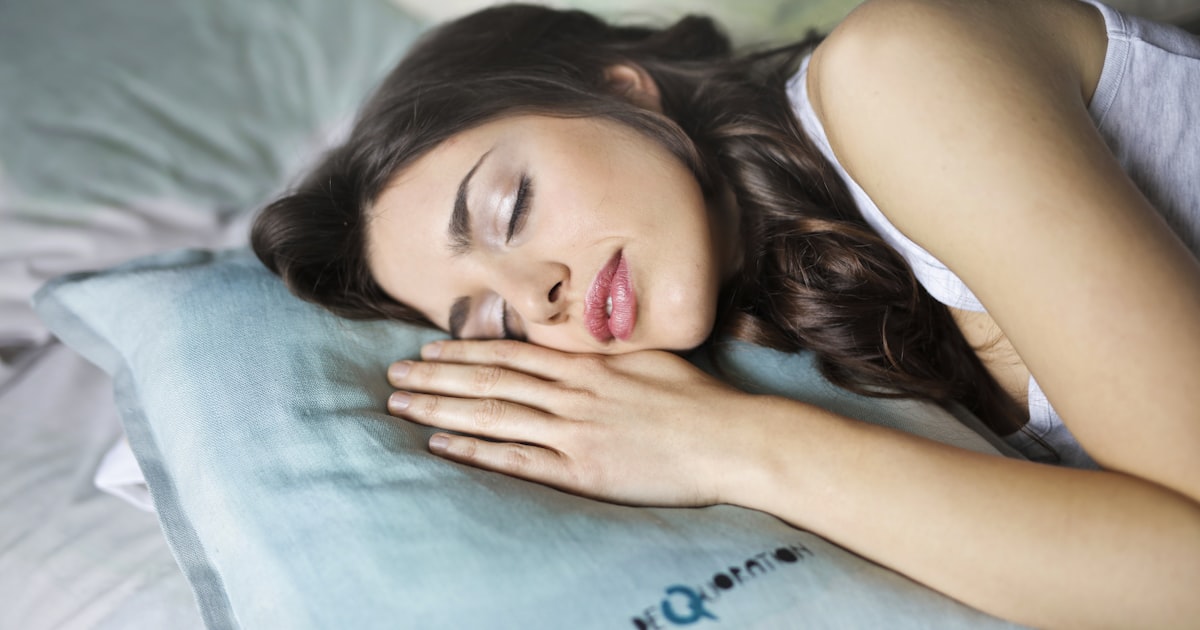
She is 32, works a night shift at a tech company in Bangalore, and by the third day of her rotating schedule, she lies awake at 4 AM staring at her phone. Her mother calls from Hyderabad at 2 PM — she is already exhausted. Her neighbour plays Bollywood music until midnight, her husband snores so loudly she has considered the living room, and her smartphone's WhatsApp notifications ping every 15 minutes. Sleep, for her, has become a luxury reserved for weekends. By the end of the month, she is irritable, her immune system is failing, and her blood pressure has crept up. She visits her doctor, who blames stress and "modern life" — nobody mentions that this is a medical problem.
India has a sleep crisis that is profound, under-acknowledged, and damaging to the health of millions. Research shows that Indians sleep an average of 6.5 hours per night — among the lowest globally — and 30 to 40% of Indians suffer from chronic insomnia or sleep disorders. This includes shift workers in the IT and healthcare sectors, anxious students preparing for competitive exams, parents managing multiple jobs and families, and the elderly struggling with age-related sleep changes. Yet sleep disorders remain largely invisible in India's healthcare system: they are under-diagnosed, under-treated, and misunderstood as simple lifestyle problems rather than medical conditions requiring intervention.
This guide explains the types of sleep disorders affecting Indians, why Indians are sleeping less than ever, how to recognise when poor sleep becomes a medical crisis, what tests are available in India, and what treatment options exist.
Types of Sleep Disorders Common in India
Insomnia: The Most Prevalent Sleep Disorder
Insomnia is the most common sleep disorder in India and worldwide. It is defined as persistent difficulty falling asleep, staying asleep, or waking too early — and it occurs despite adequate opportunity and time for sleep. Critically, insomnia is not simply lying awake; it must be accompanied by daytime dysfunction: fatigue, poor concentration, mood changes, or impaired work or social performance.
Insomnia is classified into two types:
- Primary Insomnia: Sleep problems that are not caused by another medical condition, mental health disorder, or medication. Though less common, some people have a constitutional predisposition to light sleep.
- Secondary Insomnia: Insomnia caused by an underlying condition — depression, anxiety, chronic pain, thyroid disorders, sleep apnoea, or medications like stimulants and certain antidepressants. In India, secondary insomnia is far more common.
Obstructive Sleep Apnoea (OSA): India's Silent Killer
Obstructive Sleep Apnoea is one of India's most underdiagnosed sleep disorders. The condition is characterised by repeated episodes of breathing stops during sleep — sometimes 10, 50, even 100+ times per night. Each episode lasts 10–30 seconds, during which the blood oxygen level drops (hypoxia) and the brain briefly arouses the person, causing sleep fragmentation.
Most people with OSA do not realise they have it. The hallmark symptoms are:
- Loud, persistent snoring — often from a sleeping partner's perspective
- Witnessed apnoeas — a partner observes the patient stop breathing and gasp awake
- Morning headaches — caused by repeated oxygen drops during the night
- Severe daytime sleepiness — regardless of time spent in bed
- Gasping awake or choking sensations — during the night
- Restless sleep — frequent position changes, tossing and turning
- Nocturia — waking multiple times to urinate (very common in India)
Why OSA is a crisis in India: OSA significantly increases the risk of high blood pressure, heart disease, stroke, and sudden death. India's obesity epidemic, combined with a high prevalence of metabolic syndrome and male-dominated smoking rates, creates a perfect storm for undiagnosed sleep apnoea. Studies suggest that 5–15% of Indian adults have clinically significant OSA, yet fewer than 1% have been diagnosed and treated. Many Indian men dismiss snoring as normal, while their partners suffer from severe sleep disruption.
Restless Leg Syndrome (RLS)
Restless Leg Syndrome is a neurological disorder characterised by an irresistible urge to move the legs, usually in the evening or when lying down. The sensation is described as tingling, burning, creeping, or itching deep inside the legs. Movement — walking, stretching, massage — brings temporary relief.
RLS is strongly associated with iron deficiency and low ferritin levels, both extremely common in India due to poor dietary iron intake, vegetarianism, and menstrual blood loss in women. In India, RLS is often mistaken for "leg pain" or anxiety, and the underlying iron deficiency is never addressed. Checking ferritin levels is critical in any Indian patient complaining of leg symptoms at night.
Narcolepsy and Other Rare Sleep Disorders
Narcolepsy is a rare neurological disorder characterised by uncontrollable daytime sleepiness and sudden episodes of muscle weakness (cataplexy), often triggered by strong emotions like laughter or surprise. Sleep paralysis (temporary inability to move while falling asleep or waking) and hypnagogic hallucinations (vivid dreams while still partially awake) are other features.
Narcolepsy is caused by a deficiency of hypocretin (orexin), a brain neurotransmitter that regulates wakefulness. It is rare but often misdiagnosed in India as laziness, depression, or a side effect of medication. Diagnosis requires a polysomnography combined with a Multiple Sleep Latency Test (MSLT), which is available only in major sleep labs.
Other rare disorders include parasomnias (sleepwalking, night terrors, REM sleep behaviour disorder — where patients act out dreams), circadian rhythm disorders, and NREM arousal disorders.
Why Indians Are Not Getting Enough Sleep
Sleep deprivation in India is not accidental — it is structural. Multiple factors conspire to steal sleep from Indian populations:
1. Shift Work and Irregular Sleep Schedules
India's IT sector — one of the world's largest — employs millions of workers on night shifts, rotating shifts, and early mornings to accommodate global time zones. The healthcare sector (nurses, doctors), hospitality, and transportation industries operate 24/7, forcing workers into circadian misalignment. Circadian rhythm disruption — when sleep-wake patterns are out of sync with the body's biological clock — damages metabolic health, immunity, mental health, and increases the risk of almost every chronic disease.
2. Noise Pollution and Environmental Stressors
India's rapidly urbanising cities are relentlessly noisy. Neighbour's construction, music, traffic, barking dogs, and motorcycles at 2 AM are accepted as the cost of city life. Yet noise is a proven sleep disruptor. Even if you don't consciously awaken, loud sounds fragment sleep, reducing the time spent in restorative deep sleep and REM sleep. Rural areas, while quieter, are often hotter, and India's summer heat (which lasts for 4–6 months in much of the country) makes sleep challenging without air conditioning.
3. Phone Use and Blue Light Exposure
WhatsApp, Instagram, YouTube, and gaming apps are designed to be addictive. Indians spend an average of 4–5 hours per day on their phones — and much of this happens in bed. Blue light from screens suppresses melatonin, the hormone that signals sleep. The constant stimulation keeps the mind activated. The habit of "just checking" your phone for "one more message" at 11 PM delays sleep onset by 30–60 minutes. Over weeks and months, this adds up to severe sleep debt.
4. Stress: Work, Family, and Financial Pressure
Indian households frequently experience stress from multiple sources: job insecurity, competitive pressure in education, family expectations, financial strain, relationship conflicts, and health worries. Chronic stress elevates cortisol and adrenaline, which keep the mind alert and the body in "fight or flight" mode — incompatible with sleep. Young professionals report stress-related insomnia as one of their primary sleep problems.
5. Late Dinners and Dietary Habits
Indian eating patterns often include large dinners eaten close to bedtime, sometimes at 9 or 10 PM. Spicy foods, caffeine (chai and coffee consumed until late afternoon), and alcohol (consumed by many as a sleep aid, ironically) all disrupt sleep architecture. Caffeine has a half-life of 5–6 hours, meaning a 4 PM cup of chai can still be in your system at 10 PM.
6. Untreated Mental Health Disorders
Depression and anxiety — affecting millions of Indians — commonly cause insomnia. So do conditions like OCD and PTSD. Yet few Indians connect their sleep problems to their mental health or seek psychiatric care. The result: insomnia goes untreated because the underlying psychiatric disorder is undiagnosed.
7. Undiagnosed Medical Conditions
Hypothyroidism (very common in India, especially women) causes fatigue and sleep disturbance. Hypertension, diabetes, nocturia (frequent urination at night), and chronic pain all disrupt sleep. Many of these conditions are undiagnosed or under-treated in India.
Warning Signs: When Sleep Problems Become a Medical Issue
Not every night of poor sleep is a sleep disorder. Occasional insomnia after a stressful event, a trip, or during exam season is normal. However, if any of the following persist for more than three weeks, you should consult a doctor:
- Difficulty falling asleep more than 3 nights per week, taking longer than 30 minutes to fall asleep
- Waking up in the middle of the night and being unable to fall back asleep
- Waking up too early (5–6 AM) and not being able to sleep again
- Non-restorative sleep — you sleep 8 hours but wake exhausted, as if you slept 4
- Severe daytime sleepiness — falling asleep at work, while driving, or during important activities
- Gasping awake or violent snoring reported by a partner
- Morning headaches — suggests possible sleep apnoea
- Nocturia — waking 2 or more times per night to urinate
- Irritability, mood changes, or anger — disproportionate emotional responses due to poor sleep
- Poor concentration, memory problems, or mistakes at work due to fatigue
- Increased infections — frequent colds, flu — a sign of immune suppression from sleep deprivation
If you have a sleep disorder, your general physician or psychiatrist should be your first contact. Sleep medicine specialists are rare in India — usually available in major cities through AIIMS, Fortis, Apollo, and Max hospitals.
Medical Tests for Sleep Disorders in India
1. Polysomnography (Full Sleep Study)
Polysomnography (PSG) is the gold standard diagnostic test for sleep disorders. The patient spends a night in a sleep lab (usually in a private room resembling a hotel room, though in India some older labs are more clinical). Electrodes are attached to measure:
- Electroencephalogram (EEG): Brain wave activity, which identifies the sleep stages (light sleep, deep sleep, REM sleep)
- Electrooculogram (EOG): Eye movements — REM sleep is identified by rapid eye movements
- Electromyogram (EMG): Muscle activity, including jaw and leg movements
- Electrocardiogram (ECG): Heart rate and rhythm
- Airflow and respiratory effort: Detects apnoeas and hypopnoeas (shallow breathing)
- Pulse oximetry: Oxygen levels in the blood — a drop below 90% is abnormal
- Leg movements: Detects restless leg syndrome or periodic leg movements
A technician monitors the patient throughout the night. The data generates a detailed report showing sleep architecture (how much time in each sleep stage), apnoea-hypopnoea index (AHI, the number of breathing events per hour), oxygen levels, and arousals.
Cost in India: ₹8,000–₹15,000 per night, depending on the city and hospital. Some private insurance plans cover this partially.
Where available: Major sleep labs in Delhi, Bengaluru, Mumbai, Pune, Hyderabad, and Chennai. Many regional hospitals also offer PSG, though quality varies.
2. Home Sleep Apnoea Test (HSAT)
A simpler alternative to PSG, especially for OSA screening, is the Home Sleep Apnoea Test. The patient wears a portable device (usually on the wrist and with a nasal sensor) for one or two nights at home. The device records breathing, oxygen levels, and heart rate, but not brain activity or eye movements.
Advantages: Cheaper, more convenient, can be repeated easily Limitations: Cannot diagnose conditions like narcolepsy or REM sleep behaviour disorder; less accurate for mild cases
Cost in India: ₹2,000–₹5,000 per test Diagnostic criteria: If AHI is 5 or higher, OSA is present. Mild (5–15), moderate (15–30), or severe (>30).
3. Multiple Sleep Latency Test (MSLT)
For suspected narcolepsy, the MSLT measures how quickly a patient falls asleep during four or five 20-minute nap opportunities spread throughout the day. Narcoleptic patients fall asleep very quickly (mean sleep latency <8 minutes) and enter REM sleep within 15 minutes of sleep onset (normal: REM sleep occurs 90 minutes after sleep onset).
Cost in India: ₹3,000–₹8,000 Availability: Limited to major sleep labs in metros
4. Blood Tests to Rule Out Underlying Causes
Sleep problems are often secondary to medical conditions. Standard blood tests recommended for anyone with insomnia or suspected sleep disorder:
| Test | What It Checks | Normal Range | Cost (INR) |
|---|---|---|---|
| TSH (Thyroid Stimulating Hormone) | Hypothyroidism, which causes fatigue and insomnia | 0.4–4.0 mIU/L | ₹200–400 |
| Free T4 | Additional thyroid check if TSH is abnormal | 0.8–1.8 ng/dL | ₹300–500 |
| Ferritin | Iron stores; low ferritin causes RLS and fatigue | 30–300 ng/mL (men), 15–150 (women) | ₹300–600 |
| Haemoglobin (Hb) | Anaemia, which causes fatigue | 13.5–17.5 g/dL (men), 12.0–15.5 (women) | ₹100–300 |
| Vitamin B12 | Deficiency causes fatigue and neurological symptoms | >200 pg/mL | ₹400–700 |
| Vitamin D (25-OH) | Low vitamin D is associated with poor sleep and mood disorders | >30 ng/mL | ₹400–800 |
| Fasting Cortisol (8 AM) | Adrenal dysfunction, which disrupts sleep-wake cycles | 5–25 μg/dL | ₹400–800 |
| Glucose (Fasting) | Diabetes, which disrupts sleep (nocturia, poor sleep quality) | 70–100 mg/dL | ₹100–200 |
| Complete Blood Count (CBC) | Anaemia, infection, inflammation | Varies | ₹200–400 |
Upload your blood test reports to MedicalVault to track results over time and share with your sleep specialist or doctor.
Obstructive Sleep Apnoea in India: The Underdiagnosed Crisis
OSA deserves special attention because it is common, dangerous, and treatable — yet most Indians with OSA do not know they have it.
Who Is at Risk for OSA?
- Obese or overweight individuals — particularly with a high BMI and fat distribution around the neck
- Neck circumference >43 cm (males) or >41 cm (females) — larger neck size narrows the airway
- Male sex — men are 2–3 times more likely to have OSA than women (though women's risk increases after menopause)
- Age >50 years — risk increases with age
- Smoking — damages airway tissues and increases inflammation
- Alcohol use — relaxes the throat muscles, worsening apnoea
- Nasal obstruction — deviated septum, chronic rhinitis, or large nasal polyps
- Large tonsils or uvula
- Family history of OSA — suggests a genetic predisposition
- Hypertension — OSA often coexists with high blood pressure
- Diabetes — very common in India; diabetics have higher OSA rates
In India, the combination of rising obesity rates, high prevalence of metabolic syndrome, and large untreated hypertensive populations creates an OSA epidemic waiting to happen.
Health Consequences of Untreated OSA
Each apnoea episode triggers a brief oxygen drop (hypoxia) and an arousal. Over a night, this happens tens to hundreds of times. The repeated hypoxia and sleep fragmentation cause:
- High blood pressure (resistant to normal medications) — occurs in 50–90% of OSA patients
- Heart disease — increased risk of heart attack and arrhythmias
- Stroke — OSA increases stroke risk significantly
- Sudden cardiac death — particularly during sleep
- Automobile and workplace accidents — due to daytime sleepiness
- Cognitive decline — memory problems, concentration issues
- Metabolic dysfunction — worsens diabetes, increases weight gain
- Erectile dysfunction — common in untreated OSA, improves with CPAP
- Pulmonary hypertension — chronic oxygen deprivation damages the lungs
Treatment of OSA in India
The gold standard is Continuous Positive Airway Pressure (CPAP), a device that gently blows pressurised air into a mask worn over the nose (or nose and mouth), keeping the airway open during sleep. Modern CPAP machines are smaller, quieter, and more comfortable than older models.
CPAP machine costs in India: ₹30,000–₹80,000 for purchase. Rental options (₹1,000–₹2,000 per month) are available in major cities.
Challenges with CPAP in India:
- Initial discomfort and adjustment (the mask feels claustrophobic for many)
- Humidity and heat in Indian summers make the mask uncomfortable
- Cost is significant for many families
- Lack of awareness and trained technicians in smaller cities
- Sleep apnoea clinics are concentrated in metros
Alternatives for those who cannot tolerate CPAP include:
- Oral appliances (mandibular advancement devices) — fitted by a dentist, these move the lower jaw forward, opening the airway. Cost: ₹15,000–₹40,000
- Positional therapy — sleeping on your side instead of your back reduces apnoeas (works for mild-moderate cases)
- Weight loss — even 5–10% weight loss can improve OSA significantly
- Avoiding alcohol and sedatives before bed
Sleep Hygiene: India-Specific Tips
Sleep hygiene refers to habits and environmental factors that promote good sleep. While not a cure for sleep disorders, good sleep hygiene is the first-line intervention and helps even those with insomnia or mild sleep apnoea.
Bedroom Environment
- Cool room temperature: Indian summers make air conditioning essential for sleep. A bedroom temperature of 16–18°C is ideal. If AC is not available, a ceiling fan, open windows (early morning/late evening when cooler), or a bedside fan can help.
- Dark: Use blackout curtains to block street lights and early morning sunlight. Even a small amount of light suppresses melatonin. Avoid a night light; if you need one, use a very dim red light (red light is less disruptive to sleep than blue light).
- Quiet: In noisy neighbourhoods, use earplugs, white noise machines, or apps that play brown noise, rain sounds, or ocean waves. A white noise app on a phone placed outside the bedroom can mask disruptive sounds.
- Comfortable mattress and pillows: Sleep quality depends partly on your sleeping surface. Invest in a decent mattress (₹8,000–₹30,000 for a quality mattress is reasonable).
Sleep Schedule
- Consistent sleep-wake times: Go to bed and wake up at the same time every day, even on weekends. This trains your circadian rhythm. Sleeping in on weekends undoes five nights of adjustment.
- Avoid long naps: If daytime sleepiness is a problem, a short 20–30 minute nap in the early afternoon (1–3 PM) can help, but longer naps disrupt nighttime sleep.
- Plan sleep time based on natural chronotype: Some people (larks) naturally sleep and wake early; others (owls) are late sleepers. Honour your natural rhythm where possible. Night shift workers should maintain consistent sleep times even on days off to stabilise circadian rhythm.
Pre-Sleep Habits
- Reduce screen time 1 hour before bed: No phones, tablets, TV, or laptops. The blue light suppresses melatonin and the content is stimulating. If you must use devices, enable night mode or blue light filters (though these are not perfect substitutes).
- Dim the lights: One hour before bed, reduce ambient light. Use dimmer switches, avoid bright overhead lights, or use reading lamps. This triggers natural melatonin production.
- Avoid caffeine after 2 PM: This includes tea, coffee, and cola. Even "decaffeinated" options often contain some caffeine. Remember that Indian chai (made with cardamom, ginger, spices) is still highly caffeinated.
- Avoid large meals close to bedtime: A large dinner eaten at 9 PM delays sleep onset. Eat your main meal earlier (7–8 PM) and have a light snack (e.g., a banana, a small bowl of yoghurt) if hungry before bed.
- Avoid alcohol as a sleep aid: Alcohol may make you fall asleep initially, but it severely disrupts sleep architecture. You wake more often, spend less time in restorative deep sleep, and often experience vivid nightmares. Avoid alcohol within 4–6 hours of bedtime.
- Limit fluids before bed: This helps reduce nocturia (waking to urinate), a major sleep disruptor in India. Drink most of your water before 6 PM.
Relaxation Techniques
- Meditation or mindfulness: 10–20 minutes of guided meditation before bed helps calm an active mind. Apps like Insight Timer and Headspace have Indian voices and content tailored to Indian stress (work pressure, family expectations).
- Deep breathing (4-7-8 breathing): Inhale for 4 counts, hold for 7, exhale for 8. This activates the parasympathetic nervous system and reduces anxiety.
- Progressive muscle relaxation: Tense and release each muscle group from toes to head. This releases physical tension and helps you notice when your body is tense.
- Warm bath or shower: A warm bath 1–2 hours before bed raises body temperature; as the body cools afterward, it triggers sleepiness.
- Yoga and stretching: Gentle yoga (yin yoga, restorative yoga) or stretching before bed helps release tension. Avoid vigorous exercise close to bedtime.
Exercise and Sunlight Exposure
- Regular aerobic exercise: 150 minutes of moderate exercise per week (e.g., 30 minutes, 5 days a week) significantly improves sleep quality. Exercise should be completed at least 3 hours before bedtime, as post-exercise adrenaline can interfere with sleep.
- Morning sunlight exposure: Get 15–30 minutes of sunlight exposure in the morning (between 6–10 AM). Sunlight resets the circadian rhythm and increases morning alertness, leading to better nighttime sleep.
Treatment Options in India
1. Cognitive Behavioural Therapy for Insomnia (CBT-I)
CBT-I is the most effective, evidence-based, and recommended first-line treatment for insomnia. Unlike sleeping pills, CBT-I addresses the root causes and teaches skills for long-term improvement.
CBT-I includes:
- Sleep restriction therapy: Temporarily reducing time in bed to match actual sleep time, then gradually increasing it. This may mean going to bed later or waking earlier, but it increases "sleep efficiency" (the percentage of time in bed that you actually sleep).
- Stimulus control: Using the bed only for sleep (and intimacy), not for work, eating, or worrying. If you cannot fall asleep within 20 minutes, get up and do a quiet activity elsewhere until you feel sleepy.
- Cognitive restructuring: Identifying and challenging catastrophic thoughts about sleep ("If I don't sleep tonight, I'll fail my presentation tomorrow").
- Sleep hygiene education: Reinforcing the habits described above.
- Relaxation training: Teaching deep breathing, meditation, and progressive muscle relaxation.
Availability and cost in India: ₹1,000–₹3,000 per session with a trained psychologist or psychiatrist. Government hospitals (NIMHANS, AIIMS, medical college OPDs) offer subsidised therapy. CBT-I typically requires 6–8 sessions for benefit.
2. Melatonin and Sleep Medications
Melatonin is an over-the-counter supplement available in India without prescription. It is useful for:
- Jet lag (shifting sleep-wake cycle after travel)
- Shift work sleep disorder
- Delayed sleep phase disorder (sleeping too late)
- Primary insomnia (limited evidence, but some benefit in some people)
Dosage: 0.5–5 mg taken 30–60 minutes before desired sleep time. Start low (0.5 mg) to avoid grogginess. Cost: ₹50–₹200 for a month's supply in India Side effects: Minimal; occasionally headache, dizziness, or nausea
Other sleep medications available in India (prescription-required):
| Medication | Class | Common Use | Cost (₹/month) | Notes |
|---|---|---|---|---|
| Zolpidem (Stilnox) | Z-drug | Short-term insomnia | 100–300 | Quick-acting (15 min), short-lasting (4–6 hrs). Risk of dependence with prolonged use. |
| Alprazolam (Xanax) | Benzodiazepine | Anxiety + insomnia | 50–150 | HIGH dependence risk. Not recommended for regular use. Should only be 2–4 weeks maximum. |
| Clonazepam (Rivotril) | Benzodiazepine | RLS, anxiety, sleep | 30–100 | Longer-acting (8–12 hrs). Often overused in India. Causes morning grogginess and dependence. |
| Trazodone | Antidepressant | Insomnia (especially with depression) | 150–300 | Sedating; causes next-day grogginess. No dependence risk. Off-label use for insomnia. |
| Doxepin (Silenor) | Antidepressant | Insomnia | 200–500 | Low dose (3–6 mg) is sedating; high dose is antidepressant. Rare in India. |
CRITICAL: Benzodiazepines (alprazolam, clonazepam) are vastly overused in India as sleeping pills. They are habit-forming, cause next-day grogginess, impair memory, and lead to dependence within weeks. They should only be used for short-term acute insomnia (2–4 weeks maximum) or anxiety disorders, under strict medical supervision. If you have been taking benzodiazepines nightly for months or years, consult your doctor about slowly tapering them — never stop abruptly, as withdrawal symptoms can be severe.
How Chronic Poor Sleep Damages Your Health
Sleep deprivation is not a minor inconvenience — it is a major health risk. Chronic poor sleep contributes to:
1. Hypertension (High Blood Pressure)
Insufficient sleep (< 7 hours) is an independent risk factor for high blood pressure. Sleep loss increases sympathetic nervous system activity (stress response), raises inflammation markers, and causes salt retention by the kidneys. Indians already have a high burden of hypertension (1 in 4 adults); poor sleep worsens it and reduces the effectiveness of blood pressure medications.
2. Type 2 Diabetes and Metabolic Syndrome
Sleep deprivation impairs insulin secretion and increases insulin resistance. Just one night of poor sleep reduces insulin sensitivity by up to 30%. Chronic sleep loss (< 6 hours nightly) increases the risk of type 2 diabetes by 40–50%. Given that India has the world's largest diabetes burden, this is particularly concerning.
3. Weight Gain and Obesity
Sleep loss disrupts hormones that regulate appetite: ghrelin (hunger hormone) increases and leptin (satiety hormone) decreases. Poor sleepers crave sugary, high-calorie foods. Additionally, sleep deprivation lowers metabolic rate (the number of calories you burn at rest). Over months and years, this leads to significant weight gain.
4. Weakened Immunity
During deep sleep, the immune system produces cytokines and antibodies that fight infection. Chronic sleep deprivation impairs immune function, increasing susceptibility to colds, flu, and other infections. During the COVID-19 pandemic, studies showed that people with poor sleep had worse outcomes if infected.
5. Mental Health Deterioration
Sleep and mood are intimately linked. Insomnia is both a symptom of depression and anxiety and a risk factor for developing them. Poor sleep:
- Increases irritability and emotional reactivity
- Worsens depression and anxiety
- Increases the risk of suicidal thoughts (particularly in adolescents)
- Impairs emotional regulation
- Increases risk of substance misuse (using alcohol or drugs to sleep)
6. Cognitive Decline and Memory Problems
During sleep, the brain consolidates memories, clears toxins (via the glymphatic system), and processes information. Sleep deprivation:
- Impairs concentration and attention
- Reduces memory formation and recall
- Slows reaction time (dangerous for driving)
- Impairs decision-making and increases risky choices
- Increases the risk of cognitive decline and possibly dementia in older adults
7. Cardiovascular Disease and Sudden Death
Chronic poor sleep is a risk factor for heart disease, stroke, and sudden cardiac death. Sleep apnoea, in particular, significantly increases these risks. The mechanisms include:
- Increased blood pressure and heart rate during the night
- Increased inflammation
- Increased blood clotting tendency (hypercoagulability)
- Arrhythmias (irregular heartbeat)
Managing Your Sleep Health Records
If you have been diagnosed with a sleep disorder or suspect you may have one, it is important to keep organised records: sleep study results, blood test reports, medication lists, and consultation summaries from sleep specialists. When changing doctors or relocating, these records ensure continuity of care.
With MedicalVault's secure health record storage, you can upload sleep study reports (polysomnography results, HSAT reports), relevant blood tests (thyroid, ferritin, vitamin D, CBC), and consultation notes in one secure place. The family sharing feature allows you to give your sleep specialist or treating doctor easy access to your complete health history. If you are managing sleep apnoea with CPAP, you can track your nightly usage data and share it with your physician to monitor compliance and effectiveness.
Key Takeaways
- 30–40% of Indians suffer from chronic insomnia or sleep disorders, yet most go undiagnosed and untreated due to stigma, lack of awareness, and limited access to sleep specialists.
- Indians sleep an average of 6.5 hours per night, among the lowest globally. Night shift work, noise pollution, phone addiction, stress, and late dinners are major culprits.
- Obstructive Sleep Apnoea (OSA) is vastly underdiagnosed in India, affecting an estimated 5–15% of adults, particularly those who are overweight or obese. If you snore loudly, have witnessed apnoeas, wake with gasping, or have morning headaches, you should be screened.
- Blood tests (thyroid, ferritin, vitamin B12, vitamin D) can identify medical causes of insomnia or sleep problems. Track these tests on MedicalVault to monitor changes over time.
- Cognitive Behavioural Therapy for Insomnia (CBT-I) is the first-line, most effective treatment for insomnia in India. Available at ₹1,000–₹3,000 per session from trained psychologists.
- Sleep hygiene matters: Cool, dark, quiet bedroom; consistent sleep-wake times; no screens 1 hour before bed; morning sunlight; regular exercise — these simple habits improve sleep quality significantly.
- Melatonin (₹50–₹200/month) is available OTC and helpful for jet lag and shift work. However, benzodiazepines (alprazolam, clonazepam) are dangerously overused in India and should only be used short-term (2–4 weeks maximum).
- CPAP is the gold standard treatment for OSA in India, costing ₹30,000–₹80,000 to buy or ₹1,000–₹2,000/month to rent. Oral appliances (₹15,000–₹40,000) are an alternative.
- Polysomnography (full sleep study) costs ₹8,000–₹15,000 in India and is available in major sleep labs in metros. Home Sleep Apnoea Tests are cheaper (₹2,000–₹5,000) and useful for OSA screening.
- Sleep disorders damage every system in your body: increasing blood pressure, worsening diabetes, causing weight gain, weakening immunity, impairing memory, and increasing the risk of heart disease, stroke, and depression.
- If you suspect you have a sleep disorder, start by discussing symptoms with your general physician or psychiatrist. Polysomnography or home sleep testing should be offered if sleep apnoea is suspected. Insomnia should be treated with CBT-I as the first intervention. Remember: poor sleep is not a character flaw or something you must "just live with" — it is a medical problem with effective treatments.