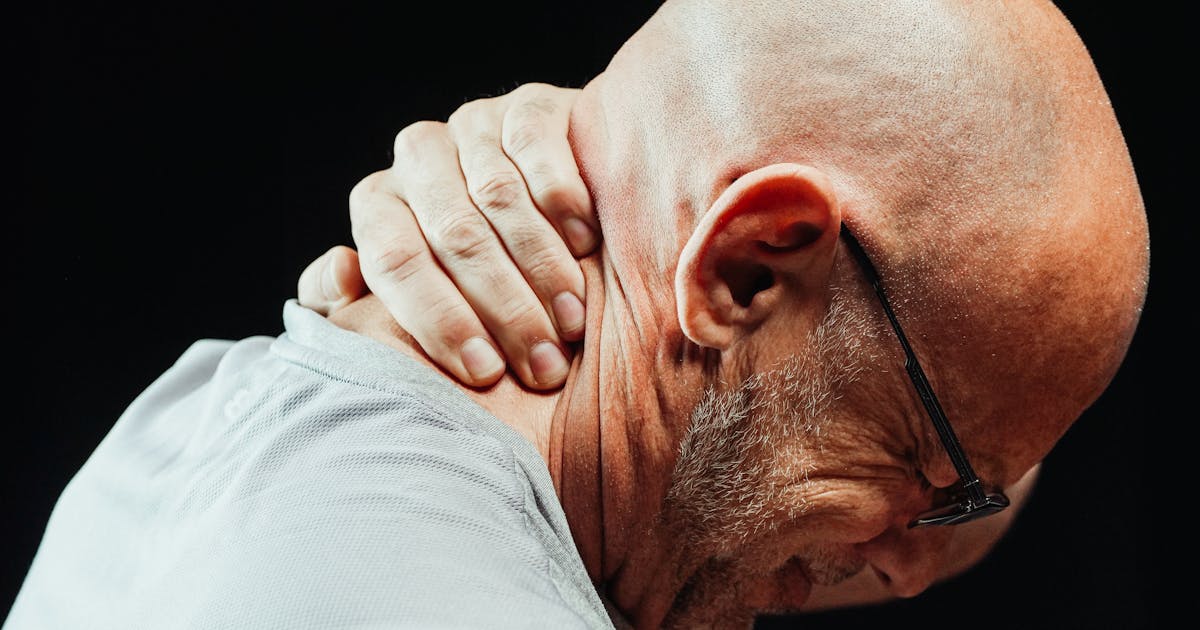
If you had chickenpox as a child — and almost every Indian above 40 has — the virus never actually left your body. The Varicella-Zoster Virus (VZV) retreats into your nerve cells after the chickenpox rash heals and lies dormant for decades. Then, when your immune system weakens with age, illness, or stress, it wakes up. The result is shingles (herpes zoster) — a painful, blistering rash that follows the path of a single nerve, accompanied by burning, stabbing nerve pain that can persist for months or years after the rash clears.
Shingles is not a rare or exotic condition. India records over one million cases of herpes zoster every year, and with a population of 260 million adults above 50 years of age — all of them at risk — this number is only expected to rise. Yet awareness remains low, and many Indians mistake the early pain for a muscle pull, a kidney problem, or even a heart condition, leading to delayed treatment and greater suffering. Here is everything you need to know.
What Is Shingles and Why Does It Happen?
Herpes zoster (shingles) is a reactivation of the Varicella-Zoster Virus — the same virus that causes chickenpox. After a childhood chickenpox infection, VZV travels along nerve fibres to the nerve roots near your spinal cord or brain, where it sits silently for years or decades.
The trigger for reactivation is almost always a weakening of cell-mediated immunity — the part of the immune system that keeps the virus suppressed. This weakening is most commonly caused by:
- Ageing — immune function declines naturally after the age of 50
- Physical or emotional stress — a major illness, surgery, or prolonged stress
- Immunosuppressive medications — steroids, cancer chemotherapy, drugs used after organ transplants
- Chronic illnesses — uncontrolled diabetes, HIV/AIDS, kidney failure
- Cancer — particularly leukaemia and lymphoma
Importantly, you cannot catch shingles from someone else — it comes from your own dormant virus. However, someone with active shingles can transmit chickenpox to a person who has never had chickenpox or been vaccinated, through direct contact with the shingles blisters.
How Common Is Shingles in India?
India's herpes zoster incidence is estimated at 705 cases per million population per year, translating to over one million new cases annually. Among adults over 50, the risk rises sharply — incidence in this age group is three to four times higher than in younger adults.
A seroprevalence study of Indian subjects showed that by age 40, more than 90% of Indians carry VZV in their nervous systems, meaning almost every adult in India is at risk of shingles at some point in their life. The lifetime risk of shingles in an unvaccinated person is approximately 1 in 3.
Despite this burden, shingles is not a notifiable disease in India, which means there is no mandatory reporting, and actual case numbers likely far exceed official estimates.
Recognising Shingles: Symptoms and Stages
Shingles follows a recognisable progression over 2–4 weeks:
Stage 1: Pain Without Rash (Days 1–5)
This is the most confusing phase. The first symptom is usually pain, itching, or tingling on one side of the body or face, typically in a strip-like distribution. The pain can be burning, shooting, stabbing, or electric-shock-like. It is often confused with:
- A muscle spasm or pulled muscle
- Kidney stone pain (if the affected nerve is near the flank)
- Heart attack or angina (if it involves the chest — "pre-eruptive zoster")
- A dental problem (if the face is affected)
Because there is no visible rash yet, the diagnosis is frequently missed at this stage.
Stage 2: Rash and Blisters (Days 3–10)
A red rash appears in the same area where the pain started, following the path of the affected nerve — typically as a band or stripe on one side of the trunk, chest, back, or face. The rash does not cross the midline of the body, which is a diagnostic clue. Within 2–4 days, the red patches develop into clusters of fluid-filled blisters.
Ophthalmic zoster: If the trigeminal nerve (affecting the face, eye, or forehead) is involved, shingles can affect the eye — a condition called Herpes Zoster Ophthalmicus. This is a medical emergency that can cause corneal scarring, glaucoma, and permanent vision loss if not treated promptly. A rash on the tip of the nose (Hutchinson's sign) is a warning that the eye may be involved.
Stage 3: Crusting and Healing (Days 7–14)
The blisters dry out and crust over. The rash usually heals in 2–4 weeks, though some people are left with skin discolouration or scarring.
Stage 4: Post-Herpetic Neuralgia (After rash heals)
This is the most feared complication — pain that persists for months or years after the rash has completely healed. This happens because the virus has damaged the nerve fibres themselves.
Post-Herpetic Neuralgia: India's Underestimated Burden
Post-herpetic neuralgia (PHN) is defined as pain that persists for more than 3 months after the shingles rash heals. It is the most common complication of shingles and affects 10–54% of patients, with rates rising steeply with age. Among patients over 70, nearly half may develop PHN.
The pain of PHN can be:
- Constant burning or aching
- Shooting or stabbing jolts of pain
- Extreme sensitivity — even a light touch from clothing can be agonising (allodynia)
- Itching or crawling sensations
PHN profoundly affects quality of life, causing sleep disturbance, depression, anxiety, and inability to perform daily activities. It is one of the most difficult-to-treat chronic pain conditions in medicine.
Risk factors for PHN in India:
- Age above 60
- Severe rash with many blisters
- Severe pain during the acute shingles phase
- Delay in starting antiviral treatment
- Diabetes (a major risk factor given India's 101 million diabetics)
- Involvement of the eye or face
Treatment: The Critical 72-Hour Window
Early treatment dramatically improves outcomes. If you see a doctor within 72 hours of the rash appearing, antiviral medications can:
- Reduce the severity and duration of pain
- Speed rash healing
- Lower the risk of post-herpetic neuralgia
The three antiviral options used in India are:
| Antiviral | Dose | Duration | Notes |
|---|---|---|---|
| Acyclovir (Zovirax, Virolex) | 800 mg, 5 times daily | 7 days | Older drug, widely available and affordable in India |
| Valacyclovir (Valcivir) | 1000 mg, 3 times daily | 7 days | Better absorbed, fewer doses per day |
| Famciclovir | 500 mg, 3 times daily | 7 days | Less commonly prescribed in India |
Pain management alongside antivirals:
- Paracetamol or NSAIDs for mild pain
- Gabapentin (Gabapin, Neurontin) or pregabalin (Lyrica) for nerve pain — these are prescription medications, always consult your doctor
- Tricyclic antidepressants (amitriptyline) in low doses can help PHN pain
- Lidocaine patches (prescription only) for localised PHN
Do not apply calamine or any cream to open blisters without medical advice. Keep the rash area clean and dry. Loose, cotton clothing reduces friction and pain.
When to go to a hospital immediately:
- Rash near the eye (any part of the forehead, eyelid, or tip of the nose)
- Widespread rash suggesting generalised herpes zoster (in immunocompromised patients)
- Rash involving the ear with hearing loss or facial paralysis (Ramsay Hunt syndrome)
- High fever, confusion, or stiff neck
Shingles in Diabetic Patients: Extra Caution Needed
India has more than 101 million people with diabetes, and diabetes significantly raises shingles risk. Poorly controlled blood sugar weakens immune function, making viral reactivation more likely. Diabetic patients with shingles are also at higher risk of:
- More severe and widespread rash
- Bacterial superinfection of the skin
- Higher rates of PHN
- Slower wound healing
If you have diabetes and develop shingles, see a doctor promptly — do not try to manage it at home. Monitoring your blood glucose more closely during the illness is also important, as infections can destabilise sugar control.
If you manage a diabetic family member's health, use MedicalVault's trend analysis to keep track of HbA1c trends, blood sugar readings, and relevant test results — all in one place — so your doctor has a complete picture during any acute illness.
The Shingrix Vaccine: Prevention Is Now Possible
In April 2023, GSK launched Shingrix (Recombinant Zoster Vaccine, RZV) in India — a landmark development in the prevention of shingles and post-herpetic neuralgia. Unlike older live-attenuated shingles vaccines, Shingrix is a non-live, recombinant, adjuvanted vaccine, which means it can be used even in people with weakened immune systems.
Efficacy of Shingrix:
- Over 90% effective at preventing shingles in adults aged 50–69
- Over 89% effective at preventing shingles in adults aged 70 and above
- Over 88% effective at preventing post-herpetic neuralgia
- Protection remains robust for at least 7 years after vaccination
Who should get Shingrix in India:
| Group | Recommendation |
|---|---|
| Adults aged 50 and above | Strongly recommended, regardless of history of chickenpox or previous shingles |
| Adults aged 18+ who are immunocompromised | Recommended (consult doctor) |
| People who have had shingles before | Still recommended — reactivation can occur again |
| People who received older shingles vaccine (Zostavax) | Can still get Shingrix for superior protection |
Shingrix schedule:
- 2 intramuscular doses, given 2–6 months apart
- Available at private hospitals, vaccination centres, and through home vaccination services like INVC
Cost in India: Approximately ₹8,000–₹12,000 per dose, making the full course ₹16,000–₹24,000. It is not currently covered under any government programme.
Common side effects: Pain and redness at the injection site, fatigue, muscle pain, headache, and shivering for 1–2 days after each dose. These are signs the immune system is responding and typically resolve quickly.
Can You Get Shingles More Than Once?
Yes. Unlike what many people believe, having shingles once does not protect you from future episodes. Studies have shown that about 5–6% of people experience a second or even third episode of shingles. The same risk factors apply: age, immune suppression, and diabetes.
This is another reason why vaccination is recommended even after a prior episode of shingles — though most doctors advise waiting at least 12 months after the shingles has resolved before getting vaccinated.
Keeping Your Health Records in Order
After a shingles diagnosis and treatment, several follow-up checks may be recommended — particularly in older or diabetic patients:
- Monitoring of nerve pain (PHN) management
- Eye pressure checks if ocular zoster was involved
- Blood glucose monitoring in diabetic patients
- Antiviral course completion
Having all these records in one place — lab results, consultation notes, medication history — makes follow-up care smoother. Upload your reports to MedicalVault and use the family sharing feature to keep family members coordinated, especially when caring for elderly parents who may have had shingles.
Shingles vs. Other Rashes: How to Tell the Difference
| Feature | Shingles | Chickenpox | Impetigo | Contact Dermatitis |
|---|---|---|---|---|
| Distribution | One side of body, nerve-following strip | Widespread, both sides | Usually face, hands | Area of contact |
| Pain | Severe burning/nerve pain | Mild itch | Minimal pain | Itch and burning |
| Blisters | Cluster on red base | Multiple crops | Honey-crusted sores | Small vesicles |
| Fever | Possible | Yes, common | Usually no | No |
| Who gets it | Adults with prior VZV | Children (unvaccinated) | Any age | Any age |
Key Takeaways
- Shingles is caused by the reactivation of the Varicella-Zoster Virus (VZV) — the same virus responsible for chickenpox — and affects over one million Indians every year
- The hallmark is a painful, one-sided stripe of blisters following a nerve path; early pain before the rash appears is commonly misdiagnosed
- Start antiviral treatment within 72 hours of the rash — acyclovir or valacyclovir significantly reduce severity and the risk of post-herpetic neuralgia
- Post-herpetic neuralgia affects up to 54% of older shingles patients and can cause debilitating pain for months or years
- Diabetics and those over 60 are at highest risk — prompt treatment is especially critical for these groups
- The Shingrix vaccine (launched in India in 2023) provides over 90% protection against shingles and is recommended for all adults aged 50 and above
- Use MedicalVault's family health records to track elderly family members' vaccination status, lab results, and follow-up care in one secure location