When news broke in January 2026 that two nurses in West Bengal's North 24 Parganas district had tested positive for Nipah virus, airports across Southeast Asia quietly stepped up screening. Schools in the district were put on alert. Over 190 contacts were traced and tested. For Indians living through yet another Nipah scare — the third outbreak in West Bengal alone — the question is no longer "what is Nipah?" but "how do I protect my family?"
Nipah virus is not new to India. Since 2001, the country has faced repeated outbreaks — in Siliguri, Nadia, and most persistently in Kerala, which reported nine separate outbreaks between 2018 and 2025. The case fatality rate sits between 40% and 75%, making it one of the most dangerous pathogens India regularly encounters. And yet, most people do not know how it spreads, what early symptoms look like, or what simple precautions can protect a family during an outbreak.
This guide is for Indian families living in outbreak-prone states — and for anyone who wants to understand what Nipah actually is before the next headline appears.
What is Nipah Virus?
Nipah virus (NiV) is a zoonotic pathogen — meaning it lives in animals and can jump to humans under the right conditions. It belongs to the Paramyxoviridae family and was first identified during a 1999 outbreak in Nipah village, Malaysia, where it killed 105 people and forced the culling of over 10 lakh pigs.
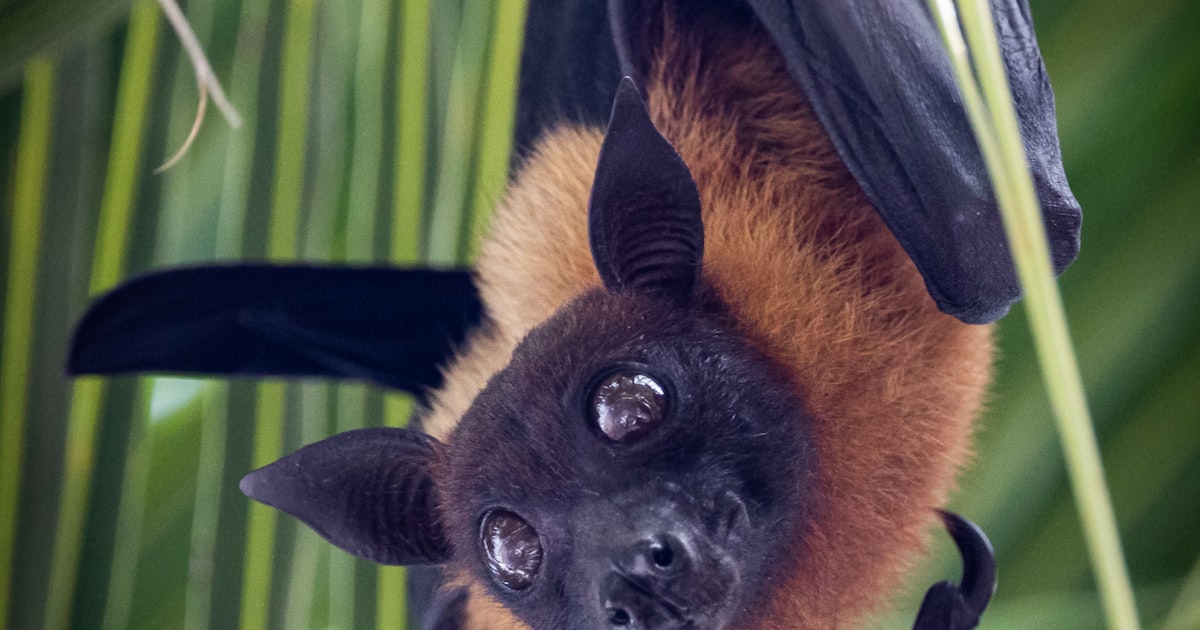
The natural reservoir — the animal species that carries the virus without getting sick — is the Pteropus fruit bat, also called the flying fox. These large bats are common across South and Southeast Asia, including large parts of India.
What makes Nipah particularly dangerous is its combination of traits: a high case fatality rate, the ability to spread from human to human (unlike many zoonotic diseases), and no approved vaccine or specific treatment. The WHO lists Nipah as a priority pathogen that poses a significant risk of a global health emergency — the same category as Ebola and SARS.
India's History with Nipah Outbreaks
India has one of the world's longest documented histories with Nipah, and the pattern of outbreaks reveals important clues about how and where the virus strikes.
West Bengal (2001, 2007, 2026)
India's first Nipah outbreak occurred in Siliguri, West Bengal in 2001, infecting 66 people and killing 45 — a staggering case fatality rate of 68%. The 2007 outbreak in Nadia district was smaller (five cases, five deaths). In January 2026, the third West Bengal outbreak was confirmed in North 24 Parganas — this time involving two healthcare workers, both of whom survived after early intensive care.
Epidemiological link: In Bangladesh and West Bengal outbreaks, the primary mode of transmission has been consumption of raw date palm sap (khejurer rosh) contaminated by infected bats. This drink, harvested from date palm trees in rural West Bengal, is a seasonal winter delicacy — and a critical public health risk when bats visit collection pots overnight.
Kerala (2018, 2019, 2021, 2023, and beyond)
Kerala's Nipah story is different from West Bengal's. The 2018 Kozhikode outbreak killed 17 of 19 people infected — and was the first confirmed Nipah outbreak in South India. Unlike West Bengal, Kerala's outbreaks have been linked primarily to contact with infected bats or bat-contaminated fruit rather than date palm sap.
Since 2018, Kerala's health system has developed one of the most effective rapid-response protocols for Nipah in the world — with detailed contact tracing algorithms, dedicated isolation units, and a playbook the state updates after every outbreak. The 2023 Kerala outbreak saw the use of Remdesivir (an antiviral) as an experimental treatment, which is believed to have contributed to improved survival rates compared to prior outbreaks.
How Nipah Spreads: The Three Routes
Understanding transmission is the single most practical thing an Indian family can do, because the precautions directly follow from knowing the routes.
Route 1: Bat-to-Human (the primary spark)
Fruit bats shed the virus in their saliva, urine, and faecal matter. Humans become infected when they:
- Drink raw date palm sap (khejurer rosh) that bats have contaminated overnight — the single biggest risk factor in West Bengal and Bangladesh outbreaks
- Eat partially eaten fruit (mangoes, guavas, lychees) that bats have bitten or contaminated
- Come into direct contact with bat saliva, urine, or blood (common in cave explorers, farmers, and people handling fallen fruit in orchards)
Seasonal pattern: Outbreaks peak between December and May, which coincides with the date palm sap harvest season in West Bengal. This is not a coincidence — the sap collectors tie clay pots to the tree at night, and bats regularly drink from them, leaving the virus behind.
Route 2: Animal-to-Human (less common in India)
The 1999 Malaysia outbreak was driven by pig-to-human transmission on pig farms. India has no documented pig-driven Nipah outbreak, but contact with infected animals — including domestic animals that may have consumed contaminated fruit — is theoretically possible.
Route 3: Human-to-Human
This is what makes Nipah particularly dangerous during healthcare settings. Person-to-person transmission occurs through close contact with the bodily fluids of an infected individual — sweat, saliva, blood, urine, or respiratory secretions.
- In West Bengal's 2001 outbreak, a significant proportion of infections occurred in healthcare workers at Siliguri Medical College — a pattern repeated in 2026 with both confirmed cases being nurses
- Family members providing close caregiving to severely ill patients are also at risk
- The virus does not spread through casual contact or airborne transmission (unlike COVID-19 or influenza)
The good news: Nipah's human-to-human transmission requires close, direct contact. It does not spread easily in public spaces, public transport, or through surface contact alone.
Recognising Nipah Symptoms: What to Watch For
The insidious challenge with Nipah is that its early symptoms are indistinguishable from dozens of other viral illnesses common in India — dengue, typhoid, viral encephalitis, and severe influenza all present similarly. Knowing the progression matters.
Early Stage (Days 1-5)
- High fever (often 38-40°C / 100-104°F)
- Intense headache — often severe and persistent
- Muscle aches and body pain (myalgia)
- Nausea and vomiting
- Sore throat in some cases
- Fatigue and weakness disproportionate to the fever
At this stage, Nipah is essentially indistinguishable from a bad viral fever. This is both the danger (patients and doctors may not recognise it) and the opportunity (early identification and isolation can prevent further spread).
Severe Stage (Days 3-14)
- Drowsiness and confusion — the first signs of brain involvement
- Dizziness and disorientation
- Altered mental status — inability to remember, follow conversations, or respond normally
- Seizures — particularly alarming in children
- Respiratory distress — breathlessness, chest tightness, rapid breathing
- Coma — can develop within 24 to 48 hours of neurological symptoms appearing
Nipah encephalitis — inflammation of the brain — is the hallmark of severe disease. It is this rapid progression from confusion to coma that makes Nipah so deadly.
Warning Signs: Go to Hospital Immediately
If someone in an outbreak-affected area or with potential Nipah exposure develops:
- New confusion or altered behaviour
- Difficulty staying awake or responding
- Seizures or convulsions
- Breathing difficulty alongside a high fever
- High fever with severe headache after drinking date palm sap or visiting a known outbreak area
Do not wait. Call your state's disease helpline or go directly to the nearest government hospital. Early intensive care can genuinely improve survival.
How Nipah is Diagnosed in India
There is no bedside rapid test for Nipah the way there is for malaria or dengue. Diagnosis requires laboratory testing, typically at reference facilities.
RT-PCR Testing
Real-time reverse transcriptase PCR (RT-PCR) is the primary diagnostic test. It can detect Nipah virus RNA in:
- Throat/nasal swabs (early in illness)
- Blood (during the febrile phase)
- Cerebrospinal fluid (CSF) — obtained via a lumbar puncture (spinal tap), particularly when encephalitis is suspected
- Urine (later in illness)
India's National Institute of Virology (NIV) in Pune and select ICMR laboratories are authorised to conduct Nipah PCR testing. State reference laboratories in Kerala (following their extensive experience) also have testing capability.
ELISA Antibody Testing
Enzyme-linked immunosorbent assay (ELISA) detects antibodies (IgM and IgG) to Nipah virus in the blood. This is useful:
- In survivors, to confirm past infection
- In contact investigations
- Later in the illness, when viral RNA loads in blood may be declining
What Happens Clinically
If a doctor suspects Nipah — based on symptoms plus epidemiological context (residence in an outbreak area, history of consuming raw date palm sap, or contact with a confirmed case) — the patient will typically be:
- Isolated immediately, with contact and droplet precautions
- Samples collected and sent to a designated reference laboratory
- Managed with intensive supportive care while results are awaited
- Contact traced — all close contacts (family members, healthcare workers who treated the patient) will be identified and monitored for 21 days (the maximum incubation period)
Treatment: What India's Hospitals Do
There is no approved antiviral drug or vaccine for Nipah virus. Management is entirely supportive — meaning doctors treat each complication as it develops:
- Oxygen and respiratory support for breathing difficulties
- Antiepileptic medications for seizures
- IV fluids and electrolyte management
- Intensive care monitoring for patients with encephalitis
Remdesivir: India's Experimental Experience
During the 2023 Kerala outbreak, treating physicians used Remdesivir (the same antiviral used experimentally during COVID-19) under compassionate use protocols. While the evidence remains preliminary, the improved case fatality rate compared to prior Kerala outbreaks has generated cautious optimism. A monoclonal antibody (m102.4) has also been used under compassionate use in Australia and Malaysia, and India's ICMR has been in discussions to make it available during outbreaks.
Key message for patients and families: If a family member is being treated for suspected Nipah, do not self-medicate, do not discharge the patient early, and follow isolation protocols strictly. The primary way families can help is by cooperating fully with contact tracing and quarantine measures.
Protecting Your Family: Practical Prevention
Given that there is no vaccine, behavioural and environmental precautions are the only protection available today.
In West Bengal and Date Palm Sap Regions
- Do not drink raw date palm sap (khejurer rosh) — especially from open collection pots left overnight. If you must drink it, boil it first.
- If you tap date palms or manage orchards, use bamboo sap skirts (protective covers over the collection pot) to prevent bat access.
- Avoid consuming partially eaten fruits found on the ground in orchards or under trees where bats roost.
General Prevention for All Indians
- Wash all fruit thoroughly — scrub the skin under running water and peel before eating, especially fruit that could have bat contact (guavas, mangoes, lychees, figs).
- Do not handle sick or dead bats without protective gear. If you find a dead bat, inform your local municipality or forest department.
- If you live near bat roosting sites (large fruit trees, caves, old buildings), be especially vigilant about fruit hygiene.
During a Declared Outbreak
- Avoid visits to hospitals treating Nipah patients unless absolutely necessary
- If you must provide care to an ill family member at home (before hospitalisation), use a surgical mask, gloves, and wash hands thoroughly with soap and water
- Inform your doctor immediately if you or a family member develops fever after potential Nipah exposure
- Follow all contact tracing protocols — do not avoid health workers or deny contact history. Contact tracing exists to protect you.
For Healthcare Workers
Nipah has a particular history of infecting healthcare workers in India. If you are a nurse, doctor, or ward attendant in a hospital treating suspected Nipah cases:
- Use full Personal Protective Equipment (PPE) — gloves, gown, N95 mask, and eye protection
- Follow standard, contact, and droplet precautions as issued by the NCDC
- Report any fever or symptoms to occupational health immediately after potential exposure
India's Nipah Preparedness: What the Government Has Done
Following the 2018 Kerala outbreak, India has significantly strengthened its Nipah preparedness:
- ICMR surveillance network monitors respiratory illness clusters in states with bat populations
- NCDC (National Centre for Disease Control) issues real-time outbreak alerts and clinical guidelines
- Kerala has a dedicated Nipah response protocol — with pre-designated isolation hospitals, rapid response teams, and a community health worker network trained in contact tracing
- India maintains a stockpile of m102.4 monoclonal antibody for use during declared outbreaks
- Airport screening in major Indian cities activates during outbreak periods
The January 2026 West Bengal outbreak was contained rapidly — over 190 contacts were tested within days, and no secondary cases were confirmed beyond the initial two. This represents a significant improvement over the 2001 Siliguri outbreak, where the response was slower and the case count far higher.
Tracking Your Family's Health During Outbreak Seasons
One of the most useful things an Indian family can do during Nipah season (December–May in West Bengal, year-round in Kerala) is maintain a clear record of everyone's health. If a family member develops a fever during an outbreak period, having a documented log of symptoms with timestamps — when the fever started, what medications were given, any recent exposures — can significantly help healthcare workers make faster decisions.
MedicalVault's health tracking features allow you to log fever patterns, upload test results as they come in, and share a family member's complete health record with treating physicians instantly — eliminating the chaos of searching for paper reports in an emergency. During an acute illness where hours matter, having organised records can make a meaningful difference.
You can also use MedicalVault to store and share records across family members — particularly useful when an elderly parent in West Bengal is being monitored and their children are managing the situation remotely from another city. The family sharing feature was designed precisely for these situations.
Key Takeaways
- Nipah virus is a recurring threat in India, with outbreaks documented in West Bengal (2001, 2007, 2026) and Kerala repeatedly since 2018. It is not going away.
- The case fatality rate of 40-75% makes Nipah one of the most dangerous pathogens India regularly confronts — significantly more lethal than dengue, malaria, or COVID-19.
- In West Bengal and Bangladesh, the biggest risk factor is drinking raw date palm sap (khejurer rosh) contaminated by fruit bats. Boiling it completely eliminates this risk.
- Early symptoms — fever, headache, muscle pain — are non-specific. The warning sign is confusion or altered consciousness in someone with potential Nipah exposure, which requires immediate hospitalisation.
- There is no approved vaccine or specific treatment. Early intensive supportive care and strict isolation are the cornerstones of management.
- Human-to-human transmission requires close, direct contact — healthcare workers and caregivers in close contact with infected patients are at highest risk.
- Prevention is entirely behavioural: washing fruit, avoiding raw date palm sap, and following contact tracing protocols during outbreaks.
- If you live in a Nipah-endemic region, keeping your family's health records organised and accessible on MedicalVault can save critical time during a medical emergency.
For official guidance during an active Nipah outbreak, consult the National Centre for Disease Control (NCDC) or call your state's health helpline. If you or a family member develops fever with neurological symptoms after potential Nipah exposure, seek emergency medical care immediately — do not wait.