Every year, millions of Indians living in low-lying plains, coastal districts, and urban slums wake up to find their limbs inexplicably swollen — and have no idea why. Husbands quietly struggle with painful swelling in the groin. Farmers in Bihar, Uttar Pradesh, and Odisha carry the disfiguring legacy of lymphatic filariasis (locally called filaria or hathipaon) as a silent inheritance passed down through generations of mosquito bites. India bears the highest burden of this disease anywhere on earth — 404 million people at risk, and over 6.2 lakh active cases of swollen limbs — yet most Indians have never heard of it. With the Government of India running an urgent national campaign to eliminate filariasis by 2027, now is the time to understand this ancient, preventable disease.
What Is Lymphatic Filariasis (Filaria)?
Lymphatic filariasis (LF) is a parasitic infection caused by microscopic, thread-like worms — predominantly Wuchereria bancrofti in India (responsible for over 99% of Indian cases) — that live and reproduce inside the human lymphatic system. The lymphatic system is the body's drainage network: it removes waste, maintains fluid balance, and helps fight infection. When filarial worms take up residence in the lymph nodes and lymph vessels, they cause chronic, progressive damage that eventually leads to the dramatic, disabling swellings the disease is known for.
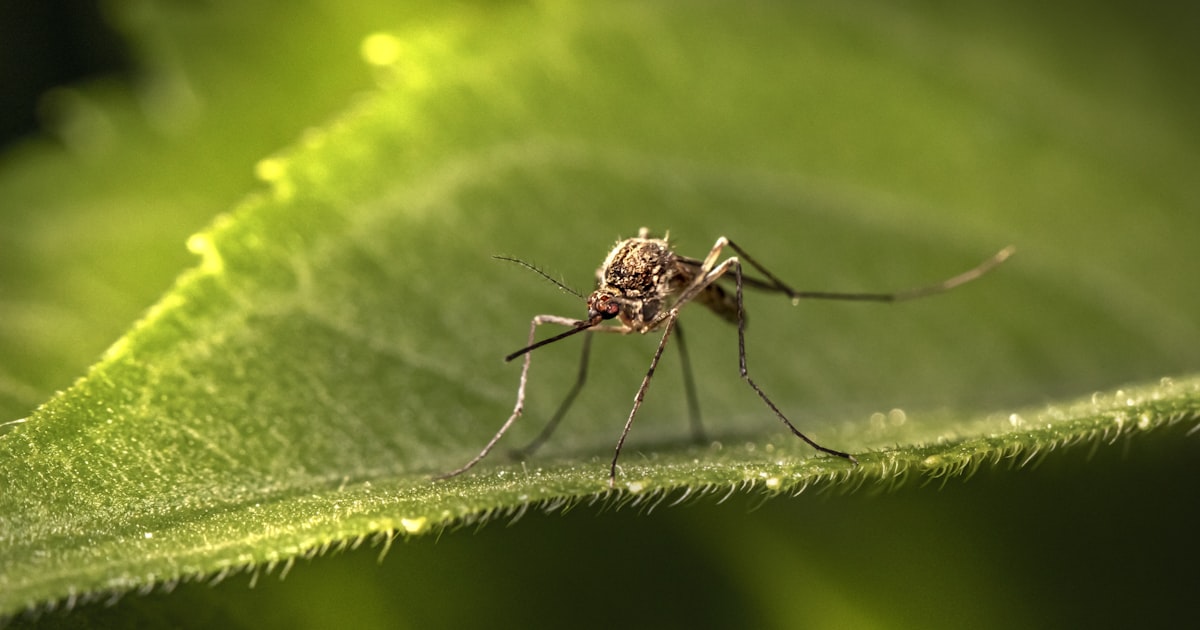
Critically, filariasis is not contagious from person to person. The only way to get it is through the bite of an infected mosquito — primarily Culex quinquefasciatus, the common night-biting mosquito that breeds in stagnant, dirty water: open drains, septic tanks, waterlogged fields, and urban puddles. This is exactly why the disease disproportionately affects communities with poor sanitation and overcrowded housing.
The adult worms can live inside the lymphatics for 10–15 years, releasing millions of microscopic larvae (microfilariae) into the bloodstream — mostly at night, which is why blood samples for filarial diagnosis must be collected between 10 pm and 2 am.
India's Filariasis Burden: Why It Matters
India's numbers are staggering. The country accounts for approximately 62% of the global at-risk population for lymphatic filariasis — around 40.4 crore people spread across 20 states and Union Territories. As of 2024:
| Statistic | Number |
|---|---|
| Districts with active filariasis | 348 across 20 states/UTs |
| People with lymphoedema (leg/arm swelling) | 6.20 lakh (620,000) |
| People with hydrocele (scrotal swelling) | 1.21 lakh (121,000) |
| People at risk from transmission | ~40 crore |
The most affected states include Uttar Pradesh, Bihar, Jharkhand, West Bengal, Odisha, Andhra Pradesh, Telangana, Maharashtra, Kerala, Tamil Nadu, and Assam. Many of these are densely populated states where inadequate sewage infrastructure makes mosquito breeding near-impossible to control.
The Government of India has committed to eliminating filariasis as a public health problem by 2027 — three years ahead of the global Sustainable Development Goal target of 2030. A massive nationwide Mass Drug Administration (MDA) campaign involving 12 states and 124 districts was launched in February 2026, targeting 21 crore people with free preventive medicine.
How Filariasis Spreads and Progresses
The Mosquito-to-Human Transmission Cycle
- An infected Culex mosquito bites a person and deposits third-stage filarial larvae (L3) into the skin.
- The larvae migrate to the lymph vessels and nodes.
- Over 6–12 months, they mature into adult male and female worms.
- Female worms release millions of microfilariae into the blood (appearing mainly between 10 pm and 2 am, in "nocturnal periodicity").
- A new mosquito bites the infected person, picks up microfilariae, and transmits them to the next person.
The entire cycle means that in highly endemic communities, a single infected individual can continue to fuel transmission for more than a decade without treatment.
Stages of Filariasis
Most people infected with filarial worms will never show symptoms — this is the "asymptomatic microfilaraemic" stage. Yet even without symptoms, their lymphatic system suffers slow, cumulative damage. This is why MDA campaigns — which treat everyone in an affected community, not just the sick — are so important.
When symptoms do appear, they typically progress through recognisable stages:
Stage 1: Filarial Fever (Adenolymphangitis — ADL) Recurring episodes of high fever (38–40°C), chills, and swelling/tenderness along the course of lymph vessels and nodes. This is an acute inflammatory response. Each episode causes further damage to the lymphatics. Episodes typically last 3–7 days and can be mistaken for cellulitis or simple fever.
Stage 2: Lymphoedema Progressive, non-pitting swelling of the limbs — most commonly the legs, but also the arms, breasts, or genitalia. In early stages, the swelling goes down after resting with the limb elevated. With repeated attacks, the swelling becomes permanent (chronic lymphoedema).
Stage 3: Elephantiasis Advanced, irreversible swelling with skin changes — thickening, hardening, and warty overgrowth of the skin, giving the characteristic "elephant skin" appearance (hathipaon in Hindi). The limb can become enormously enlarged, causing profound disability. In men, hydrocele — fluid accumulation around the testes causing painful scrotal swelling — is another common end-stage complication.
Tropical Pulmonary Eosinophilia (TPE) A less common but serious form where microfilariae lodge in the lungs, causing severe cough, breathlessness, and wheezing — often misdiagnosed as asthma or tuberculosis. Without treatment, TPE causes progressive lung damage (interstitial fibrosis).
Recognising Filariasis: Symptoms and Warning Signs
Common Symptoms
- Recurrent episodes of fever with redness, warmth, and swelling in a limb (ADL attacks) — often mistaken for a simple infection
- Painless or mildly painful swelling of a leg, arm, breast, or scrotum that worsens over months to years
- Swollen lymph nodes in the groin or armpit
- Persistent cough and breathlessness (in TPE variant)
- Chyluria — milky white urine caused by lymph entering the urinary tract (less common, more common in north India)
When to Suspect Filariasis
If you live in or have recently visited a filariasis-endemic district and experience recurring, unexplained swelling of a limb — especially if accompanied by episodes of fever — consult a doctor immediately. The longer diagnosis is delayed, the more permanent the damage to the lymphatic system.
Diagnosis: How Filariasis Is Detected
Several tests can confirm or rule out filariasis:
| Test | What It Detects | When to Collect | Availability |
|---|---|---|---|
| Night Blood Smear | Microfilariae under microscope | 10 pm – 2 am | Government hospitals |
| Filariasis Test Strip (FTS) | Circulating filarial antigen (CFA) — W. bancrofti | Any time of day | Increasing availability |
| ICT Card Test | CFA antigen — rapid card format | Any time | District-level labs |
| ELISA / IgG4 antibody | Antibodies to filarial antigens | Any time | Reference labs |
| Ultrasound (scrotal) | Adult worms in lymph vessels — "filarial dance sign" | — | Radiology departments |
The Filariasis Test Strip (FTS) is the WHO-recommended rapid diagnostic test and is the test used in India's national surveillance programme. Unlike the older night blood smear, the FTS can be performed at any time of day and does not require microscopy.
At quality diagnostic chains like SRL Diagnostics, Thyrocare, or Dr. Lal PathLabs, antigen and antibody tests are available; costs typically range from ₹300–₹800. After your diagnosis, you can upload your reports to MedicalVault to keep all test results organised and track any changes over time alongside your other family members' records.
Treatment: Can Filariasis Be Cured?
Anti-Filarial Medicines
The current treatment landscape for filariasis includes three drugs used in combination:
- Diethylcarbamazine Citrate (DEC): The cornerstone drug; kills microfilariae effectively and has moderate action on adult worms.
- Albendazole: Kills microfilariae and has some activity against adult worms.
- Ivermectin: Added in endemic areas to improve coverage (now part of the IDA — Ivermectin, DEC, Albendazole — triple-drug regimen used in India's MDA campaign).
A single annual dose of DEC + Albendazole (two-drug regimen) or the IDA triple-drug regimen under the national MDA programme dramatically reduces microfilaria levels and interrupts transmission. These drugs are free and distributed by ASHA workers and government health centres in endemic districts.
Important: These drugs do NOT reverse established lymphoedema or elephantiasis — they prevent further progression and interrupt transmission. Established lymphoedema requires ongoing management (see below).
Managing Lymphoedema — Morbidity Management
For people who already have chronic swelling:
- Hygiene and wound care: Daily washing of the affected limb with soap and water, careful drying, and antifungal treatment to prevent secondary bacterial/fungal infections that trigger ADL attacks.
- Elevation and exercise: Elevating the limb at rest and specific limb exercises improve lymph drainage. These are taught at government MMDP (Morbidity Management and Disability Prevention) clinics.
- Compression bandaging: Under medical guidance, to reduce chronic oedema.
- Surgery: Hydrocele is treated surgically (hydrocelectomy) with very good outcomes. Surgery for limb lymphoedema is generally less successful.
Patients with filariasis can use MedicalVault's family sharing feature to help elderly or disabled family members keep their treatment records organised and share them with specialists across different hospitals — particularly important for a disease requiring long-term, multi-specialist care.
Prevention: Your Role in the Elimination Campaign
Preventing filariasis is straightforward at the individual and community level:
Personal Protection
- Mosquito nets: Use long-lasting insecticidal nets (LLINs) — available free from government health centres in endemic areas.
- Repellents and full clothing: Wear full-sleeved clothes and use mosquito repellent creams/coils after dusk (when Culex mosquitoes are most active).
- Eliminate breeding sites: Drain stagnant water from containers, pots, coolers, and drains around your home. Culex breeds in foul, stagnant water — keeping drains clear is as important as using nets.
Take Your MDA Medicines
The single most powerful action any person in an endemic district can take is to take their free annual MDA tablet when the campaign comes to their area. In February 2026, campaigns ran in 124 districts across 12 states. If you missed it:
- Visit your nearest government PHC or CHC
- Ask the ASHA worker in your area
The medicines are safe for most adults and children above 2 years. Those who should NOT take MDA medicines: pregnant women, children under 2, and people with serious illness — consult your doctor.
Community-Level Action
- Report mosquito breeding sites to municipal authorities
- Support your local ASHA workers in conducting MDA
- Spread awareness — the stigma around lymphoedema and hydrocele prevents people from seeking timely treatment
Key Takeaways
- India carries the world's highest filariasis burden — 40 crore people at risk across 348 districts in 20 states; the most affected states include UP, Bihar, Odisha, and West Bengal.
- Filariasis is spread only by mosquito bites — specifically night-biting Culex mosquitoes breeding in stagnant, dirty water. It is not contagious person to person.
- Most infected people have no symptoms — but the lymphatic damage accumulates silently over years, leading eventually to lymphoedema, hydrocele, or tropical pulmonary eosinophilia.
- Early diagnosis changes outcomes — the Filariasis Test Strip (FTS) is the preferred test and can be done any time of day; night blood smears remain available at government facilities.
- The national MDA programme provides free annual treatment — one tablet of DEC + albendazole (or the triple IDA regimen) for everyone in endemic districts. Take it every year.
- India aims to eliminate filariasis by 2027 — a historic public health goal that requires everyone in endemic communities to participate in MDA.
- Track your reports and family members' health records using MedicalVault's trend tracking and family sharing — essential for managing a chronic disease that requires years of monitoring.
If you live in an endemic district and notice recurring leg swelling, fever with limb pain, or unexplained scrotal swelling, see a doctor and ask about a filaria test. With the right medicines and lifestyle measures, the damage stops — and India's 2027 elimination goal comes one step closer.