The liver is the body's quietest hard worker — filtering toxins, storing energy, making proteins, and rarely complaining until it is badly damaged. By the time many Indians hear the word cirrhosis from a doctor, the liver has often been silently scarring for years. India carries a staggering share of this burden: the country accounts for roughly 18% of all liver-disease deaths worldwide, and cirrhosis and chronic liver disease claim well over two lakh Indian lives every year. What makes 2026 different is the changing face of the disease — alcohol remains the single biggest cause, but fatty liver is rising fast among young, often non-drinking Indians, and a recent survey found that 94% of people had never even heard of it. This guide explains what cirrhosis is, what causes it in India, how it is diagnosed and staged, and what can be done at every stage.
What Is Cirrhosis?
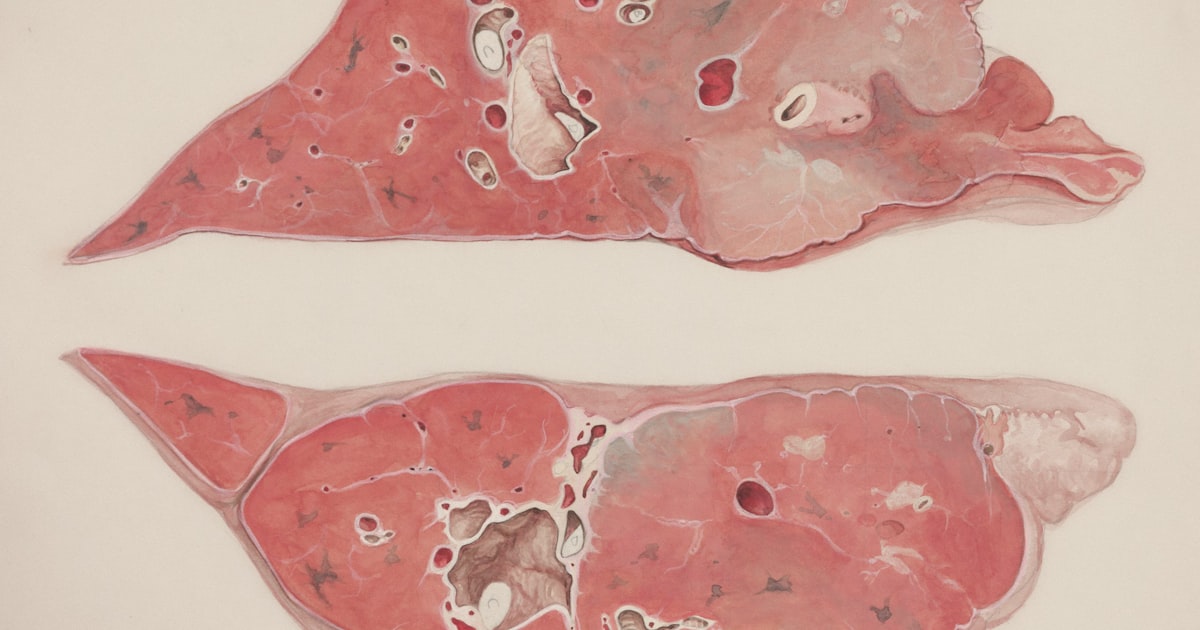
Cirrhosis is the late stage of scarring (fibrosis) of the liver. When the liver is repeatedly injured — by alcohol, fat, a virus, or other insults — it tries to heal itself. Each round of healing leaves behind scar tissue. Over years, healthy, soft liver tissue is gradually replaced by hard, lumpy scar that cannot do the liver's work and physically blocks blood flow through the organ.
The crucial concept is the difference between two stages:
- Compensated cirrhosis — the liver is scarred but still managing to do its job. Many people feel completely normal and have no symptoms for years.
- Decompensated cirrhosis — the liver can no longer keep up, and serious complications appear: fluid in the abdomen, jaundice, vomiting of blood, or confusion.
Early scarring (fibrosis) can sometimes be halted or even partly reversed if the underlying cause is removed. Established cirrhosis is largely permanent — which is why catching liver disease before it reaches this stage is everything.
What Causes Cirrhosis in India
The Indian picture has shifted noticeably over the past two decades. Large multi-centre studies now put the breakdown roughly as follows:
| Cause | Approximate share of cirrhosis cases in India |
|---|---|
| Alcohol | ~43% |
| Fatty liver (NAFLD/MASLD) & cryptogenic | ~14% |
| Hepatitis B (HBV) | ~12% |
| Hepatitis C (HCV) | ~6% |
| Others (autoimmune, genetic, etc.) | Remainder |
Alcohol
Alcohol is the leading cause, and the trend is worsening: per-capita alcohol consumption in India roughly doubled between 2005 and 2016. Importantly, there is no universally "safe" amount for the liver, and Indians can develop alcohol-related liver disease at lower intakes than often assumed.
Fatty Liver (NAFLD/MASLD)
This is the fastest-growing cause and the reason cirrhosis is no longer a "drinker's disease" alone. Driven by obesity, type 2 diabetes, sedentary work, and processed food, fatty liver disease now affects close to four in ten Indian adults. Left unchecked, fat drives inflammation, then fibrosis, then cirrhosis — and it has become a leading reason for liver transplantation in India.
Viral Hepatitis
Chronic hepatitis B and hepatitis C remain major contributors, though their share is slowly falling thanks to the hepatitis B birth-dose vaccine and the arrival of curative hepatitis C tablets. Many people carry these infections for decades without knowing.
Recognising the Symptoms
Compensated cirrhosis is notoriously silent. When symptoms do appear, early non-specific ones include:
- Persistent fatigue and weakness
- Loss of appetite and unexplained weight loss
- Nausea and a vague discomfort in the upper-right abdomen
- Easy bruising
As the disease decompensates, the warning signs become unmistakable and demand urgent medical care:
- Jaundice — yellowing of the eyes and skin, dark urine
- Ascites — swelling of the abdomen with fluid, and swollen legs
- Vomiting blood or passing black, tarry stools — from ruptured varices (see below); a medical emergency
- Confusion, drowsiness, disturbed sleep, or tremor — hepatic encephalopathy, caused by toxins the failing liver can no longer clear
- Intense itching, and in men, breast enlargement
A particularly dangerous complication is portal hypertension — back-pressure in the veins around the liver that creates swollen veins (varices) in the food pipe and stomach. These can burst and bleed catastrophically. Cirrhosis also sharply raises the risk of liver cancer (hepatocellular carcinoma), which is why people with cirrhosis need regular surveillance.
How Cirrhosis Is Diagnosed and Staged
Diagnosing cirrhosis combines blood tests, imaging, and sometimes a tissue sample.
Blood Tests
A liver function test (LFT) is the starting point, checking bilirubin, SGOT/SGPT, albumin, and other markers. A CBC often shows a low platelet count — a useful early clue to cirrhosis — and a prothrombin time / INR measures how well the liver is making clotting proteins.
Imaging and Elastography
An abdominal ultrasound assesses liver texture, spleen size, and fluid, and is used for cancer surveillance. FibroScan (transient elastography) is a quick, painless scan that measures liver stiffness; a reading of roughly ≥14.6 kPa suggests cirrhosis. CT, MRI, and an upper GI endoscopy (to look for varices) are added when needed. A liver biopsy remains the most definitive test but is reserved for unclear cases.
Staging Scores
Doctors use two scoring systems you may see in your reports:
- Child-Turcotte-Pugh (CTP) score classifies cirrhosis into Class A (compensated), Class B, and Class C (decompensated), using bilirubin, albumin, INR, ascites, and encephalopathy.
- MELD score (range 6–40), based on bilirubin, INR, and creatinine (sometimes sodium), predicts severity and helps decide transplant priority — a score above roughly 15 generally puts a patient on the transplant pathway.
Because these numbers change over time, tracking them matters. Keeping each LFT, FibroScan, and scan together with MedicalVault's trend analysis lets you and your hepatologist see whether the liver is stable, improving, or worsening across visits.
Treatment at Every Stage
There is no pill that dissolves scar tissue, so cirrhosis treatment rests on three pillars: remove the cause, manage the complications, and consider transplant when needed.
Treat the Underlying Cause
This is the most powerful intervention and can stabilise or slow the disease:
- Complete, lifelong abstinence from alcohol — non-negotiable for alcohol-related cirrhosis
- Weight loss, exercise, and tight control of diabetes and cholesterol for fatty-liver cirrhosis
- Antiviral medication for hepatitis B, and curative direct-acting antivirals for hepatitis C (available free under India's National Viral Hepatitis Control Programme)
Manage Complications
- Ascites: low-salt diet, diuretics, and occasionally draining the fluid (paracentesis)
- Varices: beta-blocker tablets and endoscopic band ligation to prevent bleeding; a TIPS procedure for difficult cases
- Hepatic encephalopathy: lactulose and the antibiotic rifaximin to clear gut toxins
- Liver cancer surveillance: ultrasound (often with the AFP blood test) every six months
Liver Transplant
For advanced decompensated cirrhosis, a liver transplant is the only definitive cure. India has become a world leader in liver transplantation, and because of organ shortage, living-donor transplants (using part of a relative's liver) are the most common form here. Cost varies widely but typically runs into several lakhs to tens of lakhs of rupees; early-stage medical management is far less expensive, which is yet another argument for catching disease early. Schemes such as Ayushman Bharat and state programmes can help eligible families with costs.
Prevention: Protecting Your Liver
Most cirrhosis in India is preventable, because its leading causes are preventable:
- Limit or avoid alcohol — the single biggest step for most Indians
- Keep a healthy weight and stay active; treat diabetes, high cholesterol, and fatty liver early
- Get vaccinated against hepatitis B, and ensure newborns receive the birth dose
- Get tested for hepatitis B and C at least once, especially if you have had blood transfusions, surgeries, tattoos, or unsafe injections — hepatitis C is now curable
- Use medicines responsibly — avoid unnecessary painkillers and unregulated herbal or "liver tonic" products, which can themselves harm the liver
- Check your liver periodically with an LFT as part of a preventive health check-up, particularly if you drink or are overweight
If you have risk factors, upload your reports to MedicalVault so your LFTs, scans, and viral markers stay in one place — making it far easier for a doctor to spot a worrying trend before it becomes irreversible.
Key Takeaways
- Cirrhosis is the advanced, largely permanent scarring of the liver, and India bears about 18% of the world's liver-disease deaths.
- In India, alcohol (~43%) is the leading cause, but fatty liver disease is rising rapidly among young, non-drinking adults, followed by hepatitis B and C.
- The liver stays silent for years (compensated stage); warning signs of decompensation include jaundice, abdominal swelling, vomiting blood, and confusion — all needing urgent care.
- Diagnosis combines LFT, low platelets, FibroScan, and ultrasound, with Child-Pugh and MELD scores used to judge severity and transplant need.
- Treatment means removing the cause (abstinence, weight loss, antivirals), managing complications, and liver transplant for advanced disease — early scarring can sometimes be slowed or reversed.
- Cirrhosis is largely preventable: limit alcohol, control weight and diabetes, vaccinate against hepatitis B, get tested for hepatitis C, and track your liver with MedicalVault's trend analysis.
Your liver gives you years of warning in silence — the trick is to listen before symptoms shout. Whether your risk comes from alcohol, weight, or a virus, the path away from cirrhosis usually starts with a single LFT and an honest conversation with your doctor. Visit our features page to see how keeping your liver reports organised helps you act early. This article is for awareness only; always consult a doctor or hepatologist for diagnosis, staging, and treatment.