For nearly two decades, Bihar's health workers fought a disease most Indians have never heard of — one that killed almost everyone it infected if left untreated. In 2026, India's Ministry of Health confirmed what took twenty years of sandfly spraying, active case-finding, and single-dose drug therapy to achieve: Kala-azar (visceral leishmaniasis) has been eliminated as a public health problem nationwide. A National Review Meeting on the Elimination of Lymphatic Filariasis and Kala-azar was convened in Kolkata in July 2026 to take stock of the achievement — and to warn that the fight is not over. Nearly half of all visceral leishmaniasis cases in the world have historically occurred in India, with up to 90% of those in Bihar alone. Elimination does not mean eradication, and doctors across Bihar, Jharkhand, West Bengal, and eastern Uttar Pradesh are being told to stay alert. Here is what every Indian family in these states should know.
What Is Kala-azar?
Kala-azar, medically known as visceral leishmaniasis (VL), is a parasitic disease caused by the protozoan Leishmania donovani. It spreads through the bite of an infected female sandfly (Phlebotomus argentipes) — a tiny insect, roughly a third the size of a mosquito, that breeds in cracks of mud walls, cattle sheds, and damp organic debris around rural homes.
"Kala-azar" literally means "black fever" in Hindi/Urdu, referring to the darkening of the skin that can occur in advanced, untreated cases. Once inside the body, the parasite attacks the spleen, liver, and bone marrow, progressively destroying the immune system's ability to fight infection.
Unlike dengue or malaria, Kala-azar is not transmitted mosquito-to-human — the vector is exclusively the sandfly, which is most active at dusk and through the night, and unlike mosquitoes, has a very limited flight range (it rarely travels more than 100 metres from its breeding site). This is precisely why house-level insecticide spraying proved so effective in India's elimination campaign.
Why India Matters So Much for Global Kala-azar
| Region | Share of Global VL Burden |
|---|---|
| India (mainly Bihar) | Historically up to 50% |
| Bangladesh | Significant, declining |
| Nepal | Significant, declining |
| Rest of world (East Africa, Brazil) | Remainder |
India, Bangladesh, and Nepal jointly launched the Kala-azar Elimination Programme (KAEP) in 2005. The elimination target — defined as fewer than 1 case per 10,000 population at the sub-district (block) level — was originally set for 2010, missed repeatedly, and finally achieved in 2023–2026 through intensified vector control, better diagnostics, and single-dose drug therapy.
Who Is at Risk in India
Endemic States
- Bihar — historically the epicentre, accounting for the vast majority of India's cases, particularly in districts like Muzaffarpur, Vaishali, and Samastipur.
- Jharkhand — significant residual pockets, especially in Santhal Pargana.
- West Bengal — Malda and adjoining districts.
- Eastern Uttar Pradesh — bordering Bihar, sharing the same sandfly ecology.
Who Should Stay Alert
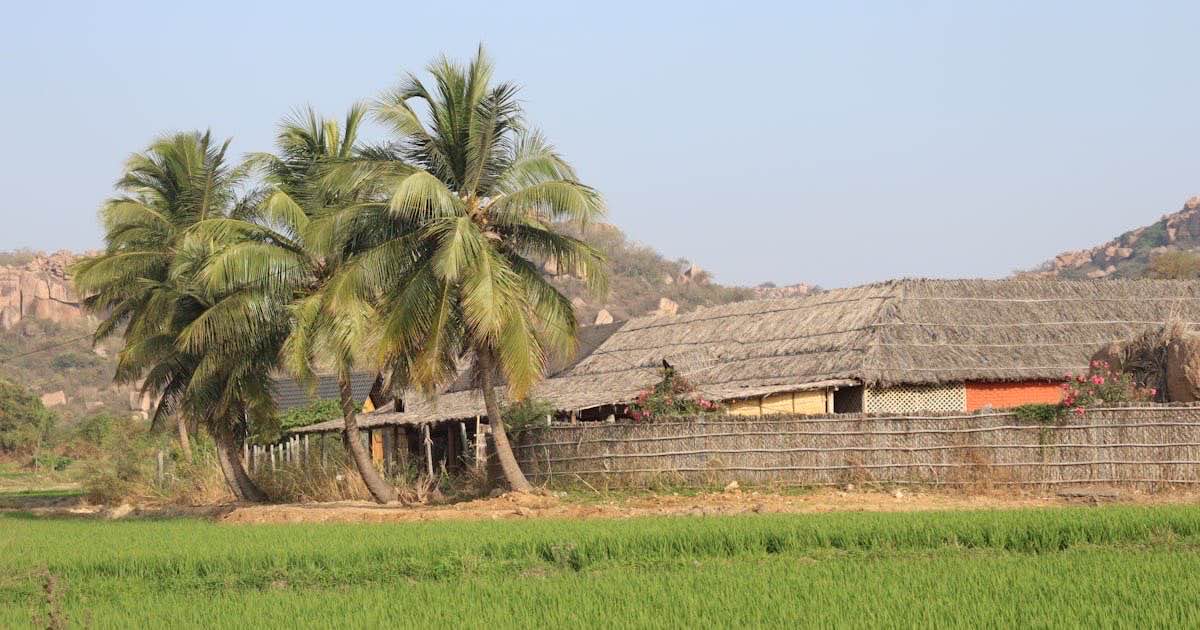
- Rural households with mud or thatched walls — sandflies breed in the cracks and crevices of kutcha housing, cattle sheds, and damp peridomestic areas.
- Malnourished individuals and children — poor nutrition weakens immunity and increases susceptibility to progression once infected.
- People living near cattle sheds and organic waste — these provide ideal breeding conditions for sandflies.
- HIV-positive individuals — VL-HIV coinfection is an emerging concern; HIV patients progress faster and are harder to treat, and they can act as a hidden reservoir that sustains transmission even in "eliminated" areas.
- Previously treated Kala-azar patients — a small proportion go on to develop Post Kala-azar Dermal Leishmaniasis (PKDL), a skin condition that can occur months to years after apparently successful treatment (see below).
Symptoms: What to Watch For
Kala-azar has an insidious onset — symptoms build gradually over weeks to months after the sandfly bite (incubation period typically 2–6 months), which is why it is often missed in its early stages.
Classic Triad of Symptoms
- Prolonged fever — irregular, low-grade to moderate fever lasting more than two weeks, often with two peaks in a day, that does not respond to routine antibiotics or antimalarials.
- Progressive weight loss — despite normal or reduced appetite.
- Splenomegaly — a dramatically enlarged spleen, often the most striking clinical sign; the abdomen visibly distends as the spleen (and often the liver) grows.
Other Common Signs
- Pallor and fatigue due to severe anaemia (the parasite suppresses bone marrow function)
- Darkening of the skin on the face, hands, feet, and abdomen (the "black fever" appearance)
- Recurrent infections due to a weakened immune system
- Bleeding from gums or nose in advanced disease (due to low platelet counts)
- Loss of appetite and generalised weakness
Untreated Kala-azar is fatal in more than 95% of cases, typically within one to two years, due to overwhelming secondary infections, severe anaemia, or bleeding complications. This is what made it one of the deadliest neglected tropical diseases in India before elimination efforts intensified.
Diagnosis
If you or a family member in an endemic district has fever lasting more than two weeks along with an enlarging spleen, your doctor will likely order the following:
| Test | What It Detects | Turnaround |
|---|---|---|
| rK39 rapid diagnostic test | Antibodies against Leishmania donovani antigen | 15–20 minutes; done at PHC/sub-centre level free of cost |
| Direct Agglutination Test (DAT) | Confirmatory serology, used alongside rK39 | Same day |
| Complete Blood Count (CBC) | Anaemia, low white cells, low platelets (pancytopenia) | Same day |
| Splenic or bone marrow aspirate | Direct visualisation of Leishmania parasites (LD bodies) | Used when serology is inconclusive; gold standard |
| Ultrasound abdomen | Confirms spleen and liver enlargement | Same day |
The rK39 test is India's frontline diagnostic tool under the national programme — it is simple, requires only a finger-prick of blood, and is available free at government health facilities in all endemic blocks. A positive rK39 test in a patient with fever and splenomegaly from an endemic area is usually sufficient to start treatment without needing an invasive bone marrow or splenic aspirate.
If you've had a splenic aspirate, ultrasound, or blood counts done for suspected Kala-azar, keeping every report organised matters — especially since treatment monitoring requires repeat blood counts over weeks. Upload your reports to MedicalVault so your family doctor, treating physician, and any specialist can see the complete picture in one place.
Treatment: How Kala-azar Is Cured
The single biggest breakthrough in India's elimination story was the shift to single-dose Liposomal Amphotericin B (AmBisome).
First-Line Treatment: Single-Dose AmBisome
- Administered as a single intravenous infusion of 10 mg/kg body weight, given over a few hours in hospital.
- Requires only one day of admission rather than the multi-week hospital stays that older regimens demanded.
- Cure rates exceed 95–99% in Indian field studies.
- Available free of cost at government district hospitals and Primary Health Centres in Kala-azar-endemic blocks under the National Vector Borne Disease Control Programme (NCVBDC).
Other Treatment Options
- Miltefosine — an oral drug taken over 28 days; useful where IV infusion isn't feasible, but requires strict adherence and is avoided in pregnancy.
- Combination therapy (paromomycin + miltefosine, or paromomycin + AmBisome) — used in select cases, particularly where relapse risk is higher.
- Conventional Amphotericin B — older, more toxic, multi-dose regimen; largely phased out in favour of the liposomal formulation.
Most patients show dramatic improvement — fever resolution and reduced spleen size — within one to two weeks of AmBisome treatment. Follow-up assessment, including repeat blood counts, is typically done at 6 months to confirm cure.
Post Kala-azar Dermal Leishmaniasis (PKDL): The Hidden Reservoir
A small but medically important proportion of successfully treated Kala-azar patients — as well as some people who never had overt VL — go on to develop PKDL, a chronic skin condition featuring pale patches, nodules, or a measles-like rash, typically appearing months to years after VL treatment. PKDL patients carry parasites in their skin lesions and, because sandflies feed on skin, they can silently re-seed transmission in a community even after that block has technically achieved "elimination" status. This is why India's post-elimination strategy specifically focuses on active PKDL case detection — anyone in an endemic district with a chronic, unexplained skin rash and a past history of Kala-azar should be evaluated.
Prevention: How India Brought Kala-azar Under Control
Indoor Residual Spraying (IRS)
Twice-yearly spraying of insecticide (synthetic pyrethroids) on the inner walls of homes and cattle sheds in endemic villages has been the single most effective control measure — it kills adult sandflies resting on walls between blood meals. Households in endemic blocks should cooperate fully when government spray teams visit.
Household-Level Precautions
- Plaster and maintain mud walls — sandflies breed and rest in wall cracks and crevices; smooth, well-maintained walls reduce breeding sites.
- Keep cattle sheds away from living quarters where possible, and keep them clean of organic debris.
- Use insecticide-treated bed nets, particularly with a fine enough mesh to block sandflies (which are smaller than mosquitoes).
- Avoid sleeping outdoors near cattle sheds or waste piles during peak sandfly activity (dusk to dawn).
- Clear debris and damp organic matter around the home that could serve as breeding sites.
Community and Health System Measures
- Active case search — ASHA workers and health teams conduct door-to-door fever surveys in endemic villages to catch cases early, before severe complications develop.
- Free diagnosis and treatment at all government health facilities in endemic blocks — there should be no cost barrier to getting tested or treated.
- PKDL surveillance to catch the "hidden reservoir" that can restart transmission.
What "Elimination" Actually Means — and Why Vigilance Still Matters
India's Kala-azar elimination target is defined as fewer than 1 case per 10,000 population at the block level — not zero cases. This is an important distinction for families in Bihar, Jharkhand, West Bengal, and eastern UP to understand: the disease has not vanished, and sporadic cases, along with PKDL, mean the sandfly-parasite cycle can still restart if vigilance drops.
Health experts flagging "last-mile" challenges point to three ongoing risks:
- Undiagnosed or partially treated VL and PKDL patients acting as silent parasite reservoirs.
- VL-HIV coinfected patients, who are harder to cure and more likely to relapse.
- Reduced funding and complacency once elimination is announced, which historically has allowed diseases to resurge in India and elsewhere.
If you live in or have family in an endemic district and notice prolonged fever, unexplained weight loss, or an enlarging abdomen in anyone — especially a child — do not wait. Visit your nearest PHC for a free rK39 test.
Key Takeaways
- India achieved Kala-azar elimination as a public health problem (fewer than 1 case per 10,000 population per block), formally reviewed at a National Review Meeting in Kolkata in July 2026 — but this is elimination, not eradication.
- Bihar has historically borne up to 90% of India's cases, with Jharkhand, West Bengal, and eastern UP also endemic; sandflies (not mosquitoes) are the vector.
- Classic symptoms are prolonged fever, weight loss, and a dramatically enlarged spleen — untreated Kala-azar is fatal in over 95% of cases.
- The rK39 rapid test gives a diagnosis in 15–20 minutes and is free at government health centres in endemic blocks.
- Single-dose AmBisome cures 95–99% of patients with just one day of hospital admission — a major reason India reached its elimination target.
- PKDL (a post-treatment skin condition) is a hidden risk that can silently sustain transmission — anyone with a chronic rash and past Kala-azar history should get evaluated.
- If you're tracking treatment and follow-up blood counts for Kala-azar or PKDL, use MedicalVault to keep every report, in one place, accessible to your entire treating team through family sharing.
Kala-azar's decline in India is a genuine public health success story — but families in endemic regions should stay alert to prolonged fever and unexplained spleen enlargement, and insist on the free rK39 test at their nearest government facility.