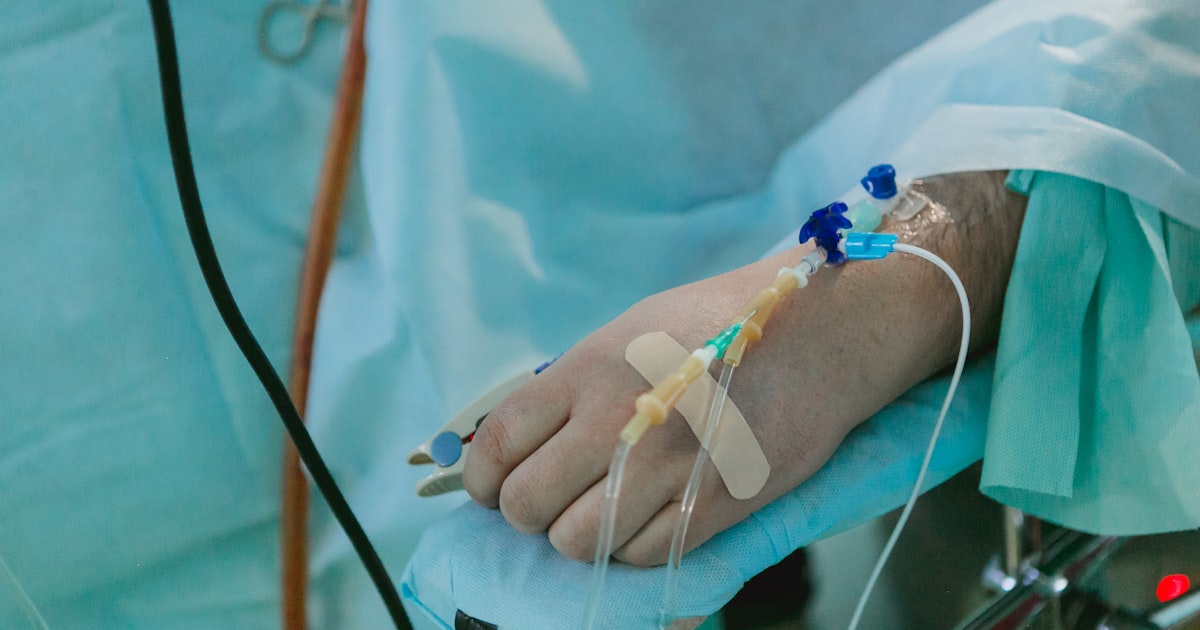
Every monsoon, Indian OPDs fill up with coughing, feverish patients — and this year, a growing share of them are testing positive not for a cold or seasonal viral, but for H1N1 (swine flu). India has recorded over 9,000 H1N1 cases and 178 deaths so far this year, with Maharashtra reporting a 70% jump in cases over last year, Karnataka on active alert, and Delhi, Gujarat, and Kerala among the worst-hit states. Unlike a routine viral fever, H1N1 can turn serious within days — which is exactly why knowing the difference matters.
If your family has been passing around a "flu that won't go" this monsoon, here is what you need to know about H1N1: how it differs from ordinary flu, when to test, when to worry, and how to protect the people most at risk.
What Is H1N1 (Swine Flu)?
H1N1 is a subtype of the Influenza A virus that first caused a global pandemic in 2009, when it was popularly called "swine flu" because the virus shared genetic material with strains found in pigs. It no longer causes pandemics — the World Health Organization declared the pandemic over in 2010 — but the H1N1 strain has since become one of the regular circulating seasonal influenza viruses worldwide, including in India.
In India, H1N1 shows a distinctive bimodal seasonality: a monsoon peak (June to October) and a smaller winter peak (December to February). This is different from temperate countries, where flu is strictly a winter illness. The reasons aren't fully understood, but higher humidity, crowding indoors during heavy rain, and school/college reopening after monsoon breaks are all thought to contribute.
Why 2026 has been a bad year: Maharashtra alone has recorded a 70% year-on-year rise in cases with 30 deaths, while Punjab, Kerala, and Gujarat report the highest fatality counts nationally. Health departments in several states have ramped up antiviral stockpiles and expanded vaccination drives for high-risk groups in response.
H1N1 vs Ordinary Viral Fever vs Seasonal Flu
Not every monsoon cough is H1N1, and panic-testing everyone is neither necessary nor cost-effective. Here's how to tell them apart:
| Feature | Ordinary Viral Cold | Seasonal Flu (Influenza B/other A) | H1N1 (Swine Flu) |
|---|---|---|---|
| Onset | Gradual | Sudden | Sudden and severe |
| Fever | Mild, <101°F | High, 101–102°F | High, often >102°F |
| Body ache | Mild | Moderate | Severe, disproportionate |
| Breathlessness | Absent | Rare | Can occur, especially in high-risk patients |
| Duration | 3–5 days | 5–7 days | 5–7 days, but can worsen after day 3–4 |
| Complication risk | Very low | Low | Higher, especially in high-risk groups |
The overlap is real, which is why India's Ministry of Health uses a structured triage system rather than relying on symptoms alone.
How Indian Doctors Classify H1N1 Cases: Category A, B, C
The Government of India's ABC classification for Influenza-Like Illness (ILI) is the framework most Indian doctors use to decide who needs testing, who needs Oseltamivir, and who needs hospitalisation. Understanding it helps you know what to expect at a clinic visit.
Category A — Mild Illness
Fever with cough or sore throat, with or without body ache, headache, diarrhoea, or vomiting, but no breathlessness and no high-risk condition.
- No testing required. No Oseltamivir required.
- Treated symptomatically at home (paracetamol, fluids, rest) with review in 24–48 hours if symptoms persist.
Category B — High-Risk or Worsening Symptoms
Category A symptoms plus either high-grade fever with severe sore throat (B1), or the presence of a high-risk condition such as pregnancy, diabetes, chronic lung/heart/kidney/liver disease, cancer, HIV, or long-term steroid use (B2).
- Oseltamivir is started based on clinical judgement, without necessarily waiting for a test.
- Home isolation with telephone follow-up for 2–3 days.
Category C — Severe Illness
Breathlessness, chest pain, drowsiness, low blood pressure, blood-tinged sputum, or bluish discolouration of lips (cyanosis); in children, red-flag signs include refusal to feed, persistent high fever, seizures, or respiratory distress.
- Requires immediate hospitalisation. Oseltamivir is started right away, without waiting for the test result — every hour of delay increases risk.
This classification exists precisely because H1N1 can look identical to a mild cold for the first 2–3 days before deteriorating rapidly in vulnerable patients. Knowing which category you or a family member falls into is often more useful than the test result itself.
Who Is at Highest Risk
H1N1 is dangerous for a relatively predictable set of people, and India's vaccination and treatment priorities are built around this list:
- Pregnant women, particularly in the second and third trimester
- Children under 5, especially infants under 6 months
- Adults over 65 years
- People with chronic conditions: diabetes, asthma/COPD, heart disease, chronic kidney disease, liver disease, or neurological disorders
- People with weakened immunity: cancer patients, transplant recipients, those on long-term steroids or immunosuppressants
- Healthcare workers and household contacts of high-risk individuals
- People who are severely obese (BMI ≥40)
If you or a family member falls into any of these categories and develops fever with cough this monsoon, don't wait out the illness at home the way you might for an ordinary cold — consult a doctor early.
Testing for H1N1: What to Expect
- RT-PCR (Nasopharyngeal/Throat Swab): The gold-standard confirmatory test, detecting viral RNA. Results typically take 24–48 hours (faster at government-designated flu labs). Cost ranges from ₹1,500–3,500 at major private labs (SRL, Dr. Lal PathLabs, Metropolis), though government hospitals and designated H1N1 testing centres often test free of charge.
- Rapid Antigen Test: Faster (30–60 minutes) but less sensitive — a negative result does not rule out H1N1, especially in Category B or C patients, where treatment should not wait for confirmation.
- Supporting tests: A Complete Blood Count (CBC) to check for low lymphocyte counts, and in more severe cases, a chest X-ray to look for pneumonia, along with kidney and liver function tests if the patient is deteriorating.
Per government guidelines, testing is not required for Category A (mild) cases at all — this helps avoid overwhelming lab capacity with patients who will recover on their own with symptomatic care.
You can upload your RT-PCR and CBC reports to MedicalVault to keep a single record of the illness timeline, which is especially useful if a family member needs to be reviewed by more than one doctor during the illness.
Treatment: Oseltamivir and Supportive Care
Oseltamivir (Tamiflu) is the Government of India's recommended first-line antiviral for H1N1. It works best when started within 48 hours of symptom onset, though doctors still prescribe it beyond this window for high-risk or severe cases because delayed treatment is still better than none.
| Drug | Typical Adult Dose | Duration | Notes |
|---|---|---|---|
| Oseltamivir (Tamiflu) | 75 mg twice daily | 5 days | First-line; available generically in India as Fluvir (Cipla), Antiflu (Cipla), Oseltamivir (various) |
| Zanamivir | Inhaled, 10 mg twice daily | 5 days | Alternative for oseltamivir-resistant strains or intolerance |
| Paracetamol | As needed for fever | — | Avoid aspirin and NSAIDs like ibuprofen unless advised, especially in children |
A 5-day course of generic oseltamivir typically costs ₹200–600 in India and is available at most pharmacies, though it's sold under prescription-only status due to past stockpiling concerns.
Supportive care matters just as much as the antiviral: adequate fluids, rest, and monitoring for warning signs (breathlessness, persistent high fever beyond day 3, drowsiness, reduced urine output) are essential, particularly at home for Category A and B patients.
The H1N1 Vaccine: Who Needs It and What It Costs
The standard seasonal influenza vaccine available in India includes protection against the currently circulating H1N1 strain, along with H3N2 and influenza B — so a single annual flu shot covers H1N1 without needing a separate vaccine.
- Injectable trivalent/quadrivalent flu vaccines (brands like Vaxigrip Tetra, FluQuadri, Influvac Tetra): ₹800–1,800 per dose, widely available at clinics and pharmacies
- VaxiFlu S (Zydus Cadila): pandemic H1N1-specific formulation
- Nasovac-S (Serum Institute of India): a live attenuated, intranasal H1N1 vaccine, generally lower cost per dose than injectable options
Who should prioritise vaccination:
- Pregnant women (safe at any trimester, per ACOG and Indian obstetric guidelines)
- Children 6 months to 5 years
- Adults over 65
- Anyone with chronic illness listed in the high-risk group above
- Healthcare workers and caregivers of high-risk individuals
The vaccine is given annually, ideally before the monsoon (May–June) so protective antibodies develop in time for the June–October transmission window. If you missed this window, it's still worth getting vaccinated — some protection is better than none, and the winter peak is still ahead.
Practical Prevention This Monsoon
- Cover coughs and sneezes with a tissue or elbow, not bare hands
- Wash hands frequently with soap, especially before eating and after being in crowded places
- Avoid crowded, poorly ventilated spaces if you or a family member is symptomatic
- Isolate mildly symptomatic family members where possible — a separate room and utensils reduce household transmission
- Wear a mask in hospitals, clinics, and crowded public transport during high-transmission months, particularly if you're in a high-risk group
- Don't send symptomatic children to school — schools are a major amplifier of household and community transmission
When to Rush to a Hospital
Seek emergency care immediately if you or a family member develops:
- Difficulty breathing or persistent breathlessness
- Chest pain or pressure
- Bluish lips or face
- Sudden dizziness, confusion, or drowsiness
- Severe or persistent vomiting
- Fever that improves then returns with worsening cough
- In children: fast or laboured breathing, bluish skin colour, not drinking enough fluids, not waking up or interacting, being extremely irritable
These are Category C red flags — and per Indian treatment protocol, doctors are instructed to start Oseltamivir immediately in such cases without waiting for lab confirmation.
Key Takeaways
- India has recorded over 9,000 H1N1 cases and 178 deaths this year, with Maharashtra, Delhi, Gujarat, Kerala, and Punjab among the worst affected — this isn't just "another monsoon cold"
- India's ABC classification determines who needs testing and treatment: mild cases (A) need only symptomatic care, while high-risk (B) and severe (C) cases need prompt Oseltamivir
- Oseltamivir works best within 48 hours of symptom onset, but should still be given later in high-risk or worsening cases
- Pregnant women, children under 5, adults over 65, and those with chronic illness are at highest risk of complications and should seek care early rather than waiting out symptoms
- The annual flu vaccine covers H1N1 and is recommended before monsoon for high-risk groups — it's available widely across India for ₹800–1,800
- Watch for red flags: breathlessness, chest pain, drowsiness, or a fever that returns after initially improving are reasons to seek emergency care immediately
- Keeping a record of test results and treatment across a monsoon illness is easier with MedicalVault's report tracking — particularly useful if you need a second opinion or your family member is being treated away from home
If your family has a member in a high-risk group, consider using MedicalVault's family sharing feature to keep track of vaccination dates and test reports across the household — a small habit that can save critical time if symptoms worsen.