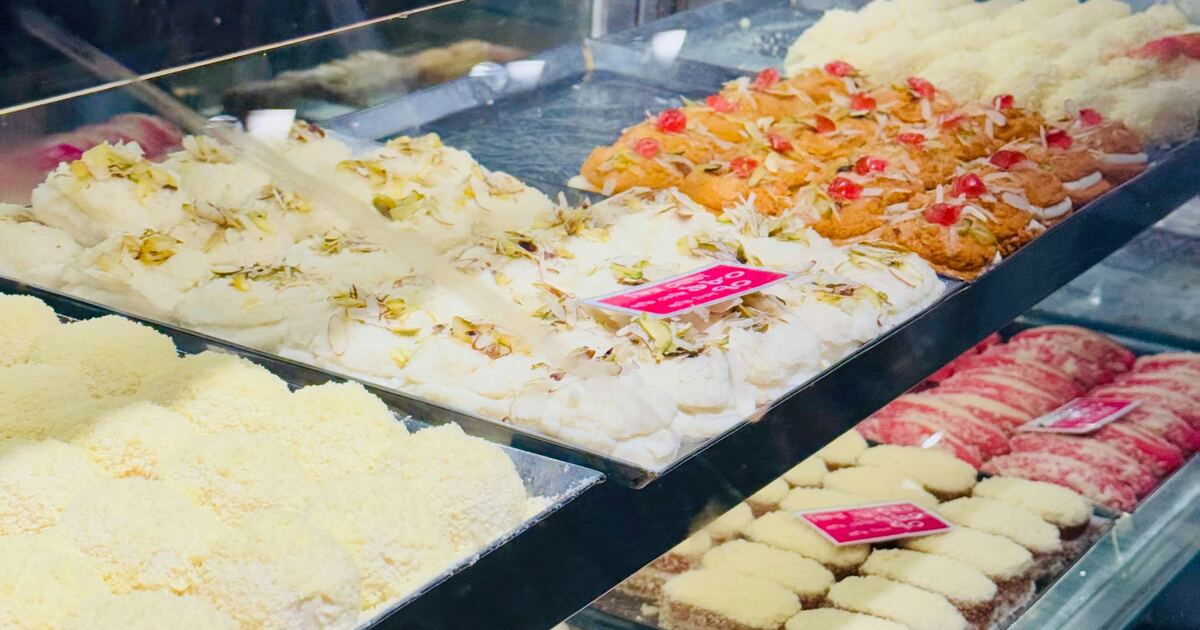
Every year between Navratri and Diwali, sweet shops across India run around the clock. Demand for khoya (mawa), paneer, ghee and milk jumps several times over, and so does the temptation to cut corners. The same newspapers that carry festive offers also carry headlines about tonnes of spurious khoya being seized at railway stations and paneer being destroyed after failing tests. Food adulteration in festive sweets is not an occasional scandal; it is a seasonal pattern.
For most families, the result is nothing worse than a stomach upset. But for young children, pregnant women, elderly parents and people with diabetes, kidney or liver disease, adulterated or spoiled sweets can mean a hospital visit in the middle of the festivities. This guide explains what is commonly mixed into festive foods in India, how it affects health, simple home checks recommended by FSSAI, and how to buy, store and eat sweets more safely this season.
How Common Is Food Adulteration in India?
The numbers are sobering. According to data shared by the Food Safety and Standards Authority of India (FSSAI), of about 4.3 lakh food samples analysed across the country between 2021 and 2023, roughly one in four (about 24.6%) were found to be non-conforming, meaning unsafe, substandard or mislabelled.
Festive season enforcement drives repeatedly uncover large-scale problems. During the 2025 festive drive, food safety teams reported seizures such as more than 1,100 kg of adulterated sweets in Noida and Ghaziabad, over 800 kg of mawa stored in unhygienic conditions in Hisar, and thousands of kilograms of paneer and milk destroyed in Punjab after failing tests. Pre-Diwali raids in Delhi have seized thousands of litres of adulterated ghee.
Why does it spike in October and November?
- Demand outstrips milk supply. India cannot suddenly produce several times more milk for a few weeks, so the gap is often filled with cheaper substitutes.
- Sweets are made days or weeks in advance and transported long distances, sometimes without refrigeration.
- Bright colours and shine sell, encouraging the use of non-permitted dyes and fake silver leaf.
- Gift boxes hide freshness. Pre-packed boxes from unknown sources rarely carry clear manufacturing dates.
Common Adulterants in Festive Foods and Their Health Effects
| Food | Common Adulterant or Problem | Possible Health Effects |
|---|---|---|
| Khoya / mawa | Starch, refined flour, vegetable fat, synthetic milk solids; stale or mouldy stock | Food poisoning, diarrhoea, vomiting; poor nutrition |
| Milk | Water, detergent, urea, starch, synthetic milk | Stomach upset; contamination from dirty water; added burden on kidneys with urea |
| Paneer / chhena | Starch, vegetable fat ("analogue paneer" sold as real paneer) | Misleading nutrition; poor quality fats |
| Desi ghee | Vanaspati, cheap vegetable oils, animal fat | Excess trans fats; heart risk with regular use |
| Mustard oil | Argemone oil | Epidemic dropsy: leg swelling, breathlessness, heart failure, glaucoma |
| Coloured sweets (jalebi, laddoo, barfi) | Metanil yellow, Rhodamine B, other non-permitted dyes; permitted colours above limits | Allergic reactions; non-permitted dyes are linked to liver and nerve toxicity in studies |
| Silver leaf (chandi ka varq) | Aluminium foil passed off as silver | Aluminium intake; particularly a concern for people with kidney disease |
| Dry fruits | Low-grade nuts, artificial colouring, mould | Fungal toxins (aflatoxins) from mouldy nuts |
| Sugar syrup and honey | Invert sugar, cheap sugar syrups | Misleading labels; unplanned sugar load |
Spoilage can be as dangerous as adulteration
Not every festive food illness comes from deliberate adulteration. Milk-based sweets are an ideal home for bacteria such as Staphylococcus aureus, which can produce a toxin that heating does not destroy. Symptoms of this type of food poisoning often start within 1 to 6 hours of eating: sudden nausea, repeated vomiting, abdominal cramps and sometimes diarrhoea. Our food poisoning guide covers the different types and how long they last.
What the rules say
- FSSAI permits only a small list of synthetic food colours, with a general limit of 100 ppm (mg/kg) in most foods. Studies of Indian sweets have still found non-permitted dyes and permitted colours above this cap.
- Metanil yellow and Rhodamine B are not permitted in food at all.
- Silver leaf must be at least 99.9% pure silver and made without animal-origin materials, as per FSSAI rules notified in 2016. Aluminium foil is not allowed.
Who Is Most at Risk?
Most healthy adults recover from a bout of food poisoning in a day or two. Some people need more caution:
- Children under five, who dehydrate quickly with vomiting and diarrhoea
- Pregnant women, for whom dehydration and certain infections carry extra risk; our antenatal care guide explains routine pregnancy checks
- Elderly parents, especially those on blood pressure medicines or diuretics
- People with diabetes, whose sugar control is already stretched by festive eating; see our diabetes management guide
- People with kidney disease, who handle dehydration, aluminium and electrolyte imbalance poorly; see our CKD guide
- People with liver disease, including fatty liver, who are more vulnerable to toxins; see our fatty liver guide
Warning signs that need a doctor
Seek medical care promptly if anyone in the family has:
- Vomiting that prevents keeping fluids down, or diarrhoea for more than a day in a child or older adult
- Signs of dehydration: very little urine, dry mouth, dizziness on standing, sunken eyes in a child
- Blood in stool, high fever, or severe abdominal pain
- Swelling of both legs, breathlessness or palpitations after using a new batch of mustard oil (possible epidemic dropsy)
- Lip or face swelling, rashes or breathing difficulty after eating coloured sweets
Doctors may order a CBC, kidney function test and electrolytes to check for dehydration and its effects. Our guides to the kidney function test and electrolyte panel explain what these results mean.
Simple Home Checks from FSSAI's DART Guide
FSSAI's DART (Detect Adulteration with Rapid Test) booklet lists more than 50 quick tests that families can do at home with water and basic items such as tincture of iodine. These are screening checks, not laboratory proof, but they can flag an obvious problem.
Starch in khoya, paneer or milk
- Boil a small piece of khoya or paneer (or 2–3 ml of milk) with about 5 ml of water.
- Let it cool.
- Add 2–3 drops of tincture of iodine (available at chemists).
- A blue colour suggests added starch. Pure milk products should not turn blue.
Detergent in milk
- Mix 5–10 ml of milk with an equal amount of water.
- Shake vigorously.
- A thick, persistent lather suggests detergent; pure milk gives only a thin froth.
Water in milk
Put a drop of milk on a smooth, slanting surface. Pure milk flows slowly and leaves a white trail; watered milk runs quickly without leaving much of a trail.
Fake silver leaf
Take a piece of varq between your fingers and rub it. Real silver breaks into very fine particles and almost disappears. Aluminium foil rolls into a small ball. Burning a piece is another check: silver leaves a shiny silver ball, aluminium leaves a dark grey ash.
Artificial colour on sweets
Rub a coloured sweet or a piece of saffron-coloured jalebi with a little water on cotton. Heavy colour that bleeds easily is a red flag. The DART booklet also describes acid-based tests for metanil yellow, but these involve laboratory chemicals and are better left to food safety officials.
If you suspect adulteration
- Keep the remaining food, its box and the bill.
- Complain to FSSAI through the toll-free helpline 1800-112-100, the Food Safety Connect app or web portal, or WhatsApp/SMS on 9868686868.
- Your state food safety department can also collect samples for laboratory testing.
Buying, Storing and Eating Festive Sweets Safely
Smart buying
- Buy from licensed shops. Look for the FSSAI licence or registration number displayed at the counter or printed on the box.
- Check dates. Packaged sweets must carry a "best before" date. For loose milk sweets, ask when they were made.
- Prefer smaller quantities, more often, rather than a large stock bought a week before Diwali.
- Be wary of very bright colours, heavy varq and suspiciously low prices.
- Consider dry sweets such as kaju katli, besan laddoo, chikki or dry-fruit sweets, which spoil less quickly than milk-heavy sweets like rasgulla, kalakand or malai items.
- Make some sweets at home using trusted milk and ghee, especially if you have elderly or unwell family members.
Safe storage
- Refrigerate milk-based sweets; most are best eaten within 1 to 2 days of purchase.
- Do not keep sweets in closed cars, near the stove or in sunny rooms.
- Discard sweets with a sour smell, slimy surface, visible mould or an unusual taste. When in doubt, throw it out.
- Do not re-gift boxes that have been sitting around for days.
Eating mindfully
Festive eating is also about quantity. A single piece of kaju katli or gulab jamun can add 100 to 175 calories, and the sugar load adds up quickly across a week of celebrations.
- People with diabetes should plan portions with their doctor, check blood sugar more often during the festive week and avoid "sugar-free" sweets that are still full of khoya and ghee. Our blood sugar test guide explains fasting and post-meal targets.
- People with high cholesterol or heart disease should limit ghee-heavy and fried sweets; see our lipid profile guide.
- Pair sweets with protein or fibre, take a walk after festive meals, and keep children's portions small.
After the Festival: Check Your Health, Not Just Your Weight
Weeks of sweets, fried snacks and late nights can show up in your reports. If you or your parents have diabetes, high blood pressure, fatty liver or kidney disease, a post-festive check-up a few weeks after Diwali can catch problems early. Common tests include fasting blood sugar, HbA1c, lipid profile, liver function and kidney function, as advised by your doctor.
Comparing these with your pre-festive reports is the easiest way to see the real impact. When you upload your reports to MedicalVault, values like blood sugar, triglycerides and creatinine are extracted automatically, and MedicalVault's trend analysis shows how they changed across the season. If you are managing an elderly parent's health from another city, the family sharing feature lets you see their latest reports as soon as they are uploaded.
Key Takeaways
- Food adulteration in festive sweets rises sharply between Navratri and Diwali, when demand for khoya, paneer, milk and ghee far outstrips supply.
- About one in four food samples tested by FSSAI between 2021 and 2023 failed to meet standards.
- Common problems include starch in khoya, detergent in milk, vanaspati in ghee, argemone oil in mustard oil, non-permitted dyes and aluminium passed off as silver varq.
- Spoiled milk sweets can cause food poisoning within hours; children, pregnant women, elderly people and those with diabetes, kidney or liver disease need extra caution.
- FSSAI's DART home checks, such as the iodine test for starch, can flag obvious adulteration; report suspected cases on 1800-112-100 or the Food Safety Connect app.
- Buy from licensed shops, refrigerate milk sweets and finish them within a day or two, and consult your doctor promptly for dehydration, persistent vomiting or leg swelling.
- Plan a post-festive health check if you have a chronic condition, and keep your before-and-after reports together in MedicalVault to see the trend.