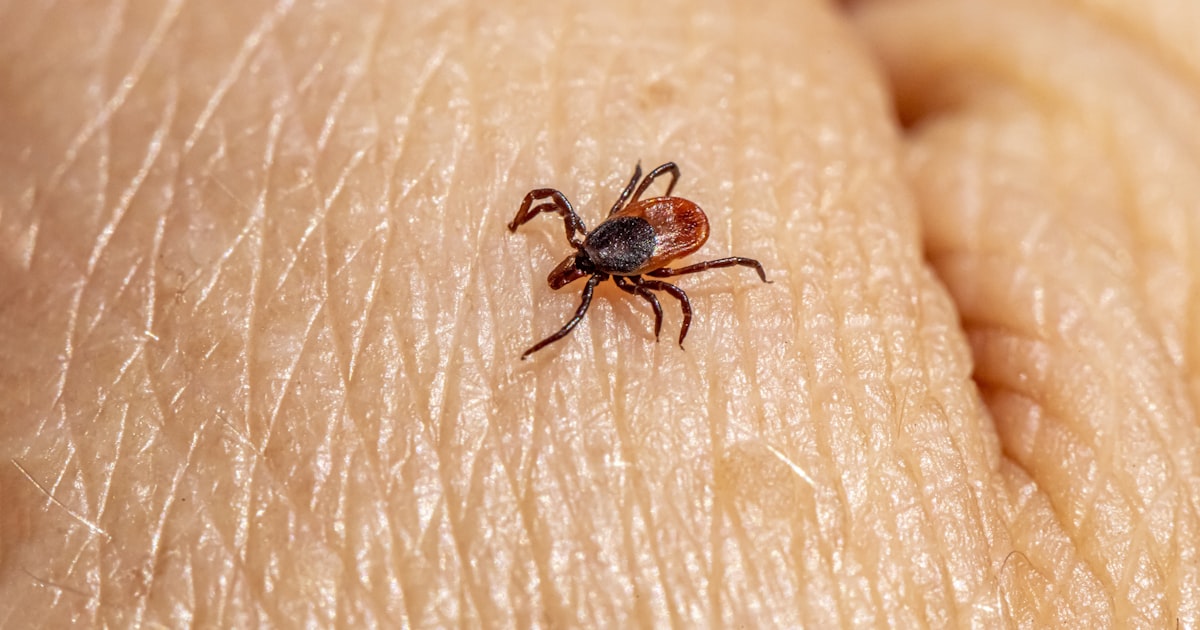
Every monsoon, as pastures turn green across Kutch, Saurashtra, and the arid grazing belts of Rajasthan, herders move their goats, sheep, and cattle to graze — and ticks come out in force. Most years pass without incident. But since 2011, Gujarat and Rajasthan have periodically reported a disease that terrifies infectious disease physicians more than almost any other: Crimean-Congo Haemorrhagic Fever (CCHF), a tick-borne viral infection with a case-fatality rate that can reach 40%. It has already killed doctors and nurses who treated infected patients without knowing what they were dealing with. If you live in, work in, or travel to livestock-rearing regions of western India, understanding CCHF is not optional — it could save your life or the life of someone you love.
What Is CCHF and How Does It Spread?
Crimean-Congo Haemorrhagic Fever is caused by the CCHF virus, a Nairovirus belonging to the Bunyaviridae family. It is one of the most geographically widespread tick-borne viral diseases in the world, found across Africa, the Balkans, the Middle East, and parts of Asia — including India.
The virus circulates in nature through a tick-animal-tick cycle. Hyalomma ticks are the principal vector: they feed on cattle, sheep, goats, and other livestock, picking up the virus and passing it on when they bite the next animal — or a human. Infected animals show no signs of illness themselves, which makes them silent carriers of the risk.
The Three Main Routes of Human Infection
| Route | How It Happens |
|---|---|
| Tick bite | Direct bite from an infected Hyalomma tick while working outdoors, herding, or in tick-infested grasslands |
| Animal contact | Handling blood, tissue, or body fluids of infected livestock during slaughtering, butchering, or veterinary care — even without an obvious tick bite |
| Human-to-human (nosocomial) | Close contact with the blood, secretions, or bodily fluids of an infected patient, especially in hospitals with inadequate infection control |
This third route is what makes CCHF particularly dangerous in a healthcare setting. Unlike most vector-borne fevers common in India — dengue, chikungunya, or scrub typhus — CCHF can spread from patient to caregiver, including doctors, nurses, and family members providing nursing care at home. This nosocomial spread has been documented multiple times in Indian outbreaks, sometimes with tragic consequences for treating medical staff.
CCHF in India: A Short but Serious History
CCHF was first confirmed in India in January 2011, when an outbreak began in Korat village near Sanand, Ahmedabad district, Gujarat. The index patient, a young woman, died within days of hospital admission. Because the disease was not initially suspected, proper barrier precautions were not taken — and the infection spread to the treating doctor, an attending nurse, and a medical intern, all of whom subsequently died. This single outbreak became a landmark case study in why India needed better clinical awareness of CCHF and stricter standard precautions for unexplained haemorrhagic illness.
Since then, India has recorded sporadic outbreaks and cases almost every year, concentrated in:
- Gujarat: Ahmedabad, Amreli, Patan, Surendranagar, Kutch, Aravalli, Rajkot, Bhavnagar, Botad, Kheda, and Sabarkantha districts
- Rajasthan: Sirohi, Jodhpur, Jaisalmer, and Barmer districts
Between 2011 and recent years, India has confirmed well over a hundred cases with a substantial proportion of fatalities — figures that underline why the disease is taken so seriously despite its relative rarity compared to dengue or malaria. The Indian Council of Medical Research (ICMR), through the National Institute of Virology (NIV), Pune, and the National Centre for Disease Control (NCDC), monitors CCHF as a priority emerging zoonotic pathogen, given its high mortality and outbreak potential. Studies from Gujarat have also found antibody evidence of past CCHF infection in livestock and at-risk human populations well beyond the districts where clinical cases have been formally reported — suggesting the virus circulates more widely than confirmed case counts alone would suggest.
Who Is at Risk in India?
CCHF is fundamentally an occupational and rural disease in the Indian context. The people most likely to be exposed include:
High-Risk Occupational Groups
- Farmers and agricultural labourers working in fields where livestock graze
- Livestock herders and dairy farmers, especially those handling goats, sheep, and cattle in Gujarat and Rajasthan's pastoral belts
- Veterinarians and para-vet staff who examine or treat sick animals
- Abattoir and slaughterhouse workers who come into direct contact with animal blood and tissue
- Animal transporters and traders at livestock markets (an important but under-recognised risk setting)
Healthcare-Associated Risk
- Doctors, nurses, and hospital staff treating a patient with unexplained fever and bleeding, particularly before CCHF is suspected or confirmed
- Family members providing home nursing care to a person with undiagnosed haemorrhagic fever
- Laboratory personnel handling blood or tissue samples without adequate biosafety precautions
If you or a family member falls into any of these categories and live in or have recently travelled through rural Gujarat or Rajasthan, it is worth discussing CCHF risk with your doctor, especially during and just after monsoon, when tick populations peak.
Symptoms and Disease Progression
CCHF has a distinctive, staged progression. Recognising the pattern early — and seeking care promptly — meaningfully improves outcomes.
Incubation Period
The time between exposure and first symptoms depends on how the person was infected:
- After a tick bite: usually 1 to 3 days, up to a maximum of 9 days
- After contact with infected blood or tissue: usually 5 to 6 days, up to a documented maximum of 13 days
Symptom Timeline
| Stage | Timing | Key Features |
|---|---|---|
| Pre-haemorrhagic phase | Sudden onset | High fever, severe myalgia (muscle pain), headache, dizziness, neck pain and stiffness, back pain, sore eyes, photophobia (light sensitivity) |
| Early systemic symptoms | First 1–2 days | Nausea, vomiting, diarrhoea, abdominal pain, sore throat, sharp mood swings, confusion |
| Transition phase | Day 2–4 | Agitation replaced by sleepiness, depression, and lassitude; pain may localise to the upper right abdomen with liver enlargement (hepatomegaly) |
| Haemorrhagic phase | Day 3–5 onward | Petechial rash (small bleeding spots) in the mouth, throat, and on skin; ecchymoses (larger bruise-like bleeding areas); nosebleeds, bleeding gums, blood in vomit, stool, or urine; fast heart rate; enlarged lymph nodes |
| Critical phase | After day 5 in severe cases | Rapid kidney deterioration, sudden liver failure, or pulmonary failure; multi-organ involvement |
| Recovery | Day 9–10 onward, in survivors | Gradual improvement; recovery can take weeks and may involve prolonged weakness |
The case-fatality rate for CCHF ranges from roughly 10% to 40% depending on the outbreak, the strain, and how quickly patients receive supportive care. Death, when it occurs, typically happens in the second week of illness, most often from bleeding, shock, or multi-organ failure. This is a considerably higher fatality rate than most other haemorrhagic fevers seen in India, such as dengue or Kyasanur Forest Disease, and is one of the reasons early recognition matters so much.
How Is CCHF Diagnosed?
Because CCHF presents initially with non-specific fever, muscle pain, and headache — symptoms shared with dengue, typhoid, malaria, and leptospirosis — clinical suspicion depends heavily on exposure history. Doctors will typically ask about recent tick bites, contact with livestock or their blood/tissue, occupational exposure (farming, veterinary work, slaughterhouses), and any contact with a person who had unexplained fever and bleeding.
Laboratory Tests Used
- RT-PCR (reverse transcriptase polymerase chain reaction): The most reliable test in the first few days of illness, detecting viral RNA directly in blood
- IgM ELISA: Useful for patients presenting somewhat later in the illness, once an antibody response has developed; patients with severe, rapidly fatal disease may not mount a measurable antibody response at all
- Virus isolation: Performed only in specialised biosafety level-3 (BSL-3) laboratories, given the extreme biohazard risk of handling live CCHF virus
- Complete Blood Count (CBC): Typically shows low platelets (thrombocytopenia) and low white cell count, supporting the clinical picture even before confirmatory results arrive
- Liver Function Tests (LFT): Elevated liver enzymes and hepatomegaly are common findings
In India, confirmatory testing for CCHF is centralised through NIV Pune and a network of ICMR-designated Viral Research and Diagnostic Laboratories (VRDLs), given the strict biosafety requirements for handling samples. If your doctor suspects CCHF based on your history and initial blood work, samples will be sent through this designated pathway rather than a routine local lab. Keeping copies of your CBC and LFT trends over time — for instance, by uploading your reports to MedicalVault — can help your treating doctor quickly compare baseline values with results during acute illness, which is valuable when timelines move fast.
Treatment and Outcomes
There is no specific antiviral drug formally approved for CCHF. Management is built around early, intensive supportive care:
- Careful fluid and electrolyte management to prevent shock and support kidney function
- Blood and platelet transfusions for patients with significant bleeding
- Monitoring of liver, kidney, and coagulation parameters through repeated blood tests
- ICU-level care for patients who develop organ failure or respiratory complications
- Avoidance of aspirin and NSAIDs, which can worsen bleeding tendency; paracetamol is preferred for fever
The antiviral drug ribavirin has been used off-label in some CCHF cases, including in Indian outbreaks, and the WHO notes it may be considered as a potential therapeutic option. However, the evidence for its effectiveness remains uncertain, and it is not a substitute for early, aggressive supportive care and infection control.
Patients who reach hospital early — before major bleeding or organ failure sets in — have meaningfully better survival odds. This is precisely why occupational and geographic risk-awareness matters: someone who develops sudden high fever after handling livestock or removing a tick in an endemic Gujarat or Rajasthan district should seek medical attention immediately and explicitly mention that exposure, rather than waiting to see if the fever settles on its own.
Prevention: Protecting Yourself, Your Family, and Healthcare Workers
Because there is no licensed vaccine for CCHF, prevention rests entirely on reducing exposure — to ticks, to infected animal tissue, and to infected patients' body fluids.
For Farmers, Herders, and Livestock Handlers
- Wear long-sleeved shirts and full trousers, ideally light-coloured so ticks are easier to spot
- Use tick repellents on skin and clothing, and consider acaricide-treated clothing for extended fieldwork
- Inspect yourself and your animals for ticks regularly, especially after time in grazing areas
- Remove ticks safely with fine tweezers, gripping close to the skin — never crush a tick with bare fingers
- Treat livestock periodically with acaricides (tick-killing chemicals) to reduce tick burden
- Avoid areas known to have heavy tick activity during peak season, generally aligned with the warmer, wetter months
For Veterinarians and Abattoir Workers
- Wear gloves and protective clothing whenever handling animals, animal blood, or tissue — even in routine, non-obviously-risky situations
- Quarantine livestock for at least two weeks before slaughter where possible, and consider pre-slaughter acaricide treatment
- Practice careful hand hygiene and safe disposal of animal waste materials
For Healthcare Workers and Hospitals
- Treat any patient with unexplained fever plus bleeding tendency and a relevant occupational or geographic exposure history as a possible CCHF case until proven otherwise
- Follow standard infection control precautions: gloves, gowns, eye protection, safe injection practices, and careful handling of sharps
- Isolate suspected cases and limit the number of staff in direct contact
- Ensure laboratory samples are transported and handled per BSL-3 biosafety protocols
- Educate family members providing informal nursing care about protective precautions, since a large share of nosocomial-type spread in India has occurred through close, unprotected contact with sick relatives
For Families in Endemic Districts
- If someone in your household works with livestock, encourage protective clothing and tick checks as a daily habit during the high-risk season
- Do not delay seeking care for sudden high fever with severe body ache, especially if it follows a tick bite or contact with sick or freshly slaughtered animals
- If a family member is hospitalised with a suspected haemorrhagic illness, follow the hospital's infection control instructions closely, including glove use during any physical contact
When to Seek Emergency Care
Go to a hospital immediately — and clearly mention any tick bite, livestock contact, or contact with a sick patient — if you or a family member develops:
- Sudden high fever with severe muscle pain, headache, and neck stiffness
- Nosebleeds, bleeding gums, or blood in vomit, stool, or urine
- Unexplained bruising or a spreading rash of small red-purple spots
- Marked confusion, agitation, or altered behaviour following fever
- Rapid weakness, dizziness, or signs of shock
Early hospitalisation, even before confirmatory test results are available, is the single biggest factor separating survival from severe outcomes in CCHF.
Tracking Health Records During and After Illness
Recovery from CCHF can be prolonged, with weakness and abnormal blood parameters sometimes persisting for weeks after the acute illness resolves. Because CCHF patients typically undergo repeated CBC, liver function, and kidney function testing during hospitalisation and follow-up, keeping all these reports organised in one place is genuinely useful — both for your own understanding and for any specialist reviewing your recovery. MedicalVault's trend analysis feature lets you see how your platelet counts, liver enzymes, and kidney parameters are moving over successive tests, so you and your doctor can track normalisation over time rather than comparing loose paper reports from different visits. For families managing the health records of an elderly parent, a spouse, or children across multiple hospital visits, the family sharing feature keeps everyone's reports accessible to the people coordinating their care. If you have questions about how report uploads or family access works, our FAQ page covers the basics.
You may also find these related guides useful, since CCHF shares symptom overlap and geographic relevance with other Indian vector-borne diseases:
- Our guide to Kyasanur Forest Disease (Monkey Fever) — another tick-borne haemorrhagic fever endemic to parts of India
- Scrub Typhus Guide for India — a more common mite-borne febrile illness with some overlapping early symptoms
Key Takeaways
- Crimean-Congo Haemorrhagic Fever (CCHF) is a tick-borne viral disease spread by Hyalomma ticks, contact with infected livestock blood/tissue, and — unusually for a vector-borne illness — human-to-human contact, including in hospitals.
- India's first confirmed outbreak was in Sanand, Gujarat, in 2011, and cases continue to be reported periodically from districts of Gujarat and Rajasthan, tracked by ICMR-NIV Pune and the NCDC.
- The disease can progress from sudden fever and severe body ache to a haemorrhagic phase with bleeding and organ failure, with a case-fatality rate of 10–40%.
- Farmers, livestock herders, veterinarians, abattoir workers, and healthcare staff are at highest risk and should take specific precautions, especially during peak tick season.
- No specific antiviral or vaccine exists — early hospitalisation and intensive supportive care are the mainstay of treatment, and prompt recognition saves lives.
- Prevention centres on tick avoidance, protective clothing, safe animal handling, and rigorous infection control for anyone caring for a suspected patient.
- If you or your family are managing recovery from CCHF or monitoring risk factors in an endemic area, MedicalVault can help you keep every blood report, trend, and specialist note organised in one secure place — talk to your doctor about your specific risk and always consult a medical professional for diagnosis and treatment.