Your child comes home from school one afternoon, a little quieter than usual. By evening, there is a small cluster of red spots on the stomach. By the next morning, the spots have spread to the face, back, and arms — and your child is scratching furiously. If this scene is familiar, you have probably dealt with chickenpox — one of the most common childhood infections in India, responsible for thousands of outbreaks every year.
Despite being so widespread, chickenpox is poorly understood by many Indian families. People often think it is a mild rite of passage that every child must go through, or that certain rituals — like applying neem leaves or avoiding bathing — are part of its treatment. This guide separates fact from myth and gives you a clear, medically accurate picture of chickenpox in India, including when it becomes dangerous and how vaccination can prevent it entirely.
What Is Chickenpox?
Chickenpox (varicella) is a highly contagious viral infection caused by the Varicella-Zoster Virus (VZV). Almost every person who is exposed to VZV for the first time — and has not been vaccinated — will develop the infection. In India, molecular studies have identified VZV clade-5 as the predominant circulating genotype, distinct from strains dominant in Western countries.
The infection typically lasts 7–10 days and causes a characteristic itchy, blister-like rash across the body. Once you have had chickenpox, the virus does not leave your body — it retreats into the nervous system and lies dormant for decades. Decades later, especially if your immune system weakens with age, the same virus can reactivate as shingles (herpes zoster), a painful nerve condition that affects over one million Indians every year.
How Widespread Is Chickenpox in India?
India has not included the varicella vaccine in its Universal Immunisation Programme (UIP), which means chickenpox continues to circulate freely. Between 2015 and 2021, researchers documented over 269 chickenpox outbreaks and 27,257 cases across India, though experts believe actual case numbers are significantly higher due to under-reporting.
Studies show that children between 6 and 10 years of age are most frequently affected, making primary school the peak setting for outbreaks. Crowded living conditions, large classroom sizes, and extended family households all accelerate spread. Tribal and rural areas with lower vaccination awareness tend to experience larger, more prolonged outbreaks.
While chickenpox is primarily a childhood disease, India sees a notable burden in adults and pregnant women as well — and in these groups, the illness is considerably more serious.
How Does Chickenpox Spread?
VZV is extraordinarily contagious. It spreads in two main ways:
- Airborne transmission: Tiny droplets released when an infected person coughs, sneezes, or even breathes can carry the virus several metres. In enclosed spaces — classrooms, offices, trains, religious gatherings, and joint family homes — transmission is very efficient.
- Direct contact: Touching the fluid inside the blisters can directly transmit the virus.
A person with chickenpox is contagious from 1–2 days before the rash appears until all the blisters have crusted over (usually 5–7 days after the rash starts). This pre-rash contagious window is why chickenpox spreads so rapidly in schools — children are infectious before anyone realises they are ill.
Stages of Chickenpox: What to Expect
The chickenpox rash progresses through three distinct stages, often overlapping on different parts of the body at the same time:
Stage 1: Red Macules (Day 1)
Flat, pink or red spots appear, usually starting on the scalp, face, trunk, or back. The child may have a low-grade fever (38–39°C), fatigue, and loss of appetite a day or two before the rash appears.
Stage 2: Fluid-filled Blisters (Days 1–4)
The flat spots become raised, fluid-filled blisters called vesicles. These blisters are intensely itchy. New crops of spots continue to appear for 3–5 days.
Stage 3: Crusting and Healing (Days 5–10)
The blisters burst, weep, and then dry out to form brown scabs. Once all spots have crusted, the child is no longer contagious.
Key point: Never scratch the blisters. Scratching can break the skin, introduce bacteria, and lead to secondary infection — the most common complication of chickenpox in India. It can also leave permanent scars (pockmarks).
Home Care: What to Do (and Not Do) in India
Most healthy children with chickenpox do not require hospitalisation. Home care focuses on comfort and preventing complications:
Do:
- Bathe gently — contrary to the common Indian belief that water should be avoided, gentle bathing with lukewarm water actually soothes the rash and reduces the risk of bacterial infection
- Apply calamine lotion to soothe itching — available at most Indian pharmacies without a prescription
- Use antihistamines like cetirizine (available OTC) to reduce scratching, especially at night
- Keep nails short and clean — put mittens or socks on young children's hands if needed
- Give paracetamol (Calpol, Dolo-650) for fever — always consult the dose with your doctor or pharmacist
- Offer plenty of fluids — coconut water, nimbu paani, and diluted fruit juices help prevent dehydration
- Give soft foods if there are mouth sores — khichdi, curd rice, and moong dal are good choices
Do NOT:
- Avoid ibuprofen and aspirin — NSAIDs like ibuprofen can increase the risk of severe skin infections in chickenpox. Aspirin in children with viral illness risks a rare but serious condition called Reye's syndrome. Stick to paracetamol only.
- Do not apply neem paste directly to broken blisters — while neem has mild antimicrobial properties, applying it to open blisters increases the risk of bacterial infection
- Do not share towels, bedding, or clothing with the infected person
Warning Signs: When to See a Doctor Immediately
Most children recover without problems, but seek immediate medical attention if:
- Fever is very high (above 39.5°C) or fever lasts more than 4 days
- The rash becomes very red, warm, swollen, or starts weeping thick pus (signs of bacterial skin infection, which may need antibiotics)
- The child has difficulty walking, seems confused, or has a stiff neck (rare but serious brain complications)
- The child develops breathing difficulty, chest pain, or a persistent cough (rare lung involvement — varicella pneumonia)
- There are blisters in the eyes (can damage vision)
- The child is lethargic, cannot eat or drink, or is very pale
Children with leukaemia, HIV, or on steroid medications are at high risk of severe chickenpox and must be seen by a doctor immediately if exposed or infected.
Chickenpox in Adults: More Dangerous Than People Think
The common assumption that "adults don't get chickenpox" is wrong. Adults who escaped chickenpox as children — or who were never vaccinated — are fully susceptible. And chickenpox in adults tends to be significantly more severe than in children:
- Varicella pneumonia (lung infection) is 25 times more common in adults than children and can be fatal
- Bacterial skin infections are more frequent
- Encephalitis (brain inflammation) is another rare but serious complication
- Adults miss more work and have longer recovery times
Given India's large adult population without prior immunity (especially in states with lower historical exposure), adults contracting chickenpox is not uncommon, particularly during outbreaks.
Chickenpox During Pregnancy: A High-Risk Situation
Chickenpox in pregnancy is a medical emergency. Pregnant women are at significantly higher risk of severe varicella pneumonia, which can be life-threatening. Additionally:
- Infection in the first 20 weeks of pregnancy can cause Congenital Varicella Syndrome, affecting the baby's limbs, eyes, brain, and skin
- Infection 5 days before to 2 days after delivery can cause Neonatal Varicella, which has a case fatality rate of up to 30% without treatment
Pregnant women who have never had chickenpox and are exposed to the virus should contact their obstetrician urgently. Varicella Zoster Immune Globulin (VZIG) can be given to reduce severity if administered within 96 hours of exposure. Intravenous acyclovir may be needed to treat active infection.
If you are planning a pregnancy and are unsure whether you have had chickenpox, ask your doctor about a VZV IgG antibody test to check your immunity status.
The Chickenpox Vaccine: Available Privately in India
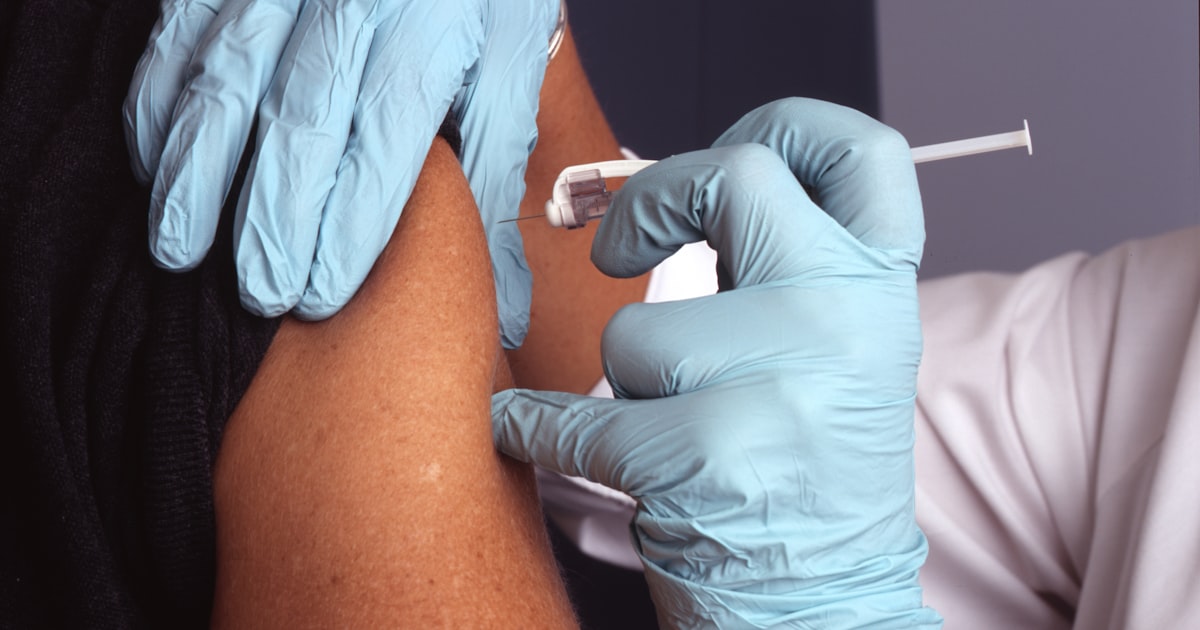
Unlike many other vaccines in India's UIP, the varicella vaccine is not provided free by the government — but it is available at private paediatric clinics, vaccination centres, and hospitals across India. Brands available include Varivax (Merck) and Varilrix (GSK).
The Indian Academy of Paediatrics (IAP) recommends the following vaccination schedule:
| Age Group | Doses Recommended |
|---|---|
| 15 months to 12 years | 2 doses, 3 months apart |
| 13 years and above | 2 doses, 4–8 weeks apart |
| Adults with no prior infection | 2 doses, 4–8 weeks apart |
Vaccine efficacy: A single dose is about 85% effective at preventing any chickenpox and over 95% effective at preventing severe disease. Two doses provide approximately 98% protection.
Cost in India: Approximately ₹1,200–₹2,000 per dose at private hospitals and diagnostic chains. Some state governments have begun incorporating it into their immunisation schedules, though this is not yet universal.
The varicella vaccine is a live attenuated vaccine and should not be given to immunocompromised individuals or pregnant women.
Keeping Track of Vaccination and Illness History
In India, paper vaccination cards are easily lost — especially across generations in joint families. When managing the health of multiple children, grandparents, and family members under one roof, having an organised record of who has had chickenpox (and therefore has natural immunity) and who has been vaccinated is genuinely useful.
If a family member develops chickenpox, using MedicalVault's family health records to note the date of infection, vaccination history, and follow-up visits helps keep everyone's health information in one secure place — whether the next relevant event is a scheduled vaccine booster or a follow-up for a child who developed complications.
Could It Be Something Else? Conditions That Look Like Chickenpox
Several skin conditions can mimic chickenpox, and getting the right diagnosis matters:
- Impetigo — bacterial skin infection with fluid or pus-filled sores, usually without fever
- Hand Foot and Mouth Disease (HFMD) — smaller blisters confined to palms, soles, and mouth; caused by enterovirus
- Scabies — intensely itchy burrow-like rash, especially between fingers and on wrists, without the blister progression
- Molluscum contagiosum — small, pearly dome-shaped bumps, not itchy and no fever
- Measles — a flat red rash that spreads from face downward, preceded by high fever, cough, and red eyes
If you are unsure of the diagnosis, a doctor's consultation — in person or via telemedicine — is the right step.
Key Takeaways
- Chickenpox is caused by the Varicella-Zoster Virus (VZV) and remains endemic in India, with hundreds of outbreaks documented every year
- Most children recover with home care — calamine lotion, paracetamol, plenty of fluids, and short nails to prevent scratching
- Adults, pregnant women, and immunocompromised individuals face significantly higher risks and may need antiviral treatment
- The varicella vaccine is available privately in India and recommended by the Indian Academy of Paediatrics — two doses provide about 98% protection
- Chickenpox is contagious 1–2 days before the rash appears, which is why it spreads so easily in schools
- The same VZV virus can reactivate decades later as shingles — another reason to take this infection seriously
- Use MedicalVault to track your family's vaccination history, illness records, and follow-up appointments in one secure, accessible place