In July 2024, paediatric wards across rural Gujarat began filling up with children who arrived perfectly well in the morning and were comatose by nightfall. By 15 August, India's Ministry of Health had logged 245 cases of acute encephalitis syndrome with 82 deaths — a case fatality rate of 33 percent and the largest Chandipura virus (CHPV) outbreak in twenty years. Most of the dead were children under fifteen, many under five. Their illnesses moved so fast that families never made it past the district hospital.
Chandipura virus is not a new threat. It was first isolated in 1965 in Maharashtra and has caused recurrent outbreaks in central, western and southern India ever since. But the 2024 Gujarat outbreak — and smaller flare-ups documented in the years since — have pushed CHPV back to the top of every paediatrician's worry list, especially during monsoon. This guide explains what every Indian parent, especially those in rural Gujarat, Maharashtra, Madhya Pradesh, Andhra Pradesh and Telangana, should know about Chandipura virus, how it is transmitted, the symptoms that demand emergency action and how to protect children before another outbreak begins.
What Is Chandipura Virus?
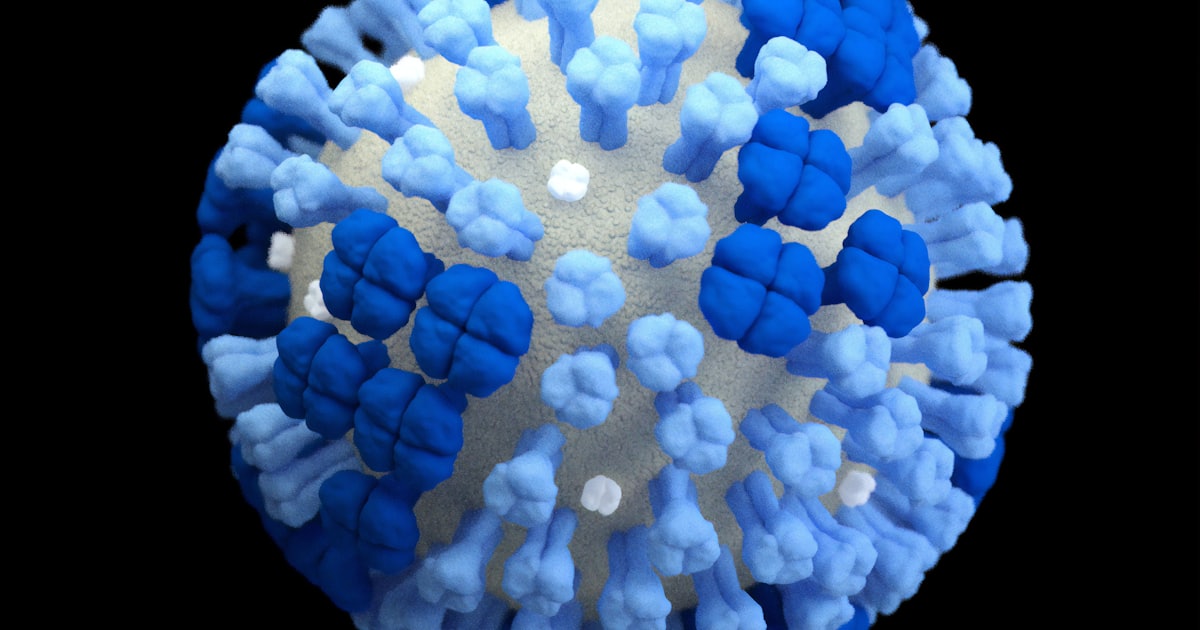
Chandipura virus is a member of the Vesiculovirus genus in the Rhabdoviridae family — the same family that includes the rabies virus. It is a single-stranded RNA virus first isolated from a febrile patient in Chandipura village near Nagpur in 1965, which is how it got its name.
The virus primarily causes acute encephalitis syndrome (AES) in children, with rapid disease progression and high mortality. It is endemic to India with sporadic outbreaks reported from Maharashtra, Gujarat, Andhra Pradesh, Madhya Pradesh, Karnataka and Telangana. The virus has also been detected in Nigeria, Sri Lanka, Bhutan and Senegal, but India bears the highest burden.
CHPV mainly affects children under fifteen years of age, with the highest mortality in those under five. Adults are usually exposed earlier in life and develop subclinical infection or mild illness, which is why outbreaks rarely involve grown-ups.
How Chandipura Virus Spreads
Chandipura virus is vector-borne, meaning it is transmitted through the bites of infected insects. The principal vectors are:
- Sandflies — particularly Phlebotomus papatasi and various Sergentomyia species, which are the dominant vectors during outbreaks
- Mosquitoes — Aedes aegypti has been shown experimentally to carry CHPV
- Ticks — a less common but documented vector
Why Sandflies Matter So Much
Sandflies are tiny — only 2 to 3 mm long — and almost silent. Unlike mosquitoes, they make no buzzing sound. They breed in cracks of mud walls, animal sheds, dark crevices in stone houses and piles of organic debris near homes. They are most active at dusk and dawn.
Children playing near cattle sheds or sleeping in mud-walled houses without window screens are at the highest risk. The 2024 Gujarat outbreak was strongly linked to villages with poor sandfly control and sub-optimal household hygiene around livestock.
Other Possible Routes
Person-to-person transmission has not been documented. CHPV is not spread through coughing, sneezing or casual contact. There is also no evidence of food-borne or water-borne spread, although co-existing diarrhoea may complicate clinical care.
Chandipura Virus Symptoms
The clinical course is classically described as lightning-fast. Children typically progress from completely well to critically ill in 24 to 72 hours. The illness has three rough phases.
Phase 1: Fever (0 – 24 hours)
- Sudden high fever, often above 38.5°C
- Chills, rigors and body ache
- Severe vomiting — much more pronounced than in typical viral fevers
- Loose stools in some children
- Headache, irritability and poor feeding
Phase 2: Neurological Onset (24 – 48 hours)
- Altered consciousness — drowsiness, confusion, refusal to talk
- Convulsions — often the first sign that brings families to hospital
- Stiff neck in some children (signs of meningoencephalitis)
- Loss of muscle tone or stiffness
- Photophobia and persistent vomiting
Phase 3: Severe Encephalitis (48 – 72 hours)
- Coma
- Multi-organ dysfunction — elevated liver enzymes, kidney injury, low platelets
- Respiratory failure
- Death, often within 48 to 96 hours of the first symptom
In the 2024 Gujarat outbreak, the median time from onset to death was approximately 48 hours, and the case fatality rate among hospitalised cases reached 47 percent.
Diagnosis: How CHPV Is Confirmed
Diagnosing CHPV is challenging because early symptoms mimic many other monsoon illnesses — Japanese encephalitis, dengue, scrub typhus, leptospirosis, malaria and bacterial meningitis. Confirmatory testing is performed at specialised centres, primarily the National Institute of Virology (NIV) Pune and select state public health laboratories.
Tests Used to Diagnose CHPV
| Test | What It Shows |
|---|---|
| RT-PCR for CHPV RNA | Confirms the virus in blood or cerebrospinal fluid (CSF) within hours |
| CHPV IgM antibodies (ELISA) | Detects recent infection in serum or CSF |
| CSF analysis | Raised protein, lymphocytic pleocytosis (typical of viral meningoencephalitis) |
| Liver function (ALT, AST) | Often markedly elevated in CHPV |
| Kidney function (creatinine) | Frequently raised due to multi-organ involvement |
| CBC and platelet count | Low platelets and altered white cell counts |
| MRI brain | May show diffuse cerebral oedema in severe cases |
For deeper context on the supporting tests, see our LFT guide, KFT guide and CBC explainer.
Treatment: Why Time Is Everything
There is no specific antiviral medicine for Chandipura virus. There is also no licensed vaccine. Management is entirely supportive and depends almost entirely on how quickly the child reaches a paediatric ICU.
Hospital-Based Care
Treatment focuses on stabilising the brain and other organs while the body fights the virus. The standard ICU bundle includes:
- Airway and breathing support — many children need mechanical ventilation
- Anti-seizure medication — typically intravenous lorazepam, phenytoin or levetiracetam
- Control of intracranial pressure with mannitol or hypertonic saline
- Strict fluid balance — too much or too little can both worsen brain swelling
- Treatment of multi-organ failure — kidney support, liver support, blood products
- Aggressive control of fever and vomiting
Why Early Referral Saves Lives
The single most important factor in surviving CHPV is time to hospital. In the 2024 outbreak, children referred to a tertiary paediatric ICU within 6 hours of the first seizure had dramatically better outcomes than those treated for 24 to 48 hours at primary health centres before referral.
If a child living in a CHPV-endemic district develops sudden high fever and vomiting in the monsoon months, do not wait at home, do not rely on local injections, and do not assume it is "just viral fever." Take the child to the nearest paediatric tertiary hospital immediately.
How to Protect Your Family
Because there is no vaccine, prevention focuses entirely on vector control — keeping sandflies and mosquitoes away from children — and on environmental hygiene.
Personal Protection Against Sandflies
- Insecticide-treated bed nets (ITNs) — especially fine-mesh nets with permethrin treatment, since sandflies are smaller than mosquitoes and pass through standard nets
- Long-sleeved clothing in cotton or linen during dusk and dawn
- Insect repellents containing DEET, picaridin or icaridin on exposed skin (use paediatric-safe formulations for young children)
- Window screens with fine mesh — sandflies need much smaller openings than mosquito netting
- Indoor residual spraying with pyrethroid insecticides if your village has a history of sandfly activity
Environmental Hygiene
- Plaster cracks in mud walls where sandflies breed
- Keep cattle sheds clean and away from sleeping areas
- Remove organic debris — leaf litter, manure piles, broken pots
- Avoid keeping livestock indoors at night
- Drain stagnant water to control mosquitoes too
During Outbreaks
If an outbreak is declared in your district, follow the additional measures advised by the local health department, which usually include:
- Insecticidal fogging of villages and households
- Active fever surveillance by ASHA and ANM workers
- Early reporting of any child with high fever and vomiting
- Free transport to district hospitals through 108 ambulance services
High-Risk States and Districts
While CHPV has been reported across many parts of India, the most consistently affected regions are:
| State | Frequently Affected Districts |
|---|---|
| Gujarat | Sabarkantha, Aravalli, Mahisagar, Panchmahal, Kheda, Banaskantha |
| Maharashtra | Vidarbha region (Nagpur, Chandrapur, Yavatmal, Wardha) |
| Andhra Pradesh and Telangana | Karimnagar, Warangal, Khammam, East Godavari |
| Madhya Pradesh | Indore, Ujjain, Khargone, Dhar |
Children living in or recently visiting these districts during the monsoon (June to October) need extra vigilance. If you live in an urban area but children visit grandparents in any of these districts, brief them about sandfly precautions before they travel.
What ICMR and the Health Ministry Are Doing
After the 2024 outbreak, the Indian Council of Medical Research (ICMR) and the Ministry of Health and Family Welfare strengthened the response framework:
- Enhanced sentinel surveillance for AES in CHPV-endemic states
- Rapid diagnostic kits distributed to district public health laboratories
- Vector control protocols updated to focus specifically on sandflies, not just mosquitoes
- Vaccine research: ICMR-NIV Pune is actively working on an inactivated CHPV vaccine candidate; clinical trials are still in early stages
- Antiviral research on favipiravir and ribavirin is exploratory but not yet recommended in clinical guidelines
For more on related vector-borne and infectious diseases, see our guides on Japanese encephalitis, dengue testing, scrub typhus, leptospirosis and malaria.
When to Worry: A Parent's Quick Checklist
In a CHPV-endemic district during monsoon, treat any of the following as a paediatric emergency and head straight to a tertiary hospital:
- Sudden onset of fever above 38.5°C combined with persistent vomiting
- Any convulsion or seizure in a previously healthy child
- Drowsiness, confusion, or refusal to eat or speak
- A child who does not respond normally when called by name
- Any child with the above symptoms after a known sandfly bite
- A second child in the same household or village with similar symptoms within days
Do not wait for a "second opinion." Do not rely on injections at the local clinic. Time lost is lives lost.
Tracking Your Child's Health Records
If your child has survived a CHPV episode or any acute encephalitis, post-discharge care often includes neurology follow-ups, hearing tests, developmental assessments and repeat liver and kidney function tests for several months. Keeping all these reports together — across paediatricians, neurologists and labs — quickly becomes overwhelming.
Upload your child's reports to MedicalVault so every test, MRI, EEG and follow-up note is in one place. Use the trend analysis feature to see how recovery markers (liver enzymes, kidney function, platelets) are improving over time. The family sharing feature makes it simple for both parents and grandparents to access the latest reports during emergencies. For families navigating long-term post-illness care, our family health records guide explains how to set up a structured digital record system.
Key Takeaways
- Chandipura virus is a highly fatal, sandfly-borne encephalitis that mainly strikes children under fifteen in central, western and southern India
- The 2024 Gujarat outbreak was the largest CHPV outbreak in two decades, with a case fatality rate close to 50 percent in hospitalised cases
- Lightning-fast progression — fever to coma in 24 to 72 hours — makes early hospital referral the single most important survival factor
- No specific antiviral or vaccine exists yet; management is entirely supportive ICU care
- Sandfly control is the cornerstone of prevention — fine-mesh nets, long-sleeved clothing, repellents, plastering wall cracks and keeping cattle sheds away from sleeping areas
- Endemic districts in Gujarat, Maharashtra, Andhra Pradesh, Telangana and Madhya Pradesh need extra monsoon vigilance
- During monsoon, treat sudden high fever plus vomiting in any child as a paediatric emergency in endemic areas
- Track recovery reports systematically with MedicalVault's trend analysis so neurological follow-ups, liver and kidney markers stay visible across months and across specialists