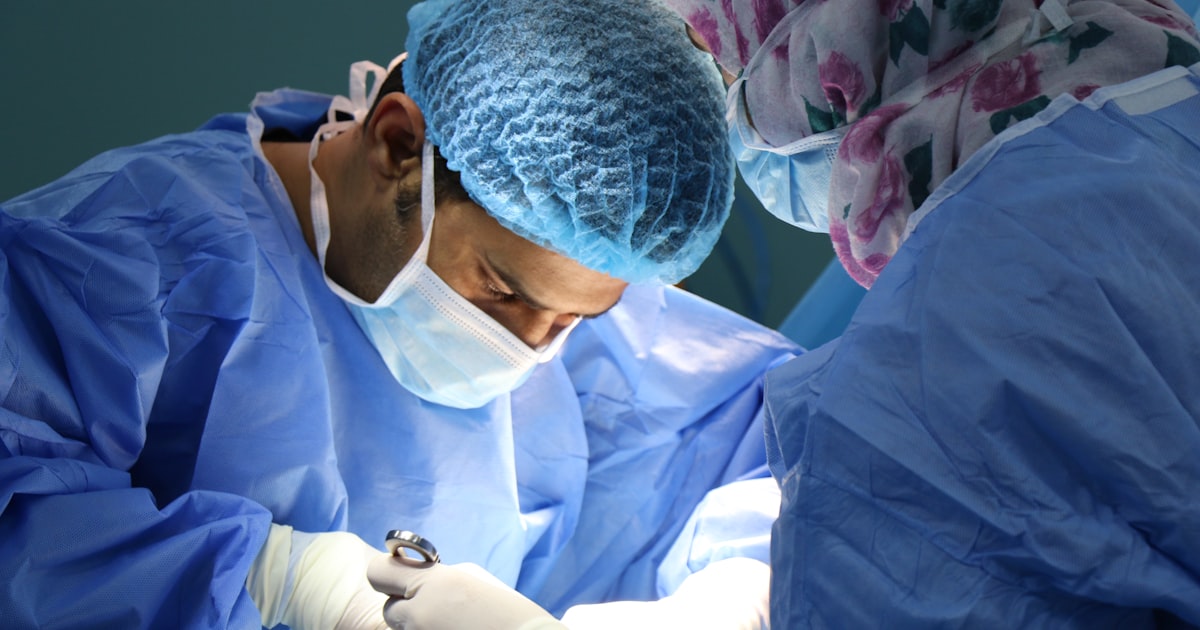
Last month, a 28-year-old software engineer in Delhi dismissed his sharp stomach pain as indigestion brought on by yesterday's samosas. He drank jeera water, took an antacid, and tried to sleep it off — a decision that nearly cost him his life. By morning, his abdomen was rigid, fever had spiked to 39.2°C, and the pain had escalated from McBurney's point to his entire belly. When he finally reached the hospital, his appendix had already ruptured, flooding his abdomen with bacteria. He survived, but only after emergency surgery and a week-long antibiotic course for peritonitis.
This story repeats thousands of times across India each year. Appendicitis — inflammation of the appendix — is one of the most common surgical emergencies in India, and yet it remains one of the most frequently misdiagnosed conditions. Many Indians, when experiencing acute stomach pain, assume it is gas, indigestion, or acidity and delay seeking medical care. The result: India has a significantly higher rate of perforated appendicitis compared to developed countries — up to 50% in some regions — leading to longer hospitalizations, higher mortality, and preventable complications.
Understanding appendicitis, recognising its early warning signs, and acting fast could save not just your appendix, but your life.
What Is Appendicitis?
The appendix is a small, tube-shaped organ attached to the large intestine (colon) where it joins the small intestine, in the lower right abdomen. For much of modern medicine, scientists dismissed the appendix as a vestigial organ with no function — an evolutionary leftover with no purpose. We now know it plays a minor role in immunity, but it is certainly not vital to survival. Which is why, when it becomes inflamed, the solution is almost always surgical removal.
Appendicitis occurs when the appendix becomes infected and inflamed, usually due to blockage inside the tube. The blockage can be caused by:
- Fecal material (most common — hardened stool lodges in the narrow lumen)
- Lymphoid hyperplasia — swollen lymph tissue inside the appendix, often after a viral or bacterial infection
- Intestinal parasites (more common in rural India)
- Tumours (rare, but more likely in older patients)
- Adhesions from previous abdominal surgery
Once blocked, bacteria multiply inside the appendix, causing inflammation, pus formation, and if untreated, rupture.
Acute vs. Chronic Appendicitis
Acute appendicitis is sudden-onset inflammation that develops over hours to days. This is the emergency — the one that sends you to the hospital because the pain is unbearable and you fear something is seriously wrong.
Chronic appendicitis is a rare condition where low-grade inflammation persists over weeks or months, causing recurrent episodes of pain that patients often mistake for irritable bowel syndrome (IBS) or dyspepsia. Chronic cases are harder to diagnose because imaging may appear normal, and pain is intermittent.
Warning Signs: Symptoms You Should Not Ignore
The classic presentation of appendicitis is taught in every medical school: pain that starts around the navel (periumbilical region) and then shifts to McBurney's point (one-third the distance from the right anterior iliac spine to the umbilicus), accompanied by fever and vomiting.
In reality, appendicitis can present in many ways depending on where the appendix is positioned:
Classic Presentation (Retrocaecal Appendix)
- Periumbilical pain that shifts to the right lower abdomen — initially you feel discomfort around your navel, then within hours it concentrates at McBurney's point (the lower right quadrant)
- Pain that worsens with movement — coughing, walking, or even lying down on your left side triggers sharp, stabbing pain
- Rovsing's sign — your doctor applies pressure to the left lower abdomen, and you feel pain on the right
- Rebound tenderness — the doctor presses on the right abdomen and you experience sharp pain when they release the pressure suddenly. This indicates peritoneal irritation
- Fever — usually 37.5–38.5°C (low to moderate), but if the appendix has ruptured, fever may spike above 39°C
- Nausea and vomiting — usually after the pain begins, not before
- Constipation or diarrhoea — some patients have loose stools, others are constipated
Atypical Presentations
The appendix location varies. If it is positioned retrocaecally (behind the colon), pain is classic. But if it is pelvic, pre-ileal, or subcaecal, symptoms differ:
- Pelvic appendicitis — pain low in the abdomen, near the bladder or rectum, sometimes mimicking UTI or diarrhoea
- Right-sided chest pain — if the appendix is high, you may feel chest discomfort
- Pregnancy — pregnant women present later because pain is attributed to pregnancy itself, and physical examination is harder. Appendicitis in pregnancy carries higher morbidity
- Elderly patients — older individuals often have minimal fever and milder pain, yet risk perforation earlier due to delayed diagnosis
- Diabetics — higher risk of perforation due to impaired immune response
When Stomach Pain Is an Emergency: Red Flags
Not every stomach pain is appendicitis, but these warning signs mean you should go to a hospital immediately, not wait for home remedies to work:
Go to Emergency Now If You Have:
- Sudden, severe pain in the lower right abdomen that came on rapidly (over minutes to hours)
- Fever above 38.5°C combined with localised abdominal pain
- Rigidity of the abdomen — your belly feels rock-hard, even at rest
- Severe tenderness when the doctor presses on McBurney's point
- Vomiting that prevents you from drinking water (risk of dehydration and electrolyte loss)
- Symptoms that have persisted for more than 24 hours — the longer appendicitis goes untreated, the higher the risk of rupture
- Recent trauma to the abdomen combined with pain
This Is NOT Appendicitis (Likely):
- Pain that comes and goes unpredictably
- Pain with diarrhoea but no fever
- Nausea without localised tenderness
- Pain relieved completely by antacids or heat
Diagnosis: Tests Doctors Use in India
Your doctor will start with a physical examination — Rovsing's sign, rebound tenderness, and assessment of vital signs. But appendicitis mimics so many other conditions (UTI, kidney stones, ectopic pregnancy, ovarian torsion) that imaging and blood tests are essential.
Alvarado Score
Before ordering expensive tests, many Indian doctors use the Alvarado scoring system — a simple bedside tool that combines 8 clinical and laboratory parameters:
| Parameter | Points |
|---|---|
| Migration of pain to right lower quadrant | 1 |
| Anorexia (loss of appetite) | 1 |
| Nausea/Vomiting | 1 |
| Right lower quadrant tenderness | 2 |
| Rebound tenderness | 1 |
| Elevated temperature (≥38.0°C) | 1 |
| Elevated WBC (>10,000/µL) | 2 |
| Left-shift of WBC (>75% neutrophils) | 1 |
| Total Score | 10 |
- Score ≤4: Appendicitis very unlikely (5% risk)
- Score 5-6: Appendicitis possible (15–50% risk) — imaging recommended
- Score 7-8: Appendicitis probable (75–85% risk) — imaging strongly recommended
- Score ≥9: Appendicitis very likely (≥95% risk) — surgery justified even without imaging if high suspicion
Blood Tests: Understanding Your CBC and CRP
Complete Blood Count (CBC / Complete Blood Picture)
The white blood cell count (WBC or TLC in India) rises dramatically in appendicitis:
| Parameter | Normal Range (India) | Appendicitis | What It Means |
|---|---|---|---|
| TLC (Total Leucocyte Count) | 4,000–11,000/µL | Typically >15,000/µL (often 18,000–25,000) | High infection/inflammation |
| Neutrophils | 40–75% | >75% ("left shift") | Body fighting acute infection |
| Hemoglobin (Hb) | 12–16 g/dL (women), 13.5–17.5 g/dL (men) | Normal or slightly low | If low, indicates chronic inflammation or bleeding |
| Platelets | 150,000–400,000/µL | Normal or elevated | Elevated in infection |
What to look for: A TLC above 15,000/µL with a left shift (neutrophils >75%) is highly suggestive of acute appendicitis. Combined with fever and clinical signs, it strongly supports the diagnosis.
Cost in India: CBC costs ₹200–₹400 at most diagnostic labs (SRL, Thyrocare, Dr. Lal PathLabs, Max Lab).
C-Reactive Protein (CRP)
CRP is an acute-phase protein that rises with inflammation. In appendicitis:
| Finding | Value | Interpretation |
|---|---|---|
| Normal CRP | <10 mg/L | Appendicitis less likely (but not ruled out) |
| Elevated CRP | 10–50 mg/L | Consistent with appendicitis; suggests inflammation |
| Highly elevated CRP | >100 mg/L | Suggests advanced appendicitis or perforation with peritonitis |
Cost in India: CRP costs ₹200–₹500.
Urine Analysis
A urine test helps rule out urinary tract infections and kidney stones, which can mimic appendicitis pain. In appendicitis, the urine is usually normal (or may show mild findings due to irritation from nearby inflammation).
Cost in India: ₹100–₹300.
Imaging: The Gold Standard
Ultrasound of the Abdomen
Ultrasound is the first-line imaging in India because it is cheap, non-invasive, and readily available:
| Finding | What It Means |
|---|---|
| Appendix diameter >6 mm | Suggestive of appendicitis (normal is <6 mm) |
| Non-compressible appendix | Cannot be compressed by the probe — indicates inflammation |
| Appendix wall thickening | Inflamed wall appears echogenic |
| Free fluid around appendix | Indicates peritonitis or perforation |
| Dilated loops of bowel | May suggest ileus (paralysis of intestine) from peritonitis |
| Periappendiceal fat stranding | Inflammation extends beyond the appendix wall |
Cost in India: ₹500–₹1,500 at most diagnostic centres.
Accuracy: 80–95% accuracy for acute appendicitis in skilled hands. Accuracy depends heavily on operator experience and whether the appendix is clearly visualized.
CT Scan of the Abdomen and Pelvis
CT is the gold standard for appendicitis diagnosis — far more accurate than ultrasound:
| Finding | Significance |
|---|---|
| Appendix diameter >6 mm | Nearly always pathological |
| Appendiceal wall thickening and enhancement | Inflammation visible on contrast study |
| Periappendiceal fat stranding | Inflammation extends into surrounding fat |
| Fluid or air in peritoneal cavity | Suggests perforation |
| Abscess formation | Loculated fluid collection near appendix |
| Free-floating stones or fecoliths | May be obstructing the appendix |
Cost in India: ₹3,500–₹6,000 for a non-contrast or contrast-enhanced CT abdomen (private hospitals; government hospitals may be cheaper).
Accuracy: 95–99% for acute appendicitis. CT is more expensive than ultrasound but vastly superior in accuracy.
Diagnostic Tests Summary Table
| Test | Role in Appendicitis Diagnosis | What to Look For | Cost in India |
|---|---|---|---|
| TLC (CBC) | Infection marker; Alvarado component | TLC > 11,000/µL (usually 15,000–25,000) with left shift | ₹200–₹400 |
| CRP | Inflammation marker | CRP > 10–50 mg/L (higher suggests worse inflammation) | ₹200–₹500 |
| Urine Analysis | Rule out UTI/kidney stone | Should be normal or show only mild changes | ₹100–₹300 |
| Ultrasound Abdomen | First-line imaging in India | Appendix >6 mm, non-compressible, periappendiceal fluid, wall thickening | ₹500–₹1,500 |
| CT Abdomen/Pelvis | Gold standard imaging | Appendix >6 mm with fat stranding, perforation, abscess | ₹3,500–₹6,000 |
Understanding Your Test Reports
When you get your blood test back, here is how to interpret the numbers in the context of suspected appendicitis:
CBC Interpretation
Your TLC is 18,000/µL (normal is 4,000–11,000)
This elevation is significant. In appendicitis, TLC typically ranges from 12,000 to 25,000/µL. A TLC above 15,000 combined with fever and McBurney's point tenderness makes appendicitis highly likely. Combined with an Alvarado score of 8+, your doctor will likely proceed to imaging or even surgery without delay.
Your differential shows 82% neutrophils (normal is 40–75%)
This "left shift" (elevated immature neutrophils) indicates your body is mounting a strong response to acute infection. It is another sign pointing toward bacterial infection like appendicitis, rather than viral illness.
Your CRP is 65 mg/L (normal is <10 mg/L)
Elevated CRP confirms active inflammation. In appendicitis, CRP typically rises to 10–100 mg/L. A CRP of 65 is concerning and supports the need for urgent imaging and possible surgical consultation.
When to Act on Results
- TLC > 15,000 + fever + pain at McBurney's point = proceed to imaging or surgery
- TLC normal but clinical suspicion high = imaging (especially CT) is still important
- TLC elevated but no fever/tenderness = consider alternative diagnoses (viral, malaria, UTI)
Treatment Options in India
Once appendicitis is confirmed, the treatment path depends on severity, whether it has ruptured, and local availability of surgical facilities.
Laparoscopic Appendectomy (Gold Standard)
Laparoscopic (keyhole) surgery is now the preferred approach in most Indian hospitals. The surgeon makes 2–3 small incisions, inserts a camera and instruments, and removes the inflamed appendix under direct visualization.
Advantages:
- Minimal pain and scarring
- Faster recovery (return to normal activities in 2–3 weeks)
- Lower infection risk
- Shorter hospital stay (24–48 hours)
Disadvantages:
- Higher initial cost
- Requires specialised equipment and trained surgeons
Cost in India:
- Private hospitals: ₹30,000–₹60,000 (depends on hospital tier and city)
- Government hospitals (AIIMS, state medical colleges): Free or nominal charge (₹1,000–₹5,000)
Hospital stay: 1–2 days in private hospitals; 2–3 days in government hospitals.
Recovery timeline:
- Week 1: Minimal activity, light diet
- Week 2–3: Can return to desk work
- Week 4–6: Can return to moderate exercise
- Week 6+: Full activities and gym approved by surgeon
Open Appendectomy (Gridiron Incision)
If a laparoscopic approach is not available or complications exist (rupture with abscess), open surgery is performed. A 5–7 cm incision is made in the right lower quadrant (Gridiron incision).
Advantages:
- Cheaper
- Widely available in all hospitals and small nursing homes
- Useful in complicated cases (peritonitis, abscess)
Disadvantages:
- Larger scar
- More post-operative pain
- Longer recovery (4–6 weeks)
- Higher infection risk if contamination occurs
Cost: ₹15,000–₹40,000 at private hospitals.
Recovery: 3–4 weeks before returning to full activity.
Antibiotics Alone: When Surgery Can Be Avoided
In recent years, some gastroenterologists and surgeons have successfully treated uncomplicated acute appendicitis with antibiotics alone, especially in mild cases. This approach is gaining traction but remains controversial.
Conditions for antibiotic management:
- No perforation (confirmed by imaging)
- No peritonitis (no rigid abdomen)
- Patient compliance (able to follow up regularly)
- Access to surgery if complications develop
Antibiotic regimen typically includes:
- A broad-spectrum antibiotic (ceftriaxone IV or high-dose oral fluoroquinolone)
- Metronidazole for anaerobic coverage
- Duration: 7–10 days IV, then oral antibiotics
Success rate: 85–90% in selected cases, but 5–10% require delayed surgery.
Cost: ₹3,000–₹8,000 for antibiotic course and imaging follow-up (significantly cheaper than surgery, but requires close monitoring).
Perforated Appendicitis: Emergency Surgery Required
If the appendix has ruptured, surgery is non-negotiable. Perforation leads to peritonitis — life-threatening bacterial contamination of the entire abdominal cavity.
Management of perforated appendicitis:
- Immediate surgical drainage and appendectomy — the ruptured appendix must be removed and the peritoneal cavity irrigated
- High-dose IV antibiotics — usually a triple combination (ceftriaxone + gentamicin + metronidazole) for 7–10 days to cover gram-positive, gram-negative, and anaerobic bacteria
- ICU monitoring if peritonitis is severe
- Longer hospital stay — 5–10 days minimum
Cost: ₹80,000–₹2,00,000 depending on complications and hospital tier (perforated cases cost 2–5 times more than uncomplicated).
Perforated Appendicitis: Why India Has Higher Rates
Here is a sobering statistic: in developed countries, perforation rates are 5–15%. In India, they reach 30–50% in many regions. Why the enormous difference?
Barriers to Timely Diagnosis in India
- Cultural beliefs and home remedies come first — many Indian families try jeera water, heeng, ginger paste, or antacids before seeking medical care. By the time they arrive at the hospital, valuable hours have passed
- Cost anxiety — people delay hospital visits fearing expensive tests and surgery, hoping the pain will resolve
- Vague symptom presentation — appendicitis pain can feel like "gas" or "acidity," so patients self-treat
- Distance to hospitals — in rural India, the nearest hospital may be 50+ km away, causing delays
- Misdiagnosis at first visit — a patient goes to a primary health centre, gets diagnosed with gastroenteritis or UTI, and is sent home with antibiotics
- Overnight progression — appendicitis can go from manageable to catastrophic in 12–24 hours
Why Waiting Is Dangerous
- Hours 0–12: Appendix becomes inflamed (acute appendicitis)
- Hours 12–24: Risk of perforation increases significantly
- Hours 24–48: If undiagnosed, perforation becomes likely; walled-off abscess may form nearby
- Hours 48+: Perforation leads to purulent peritonitis (pus-filled abdominal infection), sepsis, and organ failure
A patient who delays 36 hours risks not just appendix removal but also drainage of an abscess, longer antibiotic courses, and ICU care.
Recovery After Appendix Surgery in India
First 24–48 Hours (Hospital)
- Pain management: IV pain medication (morphine or tramadol), then oral pain relief (paracetamol, ibuprofen) as tolerated
- Diet: NPO (nil per os — nothing by mouth) initially, then clear liquids (water, coconut water, electrolyte solution) on day 1, then easy diet
- Activity: Bed rest, then gentle walking around the ward by day 2
- Wound care: Dressing changes and monitoring for infection
Week 1–2 (At Home)
Diet progression:
- Days 1–3: Rice gruel, dal water, light soups
- Days 4–7: Khichdi with ghee, soft vegetables, curd
- Week 2: Gradually introduce normal diet
Activity:
- Avoid heavy lifting (anything >5 kg)
- Avoid strenuous exercise
- Walking is encouraged
- Can do light household work
Wound care:
- Keep dressing clean and dry
- Watch for signs of infection (redness, pus, fever)
- Stitches removed at day 7–10
Week 2–4 (Gradual Return to Normal)
- Can return to desk work
- Still avoid heavy exercise and gym
- Sexual activity can resume after 3–4 weeks if pain-free
- Driving is okay if not taking strong pain medications
Week 4–6 (Full Recovery)
- Can resume light exercise (walking, yoga)
- Can return to gym with light weights (no heavy deadlifts or core training)
- Can resume all normal activities by week 6
Warning Signs: When to Return to Hospital
Go back to the hospital immediately if you develop:
- Fever above 38°C — may indicate infection
- Increasing pain or swelling around the wound
- Redness, warmth, or pus from the incision
- Severe abdominal pain (not just discomfort)
- Vomiting or inability to drink water
- Dizziness or severe weakness
- Chest pain or shortness of breath — rare sign of blood clot
Complications After Surgery
While most appendectomies are successful, complications can occur:
Early Complications (Days 1–7)
- Infection — fever and wound redness
- Bleeding — usually minor and resolves
- Bowel obstruction — rare, from adhesions
Late Complications (Weeks to Months)
- Adhesions — scar tissue inside abdomen that occasionally causes pain or obstruction
- Hernia — weakness in the incision allowing bulging of tissue
- Chronic pain — rare; usually resolves within 3 months
Use MedicalVault's health tracking feature to log your recovery progress — document fever, pain level, dietary tolerance, and activity level. This creates a timeline that helps your surgeon monitor your recovery.
Key Takeaways
- Appendicitis is a common surgical emergency in India, often mistaken for gas or indigestion, leading to dangerous delays and higher perforation rates (30–50% vs. 5–15% in developed countries)
- Recognise the warning signs: pain that starts at the navel and shifts to the right lower abdomen (McBurney's point), along with fever, vomiting, and tenderness
- Know your test values: TLC above 15,000/µL, CRP above 50 mg/L, and imaging (ultrasound or CT) showing an appendix >6 mm strongly suggest appendicitis — do not delay seeking urgent care
- Laparoscopic appendectomy is the gold standard in most Indian hospitals, costing ₹30,000–₹60,000 privately; government hospitals offer it free or at nominal cost
- Perforated appendicitis is a medical emergency requiring immediate surgery and antibiotics (₹80,000–₹2,00,000 depending on severity)
- Recovery after uncomplicated appendectomy takes 4–6 weeks — pain relief, dietary progression, gradual activity return, and wound care are key
- Upload your medical reports to MedicalVault to track your recovery timeline, share results with your surgeon, and maintain a complete record of your surgical history for future reference